REVIEW · GIZA
Saqqara, Dahshur – 10%to stray dogs and cats
Book on Viator →Operated by Sofie Guide · Bookable on Viator
Early pyramids, then a farm breakfast. This private tour pairs Dahshur and Saqqara with a trained Egyptologist who explains what you’re looking at, including how to start reading hieroglyphs so the sites feel less like random stones. I also like the door-to-door, air-conditioned comfort that keeps the day moving without turning it into a misery marathon.
My other big win is the way the day slows down in Dahshur: sunrise under palm trees, breakfast amid the farms, and a meal that’s served in a real local setting. You also get a built-in connection to animal welfare, with the tour allocating 10% to stray dogs and cats and the guide typically bringing food for friendly locals. The main drawback to plan for is that the biggest pyramid admissions are not included, and the day involves a decent amount of walking and uneven steps.
In This Review
- Key things to know before you go
- Dahshur and Saqqara in one day: the smartest order
- Inside Dahshur: Bent and Red pyramids without feeling lost
- Saqqara: Djoser’s Step Pyramid plus the tomb-and-temple stops that add meaning
- Sunrise in Dahshur: breakfast under palms, crops, and the sound of real life
- Saqqara village carpet school: how designs link ancient Egypt to today
- Memphis: why it belongs between pyramids, not after them
- Lunch on the farm: local food, fewer sales pitches
- The stray cats and dogs angle: real support, small moments that matter
- Egyptologist-led explanations: why hieroglyphs make the pyramids click
- Price and value: how $80 fits a full-day private plan
- What the day feels like: walking, heat, and comfort choices
- Who should book this tour, and who might want a different plan
- Should you book this Dahshur–Saqqara–Memphis tour?
- FAQ
- What sites does this tour include?
- Are the pyramid admission tickets included?
- Do I get hotel pickup and drop-off?
- How long is the tour?
- Is this a private tour?
- Is there free cancellation?
Key things to know before you go
- A trained Egyptologist with hieroglyph basics helps you understand what you’re seeing, not just where to stand for photos.
- Dahshur first (Bent and Red pyramids) gives you a strong start and a chance to see interiors that many visitors skip.
- Saqqara depth beyond the Step Pyramid includes stops tied to specific rulers and structures, so it’s not just one monument.
- Sunrise farm time in Dahshur includes breakfast (or you can choose later lunch) with crops and palm-shaded calm.
- Carpet weaving at a Saqqara village school shows how patterns tied to ancient Egyptian, Coptic, and Islamic designs are made by hand.
- Animal-friendly touches include support for strays and a real human approach to feeding and caring for local cats and dogs.
Dahshur and Saqqara in one day: the smartest order
This is one of those days where the order matters. Dahshur and Saqqara are close enough that you can do a full loop, but they’re also different enough that you’ll enjoy them more if you don’t treat them like checkboxes.
I like how the plan stacks variety. You start with major pyramid landmarks, then you get context, then you get a break in the countryside, then you finish with craft and village life. It’s a smoother rhythm than a pure site-hopping sprint.
You can also read our reviews of more tours and experiences in Giza.

Inside Dahshur: Bent and Red pyramids without feeling lost
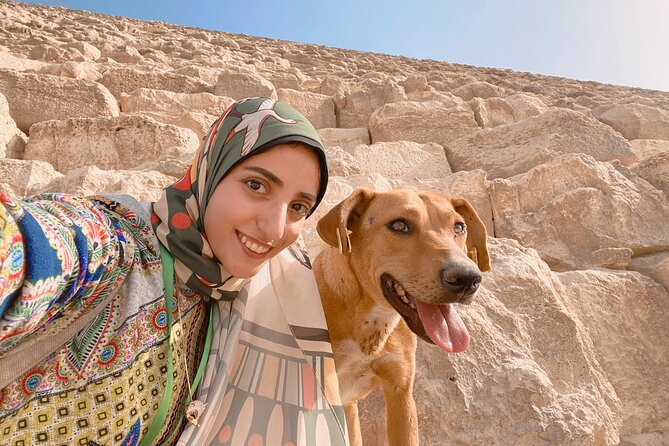
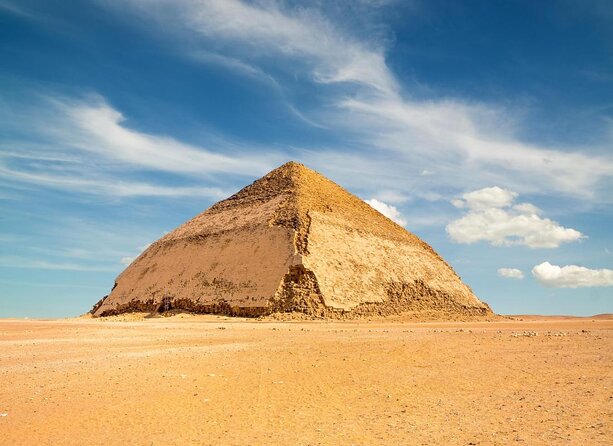
Dahshur is where the pyramid story gets interesting in a very physical way. You’ll see the Bent pyramid and the Red pyramid, and you spend time actually exploring rather than only looking from the edge.
Two practical notes help you enjoy this part. First, some pyramid entries need tickets you’ll buy separately, so budget for admissions when you’re planning your day. Second, interior routes can mean stairs, tight passages, and uneven ground, so if you have mobility limits, wear grippy shoes and keep expectations realistic.
What I especially like here is the way the guide explains the design choices as you go. When someone walks you through why these structures look the way they do, the experience turns from scenery into understanding. And because it’s private, you’re less likely to get herded into a one-minute queue.
Saqqara: Djoser’s Step Pyramid plus the tomb-and-temple stops that add meaning
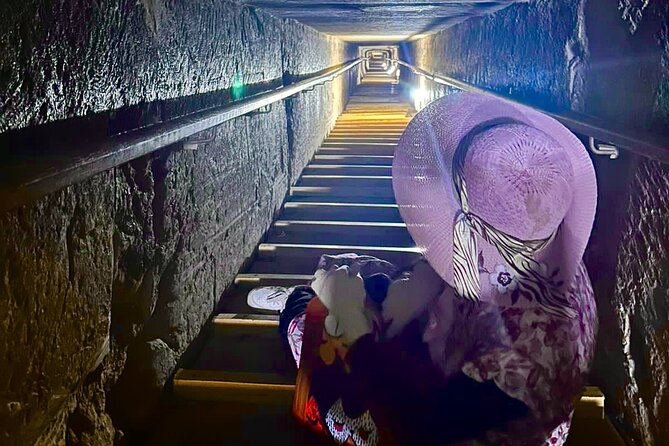
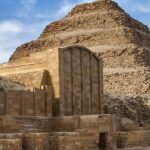
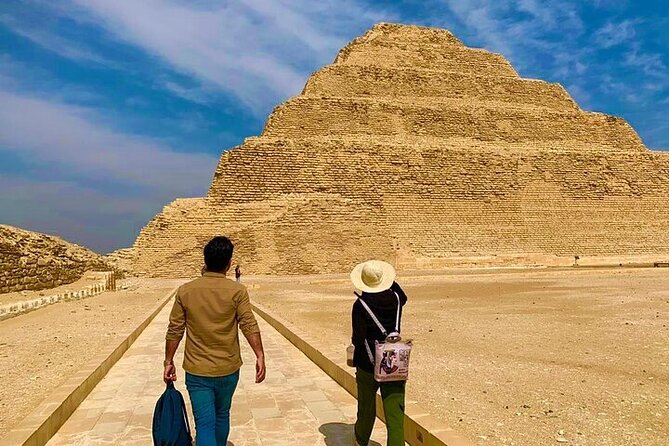
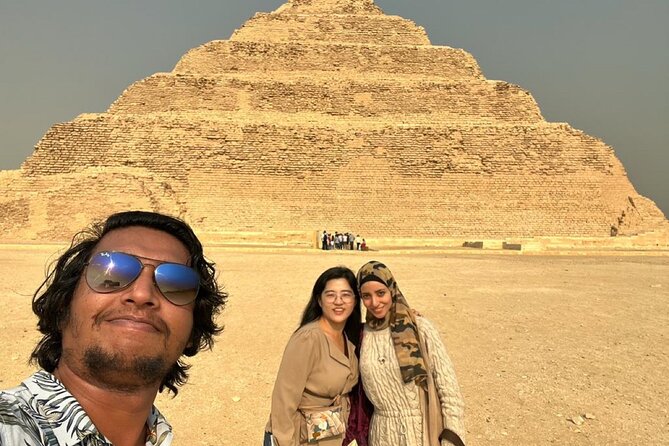
Saqqara is the place where Egypt’s mortuary world starts to feel organized and purposeful. You’ll focus on the Step pyramid of King Djoser, and you also have time at other named sites that help connect the dots.
You’ll spend about four hours on this Saqqara block, with time built in for multiple stops such as Kagemni tomb, Serapium, and the Unas pyramid. That matters because these areas aren’t meant to be understood as isolated monuments. They’re part of a bigger plan of worship, burial, and landscape.
One heads-up: the big Saqqara admissions are also not included. That’s not a deal-breaker, but it does mean you should expect to pay extra for site entry if you want to go inside. If you’re the type who hates last-minute surprises, plan that cost ahead.
Sunrise in Dahshur: breakfast under palms, crops, and the sound of real life
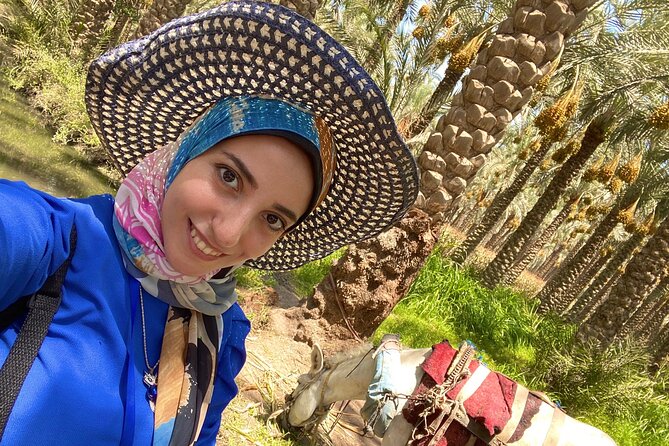
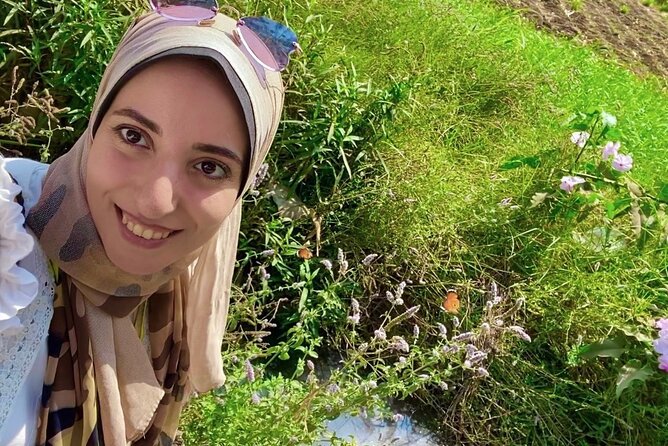
Then the day turns into something more human. In Dahshur, you get a sunrise-focused farm experience with breakfast in the shade of palm trees, plus details like butterflies and the feel of working land nearby.
This is also where the tour’s vibe gets gentle. Instead of only chasing stone, you get a morning that feels like Egypt outside the gate. You’ll be in farm scenery with newly harvested crops mentioned such as eggplant, corn, dates, and mango, and you’ll see palm-built houses and meet friendly local farmers.
You can choose between breakfast or lunch here depending on timing and how your day is running. I like that flexibility because it helps you avoid the most common problem on long Egypt days: forcing yourself to eat at the wrong moment.
Saqqara village carpet school: how designs link ancient Egypt to today
After Dahshur, you shift to a short but memorable cultural stop. In a Saqqara village manual carpet school, you see how carpets are woven by hand, and you learn about the shapes used in ancient Egyptian, Coptic, and Islamic patterns.
This part is only about 30 minutes, but it’s one of the easiest to enjoy without needing deep background knowledge. You can watch the process, ask a few questions, and still keep the day moving to the next site.
It also gives your brain a break from heat and architecture. After pyramids, your eyes want something that’s slow and detailed. Hand weaving is that kind of change of pace.
Memphis: why it belongs between pyramids, not after them
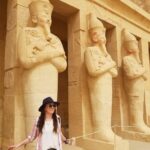
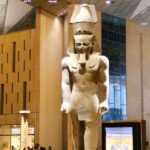
The overview of this tour frames Memphis as part of the same story as Dahshur and Saqqara. That makes sense. Saqqara is tied to burial culture, Dahshur shows how royal building ideas evolved, and Memphis helps you zoom out to the larger urban center that shaped power and religion.
Even if you don’t consider yourself a history person, Memphis tends to make everything feel less random. You start to see the pyramids not as separate tourist stops, but as pieces of a changing worldview tied to places where people lived and ruled.
Since your time is limited in a single day, the value here is the sequencing. You’re not just snapping pictures of monuments; you’re building a mental map.
Lunch on the farm: local food, fewer sales pitches
Food on Egypt tours is either an afterthought or a trap. This one tries hard to avoid both.
You’ll have a tasty Egyptian lunch in a local setting, and many versions of the day include farm service with animals around. Expect a calm, countryside break—exactly the kind of meal that helps you keep energy for the rest of the afternoon.
I also appreciate what this tour doesn’t do. You’re not expected to jump into factories or get pushed into shopping. The overall feel from the day is that the focus stays on sights and explanations, not sales.
The stray cats and dogs angle: real support, small moments that matter
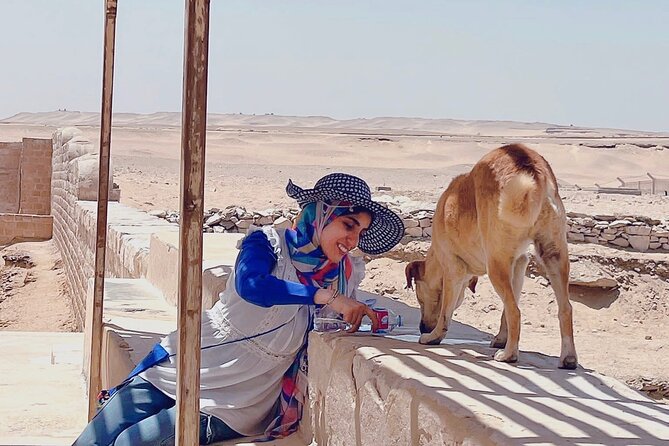
This tour includes a welfare component: 10% goes to stray dogs and cats. That’s not just a line on a brochure. It’s reflected in the way the guide handles animals during the day.
A lot of Egypt experiences feel transactional around animals. Here, the approach is more gentle and consistent. You’ll often see friendly strays near the sites and meal areas, and the guide typically brings food to share.
Practical tip: if you’re comfortable doing so, bring small treats (bread is mentioned in guides’ real-world habits) and use common sense around animals. This is a caring moment, not a carnival. Also, keep your own food and hands clean.
Egyptologist-led explanations: why hieroglyphs make the pyramids click
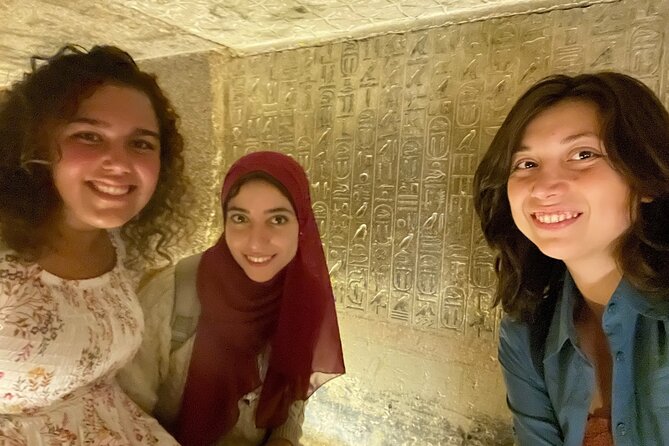
One of the strongest reasons to choose a guided format here is the Egyptology angle. The guide teaches you how to decipher hieroglyphs in an approachable way, so you’re not staring at carvings like they’re decorative wallpaper.
That training matters because hieroglyphs become a tool, not a mystery. Even basic interpretation makes the sites feel more personal—like you’re getting messages from people who built the place.
I like that the explanations are timed to what you’re seeing right then. You’re not waiting until the end of the day for a lecture. Instead, you’re getting context as you stand in the shadow of the Bent pyramid or walk through Saqqara’s focused ruins.
Price and value: how $80 fits a full-day private plan
At $80 per person, this tour is priced like a solid value for a private day with an Egyptologist, air-conditioned transport, multiple major sites, and included meals at the countryside break.
The part you should budget for is admissions. Since tickets for Dahshour and Saqqara entries are not included, you’ll pay extra on top of the tour price if you want interior access and full site entry.
Still, I think the math works for most people because you’re not paying for a generic guide who only points and moves. You’re paying for interpretation, time management, and a day plan that’s designed to keep you out of the common tourist-rush traps.
What the day feels like: walking, heat, and comfort choices
This is a full-day outing, about 7 to 9 hours. You should expect a moderate walking load and some uneven ground, especially at pyramid sites and interior areas.
That’s why I like the air-conditioned ground transportation and door-to-door pickup. It’s not luxury for show; it’s how you survive the midday heat and keep your brain functional when you’re tired.
Wear shoes with grip. Carry water. If you’re doing interior sections, keep an eye on your comfort level and take breaks as needed.
Who should book this tour, and who might want a different plan
This tour is a great fit if you want more than photos. If you like understanding how ancient builders thought, if you enjoy learning real basics like hieroglyph reading, and if you’d rather spend time seeing fewer places well, this makes sense.
It also works well for animal lovers who don’t want the trip to feel fake or forced. The stray support is part of the experience, not an afterthought.
If you want only the quickest possible pyramid snapshots with zero explanations, you might find the day more structured than you prefer. And if you’re very sensitive to long walking and interior passages, you’ll want to plan carefully and communicate your limits early.
Should you book this Dahshur–Saqqara–Memphis tour?
Yes, if you want a private day that balances big monuments with real context and a countryside break. I’d book it if you care about the why behind the pyramids, want to see named Saqqara sites beyond a single viewpoint, and appreciate meals that feel local rather than cooked-for-tourism.
I’d think twice if you hate paying extra for site admissions or you’re unsure about longer walking and interior climbing. But for most people visiting Cairo and Giza, this is the kind of day that turns Egypt from scenery into a story you can actually follow.
FAQ
What sites does this tour include?
You’ll visit the pyramids of Dahshur (Bent and Red pyramids) and Saqqara (including the Step Pyramid of King Djoser and several named areas like Kagemni tomb, Serapium, and the Unas pyramid). The day also includes Memphis as part of the overall experience, plus a Saqqara village manual carpet school and a countryside breakfast/lunch experience in Dahshur.
Are the pyramid admission tickets included?
Admission tickets are not included for the Dahshur pyramids and the Saqqara pyramid sites. The Dahshur farm time and the Saqqara carpet school are listed as free.
Do I get hotel pickup and drop-off?
Yes. The tour offers air-conditioned ground transportation with door-to-door hotel pickup and drop-off.
How long is the tour?
It runs about 7 to 9 hours.
Is this a private tour?
Yes. It’s private, so only your group participates.
Is there free cancellation?
Yes, you can cancel for a full refund up to 24 hours before the experience starts. If you cancel less than 24 hours before, the amount paid is not refunded.