REVIEW · GIZA
Private Nile Cruise Tour from Cairo
Book on Viator →Operated by Great Pyramid Travel · Bookable on Viator
Your first Nile cruise should feel like a story. This one strings together Aswan, Kom Ombo, Edfu, and Luxor on a private 4-day route with smooth transfers that start right from your Cairo hotel. I especially like how it mixes major “must-sees” with smaller, oddly specific stops like the Unfinished Obelisk, so the trip feels more than just check-the-box sightseeing.
Two big wins for me: you get long enough on the water between temple days to actually enjoy the pace, and the tour’s service style is built around making things easy, including pickup and airport help. The main drawback to consider is the tight schedule for 4 days, which means you’ll want to keep your energy for early starts and a lot of walking through temple complexes.
One more practical note before you go: the cruise part is the classic Nile experience, but it’s also time in boats, stairs, and crowds in peak sites, so comfortable shoes matter. If your guide is someone like Mr. Mahmoud (a name that comes up with praise), that extra calm guidance can make the whole rhythm feel smoother.
In This Review
- Key things that make this cruise worth it
- Why this Cairo-to-Nile route feels like good value
- Cairo hotel pickup and the 7:00 am airport rhythm
- Aswan Day: High Dam, Philae, and the Unfinished Obelisk
- Boarding and lunch in Aswan
- High Dam: modern Egypt’s flood control story
- Unfinished Obelisk: the craft behind the spectacle
- Philae Temple: Isis and a temple built with devotion
- Cruise Day 2: Kom Ombo and Edfu, temples with a river beat
- Kom Ombo: the double-temple idea
- Sail to Edfu and the onboard evening
- Edfu to Luxor Day 3: Horus Temple and the onboard belly dance
- Edfu Temple: Horus and the feel of a well-preserved cult site
- Lunch on the boat, then Luxor at night
- Luxor Day 4: Karnak, Luxor Temple, Hatshepsut, Colossi, and free time
- Karnak Open Air Museum: the East Bank power center
- Luxor Temple: then on to the West Bank
- Hatshepsut at Deir el Bahari: a ruler’s monument
- Colossi of Memnon and time to browse
- Back to Cairo by flight and hotel transfer
- Private tour feel: fewer crowds, smoother pacing, and tickets handled
- Meals on the cruise: you’ll eat well enough to focus on sights
- Price and value: what $1,096 is really buying
- Practical tips so your 4 days feel fun, not frantic
- Who should book this private Nile cruise from Cairo?
- Should you book this private Nile cruise tour?
- FAQ
- What is the duration of the private Nile cruise tour?
- Where does the tour start and what time does it begin?
- Does the tour include hotel pickup?
- What meals are included?
- Which main attractions are included during the Aswan part?
- What sites are visited in Luxor?
- Is this tour private?
- What is the cancellation policy?
Key things that make this cruise worth it
- Private door-to-airport starts from your Cairo hotel, then you fly to Aswan for a fast start
- High Dam + Philae + Unfinished Obelisk in Aswan: engineering, mythology, and craft in one day
- Temple-hopping with the river in between: Kom Ombo and Edfu keep the story moving
- Luxor on the East and West Banks: Karnak, Luxor Temple, Valley of the Kings area, Hatshepsut, Colossi of Memnon
- Food is covered for the cruise days (breakfast, lunch, dinner), so you can budget less on the day
Why this Cairo-to-Nile route feels like good value
For a first Nile trip, you want two things: clean logistics and a plan that doesn’t feel rushed in the wrong places. This private 4-day itinerary does both by pairing included transfers with a tight but sensible loop: fly from Cairo to Aswan, cruise north through Egypt’s key temple stops, then return to Cairo by flight.
It’s priced at $1,096, and that number makes more sense when you add up what’s actually included in your day-to-day: your Cairo pickup, the move to Cairo International Airport, the flight to Aswan, the cruise itself with meals, and guided visits to major sites with admission coverage noted throughout. The private format matters too. You’re not guessing meeting times with a crowd, and you can usually move at a pace that fits your group.
The best part is how the route gives you a continuous theme: Egypt’s power isn’t just in one temple or one era. You see it in the engineering of the High Dam, the religious symbolism at Philae, the technical details suggested by the Unfinished Obelisk, and then the grand temple scale of Kom Ombo, Edfu, Karnak, and Luxor.
You can also read our reviews of more boat tours in Giza


Cairo hotel pickup and the 7:00 am airport rhythm
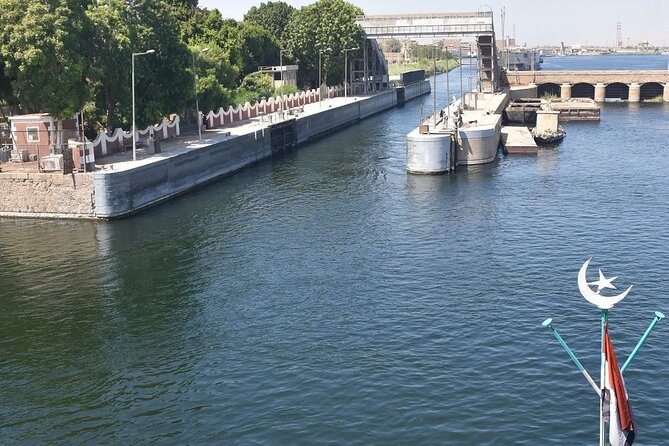
The tour starts with pickup from your hotel in Cairo, then heads to Cairo International Airport. The listed start time is 7:00 am, which tells you the day is built for an efficient schedule rather than a slow morning.
Why that matters: for Egypt, time is everything. Temples and airports both punish delays. Getting you moving early helps you avoid the worst timing issues and keeps the cruise days intact. Also, you’ll have a mobile ticket, which usually cuts down on paper chaos and last-minute line worries.
What I’d watch for: early starts can be a test if you’re coming from late nights in Cairo. If you’re planning pyramids or a busy first day in the city, keep it realistic. This cruise doesn’t leave room for a heavy extra schedule before pickup.
Aswan Day: High Dam, Philae, and the Unfinished Obelisk
Day 1 has a classic Aswan kickoff: you arrive, board the cruise, and get right into the landmarks.
Boarding and lunch in Aswan
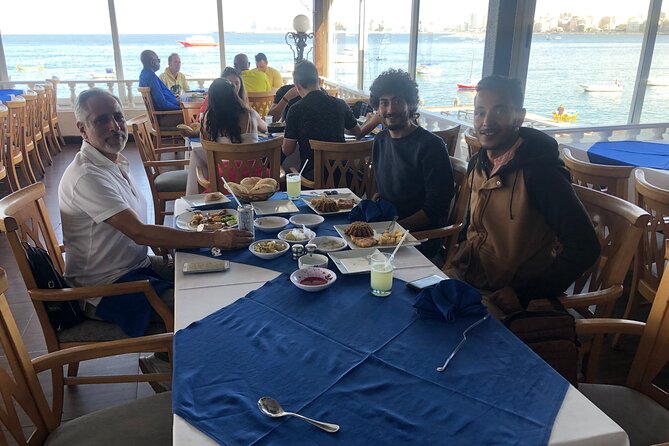
After transfer to the cruise in Aswan, you have lunch on board, then dinner on board, plus overnight in Aswan. That “first meal handled” setup is one of those small things that makes the rest of the days feel less stressful. You don’t spend your first hours figuring out logistics and food.
High Dam: modern Egypt’s flood control story
Next comes Aswan High Dam, described as a major engineering project from 1960 designed to protect Egypt from the Nile’s annual floods. Even if engineering isn’t your thing, it gives context for why the Nile mattered so much to ancient Egypt and why it still matters now.
Practical tip: this is a good day to keep an eye out for sweeping views and photo angles, since Aswan often delivers those big-breath moments.
You can also read our reviews of more private tours in Giza




Unfinished Obelisk: the craft behind the spectacle
Then you visit the Unfinished Obelisk, where you can see techniques used by ancient Egyptians for cutting obelisks. The details matter because obelisks weren’t random monuments. They were power made physical—massive stone work tied to rulers.
The tour notes it most probably relates to Queen Hatshepsut, linking the site to the 18th Dynasty and the reign connected to King Tuthmosis II. That kind of clue is exactly why I like including this stop on a cruise. It adds a layer of “how did they do that?” rather than only “look how big it is.”
Philae Temple: Isis and a temple built with devotion
Finally, Philae Temple is visited, built in honor of Goddess Isis. The tour frames it as a key island temple setting, and it’s usually where you feel the blend of religion, art, and river landscape working together.
You’ll also get admission ticket included here, and the time block suggests a more unhurried visit (about 2 hours). That’s important because temples aren’t just walls—you’re reading symbols, columns, carvings, and layouts that make sense only if you slow down a touch.
Cruise Day 2: Kom Ombo and Edfu, temples with a river beat
After breakfast on board, you head to Kom Ombo around noon. The schedule then gives you time on land and keeps the water between stops.
Kom Ombo: the double-temple idea
Kom Ombo’s temple is described as shared by two gods: Sobek and Haeroris. That “two sides of devotion” concept is a smart stop on this route because it teaches you not just what Egyptians built, but how they organized meaning in stone.
You get about 3 hours here, and the admission is marked free. I like this stop because it usually feels less overwhelming than the biggest temple sites, which makes it a good mid-cruise reset.
Sail to Edfu and the onboard evening
After Kom Ombo, you sail to Edfu and continue with lunch and dinner on board, plus overnight in Edfu. This is where cruise timing helps: you can shift from one temple day into a river evening without fighting your way into separate plans.
On Day 2, your meals are listed as breakfast, lunch, and dinner, which means fewer decisions and less time spent hunting food.
Edfu to Luxor Day 3: Horus Temple and the onboard belly dance
Day 3 is the bridge from “temple cities” to the grand Luxor cluster.
Edfu Temple: Horus and the feel of a well-preserved cult site
You start with breakfast on board, then visit the Temple of Horus in Edfu. The tour points out it’s dedicated to God Horus and is considered the best preserved cult temple in Egypt by many visitors. Even if you don’t track preservation statistics, you’ll notice what “preserved” means: clearer structure, readable carvings, and less guesswork compared with half-ruined sites.
You get about 2 hours and admission ticket included. The tour also mentions the myth framing where Horus avenges Osiris by killing Seth, which gives your visit a story thread. That’s useful for connecting what you see to why it mattered.
Lunch on the boat, then Luxor at night
After Edfu, you sail to Luxor with lunch on board. Then you’re transferred back to the cruise ship for dinner on board, plus a belly dance show on board, and overnight in Luxor.
I’ll be honest: onboard shows can be hit or miss in other contexts. Here, it makes sense as a night activity after heavy sightseeing, and it keeps you from having to choose a separate evening plan. If you’re tired, you still get a cultural moment without travel time eating your energy.
Luxor Day 4: Karnak, Luxor Temple, Hatshepsut, Colossi, and free time
Day 4 is where Luxor stacks up the most famous names. It’s also the longest “on land” day of the trip.
Karnak Open Air Museum: the East Bank power center
After breakfast and disembarkation, you tour the East Bank and visit Karnak Temple. The time block is around 2 hours with admission included.
Karnak can overwhelm you if you rush it. The trick is to focus on the scale and the layout rather than trying to memorize every carving. This tour’s structure helps—short enough to stay focused, long enough to appreciate the major shapes.
Luxor Temple: then on to the West Bank
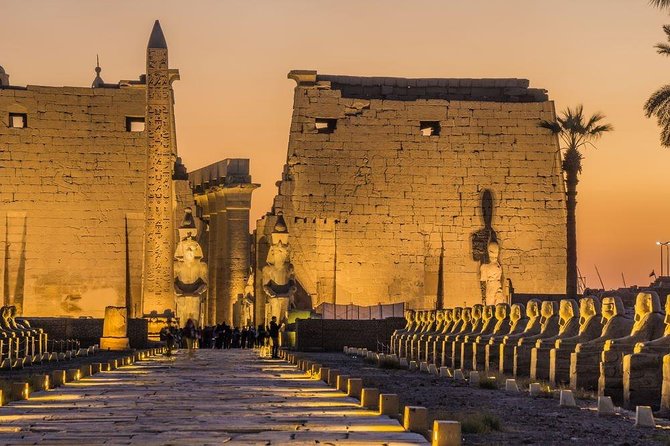
Next is Luxor Temple, and then the plan includes a visit to the West Bank area in Luxor to the Valley of the Kings. The time shown here is 2 hours and the admission is marked included for the segment.
Even without every detail listed, this part matters because it gives you the “two Luxors” idea: living and worship on the East Bank, and funerary landscape on the West.
Hatshepsut at Deir el Bahari: a ruler’s monument
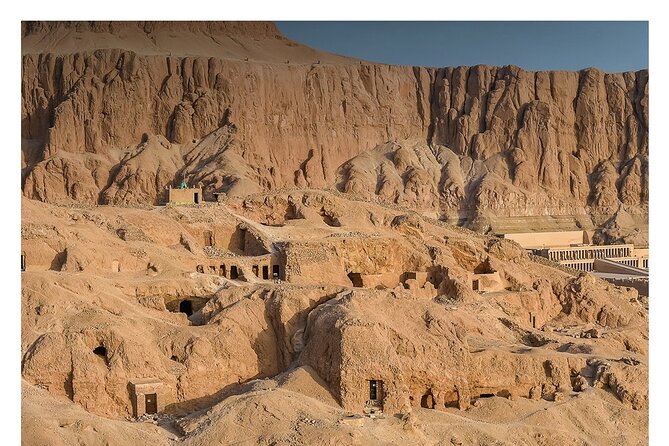
Then you go to the Temple of Hatshepsut at Deir el Bahari. Again, about 2 hours and admission included.
This stop is a strong choice because it connects back to the earlier Hatshepsut reference (the Unfinished Obelisk). If that queen is a theme for you, you’ll start to notice the repetition in how her legacy is carved into Egypt’s stone.
Colossi of Memnon and time to browse
Finally, you visit the Colossi of Memnon with free time for leisure and shopping. The listed block is about 2 hours and includes admission.
That free time is valuable. It prevents the day from turning into a constant parade. You get a chance to walk at your own speed, pick up small items, and breathe before travel.
Back to Cairo by flight and hotel transfer
After Luxor sightseeing, you’re transferred to Luxor Airport to fly back to Cairo. There’s assistance by a representative at Cairo Airport and a transfer back to your hotel.
This is one of the practical advantages of the route: you’re not reversing the whole trip by land.
Private tour feel: fewer crowds, smoother pacing, and tickets handled
This is listed as a private tour/activity, meaning only your group participates. That changes how the day feels. You’re not stuck waiting for other people’s photos to finish. You can ask a question, slow down, or move forward without negotiating with the group.
It also runs on a very “guided” structure. Many stops explicitly show admission ticket included or free, which usually means ticket logistics are managed as part of the experience rather than you buying everything on your own.
If you end up with a guide like Mr. Mahmoud (again, a name praised in the provided feedback), the biggest benefit tends to be clarity: what you’re seeing, why it matters, and where to stand for the best views. That doesn’t just improve photos; it makes the whole temple crawl easier to understand.
Meals on the cruise: you’ll eat well enough to focus on sights
The trip includes meals as follows: Breakfast (3), Lunch (3), Dinner (3).
In practice, that means you’re rarely hungry at the wrong moment. Lunches are typically on board, dinners are on board, and breakfast supports a morning departure to the next temple stop. That rhythm is exactly what you want on a multi-site Egypt trip.
What’s not included is noted as extras and personal expenses, plus tipping. So if you’re the type who wants snacks all day, plan on buying those yourself. But for the main meals, you’re covered.
Price and value: what $1,096 is really buying
At $1,096 for roughly 4 days, this is not a budget cruise. It’s priced like a private experience with key logistics handled: pickup in Cairo, flight to Aswan, cruise nights, multiple guided temple visits, and meals.
Here’s how I think about value on a trip like this:
- If you were to piece it together yourself, you’d likely spend time managing transfers, tickets, and coordinating multiple parts across cities.
- A private setup reduces friction. That matters a lot when your days are packed with temples.
- The itinerary covers major stops on both halves of the Nile story: Aswan’s temples and monuments, plus Luxor’s major complexes.
Is it worth it? For the right traveler, yes. If you care about comfort, guidance, and not wasting your limited time, this price can feel fair.
If you’re the kind of traveler who enjoys assembling your own route and tolerates extra complexity, you could possibly find cheaper group or self-booked options. But you’ll trade convenience for savings.
Practical tips so your 4 days feel fun, not frantic
A few things help you get the most out of a tight Egypt plan like this:
- Wear shoes you trust. Temple surfaces can be uneven, and you’ll do repeated walking.
- Keep water and a hat handy. You’ll be outside for many of the temple visits.
- Choose one or two themes. For example, decide you’ll focus on Hatshepsut’s references and Horus myths. You’ll understand more and remember more.
- Plan your shopping window. Luxor includes free time near Colossi of Memnon. If you want souvenirs, save your energy for that block.
Also, don’t underestimate how quickly your eyes adjust on a Nile trip. After the first day, the rhythm starts to feel natural, and the sites start reading like a connected timeline.
Who should book this private Nile cruise from Cairo?
This is a good fit if you:
- want a private plan with pickup and guided time on the ground
- prefer your travel day to feel organized rather than improvised
- want a classic Nile overview that still includes at least one “craft and techniques” stop (the Unfinished Obelisk)
- like the idea of balancing major temples with some time to breathe between them
It’s also well suited for couples and families who want one clear itinerary and fewer decisions.
If you’re solo and budget-driven, you might still enjoy it, but you’ll likely compare against more economical shared tours.
Should you book this private Nile cruise tour?
I’d book it if your priority is a smooth, guided circuit from Cairo to Aswan and back, with the highlights of Aswan and Luxor packed into 4 days without you having to micromanage every move. The combination of private service, included meals, and temple coverage makes the logistics side feel handled.
I’d hesitate if you know you hate early starts and fast pacing. Day 4, in particular, stacks major Luxor sites in one go, so your comfort with intensity matters.
If you’re ready to spend your time seeing temples and learning the stories behind them, this is a solid, efficient Nile choice.
FAQ
What is the duration of the private Nile cruise tour?
The tour runs for approximately 4 days.
Where does the tour start and what time does it begin?
It starts in Cairo at Cairo International Airport, with a listed start time of 7:00 am, after hotel pickup.
Does the tour include hotel pickup?
Yes, pickup is offered from your hotel in Cairo.
What meals are included?
Breakfast is included for 3 days, and lunch and dinner are included for 3 days.
Which main attractions are included during the Aswan part?
You visit Aswan High Dam, the Unfinished Obelisk, and Temple of Philae, after boarding the Nile cruise in Aswan.
What sites are visited in Luxor?
You tour Karnak Temple, Luxor Temple, Temple of Hatshepsut at Deir el Bahari, and the Colossi of Memnon, plus time related to the West Bank/Valley of the Kings area.
Is this tour private?
Yes. It’s listed as a private tour/activity, and only your group participates.
What is the cancellation policy?
Free cancellation is offered. You can cancel up to 24 hours in advance for a full refund; cancellations within 24 hours of the start time are not refunded.
If you want, tell me your travel month and who’s going (solo/couple/family). I can suggest how to time your days around the Cairo pickup and how to pace your Luxor day so it feels enjoyable.