Set your alarm. Abu Simbel is the prize. This overnight Luxor-to-Aswan trip is built for people who want big ancient Egypt moments fast, moving from Edfu’s Temple of Horus and Kom Ombo to Philae and Aswan High Dam before you sleep in Aswan. I like the combination of door-to-door private transfers and a comfortable 4-star overnight at the Pyramisa Isis Aswan, so the long distances don’t feel like chaos.
The only real drawback is the early start on day 2. You’ll be picked up at about 3:30 a.m., which is absolutely doable, but it will ruin your lie-in.
In This Review
- Key highlights worth planning for
- Why this Luxor to Aswan to Abu Simbel trip works in 2 days
- Price and value: what $350 gets you (and what doesn’t)
- Day 1: Edfu’s Horus temple, Kom Ombo’s double design, then Philae and the High Dam
- Aswan High Dam and the story it adds before you sleep
- Pyramisa Isis Aswan overnight: when sleep matters
- Day 2: the 3:30 a.m. Abu Simbel run and what you’ll see there
- Transfers, vehicles, and the door-to-door feel
- Entrance fees, lunches, and a few practical notes that save time
- Who this tour suits best (and who should think twice)
- So, should you book this overnight Abu Simbel trip?
- FAQ
- What is the duration of the trip?
- What are the main sights included?
- Is breakfast and lunch included?
- Are entrance fees included?
- What time is the Abu Simbel pickup?
- What type of transportation is used?
- Is there any guide included at Abu Simbel?
Key highlights worth planning for
- Edfu’s Temple of Horus and Kom Ombo’s double temple in the same day, with guided context to make the carvings make sense
- Philae Temple and Aswan High Dam give you the full arc: ancient religion plus modern Egypt
- Pyramisa Isis Aswan overnight, so Abu Simbel doesn’t turn into a 20-hour day
- Private A/C vehicles for the long drives, plus bottled water
- Abu Simbel with an on-site local guide plus the small Temple of Nefertari near it
- Highly organized timing; one guide name that comes up is Hani, especially for smooth pickups and punctual drop-off
Why this Luxor to Aswan to Abu Simbel trip works in 2 days
This tour is made for a very specific problem: Abu Simbel is far from Luxor, and most people don’t want to lose an entire extra day just to get there. By sleeping in Aswan, you turn a brutal itinerary into something manageable: temple touring by day, sleep by evening, then Abu Simbel in the early morning.
I also like that the day 1 route doesn’t feel random. Edfu and Kom Ombo are on the Nile corridor for a reason, and the stops build from one temple style to another. Then day 1 finishes with Aswan High Dam, so you get both ancient and modern explanations in the same rhythm.
If your main goal is Abu Simbel plus a couple of heavyweight temples on the way, this is a strong match. If you’re chasing slow travel and long museum time, you might find the pacing a bit tight.
You can also read our reviews of more tours and experiences in Luxor.

Price and value: what $350 gets you (and what doesn’t)
At $350 per person, you’re paying for the big-ticket parts that often cost time and stress: private A/C transport, hotel pickup/drop-off, and an overnight in Aswan. You also get breakfast and lunch during the trip, bottled water, plus a local guide at Abu Simbel.
What’s not included is entrance fees and tips. That’s normal for Egypt tours, but it matters for budgeting. So when you estimate the total, plan for entrance costs on top of the base price, and remember that tipping is expected.
Where the value really shows up is in the logistics. Private vehicles mean fewer waits, and door-to-door transfers reduce the guesswork. Also, the tour includes all transfers between Luxor and Aswan, which is exactly what usually makes people hesitate about Abu Simbel.
Day 1: Edfu’s Horus temple, Kom Ombo’s double design, then Philae and the High Dam
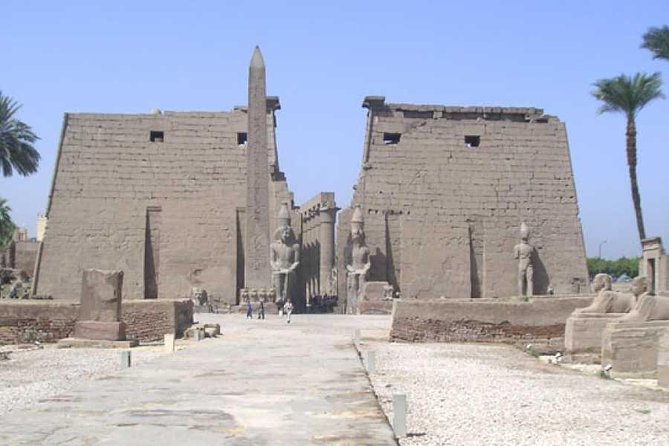
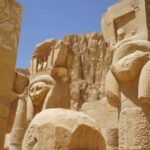
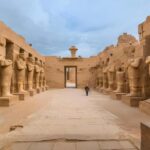
Day 1 is packed, but it’s packed with meaning. You start with Temple of Horus in Edfu, one of Egypt’s best-preserved temple complexes. This stop is about more than taking photos. You’ll be able to understand why the temple is tied to Horus-Apollo (and why the temple name in later eras is often connected to that Apollo association). Even without memorizing dates, you’ll come away with a clearer sense of how the ancient Egyptians organized their sacred spaces.
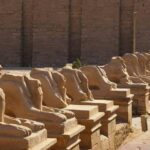
Next comes the Temple of Kom Ombo, famous for its unusual double layout. The core idea is duplication: courts, halls, sanctuaries, and rooms built for two sets of gods. I like this stop because it turns temple touring into a puzzle. Instead of one “main” story, you start seeing two religious tracks running side by side, and that makes the carvings feel less random.
Philae Temple and Aswan High Dam round out the day in a smart way. Philae connects you to living religious themes of the Nile world, while the High Dam visit shifts gears to modern Egypt and why the river matters even today. That contrast is useful: you understand Abu Simbel better once you know what changed around it, since Abu Simbel itself was preserved because of Nile-related impacts.
Timing-wise, the plan is designed so you reach Aswan and the Pyramisa Isis Aswan hotel in the late afternoon, with overnight built in. The whole day runs on a “see, learn, move” rhythm, so you’ll likely want comfy shoes and water-ready habits.
Aswan High Dam and the story it adds before you sleep
The Aswan High Dam stop lasts around 30 minutes. It’s short on purpose. The goal isn’t to turn this into an engineering tour. Instead, it gives you the essential context: major 20th-century changes along the Nile have direct consequences for what survives, what gets moved, and what needs protection.
I like this kind of stop because it prevents a common frustration. Without context, Abu Simbel can feel like just another huge temple in a remote place. With the High Dam visit, it becomes clearer why a rescue-and-relocation story was necessary, and why the temples are still reachable today.
Pyramisa Isis Aswan overnight: when sleep matters
You’re overnighting at Pyramisa Isis Aswan, a 4-star option included in the price. Having a real hotel night is what makes the next morning workable. You don’t just “pass through” Aswan—you get a place to reset.
What you’ll likely appreciate most is the practicality. You can recharge, freshen up, and plan for the very early start the next day. Because your pickup for Abu Simbel is at about 3:30 a.m., sleep is not optional.
Also, the tour provides bottled water. That’s a small detail that adds up, especially once the day becomes long again.
Day 2: the 3:30 a.m. Abu Simbel run and what you’ll see there
Day 2 is the payoff. After breakfast at the hotel, you’re picked up around 3:30 a.m. and driven by private A/C vehicle to Abu Simbel. Arrival is around 7:00 a.m., which means you’re seeing the temples early in the day rather than after hours of heat and crowds.
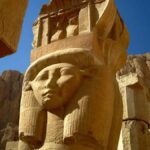
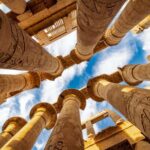
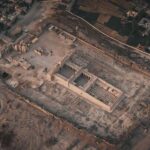
Abu Simbel is two temples carved into a sandstone rock cliff: the colossal Temple of Abu Simbel built by Ramses II, plus the smaller Temple of the King’s wife Nefertari dedicated to the goddess Hathor. The big temple’s façade is the star, with deity representations carved across the massive front. The small temple matters too, because it gives you a human-scale counterpoint that you’ll miss if you only rush the main façade.
The tour includes a local guide at Abu Simbel, which is a big deal. A good guide helps you interpret what you’re looking at—what each part signals and why the site was designed the way it was. If you’ve ever seen temples and felt like you were staring at impressive stone without a map, this is where the guidance earns its keep.
After the Abu Simbel visit, you’re transferred back to Aswan. The schedule provided indicates you’ll head back around midday, with return reaching Aswan by about 12:00–13:00 depending on timing. That also explains why some people are able to connect to flights later in the day.
One review detail that stuck with me: guide Hani is specifically mentioned for being organized across the whole two-day rhythm—pickup, temple stops, hotel night, Abu Simbel, then a punctual drop-off at Aswan Airport timed for a Cairo flight. If you get a guide like Hani, it’s a confidence boost when you’re dealing with an early wake-up.
Transfers, vehicles, and the door-to-door feel
This is one of those tours where the “how you get there” really matters. Transfers are by private A/C vehicles, and you get hotel pickup and drop-off. That reduces friction in a region where getting yourself across distances can eat up your energy fast.
The tour includes round-trip transfer coverage between Luxor and Aswan, so you’re not stuck negotiating rides for part of the route. If you hate arriving somewhere exhausted and then searching for transport, this structure is exactly the relief you want.
Also, the tour includes bottled water. On day 2, with the early hours and a long drive, that helps you stay comfortable without scrambling.
Entrance fees, lunches, and a few practical notes that save time
Entrance fees are not included, and tipping is not included. That means you’ll want to budget for those extras before you go. Bring a plan for paying on site and keep some smaller bills or local cash ready.
Lunch is included, and it’s described as two lunches across the trip. That’s a real time saver in a schedule this tight. You’ll still want to keep snacks handy if you’re the type who gets hungry early, but having set meals included makes the itinerary smoother.
There’s also a note about police permissions that must be done before 6:00 p.m. This affects confirmation timing. If you’re booking late in the day, you’ll want to plan ahead so you don’t run into the cutoff.
Who this tour suits best (and who should think twice)
This tour fits best if you want a structured “greatest hits” plan: Edfu, Kom Ombo, Philae, Aswan High Dam, then Abu Simbel. It also suits people who value comfort during long transfers and who don’t mind waking up early for a once-in-a-lifetime site.
It might be less satisfying if you prefer slow mornings, long temple wandering, and lots of downtime between stops. Day 1 is already a full schedule, and day 2 starts before dawn. You’ll be touring with purpose, not taking your time to meander.
If your travel style is practical and you like having someone else handle timing, this is a good match. If you’d rather build your own schedule and linger, you might find the pace limiting.
So, should you book this overnight Abu Simbel trip?
If Abu Simbel is on your must-see list and you’re short on time, I’d book it. The best reason is simple: it’s one of the few ways to stack major stops between Luxor and Aswan without turning Abu Simbel into a full extra day.
The value comes from the private A/C transport, the included overnight at the Pyramisa Isis Aswan, and the fact that you get guided support at the places where explanations really matter—especially Abu Simbel. And the timing has a track record of smoothness, with guide Hani being called out for organized pickups and punctual airport drop-off.
Just go in with eyes open. You are trading sleep and flexibility for speed and access. If that sounds fair, you’ll likely feel like the schedule paid off. If you hate early mornings, consider a different plan—or at least prepare yourself for the 3:30 a.m. wake-up.
FAQ
What is the duration of the trip?
The tour is listed as 2 days (approx.).
What are the main sights included?
You’ll visit Edfu’s Temple of Horus, Kom Ombo’s Temple, Philae Temple, Aswan High Dam, and the Abu Simbel Temples.
Is breakfast and lunch included?
Yes. The tour includes breakfast and lunch (two lunches are listed), plus bottled water.
Are entrance fees included?
No. Entrance fees are not included in the tour price.
What time is the Abu Simbel pickup?
You’ll be picked up at about 3:30 a.m. from Aswan and arrive around 7:00 a.m.
What type of transportation is used?
Transfers are by private A/C vehicles, and the tour includes hotel pickup and drop-off.
Is there any guide included at Abu Simbel?
Yes, there is a local guide at Abu Simbel Temple included.