REVIEW · LUXOR
Luxor East Bank (Karnak tample & Luxor Temple)
Book on Viator →Operated by Luxor Private Trips · Bookable on Viator
Luxor East Bank can feel chaotic fast, so a private guide keeps your morning calm and efficient. This half-day tour focuses on the two big names you came for: Karnak Temple and Luxor Temple, with clear explanations timed to what you care about and photo-friendly moments like the Avenue of the Sphinxes. I especially like that guides such as Miriam Samuel and Amro Kamel are known for energy and real details, so the temples stop feeling like random stones.
One thing to plan around: Luxor can be hot, and the east bank streets can get pushy. If you’re visiting during the hottest stretch, start early, wear breathable clothes, and treat it like a walk-and-wait day, not a sit-and-tour day.
In This Review
- Key Things I’d Note Before You Go
- Luxor East Bank Street Stress vs. a Private Temple Plan
- How Pickup, Private Timing, and Transport Make It Easier
- Karnak Temple: Sphinx Avenue, 134-Column Hypostyle Hall, and the Big Sacred Lake
- Avenue of the Sphinxes: Your Photo Moment with a Story
- Hypostyle Hall: 134 Columns That Change How You See Space
- Obelisks and a Sacred Lake/Large Pool
- Luxor Temple: Amun-Re Sun God, Multiple Pharaoh Builders, and a Different Atmosphere
- What’s Worth Watching for on Site
- The Bonus of Private Explanations
- Photos and Walking: How to Get the Best Shots Without Burning Your Day
- Value Check: Is $58 Per Person Worth It?
- Who This Tour Fits Best (and Who Might Want Another Option)
- A Quick Reality Check: What to Expect During the 4 Hours
- Small Things That Make a Big Difference
- Should You Book This Luxor East Bank Tour?
- FAQ
- How long is the Luxor East Bank (Karnak & Luxor Temple) tour?
- Is hotel or cruise pickup included?
- Are admission tickets included for Karnak and Luxor Temple?
- What is the price per person?
- What does the tour include besides the guide?
- Is this a private tour?
- What are the two main sites visited?
- Is Egypt entry visa included?
- Do I need to tip?
- Can I cancel for a refund?
Key Things I’d Note Before You Go
- Private pickup and hotel-to-temple flow so you’re not juggling other groups or street hassle.
- Karnak’s Avenue of the Sphinxes and Hypostyle Hall (134 columns) for classic, mind-bending scale.
- Luxor Temple with Pharaoh names you can actually connect to what you’re seeing on site.
- Tickets included for both temples, so your money goes to the guide and comfort, not paperwork.
- Air-conditioned transport and bottled water, which matters more than you’d think in the heat.
- Guides who can keep pace flexible, with a knack for answering questions on the spot.
Luxor East Bank Street Stress vs. a Private Temple Plan
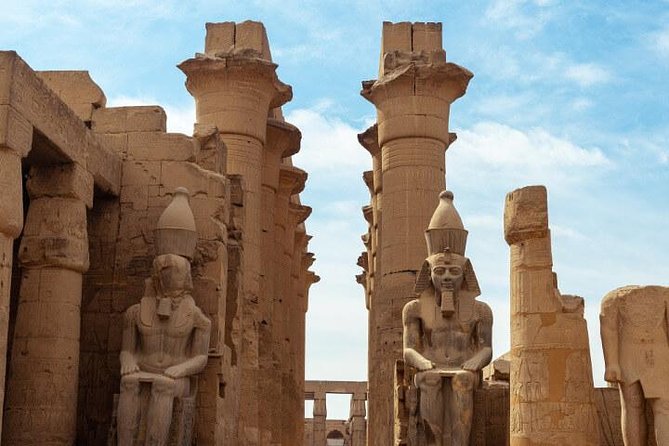
Luxor’s east bank is where the major temple sites are, and it can come with persistent touts and constant “taxi? guide? ticket?” energy. For me, the value of a private format is simple: you spend your time looking at temples, not negotiating your way to them.
This tour is built around a clean rhythm. A qualified Egyptologist meets you at your hotel or cruise pickup point, then you go temple to temple in an air-conditioned vehicle. You’re not waiting for other travelers to appear, and you’re not trying to decode the site without a translator and context.
You also get a practical advantage: your guide can shape the explanations to your interest. Want religion and symbolism? They’ll lean that way. Prefer architecture and major monuments? They’ll point out what matters.
You can also read our reviews of more tours and experiences in Luxor.


How Pickup, Private Timing, and Transport Make It Easier
The tour starts in Luxor city with pickup offered, and that matters on a day like this. In Egypt, short delays can balloon—so removing uncertainty is a win. You also avoid the awkward question of how to get from one temple area to the other without wasting your best daylight.
The vehicle is air-conditioned, and bottled water is included. Those two details are more than comfort perks. They help you stay focused and keep your energy for the longer walking and photo stopping once you’re on site.
It’s also truly private: only your group participates. That’s a big deal at temples, where crowds can make it hard to ask questions or pause when you spot a detail you want to photograph. Private time means you can slow down without feeling like you’re holding everyone up.
Karnak Temple: Sphinx Avenue, 134-Column Hypostyle Hall, and the Big Sacred Lake
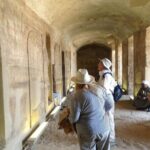
Karnak Temple is the kind of place where you feel small in the best way. The scale is the headline, but the details are where your mind locks in: there are layers of kings, gods, and building campaigns that you can connect when you have a guide.
You’ll spend about 2 hours at Karnak, and admission is included. Expect a guided route that hits the top icons rather than a vague “see everything” sweep. That’s smart, because trying to cover Karnak without structure is like trying to read a book while someone keeps handing you new chapters.
Avenue of the Sphinxes: Your Photo Moment with a Story
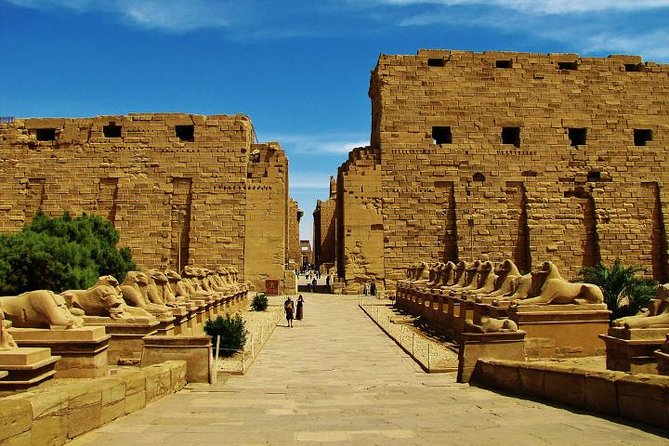
One of Karnak’s most recognizable features is the Avenue of the Sphinxes of King Ramses II. Even if you’ve seen photos before, seeing it in person gives you scale. The row helps you understand the processional design—this was meant for ceremonial movement, not just sightseeing.
For photos, plan your timing. The avenue is long, so you can step into position, take a series, and move before crowds tighten. Your guide can point out what to look for beyond the obvious faces.
Hypostyle Hall: 134 Columns That Change How You See Space
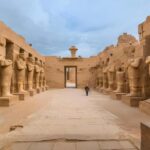
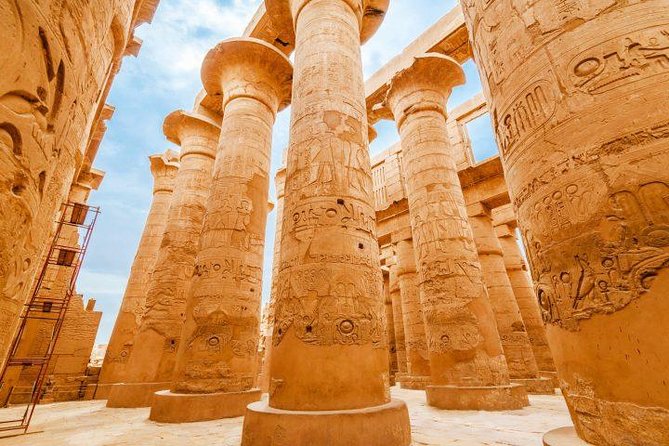
Karnak’s hypostyle hall is famous for having 134 columns. What’s useful here isn’t just the number—it’s how the room forces you to look up and then out. With a guide, you’ll be less likely to miss what the columns and ceiling space are doing to the eye.
If you like architecture, this is where your brain gets a workout in a good way. If you don’t, it’s still worth your attention because it instantly communicates power and planning, not random monument-building.


Obelisks and a Sacred Lake/Large Pool
You’ll also see obelisks and a very large ancient “lake,” described as a swimming pool in the tour overview. In practical terms, it’s one of those features that sounds weird until you connect it to the temple’s intended sacred functions.
The value of time here is that you don’t just stand next to big objects. You learn what they were for and why they were placed where they were. That turns “I saw Karnak” into “I understand the layout.”
Luxor Temple: Amun-Re Sun God, Multiple Pharaoh Builders, and a Different Atmosphere
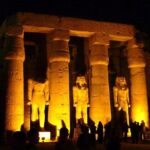
After Karnak, the tour continues to Luxor Temple for another 2 hours with entry included. Luxor Temple feels more approachable than Karnak because it’s easier to mentally map. Still, it’s not small, and it’s loaded with symbolism once you know what to look for.
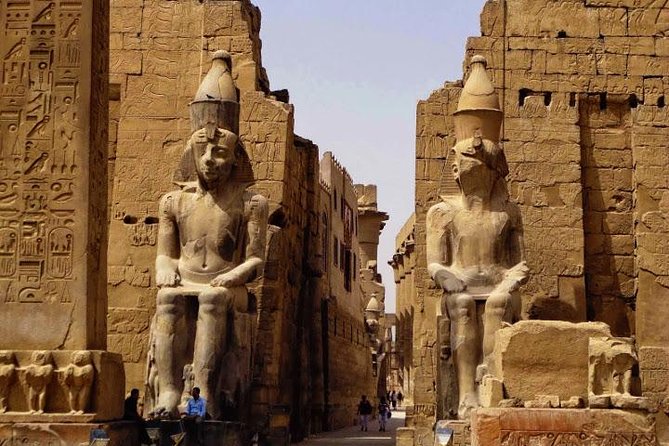
Luxor Temple was built or developed by pharaohs including Ramses, Amenhotep, and Hatshepsut, and it was dedicated to the sun god Amun-Re. That focus—one major deity, connected to multiple rulers—helps your visit feel cohesive instead of scattered.
What’s Worth Watching for on Site
With a guide, you’ll learn how to connect the temple’s features to the religion behind it. You’ll also get help identifying why certain elements exist, rather than just naming them.
Even if you’re not an Egyptology nerd, this is the type of stop where knowing the purpose of a monument makes it click. Luxor Temple isn’t only about being old; it’s about being a living system of beliefs, power, and ritual design.
The Bonus of Private Explanations
One repeated theme from strong guides is that they answer questions without rushing you. Guides like Miriam Samuel and Amr (as named in past experiences with this provider) are noted for enthusiasm and communication, which is exactly what you want when you’re standing in front of carvings that look similar until someone points out the key differences.
Photos and Walking: How to Get the Best Shots Without Burning Your Day
A half-day tour means you should protect your energy. Luxor’s weather can shift quickly, and the east bank can be crowded. Even without getting lost in details, you’ll be walking between key areas and stopping for photos.
A practical tip from a field-tested mindset: wear what you can walk in for real distances. That means comfortable, grippy shoes and light layers. Bring sunscreen and a hat if you use them; the tour doesn’t list special gear, but the sites require it in hot conditions.
If you’re traveling in a very hot season, plan like the locals: start early and take shade breaks when they come. One piece of advice you’ll often hear for Luxor is to avoid slow sightseeing in peak heat, since temperatures can get brutally high (some guidance even points near 50°C). For this tour, the morning timing is your friend.
Value Check: Is $58 Per Person Worth It?
Let’s talk value, not just cost. At $58 per person, you’re paying for a qualified Egyptologist guide, air-conditioned vehicle, bottled water, and admission tickets included for both Karnak and Luxor. You’re also getting private transportation and all fees and taxes included.
Here’s why that’s good value in practice:
- Tickets included means you’re not piecing together entry costs while also trying to find the right ticket lines.
- A guide reduces wasted time. If you miss the “why” and “what,” you’ll spend extra time re-reading, re-watching, or feeling underwhelmed.
- Private pickup and drop-off protects your morning. Short delays can ruin temple timing.
What’s not included is entry visa to Egypt and tipping. So build your budget accordingly. Also, the tour overview doesn’t mention extras, so it’s best to assume you’ll pay for any additional snacks or personal purchases on your own.
Who This Tour Fits Best (and Who Might Want Another Option)
This is a strong choice if you want two major temples with a clear route and minimal hassle. It’s also ideal if you don’t want to deal with the street-side stress of figuring out directions, bargaining, and rerouting.
You’ll likely enjoy it most if:
- You like learning what you’re seeing, not just ticking boxes.
- You prefer a calm schedule with personal time for questions.
- You’re short on days in Luxor and want the top highlights on the east bank in one morning.
If you’re the type who loves getting lost and exploring without structure, this tour still helps, but you may want to add extra free time on your own after the scheduled stops. The tour is designed for efficiency, not meandering.
A Quick Reality Check: What to Expect During the 4 Hours
The duration is about 4 hours, split into 2 hours at Karnak and 2 hours at Luxor. That’s not a full-day pace, so you should come with the expectation that you’ll cover the key monuments, then move on.
You’ll be outdoors for much of it, especially at Karnak and along major temple pathways. That’s where heat and walking matter, so plan for comfort.
The “private” part is the practical lifesaver. Your guide can keep the day flowing without the typical stop-start energy that comes when groups are assembled and disassembled.
Small Things That Make a Big Difference
These details sound minor, but they’re the difference between a good morning and a tiring one:
- Bottled water included: use it early, not just at the end.
- Air-conditioned vehicle: you’ll feel it once you’re back in the car.
- Admission tickets included: it reduces friction and time spent handling entry.
- Local guide guidance: you’ll notice carvings and layout elements you’d otherwise miss.
And if you like friendly, human touches, the guides linked to this provider have been described as flexible and helpful. One guide named Amro Kamel is even noted for finding fresh date bread when hunger hit, which shows the kind of practical care you want from a guide.
Should You Book This Luxor East Bank Tour?
Book it if you want Karnak and Luxor Temple done in a smart, low-stress way with a guide who can explain what matters. With tickets included, pickup, and a private pace, you’re buying time and clarity—two things that are hard to replace once your morning is gone.
Skip or reconsider if you’re traveling ultra-budget and you’re comfortable navigating the sites on your own. Also think twice if you plan to tour in extreme heat without any early-morning strategy; you’ll enjoy the monuments more when you protect your energy.
If your goal is simply to see the biggest hits—Avenue of the Sphinxes, the hypostyle hall with 134 columns, and Luxor Temple tied to Amun-Re—this is a clean way to do it.
FAQ
How long is the Luxor East Bank (Karnak & Luxor Temple) tour?
It’s about 4 hours in total, with roughly 2 hours at Karnak Temple and 2 hours at Luxor Temple.
Is hotel or cruise pickup included?
Yes. Pickup is offered, and your guide will meet you to start the east bank tour.
Are admission tickets included for Karnak and Luxor Temple?
Yes. Admission tickets are included for both stops.
What is the price per person?
The price is $58.00 per person.
What does the tour include besides the guide?
It includes a qualified professional Egyptologist guide, an air-conditioned vehicle, all fees and taxes, bottled water, and private transportation.
Is this a private tour?
Yes. It’s private, and only your group participates.
What are the two main sites visited?
You visit Karnak Temple first, then Luxor Temple.
Is Egypt entry visa included?
No. Entry visa to Egypt is not included.
Do I need to tip?
Tipping is not included in the tour price.
Can I cancel for a refund?
Yes, you can cancel for free up to 24 hours in advance for a full refund. If you cancel less than 24 hours before the start time, you won’t get a refund.