REVIEW · LUXOR
Luxor East and West Bank: Valley of the kings, Habu Temple,Karnak&Luxor Temples
Book on Viator →Operated by Egypt Gift Tours · Bookable on Viator
Luxor feels split in two, and this tour makes it click. You get a private guided day with an Egyptologist, plus air-conditioned transfers that keep you from wasting hours in transit. I like that you cover major sites on both banks without trying to juggle logistics yourself; one thing to plan for is that tombs have limits (you get outside guidance, and some famous tombs cost extra).
From the Valley of the Kings to Karnak and Luxor Temple, you’ll move through Egypt’s royal afterlife beliefs and its living temple culture in one long day. It runs about 8 hours, with hotel or Nile cruise pickup and return, and it includes bottled water so you can focus on the sights (not the small stuff).
In This Review
- Key points to know before you go
- The East and West Banks: why this day tour works
- Getting picked up and moving efficiently (without feeling rushed)
- Valley of the Kings: three tombs, outside explanations, and smart ticket choices
- Medinat Habu (Habu Temple): Ramesses III and the labor strike story
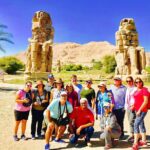
- Colossi of Memnon: a quick photo stop with big statue energy
- Karnak Temple: 2,000 years of temple-building and god stories
- Luxor Temple: obelisk, royal building, and layered religious use
- Price and what you actually get for $90
- Lunch option and how to stay comfortable all day
- Guides who can make or break Luxor (based on real patterns)
- Should you book this Luxor East and West Bank tour?
- FAQ
- What’s included in the tour price?
- Are entrance fees included?
- How many tombs will I visit in the Valley of the Kings?
- Will I have a guide inside the tombs?
- Do I need extra tickets for famous tombs?
- Is lunch included?
- Is this tour private?
- Where does pickup happen?
- Can I pay for entrance fees with a card?
- What if I need to cancel?
Key points to know before you go
- Private format: only your group goes, so you can ask questions without waiting your turn.
- Egyptologist guidance: history tied to what you’re actually seeing, not generic facts.
- East and West Bank combo: you get both sides of Luxor’s story in one day.
- Valley of the Kings rules: explanations happen from outside, and you see three selected tombs open that day.
- Habu Temple context: Ramesses III’s mortuary complex includes the famous labor strike story.
- Ticket costs separate: entrance fees for key sites are not included, and some tombs require extra tickets.
The East and West Banks: why this day tour works
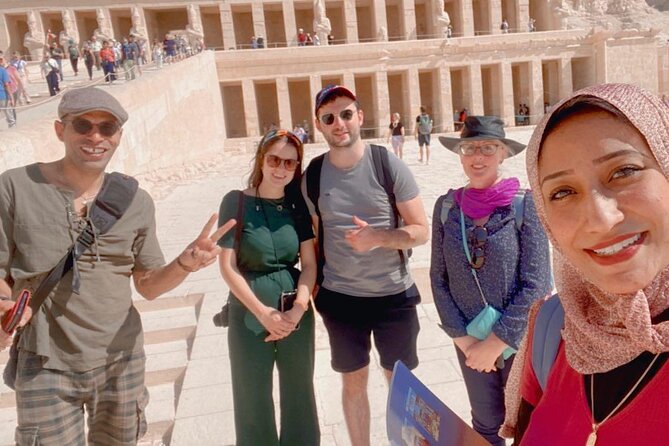
Luxor is famous, but the real magic is how different the two halves feel. The West Bank is about eternity—royal tombs carved into cliffs, with quiet lanes and steep access where time slows down. The East Bank is about ongoing power—temples built, expanded, and reused across centuries, until Egyptian sacred space blended into later Christian and Islamic layers.
This tour strings those themes together in a logical flow: you start with the West Bank sites first, then cross back to the East Bank for Karnak and Luxor Temple. That order matters because it matches the feel of the day: one morning leaning into the afterlife, then an afternoon surrounded by monumental temple halls.
The private setup helps too. Even if you’re the kind of traveler who likes questions mid-sentence, you’re not stuck listening to a small group wait at the back. If you’re traveling solo, the day also becomes easier to manage—especially for photo stops—because you’re not trying to herd your own pace across multiple entrances.
You can also read our reviews of more tours and experiences in Luxor.

Getting picked up and moving efficiently (without feeling rushed)
Your day starts with pickup from your Luxor hotel or Nile cruise by a driver using a private air-conditioned vehicle. The transfer time to the West Bank is roughly 35–40 minutes, which is long enough to reset your brain but not so long that you lose the day.
What I like about the way this is set up is simple: you’re not spending your time negotiating taxis, locating meeting points, or asking staff where the best entrance is. You also get one bottle of water during the tour, which is a small detail that adds up in heat.
The other practical win: timing is structured around the big sites. You’ll spend real time at the Valley of the Kings and Habu Temple, then move into Karnak and Luxor Temple afterward. If you’ve ever done Luxor on your own, you know the temptation is to “just pop in”—and then you end up with half a visit. Here, the pacing is built for staying focused.
One consideration: hotel pickup times can vary slightly. The day begins with hotel pickups that commence prior to the tour start, so it’s smart to confirm your exact pickup window with the local provider.
Valley of the Kings: three tombs, outside explanations, and smart ticket choices
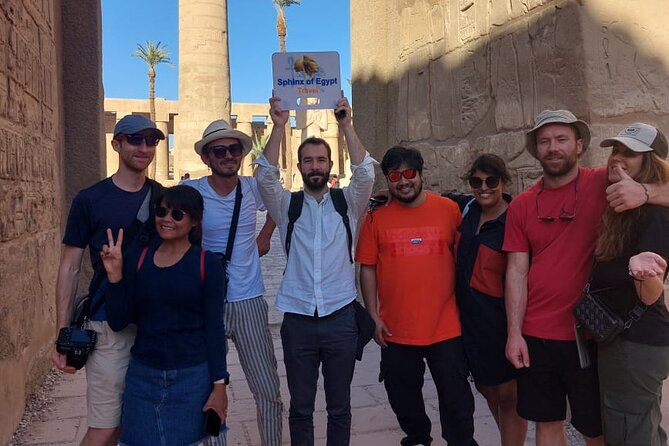
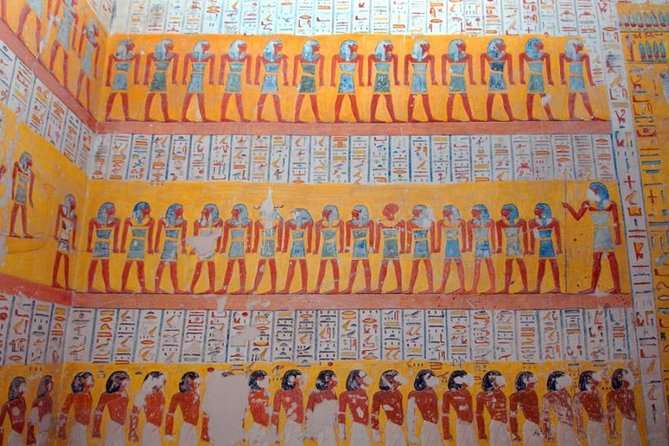
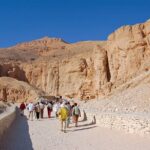
The Valley of the Kings is where the story becomes physical. Pharaohs of the New Kingdom carved tombs into the mountains, aiming to hide treasures and protect mummies from the outside world. Even before you enter a tomb, the terrain and the entrance locations give you the sense of secrecy and security they were trying to create.
Here’s how the guiding works: your Egyptologist will explain things from the outside, because guiding inside the tombs isn’t part of this format. That’s actually helpful for most visitors. It keeps the group moving, and it means you’re not stuck in a crowded, quiet space trying to hear over the walls. It also fits the practical reality of tomb access rules.
You’ll then explore three selected tombs from the ones open that day. That selection approach is valuable—Valley of the Kings can eat a day if you chase everything. Seeing three, well-framed, is usually the sweet spot between variety and understanding.
Two ticket notes you should take seriously:
- Some tombs, including Tut Ankh Amun, Seti I, and Ramses VI, have extra tickets.
- The tombs you see are “best 3 selected” from open options, so what you get can depend on which tombs are available.
If your priority is a specific tomb (especially Tutankhamun), plan ahead for the additional ticket cost.
Medinat Habu (Habu Temple): Ramesses III and the labor strike story
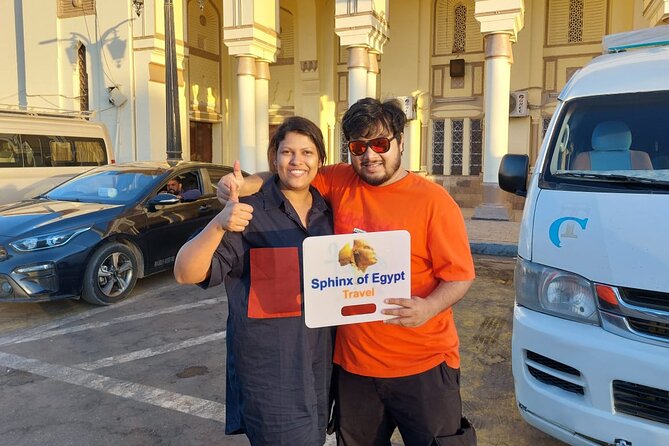
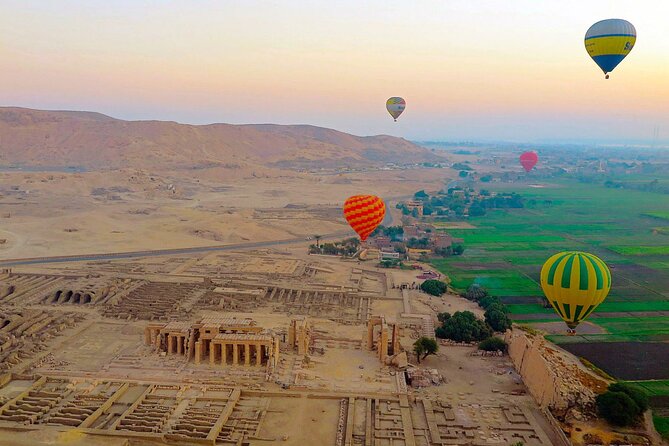
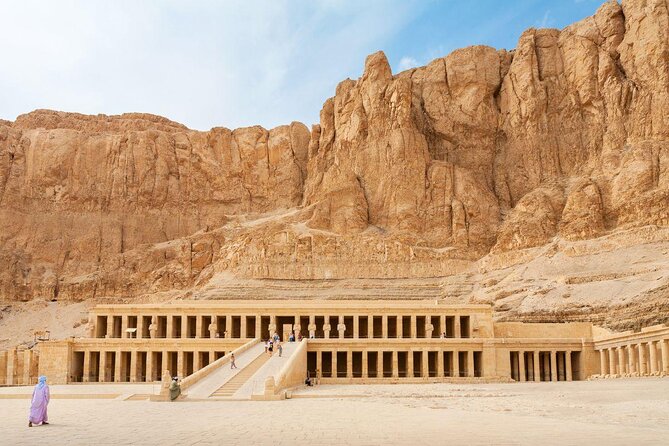
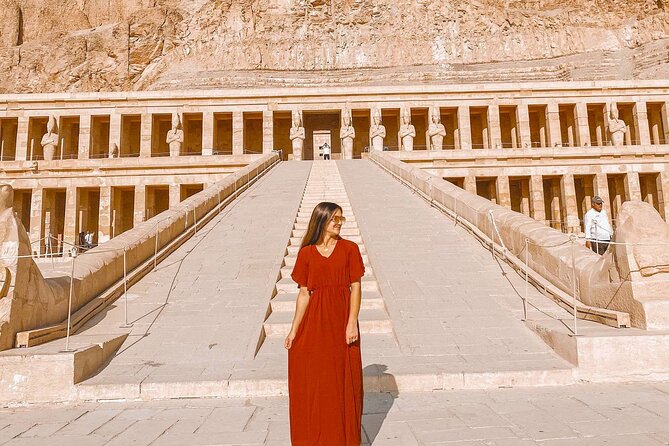
Next comes the Temple of Medinat Habu (often referred to in tours as Habu Temple), at the southern end of the Theban Necropolis. This is the kind of site that rewards a guide who can connect facts to what you’re standing in front of.
The standout theme here is the story tied to Ramesses III: the complex is described as the setting for the first labor strike in history against their king. That’s the sort of detail that makes a temple feel more human. You’re not only looking at carved worship and royal propaganda; you’re also hearing how ordinary people interacted with power.
This memorial temple is also noted for being one of the best-preserved in Egypt, surrounded by a massive mud-brick enclosure wall. That wall detail matters because it changes how you perceive the building. You’re not just seeing isolated stone. You’re seeing a fortified, enclosed world.
The timing here is generous enough—about 1 hour 30 minutes—to slow down and look at the architecture without feeling like you’re being pushed past photo angles.
Entrance fees are not included, so you’ll pay onsite (card is mentioned for entrance fees). Bring a card you can use smoothly, and keep a little cash for small extras.
Colossi of Memnon: a quick photo stop with big statue energy
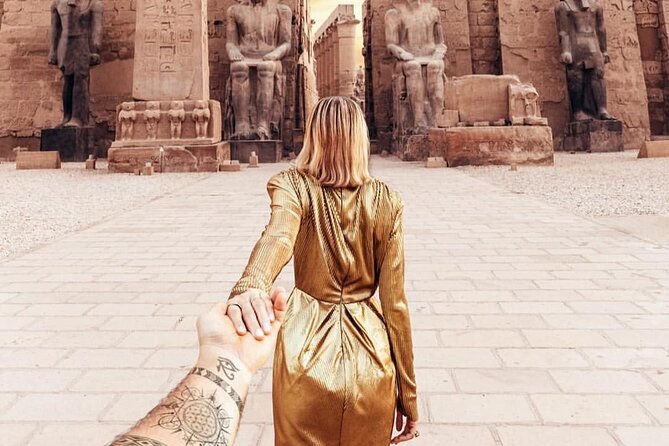
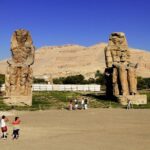
Then you get a classic West Bank moment: the Colossi of Memnon. These are massive statues—about 17 meters tall—once linked to a grand mortuary temple connected with Amonhotep III.
In practice, this stop is mostly about photos and perspective. You’ll see the statues up close and get a clear sense of scale. It’s also a good breather between tomb and temple sites. The pacing in Luxor can get intense, and a short, focused stop helps you reset.
The tour frames this as a photo stop, with a 10-minute slot. If you’re traveling with a lot of photo gear, this is one reason to keep your movements organized: don’t spend the whole time troubleshooting your camera setup.

Karnak Temple: 2,000 years of temple-building and god stories
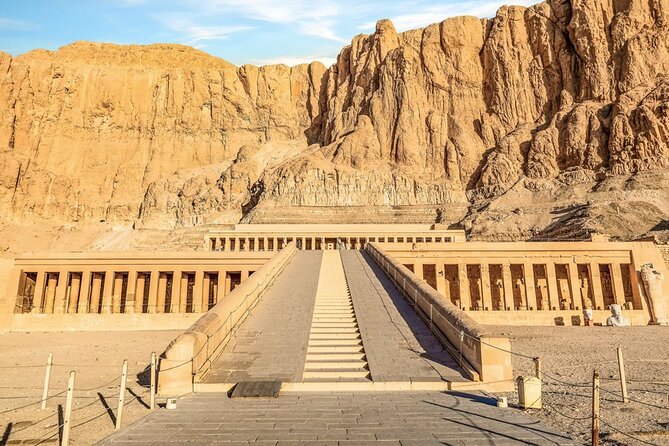
Cross to the East Bank, and Karnak Temple takes over. This is the largest temple complex, described here as built through 2000 years and covering about 63 acres. That scale can be dizzying if you’re not given a way to interpret what you’re seeing.
What I appreciate is that the guiding centers on the stories and legends of ancient Egyptian gods as you move through enormous halls and pillars. Without that framing, Karnak can feel like you’re looking at impressive architecture without understanding why any particular structure matters.
You’ll have about 1.5 hours here. That’s enough time to get a sense of the complex’s major sections, and it’s also long enough to notice repeating motifs—columns, processional space, carved religious meaning—rather than just snapping pictures and leaving.
Entrance fees for Karnak are not included, so plan for the payment at the site. The tour notes entrance fees are paid by card, which is a helpful detail if you prefer not to carry extra cash.
Luxor Temple: obelisk, royal building, and layered religious use
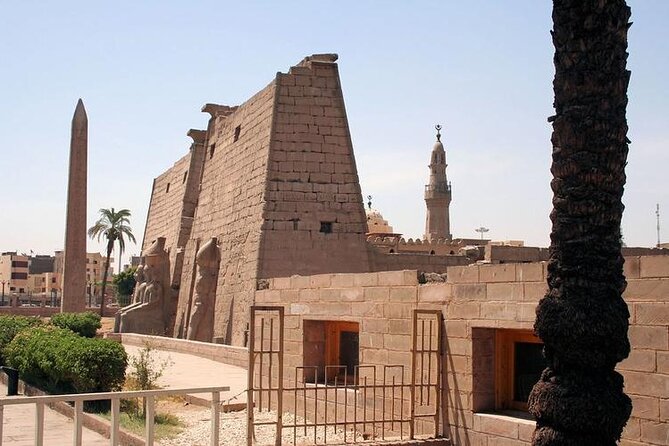
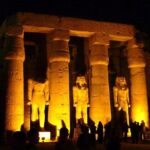
Your day finishes on the East Bank with Luxor Temple, capped by that distinctive obelisk and a mix of statues connected to multiple rulers. The obelisk and parts of the temple are described as first built by Amonhotep III and completed by Ramesses II.
Luxor Temple is also described as showing ancient Egyptian, Christian, and Islamic features. That matters because it reminds you the story of sacred space in Luxor didn’t end with Egypt’s pharaohs. The site was reused and reinterpreted as different faith communities came later.
You’ll spend about 1.5 hours here. It’s a good ending point because the temple’s layout gives you options for wandering slowly and catching different angles. If you want a strong final set of photos, this is where you’ll usually have the most visual variety.
After that, you return to your hotel in Luxor. The tour includes round-trip transfers, so you’re not left figuring out your ride after a long day.
Price and what you actually get for $90
At $90 per person, the headline price is easy to understand, but the real value comes from what’s included. This price covers:
- Private air-conditioned transfers
- Pickup and return from your Luxor hotel or Nile cruise
- A qualified English-speaking Egyptologist guide
- One bottle of water
Entrance fees are not included for Valley of the Kings, Habu Temple, Karnak, and Luxor Temple. That’s a key point for budgeting. The tour also notes extra tickets for certain tombs (Tut Ankh Amun, Seti I, Ramses VI). So your true trip cost is price plus whatever entrances and add-ons you choose.
Still, the format is usually good value for a first Luxor visit. A lot of the difficulty in Luxor isn’t the sites—it’s getting between them efficiently while learning what you’re looking at. Paying for a guide and private vehicle reduces decision fatigue. You get a day plan, and you get someone who can explain meaning while you’re standing in front of the carvings.
If you’re traveling with a small group, the private setup is especially worthwhile. You’re not paying for the guide and driver as a fixed cost you can’t share; it’s a shared experience that still feels tailored.
Lunch option and how to stay comfortable all day
Lunch is optional in a local restaurant. That means you can decide based on your energy level and the weather that day. In Luxor, the biggest risk isn’t hunger—it’s heat and dehydration, especially if you walk more than you think.
The tour includes a bottle of water, but it also notes you’ll need cash for water, drinks, and tipping. That’s practical advice. Bring a small amount of Egyptian pounds (or whatever you prefer for small purchases) so you’re not stuck at a counter with no cash.
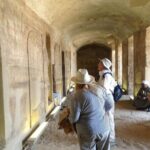
For comfort, wear light clothing and shoes that handle uneven stone walkways. Tomb-related stops can involve stairs and narrow corridors, even when you’re not going into every tomb.
And don’t forget: tomb visits have guiding limitations. Since the explanation inside tombs isn’t part of this format, you’ll want to listen carefully outside and take time to look inside on your own. That works best if you’re mentally ready for quiet spaces and low-light viewing.
Guides who can make or break Luxor (based on real patterns)
One big theme in past feedback for this tour style is that the guides are the difference between seeing monuments and actually understanding them.
Names that come up again and again include Mona, Heba, Hatem, Hany, Laila, Shaimaa Baheeg, and a driver Eslam (plus driver Islam). What stands out is practical, human help:
- Mona is praised for being personable and funny, and for English that makes complex details easy to follow.
- Shaimaa Baheeg is specifically mentioned for helping a solo traveler with temple photos, including using her own phone to improve shots.
- Hany and Eslam are noted for getting a stressed schedule back on track when a train arrived late.
- Islam is described as patient and polite, waiting through a two-hour plane delay and using a clean new car.
You might not get the same guide, but these patterns tell you what to look for when you arrive: clear explanations, good pacing, and someone willing to help with real-world moments like photos or time pressure.
Should you book this Luxor East and West Bank tour?
I’d book this tour if you want:
- A first-time Luxor overview that still feels serious
- A guide who connects Egyptian religion to what you see in the Valley of the Kings, Karnak, and Luxor Temple
- Private, air-conditioned logistics that make the day comfortable and manageable
- A structured plan with time at the major sites, rather than “winging it”
I’d think twice if you already know you want specific tombs like Tut Ankh Amun and you’re trying to keep total costs as low as possible. Entrance fees are separate, and some tombs need extra tickets. Also, if your dream is a long guided explanation inside tomb corridors, this format explains from outside, with the tomb interiors left for self-paced viewing.
Bottom line: if you’re aiming for a smooth, guided Luxor day that covers the core East and West Bank highlights, this is a strong value choice—especially when you factor in private transfers and an Egyptologist guide for your group.
FAQ
What’s included in the tour price?
The price includes pickup and return transfers from your Luxor hotel or Nile cruise, private air-conditioned vehicle transportation, bottled water during the tour, and an English-speaking Egyptologist guide.
Are entrance fees included?
No. Entrance fees for the Valley of the Kings, Medinat Habu (Habu Temple), Karnak, and Luxor Temple are not included.
How many tombs will I visit in the Valley of the Kings?
You’ll explore three selected tombs from the ones open that day.
Will I have a guide inside the tombs?
No. The guide explains everything from outside, and there is no guiding inside the tombs.
Do I need extra tickets for famous tombs?
Yes. The tombs of Tut Ankh Amun, Seti I, and Ramses VI have extra tickets.
Is lunch included?
Lunch is optional. The tour mentions an optional lunch in a local restaurant.
Is this tour private?
Yes. It’s a private tour/activity, and only your group participates.
Where does pickup happen?
Pickup is available from Luxor hotels and Nile cruises in the East Bank. The tour also notes an airport pickup option for an extra charge.
Can I pay for entrance fees with a card?
Yes. The tour notes that you will need to pay the entrance fees by card.
What if I need to cancel?
You can cancel up to 24 hours in advance for a full refund. If you cancel less than 24 hours before the start time, the amount paid is not refunded. If the tour is canceled due to minimum traveler requirements, you’ll be offered a different date/experience or a full refund.