REVIEW · GIZA
Giza pyramids and the Great sphinx
Book on Viator →Operated by Amon Ra Toura · Bookable on Viator
Four stone wonders and one very fragrant stop.
What I like most is how close you get to the Great Sphinx for big-photo moments, and then how you switch gears to see everyday Egypt craft at places like the papyrus museum, an oil/perfume workshop, and a bazaar where you can create a cartouche with hieroglyphic letters. The one drawback to plan for is time: this is an efficient 1-day format, so you’ll want to arrive ready for sun, crowds near major sights, and a bit of waiting for anything ticket-related.
You’re traveling in an air-conditioned vehicle with a bottle of water included, and the group is capped at 20 people, which keeps the day from feeling like a stadium tour. The route starts at 9:00 am and ends back at the same meeting point.
In This Review
- Key points worth knowing before you go
- Giza Pyramids and Great Sphinx: how the day really feels
- What you’ll learn from your guide (and why it matters)
- Papyrus museum: seeing an ancient material in the real world
- Oil factory and perfume making: turning flowers into scent
- Bazaar time: getting a cartouche with hieroglyphic letters
- Price and logistics: is $5 a smart deal?
- How to plan for the real-world Giza day
- Who this tour is best for
- FAQ
- What time does the tour start, and where do we meet?
- How long is the experience?
- Is bottled water included?
- Does the price include tickets?
- Is the Egypt entry visa included?
- What is the cancellation policy?
- Should you book this Giza and craft-focused day?
Key points worth knowing before you go
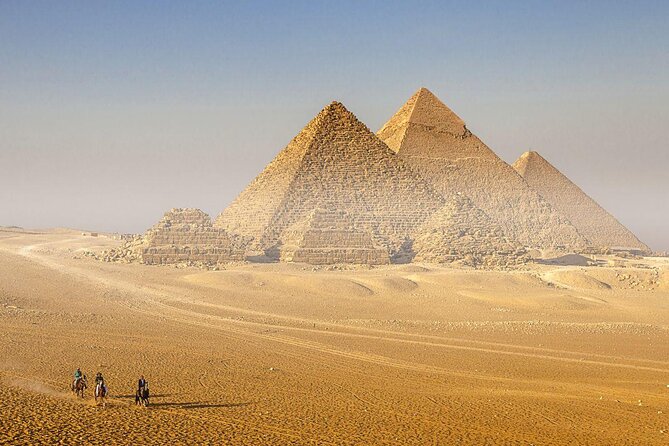
- Up close with the Great Sphinx and the Giza pyramid panorama for classic, landmark photos
- Papyrus museum visit where you can connect the dots between ancient materials and modern craftsmanship
- Flower-to-perfume oil workshop that turns a simple scent story into something visual
- Bazaar cartouche with hieroglyphic letters so you leave with a personal souvenir idea
- Small group size (max 20) plus water and A/C to keep the day comfortable
- Guide-led explanations highlighted by guides such as Mido, Mohamed, and Ahmed in past experiences
Giza Pyramids and Great Sphinx: how the day really feels
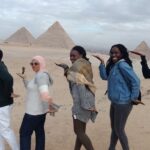
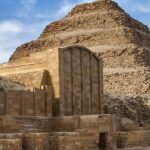
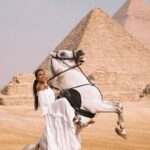
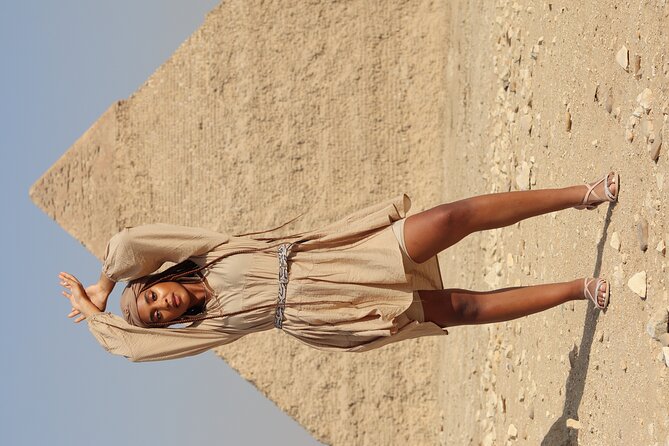
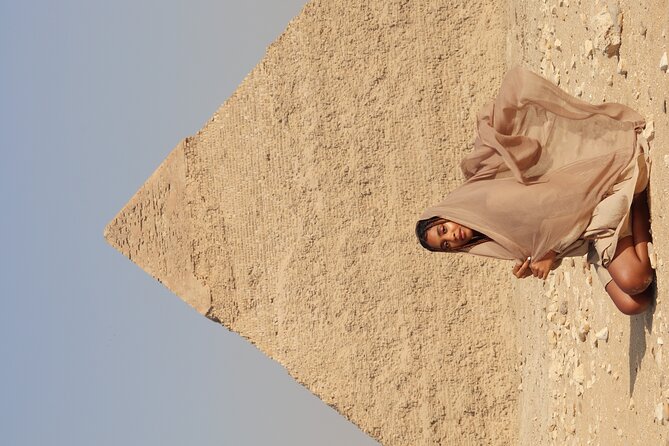
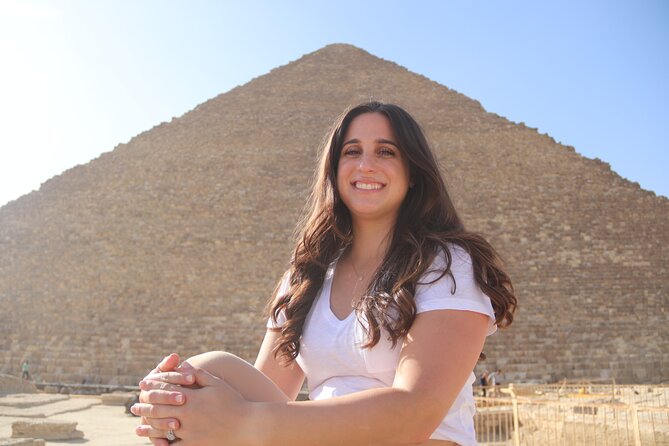
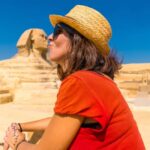
Giza is one of those places where your brain needs a second to catch up. From the plateau, the pyramids look less like pictures and more like geometry you can walk toward. I like that the experience is built around two anchors: the Great Sphinx and the panoramic pyramid views, so you get both the iconic face and the bigger picture.
The Sphinx is the part that surprises most people. Up close, you’re not just looking at a monument. You’re standing next to a guardian sculpture that has been eroded, repaired, and studied for centuries. It’s the kind of moment where good timing matters: if you can, take a few minutes to step to a clear angle before you start snapping everything at once.
Photography-wise, expect bright light. Starting around 9:00 am helps, but you’ll still get strong sun and deep shadows. Wear something that lets you move—short stops mean you don’t want to fight clothing, bad shoes, or a bag strap that hurts in heat.
One practical note: a portion of the experience can include a camel ride toward the pyramids in some versions of the day. If that’s something you want, it’s smart to ask your guide early how it fits into your schedule so you don’t feel rushed when you’re close to the landmarks.
You can also read our reviews of more tours and experiences in Giza.

What you’ll learn from your guide (and why it matters)
In Cairo, the best tours aren’t just about moving between sights. They’re about having someone translate what you’re seeing into a story you can actually remember. This is where the guide makes a real difference.
Past guides named Mido, Mohamed, and Ahmed have been described as passionate and explanation-first. That’s the style I’d look for here: you want a guide who can explain what you’re looking at without turning it into a lecture you can’t follow. When the explanation is good, the pyramids stop being background. They become the main event—plus you’ll get better context for the Sphinx, its setting, and why certain details caught ancient attention.
Also pay attention to how the day is handled logistically. In dense areas, a prompt, organized approach is worth more than a fancy promise. A smooth driver and clear guidance can mean less frustration, fewer wrong turns, and more time spent looking instead of waiting.
Papyrus museum: seeing an ancient material in the real world
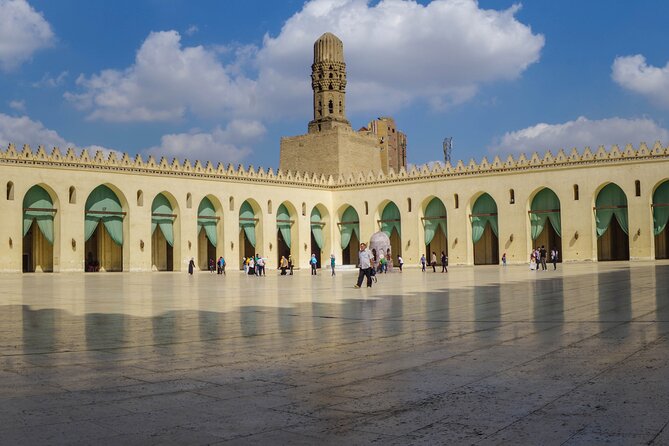
One of the smartest swaps in this experience is moving from giant monuments to a smaller, hands-on topic: how papyrus gets made. The papyrus museum stop isn’t just a change of scenery. It’s a way to connect ancient Egypt to something practical—writing, records, and the physical tools of everyday culture.
I like this stop because it gives you a different kind of understanding. With the pyramids and Sphinx, you mostly read the landscape visually. With papyrus, you can understand the process. Even if you don’t remember every step, you’ll remember the idea: ancient Egyptians weren’t only building stone monuments. They were also processing plants into something that could carry information.
Expect a guided explanation and visual demonstrations. If you’re the type who likes to learn by watching and then asking one good question, this is a great moment. If you’re not much of a museum person, it can still work because the subject is tactile and easier to grasp than abstract history alone.
Oil factory and perfume making: turning flowers into scent
Next comes one of the most memorable “wait, really?” stops: how flowers become perfume through oil work. The oil/perfume factory segment takes a daily-life theme—scent—and gives it an Egyptian twist.
This is valuable for two reasons. First, it shows you how artistry and practicality mix in the culture. Second, it helps you stop thinking of Egypt as only pyramids and temples. Perfume-making is about materials, timing, and technique—exactly the kind of everyday craft that makes a visit feel human.
Even if you skip buying (shopping isn’t included as part of the tour), you’ll still likely come away with a stronger sense of what the process looks and smells like. If you’re sensitive to strong scents, it’s totally fair to let your guide know so you can position yourself comfortably during demonstrations.
Bazaar time: getting a cartouche with hieroglyphic letters
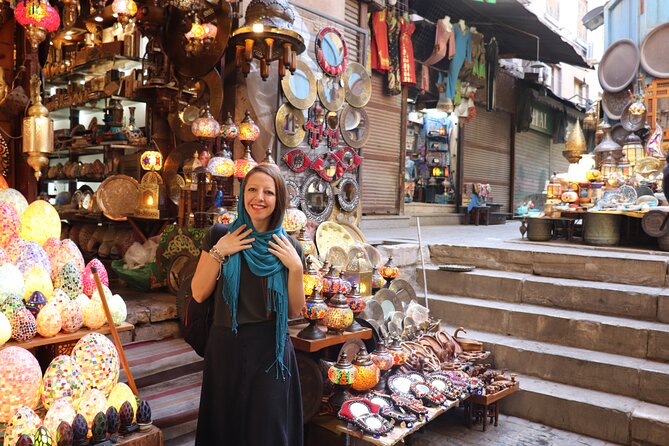
The bazaar stop is where the day becomes personal. You get to see how a cartouche is made using hieroglyphic letters, and it’s a souvenir concept that feels more meaningful than a generic postcard.
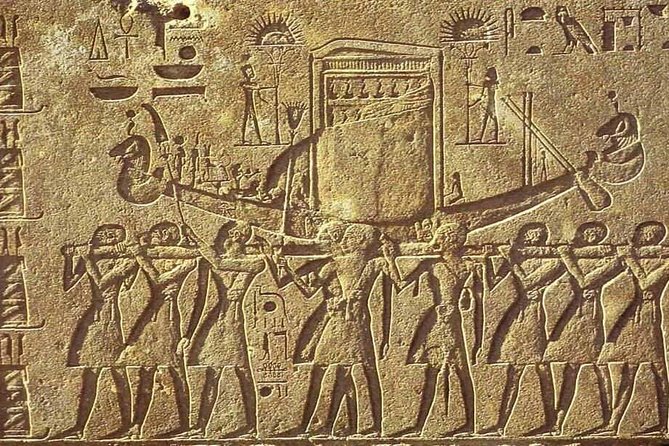
A cartouche is basically an Egyptian-style name inscription framed like a royal emblem. In a single session, you get a visual bridge between the symbols you might see on temple walls and how those symbols translate into names. Even if you don’t fully read hieroglyphs, you’ll walk away understanding how the letters get arranged.
Here’s how to make this part go smoothly:
- Think about how you want your name shown before you commit.
- If your name has multiple spellings, confirm the spelling you’re using with your guide first.
- Plan on it taking longer than you expect, since this is often done carefully.
Bazaar stops can also be where sales energy shows up. If you like shopping, this is a good chance. If you don’t, you can still enjoy the process and just focus on the cartouche creation and photos.
Price and logistics: is $5 a smart deal?
Let’s talk value. The listed price is $5.00 per person, which is unusually low for a day that includes guided sightseeing, an A/C vehicle, and at least one bottled water per person. The catch is that the small print matters.
What’s included:
- Bottled water (1 bottle per person)
- Air-conditioned vehicle
- A guided structure that ties major sights together with craft stops
What’s not included:
- Tickets
- Shopping
- Egypt entry visa
There’s also a detail that can confuse people: the main Giza stop is noted as free admission in one place, but tickets are listed as not included. Translation: don’t assume everything is covered. Ask your guide what you must buy for your specific day and confirmation details before you arrive at any gate.
If you’re trying to keep costs down and you still want more than a quick photo run, this format can be a strong choice. You’re paying for organization, local interpretation, and the craft stops that most DIY plans skip. If you prefer total independence and long unstructured time at major monuments, you might find the day slightly too scheduled.
How to plan for the real-world Giza day
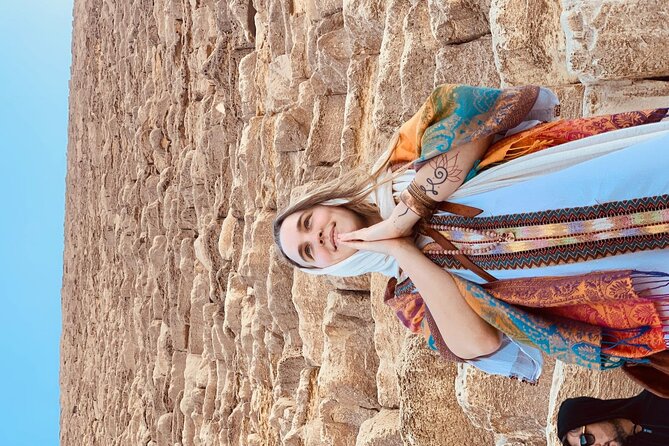
This tour runs for about 1 day (approximately) and starts at 9:00 am. It ends back at the meeting point, so you don’t have to figure out last-mile transportation when you’re tired.
Two things to plan for up front:
- Weather matters. The experience requires good weather, and if conditions aren’t right, you’ll be offered a different date or a full refund.
- Heat and sun are real at Giza. Even on a good day, you’ll be outside for important parts of the sightseeing.
Pack like you’re expecting a sunny outdoor day:
- sunglasses and sun protection
- comfortable walking shoes
- a hat you can keep on in the wind
- a small cash amount for anything ticket-related or for optional purchases
If you want the best photos, don’t waste your first minutes at Giza. Start with broad views, then move closer for detail shots. And if camel riding is part of your day plan, do it only if your timing feels comfortable. You’re not getting extra time back later.
Who this tour is best for
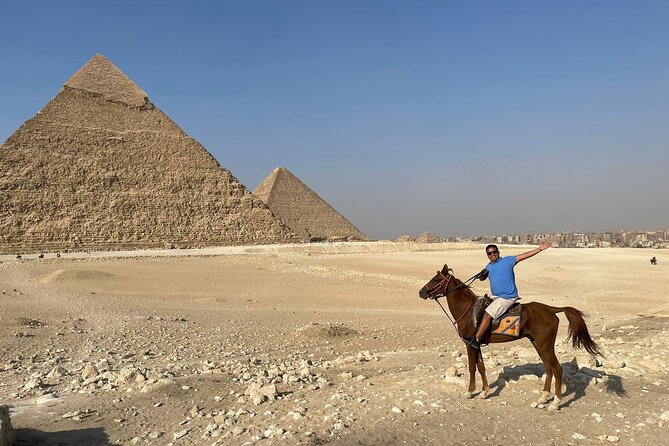
This is best for you if:
- you want a guided first-timer day in Giza without spending hours planning
- you like learning from a guide who explains what you’re seeing (Mido, Mohamed, and Ahmed are names to remember)
- you want more than pyramids—papyrus, perfume-making, and a cartouche add texture to the experience
- you prefer a small group environment (max 20) over chaos
It’s probably not the best fit if you:
- want a long, slow visit inside museums or at every photo angle for hours
- dislike markets or souvenir-related stops
- need a fully ticket-covered package and don’t want to manage anything on your end
FAQ
What time does the tour start, and where do we meet?
It starts at 9:00 am. The meeting point is On The Run, Zahret Al Nile, Kafr Nassar, Al Haram, محافظة القاهرة 3514801, Egypt.
How long is the experience?
The tour is listed as approximately 1 day. One of the stops is shown as 2 hours.
Is bottled water included?
Yes. The tour includes 1 bottle of water for each person.
Does the price include tickets?
Tickets are not included. The schedule also notes admission ticket free for the Giza stop, so it’s worth confirming what your specific day covers.
Is the Egypt entry visa included?
No. The Egypt entry visa is not included.
What is the cancellation policy?
You can cancel for a full refund up to 24 hours in advance. If you cancel less than 24 hours before the experience starts, the amount paid is not refunded.
Should you book this Giza and craft-focused day?
I’d book it if you want a smart, guided snapshot of Giza plus a few stops that help you understand everyday Egypt—papyrus making, flower-to-perfume oil work, and a cartouche with hieroglyphic letters. The low price, A/C vehicle, small group size, and guide-led storytelling make it a solid value day.
I’d hesitate only if you’re the type who wants unlimited free time at the pyramids or you’re expecting a fully ticket-covered package without any extra planning. If you go in prepared—comfortable shoes, sun protection, and a quick question or two about what you need to pay for—you’ll get a memorable mix of big monuments and very human Egyptian craft.