REVIEW · GIZA
Half Day Tour Giza pyramids , panorama , sphinx
Book on Viator →Operated by Amon Ra Toura · Bookable on Viator
That huge, quiet plateau hits fast. This half-day Giza outing strings together pyramids, the Sphinx, and hands-on craft stops so you get more than the usual photo shuffle. You’ll learn the why behind the Great Pyramid of King Cheops, see what’s inside Queen Hetepheres’ pyramid, and finish with cultural add-ons like papyrus and cartouches.
I like the mix of big monuments and small details. You get a guide who explains how the ancient Egyptians built and used the pyramids, plus why mummification mattered. I also like the photo angle: the tour is built around panoramic views from the desert, and the camel/horse time can turn those shots into something more memorable than the standard overlook.
One thing to keep in mind: tickets are not included, so entry into the pyramids (including the inside visit) depends on what you book separately and what’s available that day. Also, drinks and food aren’t included, so you’ll want a plan for water beyond what’s provided.
In This Review
- Key highlights I’d center in your planning
- Half Day Giza Pyramids and Sphinx: the smart way to see the essentials
- Meeting at Mena House, then out onto the plateau
- How the tour handles the pyramids: walking plus camel or horse
- Great Pyramid of Cheops and the smaller wives’ pyramids
- Going inside Queen Hetepheres’ pyramid: what to expect
- Panoramic desert views: where your best photos come from
- Sphinx plus the Temple of Chephren: the context stop
- Papyrus factory and flower-to-oil stops: learning by watching
- Cartouches in the bazaar: symbols you can personalize
- Price and value: what $5 gets you (and what it doesn’t)
- Who this tour fits best (and who should think twice)
- Should you book? My practical take
- FAQ
- How long is the Half Day Giza Pyramids, Panorama and Sphinx tour?
- What’s included in the price?
- Are pyramid or attraction tickets included?
- Do I ride a camel or horse?
- What group size should I expect?
- What time does the tour start, and where does it end?
- Is cancellation free?
Key highlights I’d center in your planning
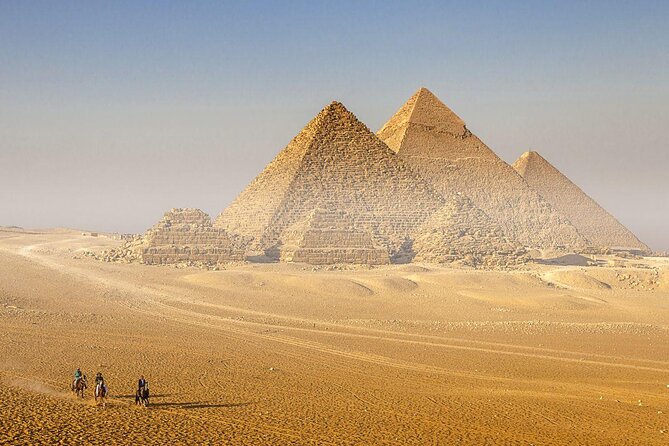
- Camel or horse time at Giza for easier angles and fun, not just walking
- Inside the pyramid of Queen Hetepheres, including seeing the sarcophagus
- Panoramic desert views designed for photos, not just the main paths
- Sphinx + Chephren temple stop for context beyond the statue itself
- Papyrus factory and flower-oil work to understand how plants became daily-use items
- Cartouches at the bazaar, where you can connect symbols to personal meaning
Half Day Giza Pyramids and Sphinx: the smart way to see the essentials
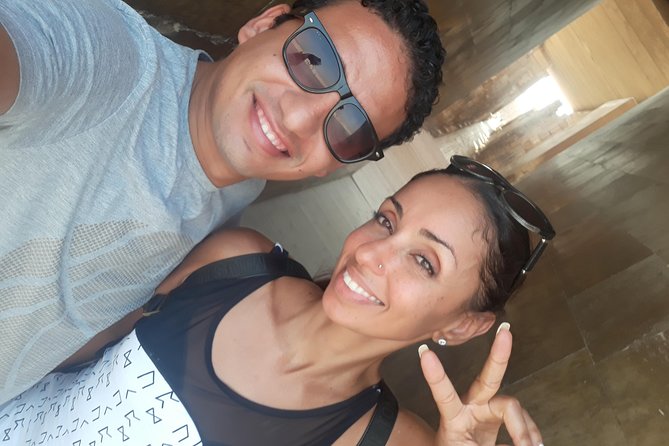
A half-day at Giza can be either perfect or exhausting. The best version is when you hit the core sites with a guide who can connect the dots fast. That’s what this tour aims for: you start in the morning, spend a few hours moving through the Giza plateau, and pack in the Sphinx plus a set of cultural stops that explain everyday life tools and symbols from ancient Egypt.
The reason this works for many people is simple: the pyramids aren’t just sightseeing. They’re engineering, religion, and politics rolled into stone. When your guide explains why the pyramids were built and how ancient Egyptians made mummies, the sites stop being “big rocks” and start becoming a story you can actually follow.
You also get a clear structure. You’re not guessing where to go or what to ask. Instead, you’re guided from the pyramid complex to the Sphinx area, then onward to craft-style visits that help the day feel more rounded than a pure monument sprint.
You can also read our reviews of more tours and experiences in Giza.

Meeting at Mena House, then out onto the plateau
The tour starts at 9:00 am, meeting at Unnamed Road, Al Haraneyah, Al Haram, Giza Governorate 3522403, Egypt, and it ends back at the meeting point. The first practical value here is timing. Morning light at Giza can be kinder for photos and easier on your energy.
You’ll also notice the tour uses small group size. The cap is 15 travelers, which helps you keep a steady pace without feeling like a herd. A tighter group also makes it more likely you’ll get direct answers from your guide, especially when questions come up around entrances, tomb details, and mummification.
You’re given bottled water, which is a small thing that matters. Giza can be bright and dry, and a half-day can still feel long if you’re thirsty.
If you’re sensitive to heat or long standing, build in your own breaks. The tour is short, so you’ll want to avoid spending your energy on last-minute needs.
How the tour handles the pyramids: walking plus camel or horse
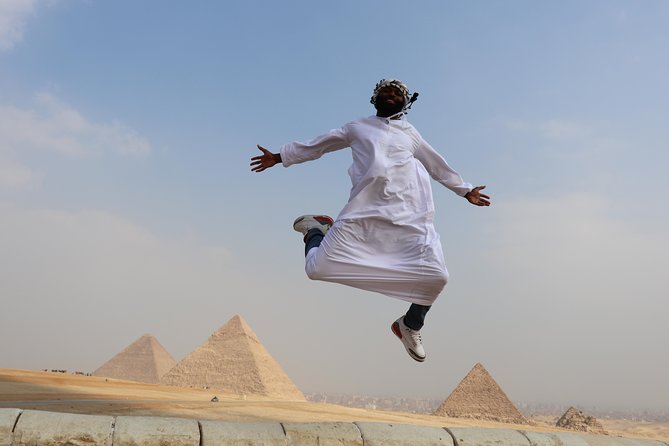
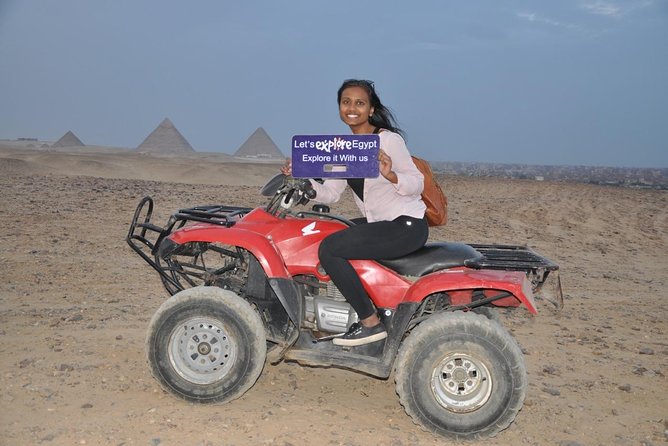
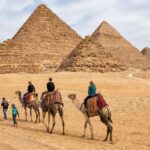
At Giza, getting “the picture” usually means one of two things: walking a lot or finding a viewpoint. This tour leans into both. You explore the Giza plateau with your guide, and you also get time exploring the area using a horse or camel.
Why that matters: the camel/horse portion can save steps and give you cleaner sightlines. That can be huge if you want to photograph all the big shapes without constantly repositioning. It also adds an experience layer—something you can remember, not just something you saw.
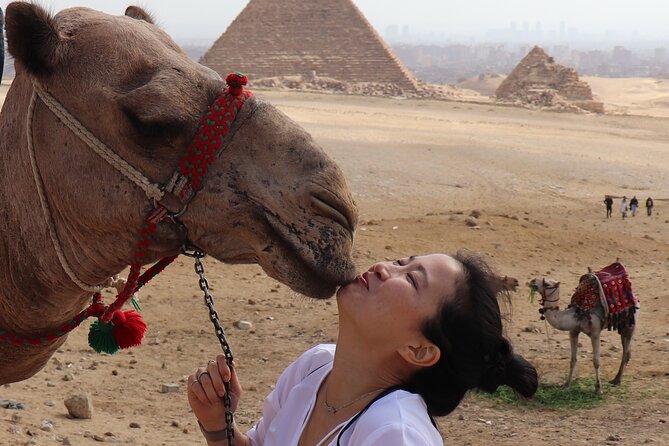
From the feedback, camel time is a major crowd-pleaser. People describe the camels as full of personality, and photo moments can be built in. One review even pointed out a dramatic photo setup where the rider is up on the camel with the pyramids behind—clearly the kind of shot your guide knows people want.
Practical note: treat camel/horse time like a real activity, not a casual pose. Wear sturdy shoes, plan for sun, and listen to your guide about safe positioning. If you don’t feel comfortable, it’s okay to skip the more dramatic photo ideas and just enjoy the ride and views.
Great Pyramid of Cheops and the smaller wives’ pyramids
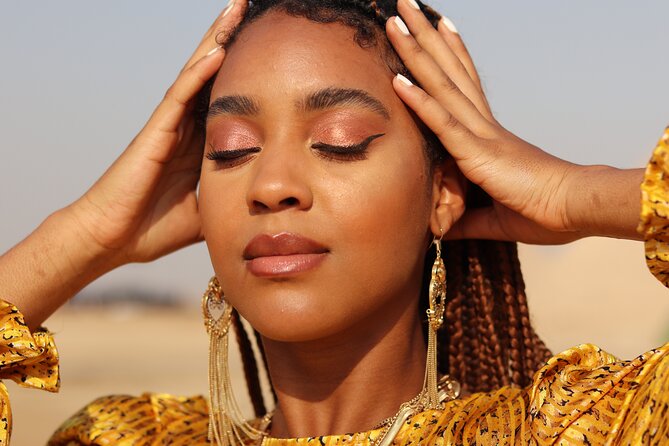
Your tour includes time at the Great Pyramid of King Cheops and also the three smaller pyramids associated with the wives. This part matters because it prevents the common “one pyramid, done” approach.
Cheops is the headline, but the smaller queens’ pyramids help you understand the broader layout. They show how the site was designed as a family-and-power complex, not just a single monument. With a guide telling you why the Egyptians built the pyramids—and how mummification fits into that worldview—you’ll likely find the architecture starts making sense fast.
Also, don’t rush your attention here. Spend a few minutes looking at proportions: where you stand affects the sense of scale, and scale is the whole point. In a short tour, this is where you set the mental anchor for the rest of your visit.
If you’re thinking about photos, you’ll likely want at least one wide shot for context and one tighter shot where you can feel the geometry.
Going inside Queen Hetepheres’ pyramid: what to expect
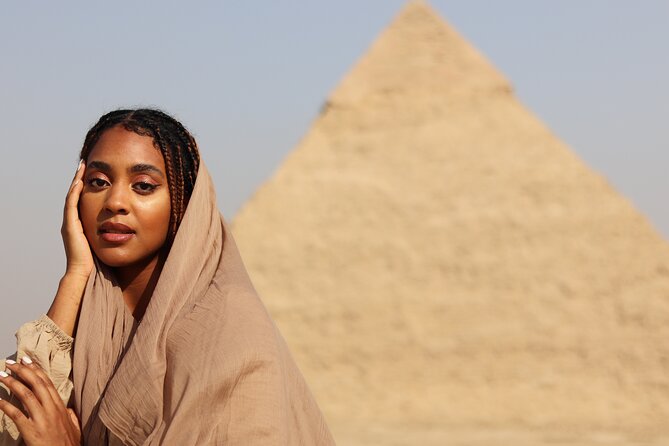
One standout feature is the inside visit to the pyramid of Queen Hetepheres, where you can see the sarcophagus. For many first-time visitors, going inside changes the emotional weight of the pyramids. Outside, everything feels monumental. Inside, it feels personal—tomb-like, enclosed, and focused.
Here’s the most important practical point: admission tickets are not included. The tour info states tickets are not included, and it also notes admission ticket not included. So you should plan for pyramid entry separately, and arrive ready for the possibility that rules or availability could affect what’s possible on the day.
If the inside visit goes ahead, keep your expectations realistic. You’re going to see the sarcophagus as part of the interior experience, but you’re not walking through a museum-style display. This is a tomb space—simple, narrow, and time-limited by the site.
Comfort tips that actually help: wear clothing that won’t feel too hot if you need to stand; bring a light layer if you run cold indoors; and go slowly. The inside experience rewards patience.

Panoramic desert views: where your best photos come from
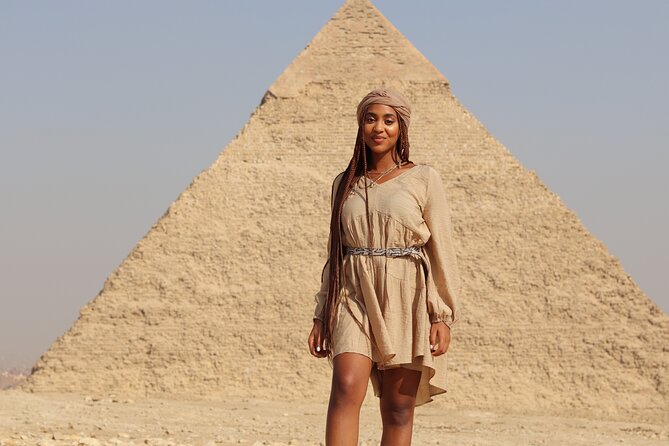
This tour promises special panoramic views of the pyramids from the desert, and the planning behind that is usually simple: you want a place where the pyramids frame cleanly, without constant interruptions from crowds or blocked angles.
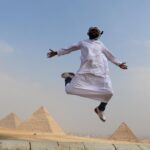
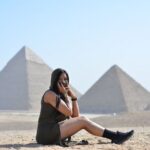
This is also where the tour feels more modern and less like a checklist. You’re not only looking at the monuments—you’re capturing them the way you’d see them if you arrived with time to breathe and wander. Even if you’re short on time, you get a viewpoint that helps your photos tell the story of the plateau rather than just showing stone.
One review specifically praised the panoramic angle for photos and noted the tour moves away from the most typical spots. That aligns with what you’ll want if you care about pictures that look less repetitive.
What I recommend you do on the day: after your main site stops, take 5 minutes to let the scene settle. Then shoot from two distances—wide for context and medium for shape. That way, even if the light shifts quickly, you’ll have options.
Sphinx plus the Temple of Chephren: the context stop
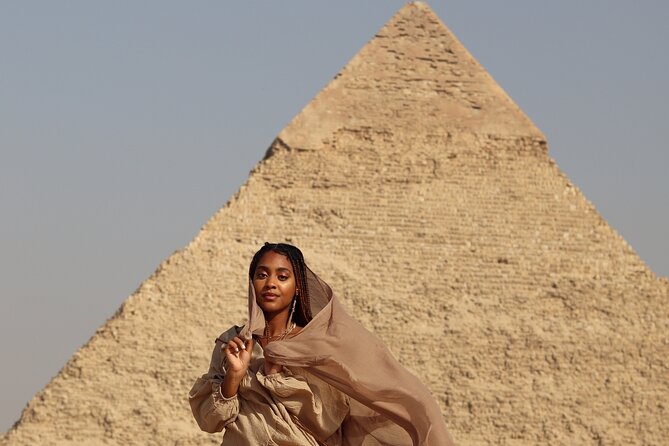
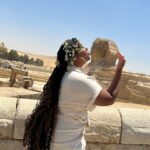
After the pyramid portion, you head to the Sphinx. The tour also includes visiting the Temple of Chephren, which is a smart add-on because it gives the Sphinx area more meaning than the statue alone.
The Sphinx is famous, but it’s also easy to miss the surrounding sacred geography when you rush. With a guide explaining secrets related to mummification and tying the temple area into the broader religious worldview, you get a better sense of how Egyptians connected life, death, and sacred space.
This is one of those moments where a guide really earns their fee. Without guidance, it’s just a big face and a lot of stone. With guidance, you can connect it to the same cultural system that shaped the pyramids and burial practices.
If you want the best experience here, don’t just take photos. Pause and look around the temple context. The Sphinx is an anchor; the temple helps you understand the setting.
Papyrus factory and flower-to-oil stops: learning by watching
The tour adds a creative layer that’s easy to underestimate until you’re there. You visit a papyrus factory where you can see how the ancient Egyptians convert the plant to paper. Then you see how flowers are processed into oils for different uses.
Why this is valuable on a pyramid day: it connects monuments to daily life. The pyramids are burial architecture, but a culture also lives in paper, oils, scents, and materials. When you watch how plant fibers can become paper, it’s a reminder that “ancient Egypt” wasn’t only temples and tombs.
This kind of stop also helps break the visual monotony. After stone and sand, these workshops shift your brain to observation: how does this process work, what tools are used, and what outcome you get.
A small caution: craft stops can vary in how hands-on they feel. The information you have confirms watching and seeing how products are made, but it doesn’t say you’ll do a full workshop yourself. So go with the mindset of watching, learning, and asking questions if you want details.
Cartouches in the bazaar: symbols you can personalize
The final element in the tour is seeing how cartouches are made in the bazaar. Cartouches are a powerful idea: Egyptian symbols used to represent names, identities, and status.
This is a good closure because it turns abstract history into something you can hold in your hands. Even if you don’t buy anything, watching the process helps you understand why people are drawn to Egypt’s writing system and symbolic style.
If you’re shopping, use your guide as your quality check. Ask what you’re buying and how it’s made, and compare the feel and detail of items in the area. Bazars can be tempting for impulse buys, so it helps to set a budget before you start.
Price and value: what $5 gets you (and what it doesn’t)
The tour is listed at $5.00 per person, which is strikingly low. Here’s how I’d interpret that value responsibly: the tour includes a professional guide and bottled water, but it does not include tickets. The info also notes admission tickets are not included.
So the real value equation is: low base price for guidance and a structured route, plus you may need to pay for entries separately. In practice, that can still be a good deal if you were already planning to do pyramid entry and you want someone to keep you on track with the “why” behind everything.
What makes it feel worthwhile even at a budget price is the breadth: pyramids, interior access (if tickets allow), Sphinx and temple context, and craft stops that explain materials. You’re not paying just for driving or standing around.
If you’re traveling with tight time—like a short Cairo stop—this half-day format can be efficient. Just make sure you’re budgeting for any tickets you’ll need.
Who this tour fits best (and who should think twice)
This tour is well-suited if you:
- want a short, focused Giza plan without spending all day figuring things out
- enjoy learning context alongside the big sights, especially around pyramids, mummies, and why things were built
- like photo-friendly viewpoints and don’t mind a bit of activity to get them
It may be less ideal if you:
- strongly prefer museums with long, slow pacing (this is short and structured)
- get uncomfortable with sun exposure and standing (you’ll be outdoors much of the time)
- need everything fully ticketed and prepaid (tickets and admission are not included)
Also, the tour notes most travelers can participate, and service animals are allowed, which is helpful.
From the guide stories in the feedback, the experience often depends on your guide’s communication style. Names you might hear through this operator include Mido, Roma, Kadria, and Mohamed—and reviews praised clear explanations, patience, and engagement. If you care about that, ask about guide assignment when you book.
Should you book? My practical take
If you want an efficient, story-driven half-day at Giza—pyramids, Sphinx area, and a couple of Egypt-life craft stops—this tour is easy to recommend. The combination of guided explanation, panoramic viewing, and the inside pyramid moment (when your tickets allow) creates a day that feels more complete than a basic photo tour.
Book it if:
- you’re short on time and want the core sights covered
- you care about why these sites mattered, not only what they look like
- you want camel/horse viewpoints for better angles and fun
Skip or rethink it if:
- you don’t want to deal with separate admission tickets
- you want a slow, unstructured day with minimal movement
Bottom line: the price is a strong hook, but the tour’s real value comes from the route plus guidance. If you confirm ticket needs ahead of time and come prepared for sun and walking, you’ll likely leave with photos that look like Giza—not just internet thumbnails.
FAQ
How long is the Half Day Giza Pyramids, Panorama and Sphinx tour?
The duration is listed as about 3 to 4 hours. There’s also a note showing 3 hours.
What’s included in the price?
It includes a professional guide and bottled water. The tour also uses a mobile ticket.
Are pyramid or attraction tickets included?
No. The information says tickets are not included, and it specifically notes admission ticket not included.
Do I ride a camel or horse?
The tour says you’ll explore the Giza pyramids in a horse or camel. Reviews also highlight the camel ride as a fun, memorable part.
What group size should I expect?
The tour has a maximum of 15 travelers.
What time does the tour start, and where does it end?
It starts at 9:00 am. The activity ends back at the meeting point.
Is cancellation free?
Yes, the policy shown is free cancellation. You can cancel up to 24 hours in advance for a full refund.