REVIEW · LUXOR
Discover the East and West Banks of the Nile
Book on Viator →Operated by Opet Tour · Bookable on Viator
Two banks, one focused Luxor day. This private tour is a smart way to see Luxor without negotiating taxis or wrestling with bus crowds, and you get an Egyptologist to answer your questions as you go. I especially like that it covers the East and West Banks in one long outing, so you get the core hits even if you’re short on time. The only real catch is that the major admission tickets aren’t included, so plan for separate payments.
You’ll start with hotel pickup, then spend hours moving temple to temple at a comfortable pace, with bottled water included and drop-off back at your hotel. One consideration: it’s an 8 to 9 hour day, so it works best when you want to commit to seeing a lot in one shot rather than spreading things across multiple afternoons.
In This Review
- Key things to know before you go
- Private Luxor: How the East and West Banks Fit Together
- Price and value: Is $55 really a good deal
- Hotel pickup and the rhythm of an 8 to 9 hour day
- Stop 1: Valley of the Kings on the West Bank
- Stop 2: Deir el-Bahari and the Temple of Hatshepsut
- Stop 3: Colossi of Memnon and the short-but-meaningful stop
- Stop 4: Karnak Temple and the Theban triad
- Stop 5: Luxor Temple, from Amenhotep III to Ramses II
- What I like about the guiding style here
- Logistics that keep your day from turning messy
- Who this tour suits best
- Should you book Discover the East and West Banks of the Nile?
- FAQ
- Which sites are included in this Luxor tour?
- How long does the tour take?
- Is hotel pickup and drop-off included?
- Is the tour private?
- Are entrance or admission tickets included?
- Is tipping included in the price?
- Does the tour provide water?
- Do I receive tickets on my phone?
- Can most people participate?
- Is there free cancellation?
Key things to know before you go
- Private Egyptologist guidance so you can ask questions without feeling rushed
- East and West Banks in one day, hitting the main monuments efficiently
- Comfort-focused flow with hotel pickup, bottled water, and return transfer
- Short stop design like the Colossi of Memnon, so you still see everything else
- Entrance fees are separate, meaning your final total may be higher than the $55 rate
Private Luxor: How the East and West Banks Fit Together
Luxor is one of those places where “just wing it” can turn into a lot of time wasted. This tour avoids the usual chaos by handling the big logistics for you: hotel pickup, a dedicated guide, and a return transfer. You also get a true private setup, meaning you’re not stuck waiting for strangers or dealing with the bottleneck of a mass group pace.
The real value is how it stitches the two sides of Luxor into one day. The West Bank concentrates on royal and mortuary sites—think valleys and temples tied to ancient kings—while the East Bank is where you spend time with the living-city temples that connect to more everyday religious life. Seeing both without scrambling between different half-plans is a win, especially for first-time visitors or anyone with limited time.
And if you care about understanding what you’re looking at, the Egyptologist piece matters. This isn’t just a driver-taxi situation. The guide’s job is to help you read the monuments, including key themes like the Theban triad—Amun, Mut, and Khonsu—when you reach Karnak.
You can also read our reviews of more tours and experiences in Luxor.

Price and value: Is $55 really a good deal
At $55 per person, this is priced like a budget-friendly way to get the heavy hitters covered. What makes it feel like value is not just the sightseeing list. It’s the included services: hotel/airport pickup and drop-off, an Egyptologist guide, and bottled water.
That said, you’ll want to watch your final total. All fees and taxes are not included, and admission tickets for the stops are explicitly listed as not included. So the $55 is the service cost; your additional spend will come from entry tickets and any other required on-site payments. Tipping also isn’t included.
Still, even with entrance fees, a private, guided day across both banks can be a better deal than paying for separate guided tickets (or paying for multiple taxi rides) while also missing context. If you’ve been in Egypt before, you already know how quickly time and energy can disappear. This tour is built to protect both.
One more practical point: it’s commonly booked about 46 days in advance. That’s a sign it’s popular for people planning a tight itinerary. If you’re traveling around peak seasons, don’t wait until the last minute.
Hotel pickup and the rhythm of an 8 to 9 hour day
You’ll begin with pickup from your hotel, then head straight to the West Bank sites first. The tour duration is about 8 to 9 hours, with time set aside for multiple monuments rather than a quick drive-by.
This kind of schedule is great because Luxor’s sites are spread out and travel time adds up. With the structure already set, you don’t have to negotiate your own route or guess how long you’ll need at each stop. It’s also private, so you can slow down when something catches your eye—or speed up if you’re already comfortable.
The day ends with a transfer back to your hotel after the final East Bank stop. That means you can keep the rest of your evening flexible, whether you’re grabbing dinner or just taking a long rest.
Stop 1: Valley of the Kings on the West Bank
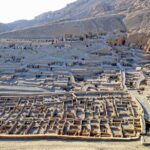
Your first major stop is the Valley of the Kings, often described as the Valley of the Gates of the Kings. This is where Luxor’s royal burial landscape comes into focus. You get about 2 hours here, enough time to take in the overall setting and understand why this site mattered so much for ancient Egyptian kings.
What makes this start especially helpful is sequencing. By hitting the West Bank early, you’re setting the theme of the day: power, afterlife beliefs, and royal memory. Then, later, you shift into the East Bank’s monumental temple world.
The one drawback to plan for: admission tickets aren’t included. That’s not unusual in Luxor, but it’s worth budgeting so the day doesn’t feel like you’re constantly doing math at ticket counters. Also, because you’ll be outdoors, it helps to go in with a calm mindset: this is a place where you’ll do walking and sightseeing, not just stand and look.
Stop 2: Deir el-Bahari and the Temple of Hatshepsut
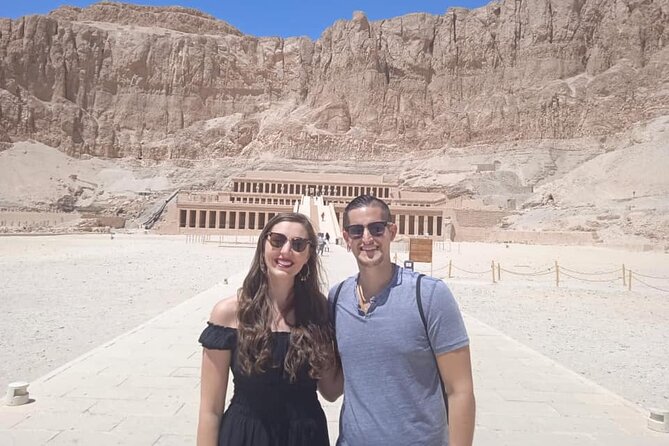
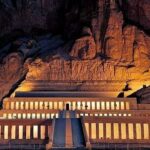
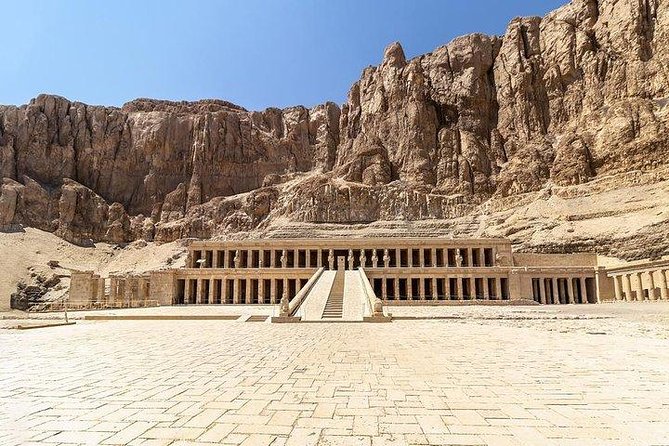
Next up is the Mortuary Temple of Queen Hatshepsut, at Deir el-Bahari. This stop usually feels like a jaw-drop moment because of its layout. You’re looking at three massive terraces rising above the desert floor into the cliff setting.
You’ll spend around 1 hour here, and the guide context really helps. Hatshepsut wasn’t just a queen; she’s tied to a major architectural statement. The temple’s position—across from the city of Luxor—also gives you a sense of how monumental design was meant to be seen within a larger landscape.
A practical consideration: since entrance isn’t included, you may end up paying more than you expect if you only budget for the base tour price. But once you’re standing in front of the terraces, it’s easier to understand why this temple is often treated as a must-see.
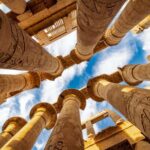


Stop 3: Colossi of Memnon and the short-but-meaningful stop
After Deir el-Bahari, you’ll head to the Colossi of Memnon. This is a much shorter stop—about 15 minutes—but it’s not “just a photo spot.” These statues are connected to the mortuary temple of Amenhotep III.
Why this brief timing works: it keeps the tour moving without cutting the day’s major anchors. The Colossi are striking to see in person, and the guide’s explanation helps you connect them to the larger temple complex they belonged to. If you’re the type who likes to understand context after you see an object, you’ll appreciate that the stop isn’t only about looking forward.
Your main thing to be ready for is efficiency. This is not the place to expect a long wander. It’s more like a concentrated stop that sets up what you’ll see next at Karnak.
Stop 4: Karnak Temple and the Theban triad
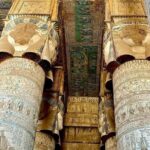
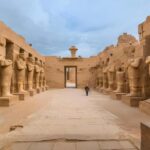
Then you shift into Karnak Temple, often described as one of history’s great worship centers. Here you’ll spend about 2 hours, and this is where the Egyptologist component really earns its keep.
Karnak is dedicated to Amun, along with Mut and their son Khonsu, commonly referred to as the Theban triad. That naming matters because it changes how you read what you’re seeing. If you’ve ever walked around a big temple and felt like you’re missing the meaning behind the stones, this kind of framing helps a lot.
This stop is also a good place to ask your own questions. Private touring means you can go slightly off-script when you want more detail. If you want a clearer sense of what each section symbolizes, you can get it without stopping your day to navigate alone.
One consideration: admission tickets aren’t included here either. So again, treat the $55 as the guided service cost, not the full day’s total.
Stop 5: Luxor Temple, from Amenhotep III to Ramses II
To close the day, you’ll visit the Luxor Temple. Built by Amenhotep III in the 18th Dynasty, it was completed by Ramses II, which gives the monument a timeline feel even while you’re standing there in the present.
You’ll have about 1 hour here, enough time for a focused walk and a real sense of the temple’s role in Luxor’s story. This is where the East Bank theme clicks: it’s less about royal burial settings and more about a monumental religious center that connects to daily devotion.
When you finish, you’ll be transferred back to your hotel. That’s a small thing, but it matters. Luxor can be tiring, and not having to figure out your route at the end of an 8 to 9 hour day keeps the whole experience smoother.
What I like about the guiding style here
A private Egyptologist guide changes the experience in three ways.
First, you don’t have to guess what’s important. At Karnak, for example, knowing the Amun–Mut–Khonsu framework helps you feel like you’re reading the site instead of just staring at it.
Second, you can ask follow-up questions. The tour is built so you can stay curious, not just listen to a script.
Third, language comfort can matter more than people expect. In one standout booking, the guide Muhammad had strong day-to-day Japanese conversation skills. He even shared that his nickname is HamachAn, tied to the Japanese comedian Hamada Masatoshi. That kind of detail turns the guide from a translator into a person you feel comfortable with.
Even if you’re not traveling in Japanese, you’ll still benefit from a guide who can explain clearly without turning the day into a lecture you can’t pause.
Logistics that keep your day from turning messy
This tour is structured to remove the usual headaches:
- Pickup and drop-off are included, so you don’t spend your energy negotiating rides
- Bottled water is provided, helping you stay comfortable during a long day
- The experience is private, so only your group participates
- You get a mobile ticket, which is handy in a place where things can move quickly
One thing to keep in mind: since fees and taxes are not included and tipping is also not included, your budget should allow for both. If you arrive expecting everything to be covered in the headline price, you’ll feel surprised later in the day.
Who this tour suits best
This is a great fit if:
- You’re visiting Luxor for the first time and want the major monuments across both banks
- You have limited time and want a single guided plan rather than splitting days
- You like explanations and want an Egyptologist who can answer questions
- You value a private pace instead of a group schedule
It’s less ideal if you want a relaxed, slow travel rhythm. The schedule is full and the total day is long. But if you’re the kind of traveler who says yes to a well-planned day trip with solid context, this works.
Should you book Discover the East and West Banks of the Nile?
If your goal is to see Luxor’s essentials without turning your trip into an organizational project, I’d book this. The combination of two-bank coverage, qualified Egyptologist guidance, and included pickup/drop-off is the core reason. At $55 per person, you’re paying for convenience plus context—not just transportation.
The decision should come down to your budget comfort with entrance fees. Since the stops’ admission tickets aren’t included and tipping isn’t included, check that you’re ready for those add-ons. If you can do that math up front, you’ll likely feel the day was efficient and well guided.
Finally, if you’re the type who values a guide who can explain history in a way you can actually use while you’re standing in front of the monuments, this private format is where the experience really shines.
FAQ
Which sites are included in this Luxor tour?
You’ll visit the Valley of the Kings, the Temple of Hatshepsut at Deir el-Bahari, the Colossi of Memnon, Karnak Temple, and Luxor Temple.
How long does the tour take?
The duration is approximately 8 to 9 hours.
Is hotel pickup and drop-off included?
Yes. The tour includes hotel/airport pickup and drop-off.
Is the tour private?
Yes. It’s listed as a private tour/activity, so only your group participates.
Are entrance or admission tickets included?
No. Admission ticket fees are listed as not included for the stops.
Is tipping included in the price?
No. Tipping is not included.
Does the tour provide water?
Yes. Bottled water is included.
Do I receive tickets on my phone?
The experience includes a mobile ticket.
Can most people participate?
The tour notes that most travelers can participate.
Is there free cancellation?
Yes. You can cancel up to 24 hours in advance for a full refund, based on the experience’s local time.