REVIEW · GIZA
Discover Cairo, Luxor, Aswan and Abu Simbel – 06 days
Book on Viator →Operated by Egyptethique · Bookable on Viator
A trip this long in Egypt can get hectic fast, but this one feels calm. You get expert Egyptologist explanations, major monuments from Cairo to Upper Egypt, and hands-on moments like a local village walk and a Nubian stop.
What I like most is the mix of big-name sites and everyday life: Giza pyramids and the Egyptian Museum on one side, plus village visits and home-cooked-style meals on the other. One thing to keep in mind: entrance tickets for many stops aren’t included, and you’ll do some early starts (especially for Abu Simbel).
In This Review
- Key highlights if you like your Egypt practical and human
- Cairo Kickoff: Giza Pyramids, Museum of Egyptian Antiquities, and Khan el-Khalili
- Night-to-Day Efficiency: The Sleeper Train to Luxor
- Luxor on the West Bank: Valley of the Kings, Hatshepsut, Colossi of Memnon, Karnak, Luxor Temple
- El Hegz Village and Edfu’s Temple of Horus: Real Life Alongside the Pharaohs
- Aswan: Philae Temple and Nubian Village Culture
- Abu Simbel Early Morning: Ramses II, Lake Nasser, and Why Timing Matters
- Price and Logistics: Does $789.79 Feel Worth It?
- Who Should Book This (and Who Might Want a Softer Pace)
- Should You Book Discovery Egypt: Cairo, Luxor, Aswan and Abu Simbel (06 days)?
- FAQ
- How long is the Discovery Egypt Cairo to Abu Simbel tour?
- Where does the tour start?
- Do I get picked up from my hotel?
- Are entrance tickets included?
- Do I travel from Cairo to Luxor by train?
- How much time do I spend at Abu Simbel?
- What meals are included?
- Is there accommodation included?
- Do I need an entry visa?
- Can I get a refund if I cancel?
- What happens if the weather is poor?
Key highlights if you like your Egypt practical and human
- Egyptologist-led context (not just dates, but what you’re seeing and why it mattered)
- Giza + Egyptian Museum + Khan el-Khalili in one well-paced Cairo day
- Sleeper-train transfer to Luxor to save daytime hours and keep the itinerary moving
- A West Bank Luxor mix: Valley of the Kings, Hatshepsut at Deir el-Bahari, Karnak, and Luxor Temple
- El Hegz village experience with tombs and a village-house lunch
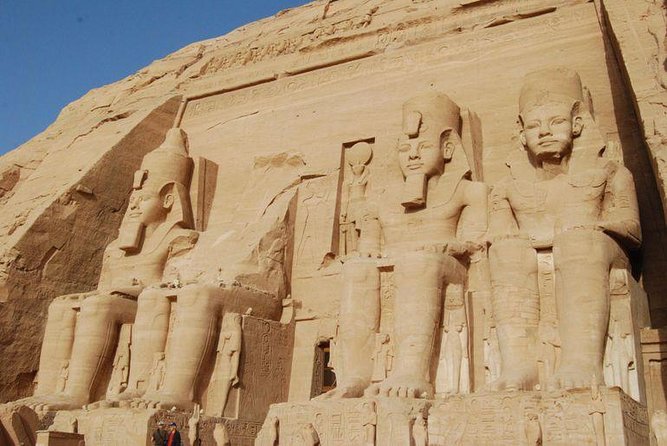
- Abu Simbel early departure so you see Ramses II’s temples at a calmer time
Cairo Kickoff: Giza Pyramids, Museum of Egyptian Antiquities, and Khan el-Khalili
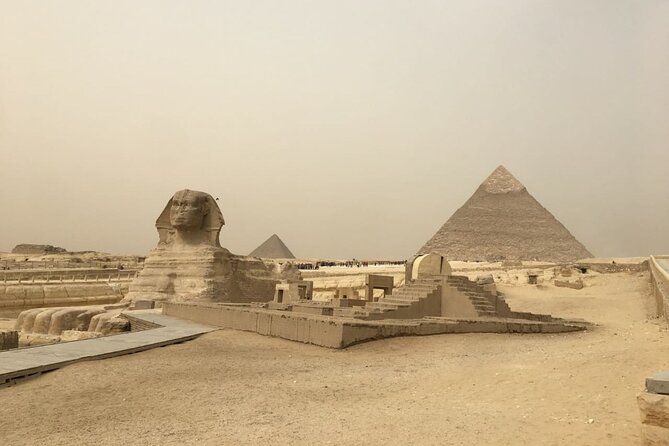
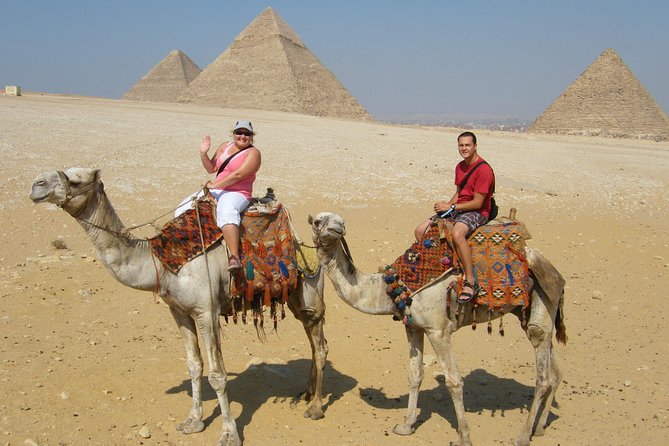
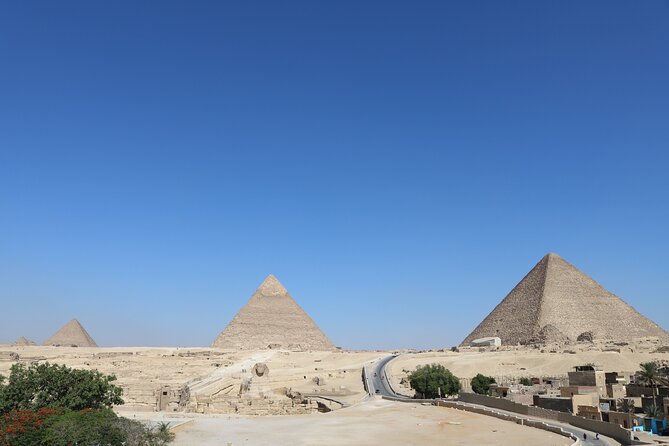
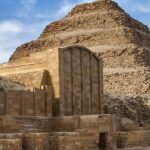
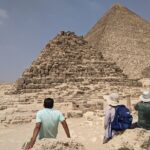
Cairo starts with that classic jolt of scale: the Pyramids of Giza are closer than you expect, and the closer you get, the more the geometry takes over your brain. Your guide picks you up from your hotel in Cairo or Giza at 8:00 am, then you head straight into the Giza plateau route.
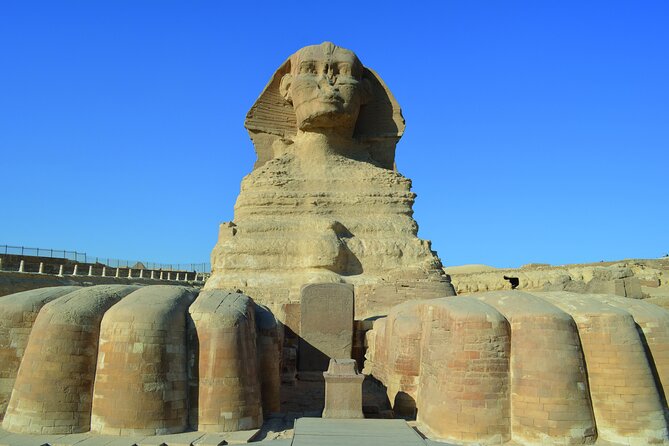
You’ll visit the Great Pyramids of Cheops, Chephren, and Mykerinos. Then you move to the Valley Temple, described as the place where priests mummified the dead body of King Shephren. The Sphinx part matters too: you get a glimpse of this guardian near the huge burial complex. It’s not just a photo stop. If your guide points out the layout and the “why” behind where the temples sit, the whole area clicks into place.
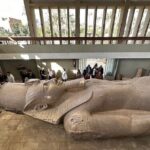
A major value add here is that the tour doesn’t treat Giza as a single stop. You continue to the Museum of Egyptian Antiquities, where the emphasis is on serious context. The museum is known for a massive collection (the program notes over 250,000 authentic objects, reaching back about 5,000 years). You also get an exclusive focus on Tutankhamun, including treasures, gold, and jewelry from his tomb, buried for more than 3,500 years before discovery in the 1920s.
After that, the day shifts from artifacts to living culture at Khan el-Khalili Bazaar. You’re given about an hour of walking time through the maze of shops and trades (think copper, perfumes, leather, silver, gold, antiques). This is one of the easiest places to feel Cairo’s day-to-day rhythm. If you’re hoping for a market experience that doesn’t swallow your whole afternoon, the pacing here is smart.
Practical note: admission tickets for both Giza and the museum are not included in the package price. Plan on paying separately, and bring some patience for lines and security checks. Also, start thinking about comfort: this is a full day, and you’ll be moving.
You can also read our reviews of more tours and experiences in Giza.


Night-to-Day Efficiency: The Sleeper Train to Luxor
The tour makes a clever move: you don’t burn daylight riding to Luxor. After Khan el-Khalili, you transfer to the station for a sleeper train to Luxor, listed as around 10 hours.
For you, the payoff is simple. You keep your energy for the next days’ temple workload. For your budget, it’s also a way to reduce hotel nights and extra transit friction.
One small upside you’ll probably appreciate: the schedule lets you experience Luxor without arriving exhausted at midday. Still, sleepers aren’t magic. You may want to pack an extra layer (train air can swing), and consider earplugs if you’re a light sleeper.
Luxor on the West Bank: Valley of the Kings, Hatshepsut, Colossi of Memnon, Karnak, Luxor Temple
Luxor is where Egypt stops being “impressive” and becomes understandable. West Bank tombs and temples are where the stories of kings, gods, and afterlife beliefs show their logic. You’ll be picked up from the Luxor train station in the morning, then guided into the West Bank.
First stop is the Valley of the Kings. You get around 2 hours in this burial landscape, known for the dusty tombs that still guard secrets. This is one of those places where you benefit a lot from an Egyptologist: they can connect what you’re looking at to burial practices and the political reality behind the pharaohs who commissioned these sites.
Next you visit the Temple of Hatshepsut at Deir el-Bahari. Hatshepsut is described as ruling for about 20 years in the 18th Dynasty, and your stop highlights a key point: she’s framed as the only pharaonic woman who ruled ancient Egypt in this account. That alone makes the visit feel sharper. You also get a reminder that architecture can be propaganda. Hatshepsut’s temple is designed to communicate legitimacy and continuity.
A brief photo stop follows at the Colossi of Memnon, the two giant statues marking the site linked to the mortuary temple of Amenhotep III. Even if you’re short on time, that quick look helps you picture what the original complex was like—because today, only parts remain.
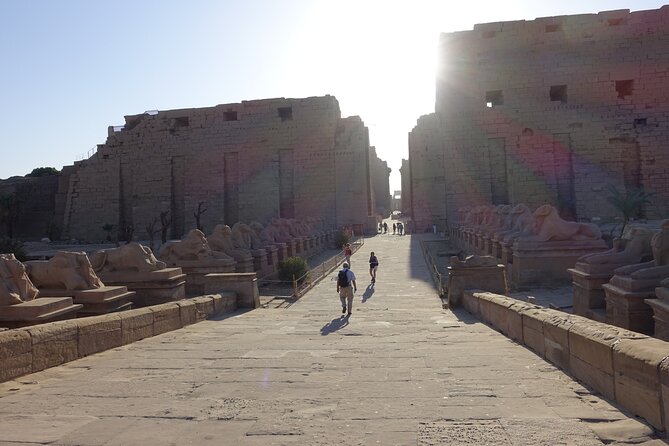
Then you pivot to the monument most people plan their Luxor trips around: Karnak Temple. The route runs along the Avenue of the Sphinx, and the guide explains how the massive facade was constructed. What I like about this stop’s structure is that it naturally builds scale. The further you go in, the older the ruins get, with the program noting ruins dating back over 3,000 years.
You’ll walk through the Great Courtyard to the Great Hypostyle Hall, with 134 columns towering above. This is the kind of place where a guide’s notes matter more than you’d expect. Without interpretation, it can become “wow, columns.” With it, you start noticing the layers: how different pharaohs extended and modified the complex over time. The sacred lake area at the rear is also mentioned, tied to purification rituals centuries ago.
After Karnak, you get additional free time at the resort to explore at your leisure. The day closes with Luxor Temple (about 45 minutes), once connected to Karnak by a long avenue of Sphinx statues. Here, the focus is on the survival of the temple through Nile floods and centuries of exposure. Ramses II dominates the theme, and the interior hieroglyphs come with guidance to help you decipher what you’re seeing.
One caution: Luxor days can feel like a temple marathon. This schedule gives you small breaks through varying stops, but you should still plan on good footwear, water, and a slower pace in the afternoon if you’re sensitive to heat.
El Hegz Village and Edfu’s Temple of Horus: Real Life Alongside the Pharaohs
This is the day I’d call the “soul” of the trip. After breakfast, you’re driven by a French guide at 7:00 am to El Hegz. The program describes it as a local village with fabulous walks, and your time includes meeting inhabitants and seeing local farms—mango, banana, and sugar cane.
What makes this visit feel different from a standard sightseeing day is that you’re not just passing through. You’re walking through the village and getting a closer view of how rural life works. The program also frames this as a way to learn about real life in Egypt, not only ancient monuments.
You then visit the tombs of El Kab and the ruins of Nekhen of Upper Egypt, plus the temple of Horus in Edfu. The schedule is generous: about 3 hours for the morning village and El Kab area, then more time for Edfu afterward.
Lunch is another strong value point. You return to the village of El Hegz for lunch at the farmer’s house. The overall inclusion list also supports that meals are part of the package, so this day is built to keep you fed without forcing you to improvise.
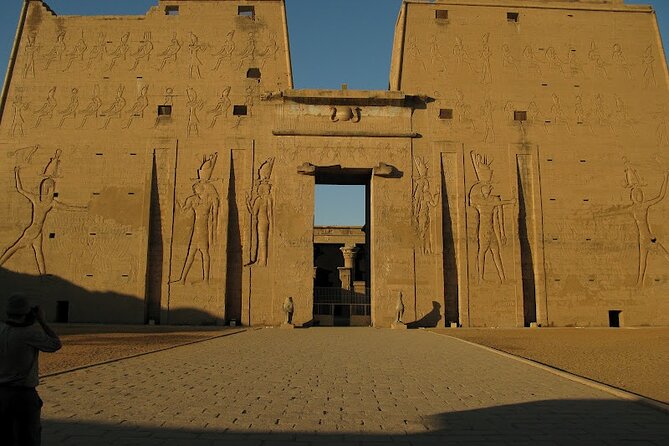
The afternoon brings you to the Temple of Horus in Edfu, described as the best preserved of Egypt’s temples, with sand preserving the structure. The program notes excavation work in the 1860s by Auguste Mariette, and it dates the temple’s construction starting with Ptolemy III Euergète in 237 BC, finishing later under Ptolemy XII Auletus in 57 BC.
You’re also told what kinds of scenes you’ll see: sacred marriage between Horus and Hathor, founding scenes, and the battle between Horus and Seth. That’s a big help if you want your photos to match meaning, not just angles.
One consideration: this is a long day. Even though the morning has a quieter rural pace, Edfu is still a substantial temple site, and the day runs on with travel time between villages and monuments.
Aswan: Philae Temple and Nubian Village Culture
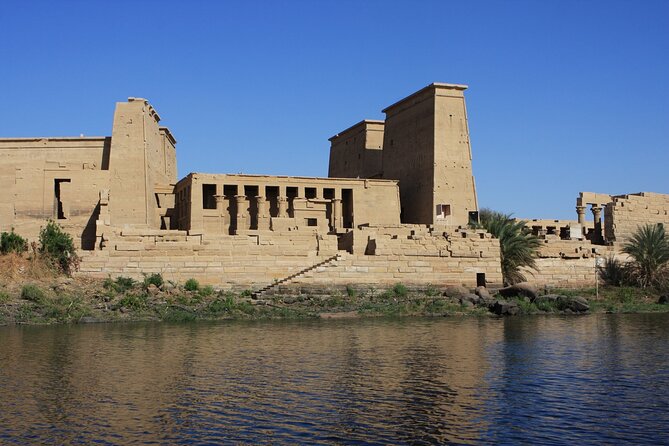
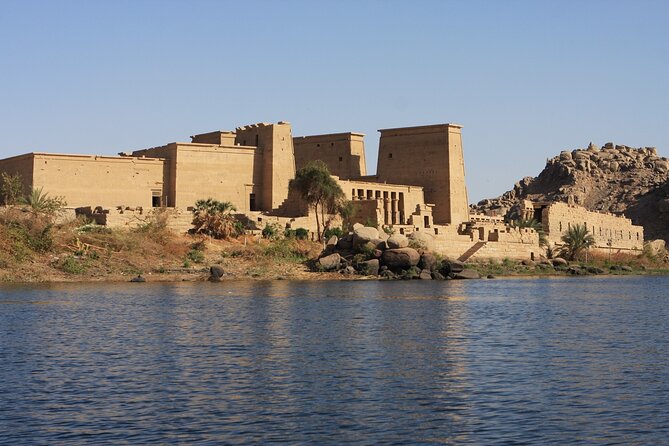
After your morning flow, you head to Aswan. The first big stop is the Temple of Philae, dedicated to Isis, described as erected during the Greco-Roman period. You’ll spend about 2 hours there, and the temple’s importance is tied to worship of Isis (mother of Horus, in the program’s framing). This is another “how to read the place” moment, because the guide can tie the visuals to what the temple was built to honor.
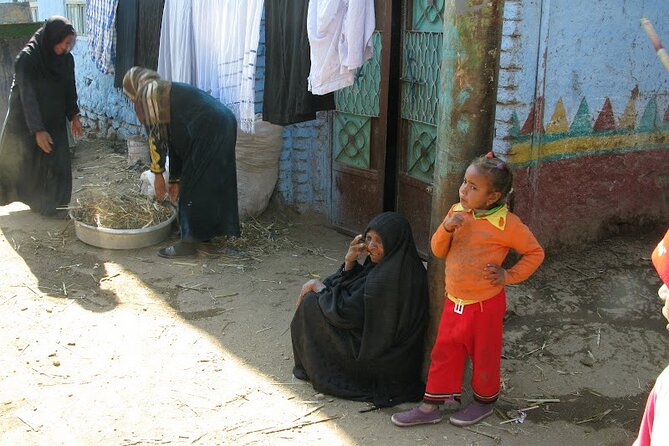
Then comes the human-scale experience: the Nubian Village. The program describes Aswan’s Nubian village with colorful painted houses and a calm, simple lifestyle. You’ll enter Nubian houses, play and take photos with crocodiles (not as a side show, but as part of how the village experience is presented), and you’ll have time to buy souvenirs, Nubian crafts, and aromatic herbs.
If you like authenticity without the performative feel, this is where you’ll probably notice the difference. You’re given a structured visit, but it’s still personal: you’re walking, talking, and moving through the village as it is, not as a museum set.
After the Nubian village stop, the day ends with transfer to your selected hotel.


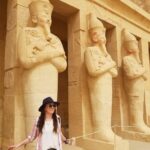
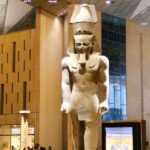
Abu Simbel Early Morning: Ramses II, Lake Nasser, and Why Timing Matters
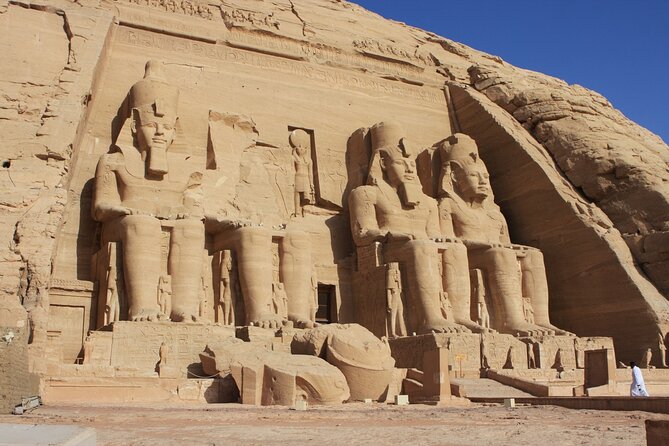
Day six is the dramatic one: Abu Simbel Temple Complex. You leave Aswan around 6:30 am so the tour can be quieter and special. Then you meet one of the Egyptologist guides, with time built in before returning to Aswan.
The travel times are big here, and it’s worth planning your day around them. The program notes about 3 hours drive each way, with around 2 hours at the temples. That gives you a meaningful window inside the site without treating Abu Simbel like a quick photo dash.
What you’ll see is the temples built by Ramses II. The tour explains the history tied to the flooding from Lake Nasser. When rising waters would submerge Abu Simbel, the program describes how the temples were dismantled and rebuilt higher up on the hill where they stand today. That context matters because it turns the monument from “old rock” into “human engineering and cultural survival.”
This is also the moment where your guide’s explanations can change your experience. If you understand the original purpose—why Ramses built it, what it meant to project power that far south—then the scale hits differently. You’re not only seeing something massive. You’re seeing something that was saved.
Practical tip: because you’re up early, protect your energy. Pack water, wear sun protection, and keep your schedule flexible once you return to Aswan.
Price and Logistics: Does $789.79 Feel Worth It?
At $789.79 per person for roughly 6 days, the big question is what you actually get for your money. Here’s how the value works.
You’re paying for:
- Private, air-conditioned vehicle transport for transfers listed throughout the trip
- Airport arrival and departure assistance
- Guides with Egyptology credentials (the package states a French-speaking tour guide diploma in Egyptology)
- Many meals included: lunch, breakfast, dinner (plus reception support)
- Accommodation (the inclusions mention a simple and clean farmer’s house)
You’re not paying for:
- Entrance tickets (Giza, museum, Luxor sites, Philae, and Abu Simbel are listed as admission tickets not included)
- Visa and international flights
- Tips and personal expenses
So the value depends on how you handle entrances. If you already know you’ll visit museums and monuments anyway, this packaged approach can feel efficient because it bundles transport, trained guiding, and meal planning. If you’re trying to minimize total spending by skipping ticketed sites, you’ll need a different style of trip.
Also, the tour includes features like pickup, group discounts, and mobile ticket. Even if the discount details aren’t specified here, those inclusions are usually helpful for reducing “where do I go next” confusion.
Who Should Book This (and Who Might Want a Softer Pace)
I think this tour fits best if you:
- Want a big-sites-and-real-life blend rather than only temples
- Enjoy learning context and want Egyptologist-led explanations
- Are okay with long days and early mornings (especially Abu Simbel)
- Like travel that stays organized, with transfers and meals handled
It might be less ideal if you:
- Hate paying separate entrance fees and prefer a fully ticketed rate
- Get cranky when plans run on a schedule (this trip uses fixed visit blocks like Karnak time, plus major driving days)
- Want a slow, unstructured rhythm. This one is more “guided and moving” than “wander forever.”
On the staff side, the trip quality seems strong in the real world. In past experiences with Egyptethique, guides and coordinators such as Mohamed Zaki, Mohamed Rabie, and Chery in Cairo have been praised for organization and clear guidance. That sort of consistency matters when your days include sleeper trains, early departures, and multiple high-demand sites.
Should You Book Discovery Egypt: Cairo, Luxor, Aswan and Abu Simbel (06 days)?
If your goal is to see the essentials of Egypt’s monuments while still getting local-life moments, I’d say this is a solid choice. The biggest strengths are the Egyptologist guidance, the way the schedule mixes ancient sites with village culture, and the planning that avoids wasting full days on transit.
My main “think twice” point is the cost of entrance tickets and the physical rhythm of temple days plus an early Abu Simbel wake-up. If you budget for entrances and show up with comfortable shoes and patience, you’ll likely feel like you’re getting more than just sightseeing boxes checked.
FAQ
How long is the Discovery Egypt Cairo to Abu Simbel tour?
It’s listed as about 6 days.
Where does the tour start?
It starts in Giza, Egypt, with airport pickup on arrival in Cairo. The start time is listed as 6:00 am.
Do I get picked up from my hotel?
Yes. The program states pickup is offered and you’ll be picked up from your hotel in Cairo or Giza for the Giza day.
Are entrance tickets included?
No. The program states admission tickets are not included for multiple stops such as the pyramids, the museum, Valley of the Kings, and Abu Simbel.
Do I travel from Cairo to Luxor by train?
Yes. After Khan el-Khalili, you transfer to the station for a sleeper train to Luxor (around 10 hours).
How much time do I spend at Abu Simbel?
The program notes about 2 hours at the temples, with around 3 hours drive each way.
What meals are included?
The package includes breakfast, lunch, and dinner, plus reception and assistance at arrival and departure.
Is there accommodation included?
Yes. Accommodation is included, described as a simple and clean farmer’s house in the inclusions list (along with overnight stays during the trip).
Do I need an entry visa?
Yes. Entry visa and departure tax and international flights are listed as not included.
Can I get a refund if I cancel?
Yes. Cancellation is free up to 24 hours in advance for a full refund.
What happens if the weather is poor?
The experience requires good weather. If it’s canceled due to poor weather, you’ll be offered a different date or a full refund.