REVIEW · GIZA
Private Tour to Giza Pyramids, Sphinx, Saqqara Pyramids & Memphis
Book on Viator →Operated by Egypt Daily Tours · Bookable on Viator
One day in Egypt can feel like a long list. This one actually links the dots. You’ll pair the Giza Pyramids and Sphinx with a private visit to Saqqara and Memphis, so you see more than the usual postcard stops. I like that it’s private, so your guide can pace the day to your interests, and I love the included air-conditioned vehicle plus mineral water to keep you sane in the heat. Still, there’s one catch: this is a see-it-all itinerary, and if your guide keeps explanations short, you’ll want to ask questions to get the most out of it.
Here’s the other thing to plan for: entrance fees and meals aren’t included. That means your total cost will depend on what you buy on-site (and optional add-ons like camel rides). The good news is you’ll have hotel pickup and drop-off, an Egyptologist guide, and enough time at each major site to get oriented without rushing like you’re late for the pyramids’ group selfie.
In This Review
- Key Takeaways Before You Go
- Why This Giza and Saqqara Mix Is a Smart Day Plan
- Getting There Smoothly: Pickup, Private Car, and Cooling Off
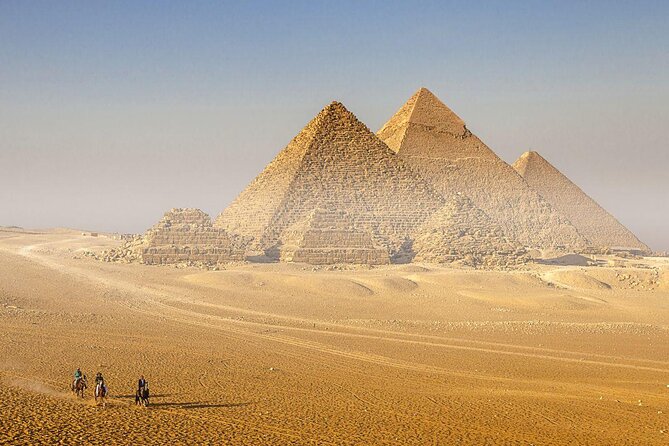
- Pyramids of Giza: 3 Hours to See Khufu, Khafre, and Menkaure
- Great Sphinx: A Short Stop That Still Matters
- Saqqara’s Step Pyramid (Djoser): Old Kingdom Energy After Giza
- Memphis and the Statue of Ramses II: The Capital Story You’ll Miss Otherwise
- Price and Value: What $30 Buys You (and What It Doesn’t)
- Staying Cool and Comfortable When You’re in Full-Day Mode
- How to Get the Most From a Private Egyptologist Guide
- Who This Tour Suits Best
- Should You Book This Private Giza, Sphinx, Saqqara, and Memphis Tour?
- FAQ
- What’s the duration of this private tour?
- Is pickup and drop-off included?
- Is the tour truly private?
- Are entrance fees included for the pyramids and other sites?
- What’s included in the tour price?
- Do I need to bring money for optional extras?
- What if I need to cancel?
Key Takeaways Before You Go
- Private tour means your group only with a dedicated guide for the day
- Hotel pickup/drop-off saves you time and avoids Cairo-Giza traffic stress
- Air-conditioned comfort + bottled water helps when the sun is doing its thing
- Saqqara is the real culture shift after Giza’s giants
- Memphis adds the Old Kingdom story with a Ramses II statue visit
- Entrance fees aren’t included, so budget a bit beyond the tour price
Why This Giza and Saqqara Mix Is a Smart Day Plan
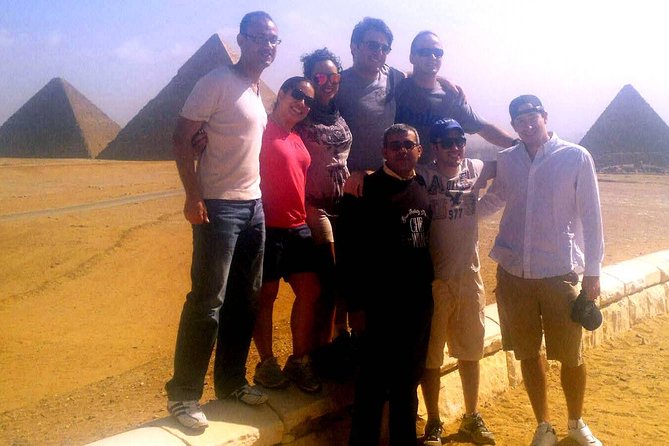
A lot of Cairo visitors treat Giza like a one-and-done stop. That’s fine if you’re chasing the big skyline view. But if you want the bigger picture—how Egypt’s architecture, power, and beliefs evolved—this route makes more sense. You start with the famous pyramids, then you go forward in time and scale to Saqqara’s Step Pyramid era, and finish with Memphis, tied to Old Kingdom rule and culture for thousands of years.
The best part is the pacing. You get a solid window at the pyramids (3 hours), then a quick but meaningful Sphinx stop (30 minutes), followed by two hours at Saqqara and about an hour at Memphis. It’s long enough to feel like a full excursion, but not so long that you’re staring at ancient stones just to say you did it.
You can also read our reviews of more private tours in Giza

Getting There Smoothly: Pickup, Private Car, and Cooling Off
This tour is built around hotel convenience. You get pickup and return to your Cairo or Giza hotel, which matters because the time cost of getting yourself to sites on your own can be brutal—especially if you’re juggling traffic and heat.
Inside, you’re in a private air-conditioned vehicle with mineral water included. That’s not a small detail. In Egypt, the difference between a good day and a miserable one often comes down to shade, breathability, and hydration. This setup lets you arrive ready to look closely, not already worn out.
It’s also a private tour/activity, meaning only your group participates. That’s great for families, couples, and anyone who wants to move at their own rhythm instead of waiting for a tour pack.
Pyramids of Giza: 3 Hours to See Khufu, Khafre, and Menkaure
Your day starts at the Pyramids of Giza for about 3 hours. This is the place where you’ll recognize the names before you even see them: the pyramid of Cheops (Khufu), Chephren (Khafre), and Mykerinos (Menkaure). Seeing them in a planned way helps, because it’s easy to get overwhelmed the moment you step into the scale of it.
With a private guide, you can focus on what actually helps you understand the site:
- what distinguishes each pyramid’s look and position
- how the monuments relate to the wider Giza landscape
- what to watch for while you’re there (since the “best angles” aren’t always the most obvious ones)
Admissions aren’t included here, so you should plan on paying entrance fees separately. Also, bring practical basics: sunscreen, a hat, and comfortable shoes with grip. You’ll be walking in sun, and stone surfaces can be hot enough to feel like they’re reflecting the day back at you.
The one drawback of a pyramid-heavy start: you can feel rushed if you don’t slow down on purpose. Use your guide and ask for context before you chase photos. It turns the pyramids from a backdrop into something you can actually read.
Great Sphinx: A Short Stop That Still Matters
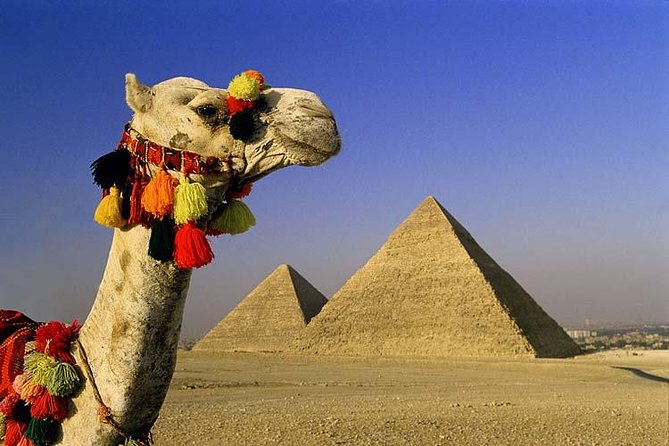
Right at the foot of the Pyramids, you’ll stop at the Great Sphinx. The visit is about 30 minutes, and the Sphinx is often where your brain shifts from “wow, monuments” to “who built this and why.”
Key details to remember while you’re there:
- it’s shaped as the head of a pharaoh with a lion’s body
- it’s dated to the time of Chephren (Khafre)
- it was discovered in 1912
Admission is free for this stop in the information provided, which is a nice bonus and means you can spend your budget on other parts of the day.
Because the stop is short, you’ll get the most out of it by choosing one or two things to focus on—like the Sphinx’s scale from different angles or the way it sits in relation to the pyramids. Don’t try to “collect everything” in 30 minutes. Instead, get one strong understanding and a few solid photos.
Saqqara’s Step Pyramid (Djoser): Old Kingdom Energy After Giza
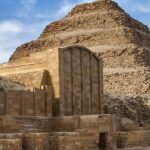
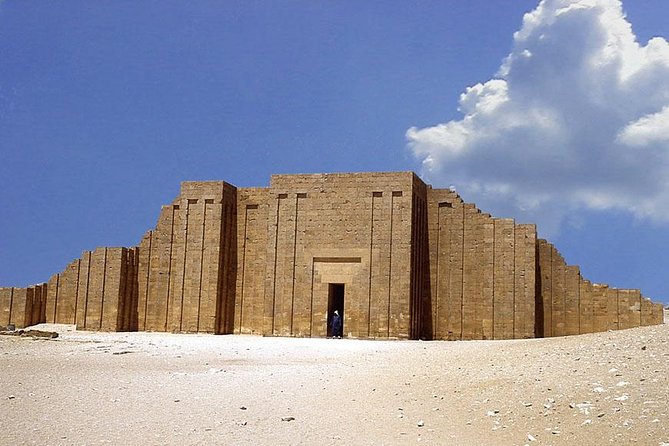
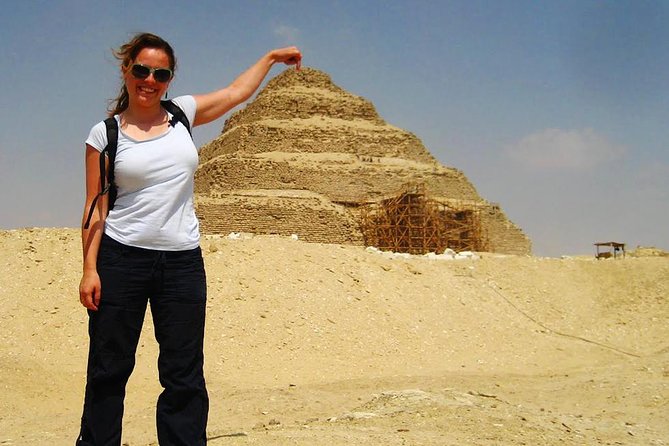
Then you head to Saqqara (Sakkara), about 2 hours on-site. If Giza is all sharp geometry and mega-scale, Saqqara gives you something different: a sense of Egypt working out big ideas over time.
The star is the Step Pyramid of Djoser, described as the world’s oldest major stone structure. It was built in the 3rd Dynasty, around 2630 BC, for King Djoser. The area itself is often referred to as the City of the Dead, which helps explain why it feels like more than just an archaeological park. It’s a place tied to beliefs about burial, the afterlife, and royal legacy.
Admissions aren’t included, so budget separately. Also, expect Saqqara to be physically less predictable than you might imagine. Some sections can involve uneven ground. Wear shoes that let you walk confidently, and if you’re sensitive to heat, plan to take shade breaks when you can.
One practical strategy: use the guide time here for “meaning.” Ask why the Step Pyramid matters compared to the smoother pyramids you’ve just seen. That comparison is where Saqqara becomes more than another stop on a list.

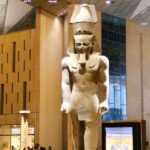
Memphis and the Statue of Ramses II: The Capital Story You’ll Miss Otherwise
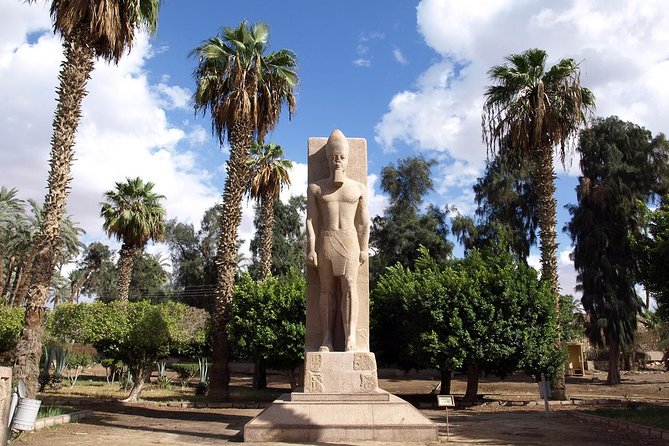
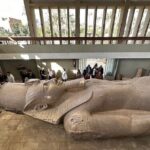
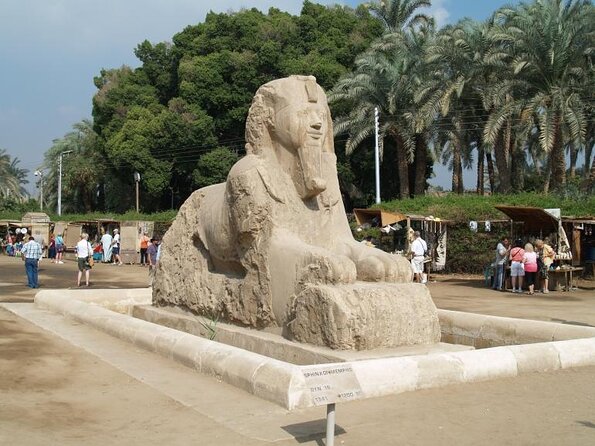
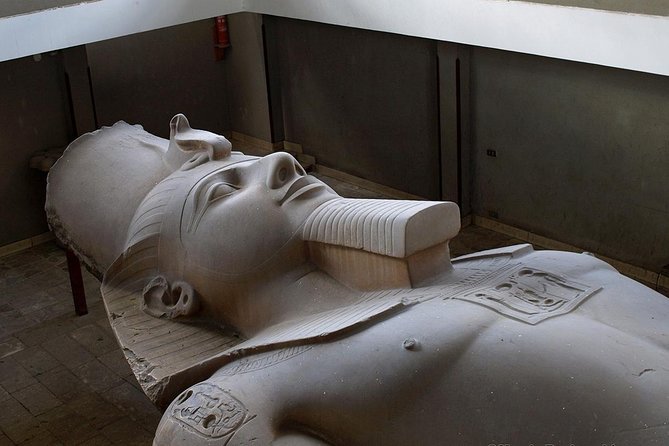
After Saqqara, you’ll go to Memphis for about 1 hour. Memphis is described as the capital of Egypt during the Old Kingdom, and a center of rule and culture for over 3,000 years, including being considered the first capital.
Here’s what you’re likely to see during this stop: the Statue of Ramses II. Even if you’re not a statue person, this visit helps connect the big pyramid era to the broader story of Egyptian power and identity.
Because the Memphis portion is shorter, don’t expect a museum-length experience. It’s more of a stop for context—like turning a page after Giza and Saqqara. If you want deeper background, this is where you ask your guide direct questions. For example:
- How does Memphis relate to what you saw at Saqqara?
- Why does the Old Kingdom feel so tied to these monumental building projects?
One consideration: since time is limited, you may need to decide in advance whether you want more time for photos or more time for explanation. The private nature of the tour helps here—you can usually steer the balance.
Price and Value: What $30 Buys You (and What It Doesn’t)
The price is listed at $30 per person. For a full day that includes hotel pickup and return, a private air-conditioned vehicle, a qualified Egyptologist guide, and mineral water on board, that can represent good value—especially if you’re traveling as a couple or small group where private transport can be expensive on its own.
But you should budget for what’s not included:
- entrance fees for the sightseeing stops
- food and drinks
And if you’re the type who likes optional extras, keep in mind that camel riding may be offered as an add-on. One practical detail shared with you here: camel riding has been reported as 500 EGP. That doesn’t mean you must do it. It just means you’ll want to decide early so you’re not making that choice while tired and sun-beat.
Also, the overall experience can hinge on how talkative your guide is for your group. Some guides provide a minimum amount of information and focus more on getting you from point to point. If you want richer storytelling, go in ready with a few questions about Giza versus Saqqara, and what the Sphinx and Step Pyramid symbolize.
Staying Cool and Comfortable When You’re in Full-Day Mode
This is a 7 to 8 hour day, and the schedule is active. Your comfort comes down to small choices:
- start hydrated (water is included on board)
- bring sun protection
- wear shoes you don’t mind getting dusty
- plan to move slowly during the hottest stretches
The tour does help with comfort. You have air-conditioning in transit and bottled water included, which reduces the “grind” factor. Still, Egypt’s sun doesn’t care about your itinerary. Treat the day like a walking tour with major stops, not a sit-down sightseeing program.
If you’re visiting as a family, this setup often works well because the private aspect can reduce waiting. Kids usually do better when they’re not stuck listening to a long lecture, so you can ask your guide to keep explanations short where needed.
How to Get the Most From a Private Egyptologist Guide
A private guide is only valuable if you use it. Here’s how to make that happen without turning the day into an interrogation:
- Ask for the “why” at each stop, not just the “what.”
- Pick one comparison: Giza pyramids vs Saqqara Step Pyramid.
- Ask what to look for as you walk, so you’re not just aiming a camera.
If your guide keeps explanations brief, it’s still not a disaster—you just need to steer. A quick question can unlock better understanding fast. And because you’re private, you can usually adapt the pacing. That freedom is the real advantage here.
It’s also worth remembering that some optional purchasing can show up around big-ticket sights. If you’re considering a camel ride, decide based on your own comfort and budget. You’ll get a better experience when you’re not feeling nudged by the moment.
Who This Tour Suits Best
This tour is a strong match if you:
- want the classic Giza sights without spending your day juggling logistics
- care about the bigger ancient story beyond just the pyramids
- prefer a private format over crowded group travel
- want a guide to give structure to what you’re seeing
It’s also a good pick for people who want to hit Saqqara and Memphis in one day. Those sites are important, and they’re the kind of places you might skip if you only have time for one stop.
If you’re traveling solo and want flexibility, private pickup can be a big win. If you’re in a group, you’ll probably appreciate the ability to stick together and avoid time lost waiting for others.
Should You Book This Private Giza, Sphinx, Saqqara, and Memphis Tour?
Yes—if you want a full ancient-circles day that goes beyond the usual Giza-only plan. The combination of Giza + Sphinx + Saqqara + Memphis is exactly the kind of route that helps your understanding click, and the included comfort features (private air-conditioned vehicle, bottled water, hotel pickup/drop-off) make it easier to enjoy rather than just survive the day.
Book it with two expectations:
1) entrance fees and meals are extra, so plan your budget accordingly
2) because it’s a private tour, your satisfaction will rise if you actively ask questions and guide the pacing
If you want a straightforward, classic highlights sweep with minimal thinking, you could choose something simpler. But if you like structure, context, and seeing Egypt’s story in sequence, this one is worth it.
FAQ
What’s the duration of this private tour?
The tour runs about 7 to 8 hours.
Is pickup and drop-off included?
Yes. Pickup from your hotel and return are included, including Cairo or Giza hotels.
Is the tour truly private?
Yes. It’s listed as a private tour/activity, with only your group participating.
Are entrance fees included for the pyramids and other sites?
No. Entrance fees are not included for the sightseeing stops mentioned.
What’s included in the tour price?
Included are private air-conditioned vehicle, a qualified Egyptologist guide, mineral water on board, all service charges and taxes, and hotel pickup and drop-off.
Do I need to bring money for optional extras?
It’s a good idea. For example, camel riding may be offered as an add-on, and one reported price is 500 EGP.
What if I need to cancel?
You can cancel for free up to 24 hours in advance for a full refund.