Cairo’s Islamic quarter is made for slow walking. This private route strings together Al Muizz Street, Khan El-Khalili, and the Al Azhar Mosque so you see the city’s medieval “everyday life” in one focused afternoon. You start at Bab El Fotouh and end at a place where Islamic education has been going on for centuries.
I love how the walk mixes stone-and-stories with real market energy. The street-level details on Al Muizz Street (gates, water fountains called sabeels, and traditional schools called kuttabs) make the past feel close, not like museum stuff. And the Khan El-Khalili section gives you time to browse and actually look.
One possible drawback: this is a walking tour, and parts of it run through busy streets and bazaars. If you get tired easily, build in extra breaks and wear comfy shoes—your feet will do a lot of the sightseeing.
In This Review
- Key Things to Know Before You Go
- Islamic Cairo, on Foot: What This 4-Hour Route Really Covers
- Meet at Bab El Fotouh and Walk Al Muizz Street Like an Open-Air Museum
- Khan El-Khalili Market Stops: What You’ll See, What You’ll Miss, What You Can Skip
- Al Azhar Mosque: A Thousand-Year-Old Teaching Place You Can Actually Feel
- Price and Logistics: Why This One Costs $50 and Feels Reasonable
- How the Private Format Changes Your Walking Day
- Timing Tips: How to Plan for Bab Zewaila and the Bazaar Switch
- What to Wear, Bring, and How to Handle Busy Streets
- Who This Tour Suits Best (and Who Might Want a Different Option)
- Should You Book This Islamic Cairo Walking Tour?
- FAQ
- How long is the Islamic Cairo walking tour?
- What does the tour cost per person?
- Does the tour include hotel pickup and return?
- Is this a private tour?
- Are entry fees included?
- Is a mobile ticket provided?
- What are the main stops on the route?
- Can I cancel for free?
- Is the tour near public transportation?
Key Things to Know Before You Go
- One route, three icons: Bab El Fotouh area, Khan El-Khalili, and Al Azhar Mosque in about four hours.
- Open-air Al Muizz Street: expect a long stretch of historic monuments and old gates.
- Sabeels and kuttabs: you’ll notice everyday civic and educational features, not just big landmarks.
- Khan El-Khalili with craft stops: you get time to shop around Ghoria and the Tent Maker Bazaar area.
- Private and pickup-included: hotel pickup/return keeps your day from turning into a logistics game.
- Entry fees included: you don’t have to hunt ticket lines mid-walk.
Islamic Cairo, on Foot: What This 4-Hour Route Really Covers
This is the kind of tour that makes sense in Cairo. You get a tight loop through historic Islamic Cairo, with enough time to look closely at architecture and still have breathing room for the bazaar buzz.
The pacing is built around landmarks that sit close together geographically, so you’re not spending your time on transfer rides. Instead, you’re walking a key corridor—Al Muizz Street—then shifting into the market zones that grew around it.
You can also read our reviews of more walking tours in Cairo

Meet at Bab El Fotouh and Walk Al Muizz Street Like an Open-Air Museum
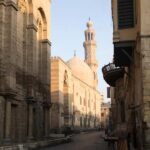
You’ll start after hotel pickup, heading to Al Muizz Street through Bab El Fotouh. That’s a smart entry point because the street doesn’t just feel historic—it behaves like a museum that still has life in it.
This stretch is about one kilometer long and described as an open-air museum. As you stroll, you’ll see a cluster of historic monuments, including ancient mosques and the civic infrastructure people needed day to day. Two details worth fixing in your mind: sabeels (public water fountains) and kuttabs (traditional schools). Those aren’t just decorative terms—seeing them helps you understand how communities worked, not only how they prayed.
You’ll also pass major old gates tied to the story of Old Islamic Cairo, such as Bab El Fotouh, Bab El Nasr, and Bab Zewaila. And along the way, you may notice traditional bath areas. These stops matter because they show how the city functioned as a living system—religion, education, water, and public movement all stitched together.
Time note: this section runs about two hours, with admission ticket included. Two hours is a good length for slow looking. Still, it’s long enough that you’ll want to keep your energy steady for the bazaar afterward.
Khan El-Khalili Market Stops: What You’ll See, What You’ll Miss, What You Can Skip
Next comes Khan El-Khalili, one of the oldest markets in Egypt. This is where you switch from architectural sightseeing to human-scale Cairo: shopfronts, alleys, voices, and constant motion.
Khan El-Khalili is also a place where your guide’s job gets practical. Without context, the market can turn into just another place to shop. With context, you start noticing patterns—what people sell, where crafts cluster, and how the market relates back to Al Muizz Street and nearby monuments.
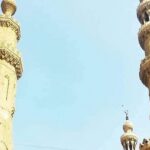
From there, you cross back toward the other section of Al Muizz Street and reach Al Azhar Mosque as a major anchor. That timing works well because the mosque is a mental reset. After the market noise, the mosque’s calm arcades and towering minarets make a real contrast.
You’ll continue toward Ghoria to see Bab Zewaila and the nearby Khaimia or Tent Maker Bazaar. That’s a great pocket for color and craft. If textiles and handmade details are your thing, this is the moment to focus your browsing instead of spreading attention everywhere.
Time note: this market-and-mosque pairing runs about 1.5 hours, with admission ticket included. The benefit of this shorter segment is that you don’t feel forced to “do everything.” The downside is you may not have unlimited time for deep shopping. If you love bargaining and want a long shopping mission, you might plan extra time on your own later.
Al Azhar Mosque: A Thousand-Year-Old Teaching Place You Can Actually Feel
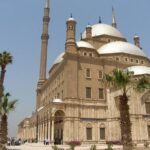
The tour’s finishing highlight is Al Azhar Mosque, one of the most renowned mosques for Islamic education. You’re not just seeing a pretty building. You’re visiting a place tied to centuries of learning and religious scholarship.
The setting is described as a thousand-year-old masterpiece with towering minarets and serene arcades. Those arcades matter because they give you shade and breathing room in a city that can feel intense. Even if you don’t know the full academic story, you’ll likely recognize the atmosphere: quiet movement, respectful visitors, and a sense that the space is meant for contemplation.
Al Azhar was built by the Fatimid Caliphate, and it remains home to a prestigious Islamic studies institution. That combination—major historical origin plus ongoing function—gives the visit weight. It’s not a “stage set.” It’s an active religious and educational center.
One practical thing to expect: the mosque visit comes after walking through market areas. That means you’ll want to keep your expectations flexible. You’ll probably move slower here, and the vibe will shift from street noise to inward focus.
Price and Logistics: Why This One Costs $50 and Feels Reasonable
At $50 per person for a four-hour private walking tour, the key value isn’t just the route—it’s what you don’t have to manage yourself.
You get hotel pickup and return, a bottle of mineral water, and all entry fees plus service charges and taxes. For many Cairo experiences, those “small extras” add up fast. Here, the total is bundled so you can budget without doing math mid-trip.
Also, this is a private tour, meaning it’s only your group. That matters in a place like Islamic Cairo. You can go at a pace that fits your comfort level, ask more direct questions, and spend more time on what you care about—architecture, learning context, or market browsing.
There’s also mention of a mobile ticket and group discounts. The mobile ticket is useful because it reduces paper juggling. The group discount angle is handy if you’re traveling with friends and can book together.


How the Private Format Changes Your Walking Day
Even with a good route, Cairo can be a “find your way” test. That’s exactly why pickup and private guiding matter here.
The driver is described as efficient and friendly, and the guide is praised for punctuality and preparation. In plain terms: you’re less likely to waste your limited sightseeing hours waiting at the wrong pickup point or slipping behind because traffic moved differently than expected.
And the guide quality is a big deal on this tour. The best part of these Islamic Cairo sites isn’t just what you see—it’s what you understand. In feedback, people highlight story-based explanations that make places feel alive. That’s what turns a list of monuments into a real experience.
If you like tours that help you connect the dots—like how gates, schools, and civic fountains fit into the same urban story—this format will suit you.
Timing Tips: How to Plan for Bab Zewaila and the Bazaar Switch
This tour is about balance: street corridor first, market second, mosque anchor throughout. When you’re planning your day, protect your energy early. Al Muizz Street is long enough that you should start with comfortable momentum.
A good strategy is to treat Khan El-Khalili as your “browse window,” not your “complete shopping mission.” You’ll want time to look, compare, and maybe pick one or two meaningful items. Tent Maker Bazaar areas focused on colorful textiles and crafts are where you’re most likely to enjoy browsing without feeling you must buy.
Then you finish with Al Azhar Mosque, where you’ll likely slow down again. That shift is a feature, not a flaw. It gives you a natural rhythm: moving, then resting, then returning to calm.
What to Wear, Bring, and How to Handle Busy Streets
You’ll be walking a lot, including market lanes. Wear shoes you can trust for uneven pavement and long standing. Bring a light layer too, because Cairo weather can shift quickly through the day.
You’ll get a bottle of mineral water included, which is a relief. Still, if you’re sensitive to heat or you tend to drink more than average, you might add an extra bottle on your own.
For mosque visits, plan to dress respectfully. The tour specifically includes Al Azhar, so your clothing choices will matter for comfort and smooth entry.
And bring patience for the street atmosphere. Even on a guided day, you’ll move with crowds at times. The payoff is that you’re seeing these places in a real context, not isolated behind ropes.
Who This Tour Suits Best (and Who Might Want a Different Option)
This tour fits best if you want a focused introduction to Islamic Cairo without juggling tickets, transit, and route decisions.
It’s especially good for:
- First-time visitors who want a guided orientation through Al Muizz Street and the Khan El-Khalili area.
- People who like architecture with context—gates, civic fountains, schools, and religious buildings.
- Travelers who prefer private guiding so the pacing matches their comfort.
You might consider a different option if:
- You want a long, uninterrupted shopping session. This route balances sightseeing and browsing, so shopping time is limited by design.
- You struggle with walking in busy areas. It’s still doable for many people, but you should be realistic about time on your feet.
Should You Book This Islamic Cairo Walking Tour?
If you want one efficient afternoon that connects Cairo’s Islamic quarter—from gates and street architecture to a famous bazaar and Al Azhar Mosque—this is an easy yes.
The biggest reasons to book are practical: hotel pickup, entry fees included, and a private guide who turns the route into a story you can follow. Add the structure—Al Muizz Street first, Khan El-Khalili next, Al Azhar as the calm anchor—and you get a day that feels organized without feeling rushed.
My take: at $50, you’re paying for time saved and context provided. For most visitors, that’s the exact kind of value that makes Cairo sightseeing enjoyable instead of exhausting.
FAQ
How long is the Islamic Cairo walking tour?
The tour lasts about 4 hours.
What does the tour cost per person?
The price is $50.00 per person.
Does the tour include hotel pickup and return?
Yes. Pickup services from your hotel and return are included.
Is this a private tour?
Yes. It’s a private tour/activity, and only your group will participate.
Are entry fees included?
Yes. All entry fees are included, and admission tickets are included for the stops that require them.
Is a mobile ticket provided?
Yes. The experience includes a mobile ticket.
What are the main stops on the route?
The tour covers Al Muizz Street starting near Bab El Fotouh, Khan El-Khalili and nearby areas including Ghoria and the Tent Maker Bazaar area, and it concludes with a visit to Al Azhar Mosque.
Can I cancel for free?
Yes, free cancellation is available. You can cancel up to 24 hours in advance for a full refund.
Is the tour near public transportation?
Yes. It is listed as near public transportation.