REVIEW · CAIRO
Islamic Cairo Walking Tour: Khan el Khalili, Al-Azhar Mosque
Book on Viator →Operated by Deluxe Travel · Bookable on Viator
Old Cairo looks different when you walk it.
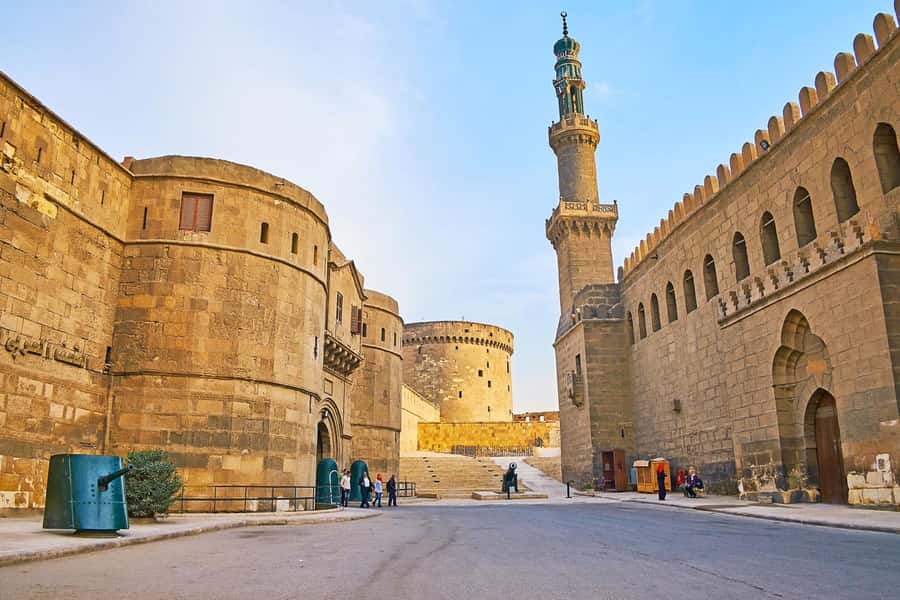
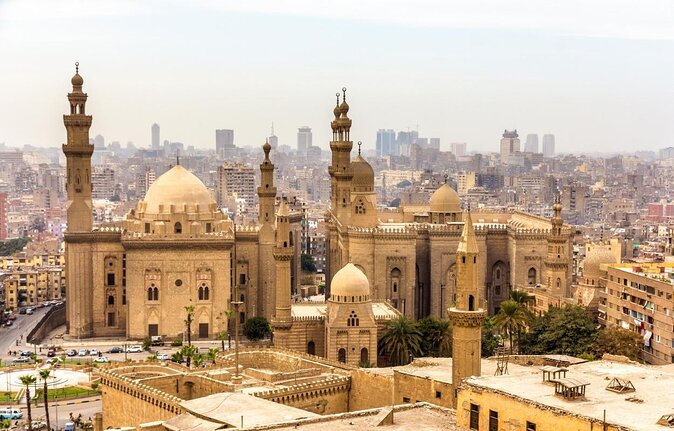
This tour strings together Al Muizz Street (through the Islamic quarter), the Khan el Khalili market lanes, and a visit to Al-Azhar Mosque, so you see how religion, learning, and everyday street life sit side by side. I like that it keeps you moving on foot through iconic gates like Bab El Fotouh, and I also like the small-group feel with guides such as Zizou, Tito, Hussein, and Zanaty showing the details without turning it into a lecture.
One thing to plan for: you need moderate physical fitness for a multi-hour walk on old uneven sidewalks, and the day is active even though the mosque stop itself is short.
In This Review
- Key things that make this Cairo walk worth your time
- Why Islamic Cairo on foot works so well
- Pickup, transport, and what a 5-hour day feels like
- Bab El Fotouh and the long walk along Sharia Al Muizz
- The only ticket-related thing to watch
- Khan el Khalili: the market lanes that feel lived-in
- Al-Azhar Mosque: Fatimid minarets and a teaching space you can feel
- How to get more out of a short mosque visit
- Guides: why the storytelling matters more than you expect
- A fair caution if you want ultra-deep detail
- Practical tips so your day stays comfortable
- Price and value: how $52.24 works in real terms
- Who this tour fits best (and who might want a different style)
- Should you book this Islamic Cairo walking tour?
- FAQ
- How long is the Islamic Cairo walking tour?
- Is hotel pickup and drop-off included?
- Is the group size small?
- Are entry tickets included?
- Is it suitable for families and kids?
- What if I need to cancel?
Key things that make this Cairo walk worth your time
- Small group (max 12) keeps the pace comfortable and makes it easier to ask questions.
- Free hotel pickup and drop-off cuts the stress of timing in traffic.
- Bab El Fotouh to Al Muizz Street turns medieval Cairo into an outdoor walking route.
- Khan el Khalili lanes give you a realistic market feel, not just photos from the street.
- Al-Azhar Mosque visit focuses on the Fatimid-era feel and the mosque’s teaching role.
Why Islamic Cairo on foot works so well
Cairo’s old quarters can feel chaotic fast. On this type of walk, you get a guide to help you read the place: which door to notice, where the street design shifts, and why the architecture looks the way it does. Instead of bouncing between separate stops, you experience a chain of places that link together physically and historically.
I love tours like this because they help you slow down without losing time. Al Muizz Street is laid out like a long corridor of landmarks, and walking it makes the scale click. You also get plenty of moments that feel everyday rather than staged—street sounds, small shops, and those repeated architectural details you start spotting as you go.
The other big win is the guide-led context. In the best moments, you’re not just seeing buildings; you’re understanding what they were built for—water distribution points, schools, gates, and the living role of a major mosque.
You can also read our reviews of more walking tours in Cairo



Pickup, transport, and what a 5-hour day feels like
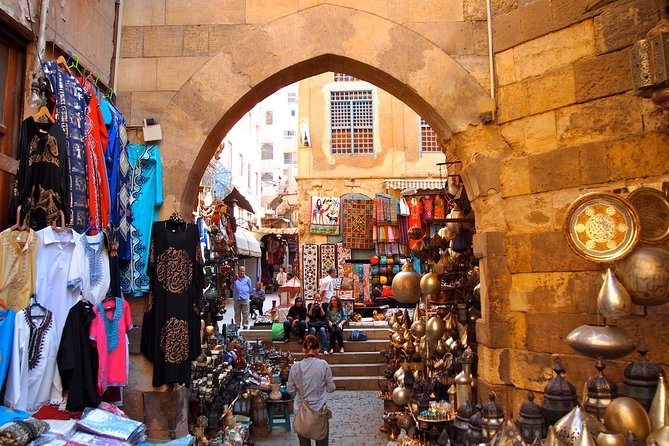
This is set up as a guided experience with transport by air-conditioned minivan plus walking on the ground. You’re picked up from your hotel, driven through parts of Cairo to reach the start point, and then you move mostly on foot through the historic area.
Plan on a day that balances movement and short stops. The walking portion is the point, and the tour structure keeps you from standing around too long. Based on the timing, expect about two hours on the Al Muizz route, about an hour through the market area, and then a short visit inside Al-Azhar Mosque.
Because it’s a moderate physical fitness style of day, wear shoes you trust. Old Cairo sidewalks are not built for flip-flops and fast sprinting.
Bab El Fotouh and the long walk along Sharia Al Muizz
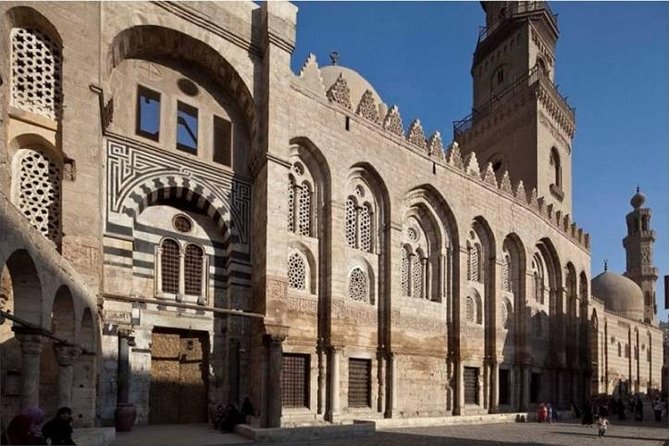
The first stretch starts with entering from one of the main gates: Bab El Fotouh. That moment matters, because it’s not just a dramatic entrance for photos. It sets the tone for how historic Cairo works—gates as thresholds, streets as corridors of multiple functions.
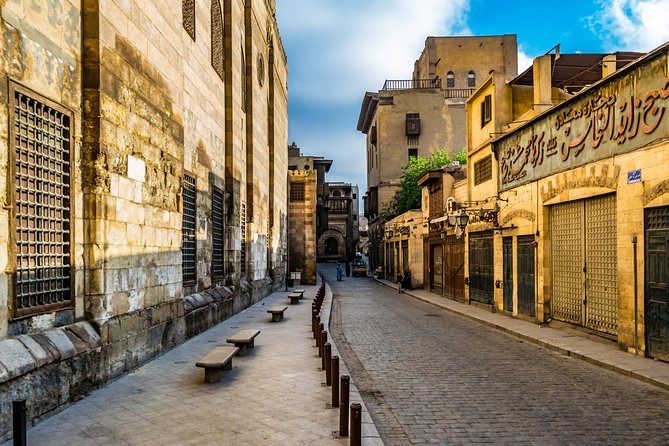
From there, the route is like an outdoor museum route stretching roughly a kilometer along Sharia Al Muizz Li-Din Allah. As you walk, you pass a mix of religious and civic landmarks, including mosques, sabeel water-serving points for passersby, and kuttabs (traditional schools). These details help you understand that Islamic Cairo wasn’t only about worship. It was also education and public services.
Your guide typically points out older gates along the way as well, such as Bab El Nasr and Bab Zeweila, plus traditional bath areas that still give you a sense of how people lived. One of the reasons this stop lands well is that the architecture repeats. Once you notice one motif, the next street corner feels like another clue.
The only ticket-related thing to watch
For this part of the day, an admission ticket is not included. That doesn’t mean it’s a huge deal, but it does mean you should budget time and money for whatever ticket is required for the specific route segment.
Khan el Khalili: the market lanes that feel lived-in
After the Al Muizz walking stretch, you transition into the Khan el Khalili market area. This is where the trip gets real. You stop seeing Cairo as a collection of monuments and start seeing it as a place where people buy, sell, and move through narrow lanes all day.
This segment is designed to be flexible and guide-led. The market connections stem from Al Muizz, so you get a sense of how the street feeds into the bazaar without needing to navigate it blindly. You’ll also cross toward the part of Al Muizz where you can get a clear view toward Al Azhar Mosque.
A nice practical bonus is that this market stop includes a chance to notice nearby zones such as Ghoria and then see Bab Zeweila close by. The route also takes you near the Khaimia (tent maker) bazaar, which gives the market a craft-focused angle instead of only a souvenir-focused one.
And yes, there’s often room for small food breaks or local treats if your guide chooses a good spot. Some guides are good at steering you toward snacks that are easy to manage on a walking schedule.




Al-Azhar Mosque: Fatimid minarets and a teaching space you can feel
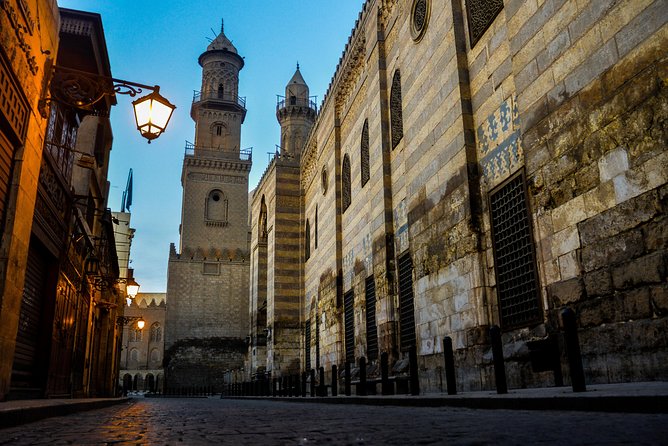
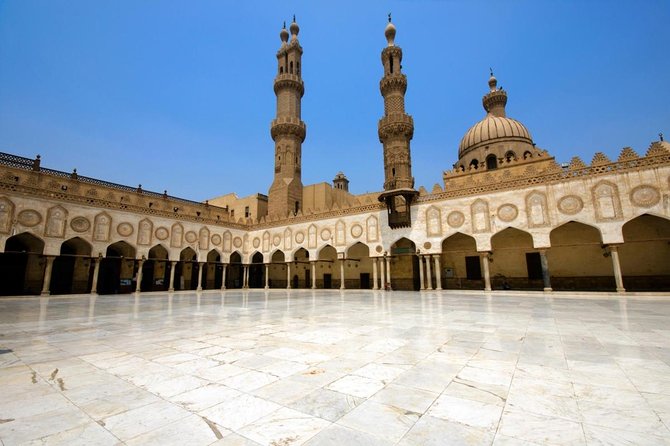
This is the centerpiece stop. Al-Azhar Mosque is one of the most prominent mosques for Islamic teaching, and the visit is built to show you how the building functions as part of learning, not just a monument.
You’re led to the mosque and given time to experience the space. The key architectural ideas you should watch for are the sturdier, older look of the minarets and the shaded arcades that make the courtyard and circulation feel calmer than the streets outside. The Fatimid Caliphate connection also helps you understand why the mosque looks the way it does, and why it’s held an educational role for so long.
A practical note: the mosque visit is short—about 20 minutes in the plan—so you won’t have time to wander like you would on your own. That’s actually a benefit if you like a guided orientation. You’ll come away with what to notice and where to look if you return later.
How to get more out of a short mosque visit
When time is tight, your questions matter. Before you head inside, ask your guide what detail is most worth seeing (a specific arch, courtyard angle, or teaching-space element). That way the visit feels targeted instead of rushed.
Guides: why the storytelling matters more than you expect
The guides are a major reason the rating stays so high. You’ll hear names like Zizou, Tito, Hussein, and Zanaty connected to the experience, and the common thread is the way they turn architecture and street life into a clear story.
In the best examples, the guide doesn’t just explain what something is. They connect it to how people lived: water served at the sabeel, schools tied to everyday life through kuttabs, and how the mosque’s teaching role shapes the space.
One standout theme from the experience is that a guide can make you notice things you might otherwise walk past. For instance, there’s sometimes room for extra context around major historical institutions in the area—like mention of the oldest hospital in the world—so you leave with more than just mosque-and-market facts.
A fair caution if you want ultra-deep detail
Not every guide’s style will match what you’re looking for. If you come wanting a very in-depth theological or academic explanation, you may find that some parts of the talk stay more general than you’d hope. The easiest fix is simple: ask for specifics early, and steer the conversation toward what you care about. The tour format still gives you the right places to see, even if the spoken depth varies.
Practical tips so your day stays comfortable
Old Cairo is walkable, but it’s not gentle. Here’s how to make the time feel smooth.
Wear solid shoes
You’ll be walking through uneven historic streets and market lanes. Choose footwear that grips and won’t tire your feet early.
Dress with respect for the mosque visit
The tour includes a mosque stop, so bring clothing that fits the expectations of a conservative setting. If you plan to cover your hair or arms, do it without last-minute panic.
Bring water and go easy on the pace
You’re out for hours. Even if the group stays compact, the streets demand attention. You’ll enjoy the day more if you don’t try to outrun your guide.
Expect sensory overload, and let the guide manage it
Cairo street life can feel intense. The value here is safety and flow. Your guide helps you stay oriented and comfortable while you move through the tight lanes.
Price and value: how $52.24 works in real terms

At about $52.24 per person, the cost can look reasonable or high depending on what you compare it to. Here, the math comes down to what’s included.
You get:
- a professional guide
- hotel pickup and drop-off
- air-conditioned minivan transport
- a small-group walking structure (max 12)
Then you have a realistic mix of included and not-included admissions. The plan notes an admission ticket not included for the Al Muizz Street segment, while the market and mosque admissions are marked as free.
So the value is mostly about the guided route and the way it strings landmarks together. If you were to do this on your own, you’d still spend time figuring out where to enter (like Bab El Fotouh), how to sequence Al Muizz and Khan el Khalili, and what to notice at Al-Azhar Mosque. Paying for that guidance buys you time and clarity.
Also, there are group discounts mentioned, and that can make the per-person price drop if you travel with others.
Who this tour fits best (and who might want a different style)
This is a strong pick if you want a guided overview of Islamic Cairo with enough time at each stop to get oriented. It’s also family friendly, and the small-group size means the guide can keep an eye on the group and adjust the pace.
It can be a great option for first-timers who feel unsure about walking through Khan el Khalili on their own. With a guide like Tito or Hussein, you get the added comfort of route help and context that turns the streets into something you can actually understand.
It may be less ideal if you want a long, slow museum-style experience, or if you want deep academic explanation at every stop. The mosque time is brief by design, and the day moves on foot. You’ll still see the key places, but the format isn’t a multi-hour deep lecture.
Should you book this Islamic Cairo walking tour?
I think you should book this one if your goal is to get your bearings fast and then see the big names with the right context: Al Muizz Street, Khan el Khalili, and Al-Azhar Mosque. The small-group size, free pickup/drop-off, and professional guiding style make it feel like a smart use of a Cairo day.
Book it with one expectation: it’s an active walking tour, not a slow sit-down history class. Wear good shoes, bring respect for the mosque setting, and come ready to ask questions. If you do that, you’ll get a memorable street-level view of Islamic Cairo that you can build on later.
FAQ
How long is the Islamic Cairo walking tour?
It runs about 5 hours (approximately), with walking time across the historic route plus a short visit to Al-Azhar Mosque.
Is hotel pickup and drop-off included?
Yes. Hotel pickup and drop-off are included, and transport is done by air-conditioned minivan. Pickup outside the city may have an extra charge.
Is the group size small?
Yes. The tour has a maximum of 12 travelers, which helps keep the experience more personal.
Are entry tickets included?
For the Sharia Al Muizz Li-Din Allah portion, an admission ticket is not included. For Khan el Khalili and Al-Azhar Mosque, admission is listed as free.
Is it suitable for families and kids?
The tour is described as family friendly, and it’s set up as a guided walk through the historic quarter.
What if I need to cancel?
You can cancel for a full refund up to 24 hours before the experience starts. If you cancel less than 24 hours before, the amount paid is not refunded.