REVIEW · CAIRO
Day tour to Islamic Cairo
Book on Viator →Operated by Egypt online tour · Bookable on Viator
Old Cairo gets real when you follow faith.
This day tour is interesting because it links landmark mosques with everyday neighborhood life, starting at Al-Azhar Mosque and (if your date is Friday) timing the visit around Jumm’ah prayers. I also like that lunch is built in as Egyptian koshari, so you are not hunting for food mid-schedule. One thing to keep in mind: it is a full, walking-heavy day, so comfortable shoes matter, and you should double-check your exact pickup time because the tour notes show both a 10:00 am start and a 10:00 pm time.
You get a real local rhythm, not just a checklist. Pickup and drop-off are included from hotels in Cairo or Giza, and you travel in a private air-conditioned vehicle with an expert guide plus entrance fees, taxes, snacks, and lunch taken care of. If you like clear organization and a guide who can explain what you are seeing, this fits well.
Finally, a quick heads-up on the practical side: the itinerary includes active mosque visits and time in mosque-area shopping streets. That means you will want to dress modestly and be ready for crowd flow and tighter areas during peak times.
In This Review
- Key things I’d circle before you book
- Islamic Cairo in one day: why this route works
- Timing, pickup, and the one detail worth confirming
- Al-Azhar Mosque: the centerpiece, and why Friday changes everything
- Al-Hussien Mosque area: shopping time that actually makes sense
- Koshari lunch: how to fuel a long mosque day
- Sayyeda Zeinab Mosque: 7th-century roots tied to a real location
- Sayyida Nafisa Mosque: built by Abbas Helmy II, not just ancient layers
- Amr Ibn al-As Mosque: the oldest mosque in Africa on Egyptian soil
- Ahmed Ibn Tulun Mosque: Tulunid power, built in mudbrick time
- The guide makes the day: names you can trust
- Price and value: what $40 covers for an 8-hour route
- What to bring so the day feels easy
- Should you book this Islamic Cairo day tour?
- FAQ
- How long is the Islamic Cairo day tour?
- What is included in the tour price?
- Is the tour private?
- What language options are available?
- If my tour day is Friday, do I attend prayers?
- Do I need to pay for my visa or tipping?
Key things I’d circle before you book
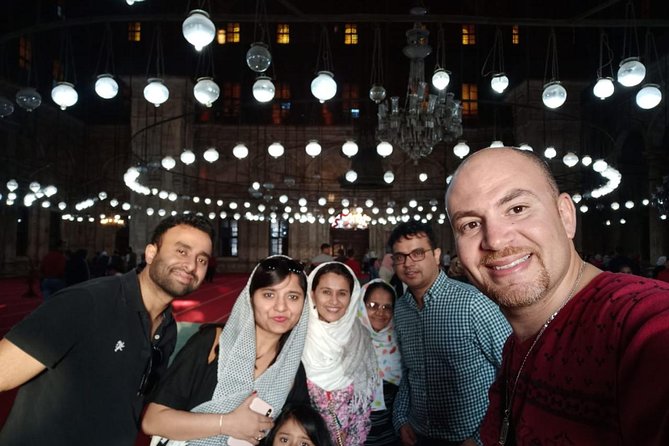
- Friday Jumm’ah at Al-Azhar Mosque if your visit falls on a Friday
- Time for Islamic clothing shopping around the Al-Hussien Mosque area
- Lunch included as koshari at a local restaurant, plus snacks for the day
- Big faith landmarks in one route: Sayyida Zeinab, Sayyida Nafisa, and others
- You start with an early giant: Amr Ibn al-As Mosque, built in 642 AD
- You end with Tulunid-era architecture at Ahmed Ibn Tulun Mosque
Islamic Cairo in one day: why this route works
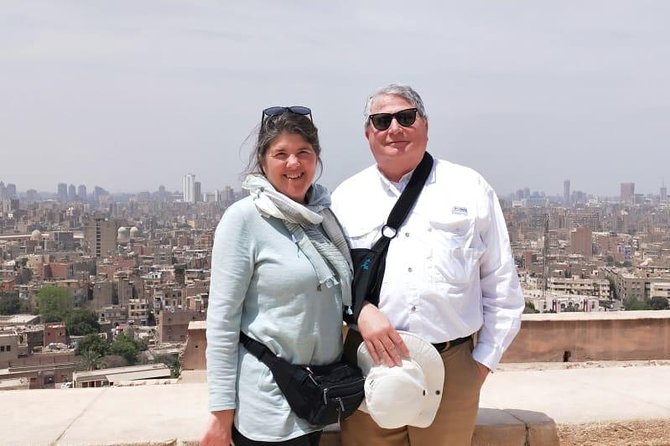
Islamic Cairo can feel like a whole world, mostly because it is not built around one famous monument. It is built around neighborhoods, squares, markets, and places of worship that keep functioning today. That is why a guided day plan helps: your guide turns what looks like a maze of streets into a map of meaning.
This tour is interesting because it connects the high-profile names you have heard about with the lived-in setting around them. You are not just stepping into buildings. You are also seeing how the community gathers near historic mosques and how commerce and daily life sit side-by-side.
I also like that the day is paced with scheduled breaks. Between mosque visits, you get koshari for lunch, and the tour includes snacks so you are not running on willpower alone.
You can also read our reviews of more tours and experiences in Cairo.
Timing, pickup, and the one detail worth confirming
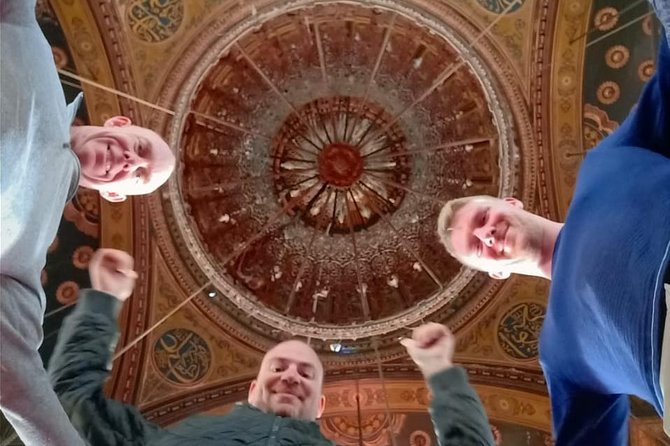
The tour runs for about 8 hours, starting daily, with the schedule described as 10:00 am to around 6:00 pm. Pickup and drop-off transfers are included from your hotel in Cairo or Giza, and you ride in a private air-conditioned vehicle for the day.
That said, one part of the tour details lists a meeting point at Cairo International Airport and shows a start time of 10:00 pm. That does not match the daytime schedule. Before you lock plans for the day, confirm the pickup time and location in your confirmation message. It is usually a simple clerical mismatch, but it is worth catching early.
Because it is a private tour/activity and only your group participates, the guide can keep things efficient. You are not waiting behind a huge line of unrelated tour groups for every stop.
Al-Azhar Mosque: the centerpiece, and why Friday changes everything
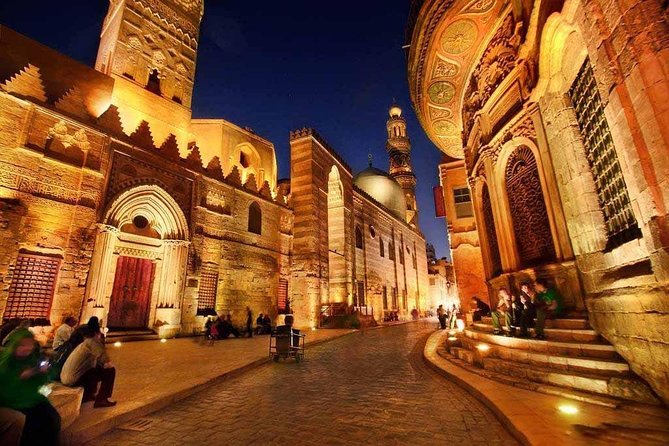
Your morning begins at Al-Azhar Mosque, described as the most famous mosque in Egypt in this route. Al-Azhar is not a background stop. It is the main stage for this tour.
If your day is a Friday, the plan is to attend Jumm’ah prayers there. That is a big difference from a standard sightseeing visit. You are seeing how the space works when it is fully alive, with worshippers moving through the rhythm of prayer.
Even if it is not Friday, Al-Azhar still sets the tone. This is where the day turns from travel into context. As you move from prayer space to courtyard to surrounding streets, you start understanding why Islamic Cairo is so strongly tied to learning, faith, and community life.
Practical note: mosque visits usually come with expectations on dress and behavior. Bring something modest and comfortable. If you are sensitive to crowds, aim to stay patient during transitions between areas.
Al-Hussien Mosque area: shopping time that actually makes sense
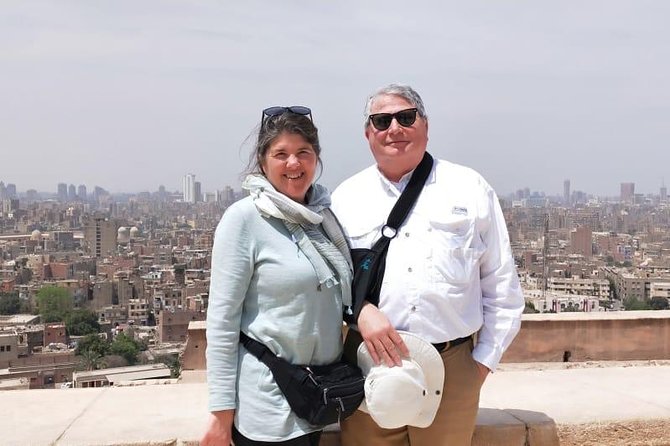
After Al-Azhar, the tour continues to Al-Hussien Mosque. Here is the one piece of the itinerary that feels especially practical: you get time in the mosque-area streets for Islamic clothing shopping.
The description is clear that the surrounding area is full of shops selling Islamic clothes and more. This is a rare kind of stop because it is not just a quick street pass. It is planned into your route so you can browse without feeling rushed.
If you have been meaning to pick up a scarf or modest outfit, this is the time. If shopping is not your thing, you can still enjoy watching how locals move through the streets and how commerce naturally clusters around major religious sites.
Koshari lunch: how to fuel a long mosque day
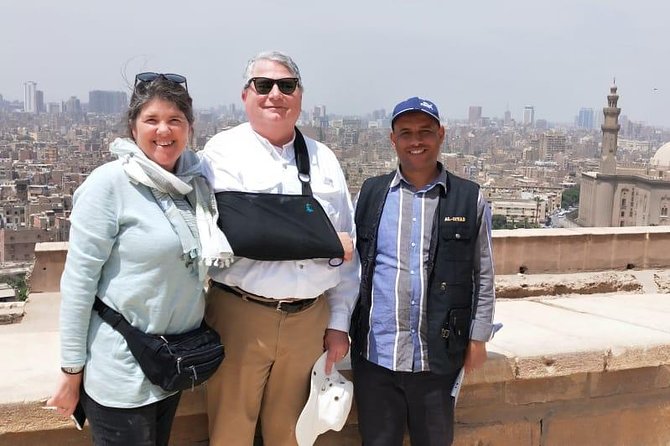
Lunch is included at a local restaurant, and the featured meal is koshari, one of Egypt’s most common dishes. This matters more than you might think.
A mosque-heavy itinerary means lots of walking and slow transitions through crowded areas. Getting a predictable lunch stops you from spending mental energy on food searches. And since the tour includes snacks too, you can pace the day without the usual stress.
If you have never tried koshari, it is the kind of comfort meal that works even when you are slightly tired from sightseeing. Plan to eat at a normal pace and then settle in for the next set of stops.

Sayyeda Zeinab Mosque: 7th-century roots tied to a real location
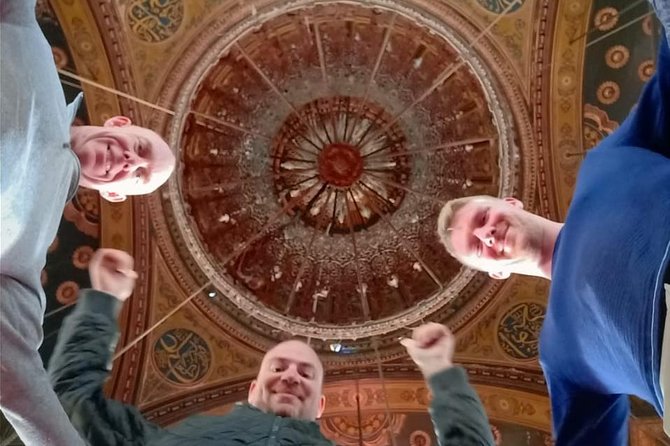
Next comes El Sayeda Zeinab Mosque, placed in the heart of the square named after her. This stop stands out because the tour connects the mosque to a chain of family and historical timeline details, not just a building.
Zeinab is described as the granddaughter of the Prophet Muhammad (peace be upon him). The mosque’s story is placed shortly after her arrival to Egypt, linked to the appearance of the new crescent moon of Shaaban (61 A.H). The narrative given also mentions her early settlement near Al Abassah in the Delta area and her later settling in Al Fustat, described as the first Islamic capital of Egypt.
As you visit, try to pay attention to the fact that this is a place anchored to a specific community square. That helps you understand why the area stays busy and why the mosque is not just a landmark.
One consideration: you might notice different crowds at different hours depending on religious calendars. If your schedule is flexible on the day, being calm and letting your guide manage timing makes a difference.
Sayyida Nafisa Mosque: built by Abbas Helmy II, not just ancient layers
After Zeinab, the tour goes to Sayyida Nafisa Mosque, located about 150 meters southward from El-Sayyida Nafisa Square. This is a meaningful shift because the background given for Nafisa includes a specific historical construction reference.
The mosque is described as being built by Abbas Helmy II during the dynasty of Mohammed Ali Pasha. So while you are still in an Islamic heritage setting, you also get a reminder that Cairo’s sacred architecture has continued through later eras, not only the earliest centuries.
If you like seeing how older places stay relevant and how later generations add their own layer, this stop helps that story click. It is also an easy one to connect to the feeling of squares and daily movement around them.
Amr Ibn al-As Mosque: the oldest mosque in Africa on Egyptian soil
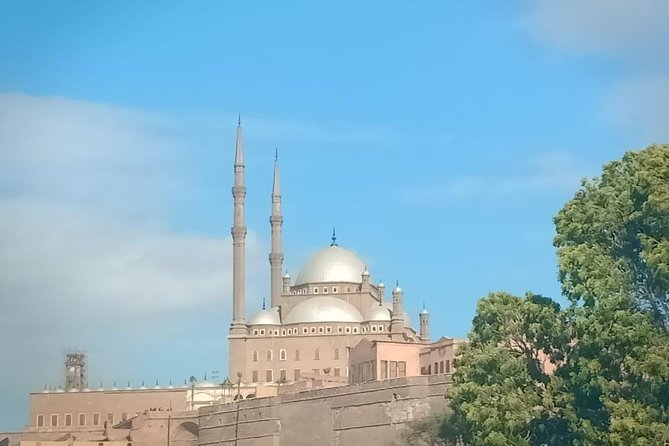
One of the most striking ends to a long morning is Amr Ibn al-As Mosque, described as the oldest mosque in Africa. The name on the itinerary is Taj al-Jawamie, and it is dated to 642 AD (21 A.H).
The tour frames it as the first and oldest mosque ever built on the land of Egypt, built by Amr Ibn al-As, the commander of the Muslim army that conquered Egypt. That gives your visit a clear “start point” feeling. You are moving through a site that is presented as foundational.
This is where your guide’s explanations matter. Without context, it is easy to see a mosque as just another stop. With context, you start understanding why later mosques and neighborhoods grew around early Islamic foundations.
Ahmed Ibn Tulun Mosque: Tulunid power, built in mudbrick time
Finally, the day ends with Ahmed Ibn Tulun Mosque. The details provided give you enough historical setup to understand what you are looking at.
The mosque is described as completed in 879 AD on Mount Yashkur in a settlement named al-Qata’i. That connects it to the Tulunid Dynasty, founded by Ahmad ibn Tulun. The plan also notes the construction took about three years of mudbrick, and that al-Qata’i lasted about 26 years as a Tulunid capital.
One more useful detail: Ahmad ibn Tulun is described as being born in Baghdad, with a family background tied to a Turkish slave of Mongol origin owned by the Caliph al-Ma’mun, then rising to govern Egypt. That kind of personal history helps you connect power, politics, and buildings.
By the time you reach this stop, your feet will probably feel it. But it is also a satisfying way to end: the day moves from foundational early Islam to a later political era that left strong architecture behind.
The guide makes the day: names you can trust
A day like this lives or dies by the guide. The reviews attached to this experience put real weight on that point.
I saw praise for guides by name, including Sherif Hassan, described as superb, with exceptional knowledge and a friendly, supportive feel. Shymaa is mentioned as having a lot of history background that made the tour unique. Other names that come up in related city tours include May Shaaban and Ali, both tied to strong organization and an educational pace.
What you should take from this as a future booking: you are not just paying for transportation and tickets. You are paying for someone to connect dates, names, and architecture to the street you are standing on right now.
Price and value: what $40 covers for an 8-hour route
At $40.00 per person, this tour can feel like good value because so many costs are wrapped into the package.
Included items are:
- Pickup and drop-off transfers from your Cairo or Giza hotel
- Private air-conditioned vehicle for the day
- Expert tour guide
- Entrance fees
- Snacks and lunch (with koshari listed)
- All service charges and taxes
What is not included is straightforward: your visa, tipping, and any optional tours not in the program.
If you tried to DIY this, you would still pay for taxis or cars, pay separate entry fees, and spend time figuring out how to move efficiently between Old Cairo areas. Here, the plan is built so you can spend your energy on seeing, not coordinating.
What to bring so the day feels easy
Even with a well-run itinerary, you will still be outside for long stretches. Bring:
- Comfortable walking shoes (mosque areas can involve uneven or crowded streets)
- Modest clothing you feel good wearing
- A light layer, since Cairo weather can shift across the day
- A positive mindset for crowd flow near major mosques
Also, since the tour includes shopping time, think ahead about whether you want to browse for clothing. If you do, bring a small amount of cash you are comfortable using.
Should you book this Islamic Cairo day tour?
Book it if:
- You want a guided, structured way to see Islamic Cairo’s main mosque stops without planning every leg.
- You like the mix of sites plus time near shops, not just quiet monuments.
- You appreciate value built from included basics like entry fees, lunch, snacks, and private transfers.
Skip it or reconsider if:
- You hate long days and lots of walking.
- You prefer to travel independently and set your own pace.
- You want a strict start time without any chance of a schedule mismatch, so make sure you confirm the pickup details carefully since the notes show two different start times.
If you are the type who enjoys understanding what you are seeing—dates, names, and why these places matter—this is the kind of day that sticks with you after you leave Cairo.
FAQ
How long is the Islamic Cairo day tour?
It runs for about 8 hours, with the schedule described as starting at 10:00 am and ending around 6:00 pm.
What is included in the tour price?
Pickup and drop-off transfers, a private air-conditioned vehicle, an expert guide, entrance fees, snacks, lunch, and all service charges and taxes are included.
Is the tour private?
Yes. It is a private tour/activity, and only your group participates.
What language options are available?
The tour is available in English, Spanish, German, and French.
If my tour day is Friday, do I attend prayers?
If it is Friday, the plan is to attend Jumm’ah prayers at Al Azhar Mosque.
Do I need to pay for my visa or tipping?
Visa is not included. Tipping is also not included, and any optional tours are extra.