REVIEW · CAIRO
Private Walking Tour in ElMoez Street & Khan Elkhalili Market
Book on Viator →Operated by Egyptravel Tours · Bookable on Viator
Islamic Cairo changes with every corner. This private evening walk through El-Moez Street and into Khan el-Khalili is built for seeing how centuries of Islam shaped Cairo’s streets, mosques, and everyday commerce.
I like that the tour is structured like a story: you start with the skyline and street details of old Cairo, then pause at a major Fatimid landmark, and finish in a market district where artisans still work. I also like the practical side—private guide, bottled water, and entrance fees included—so you spend less time figuring things out and more time looking closely at what’s in front of you, with guides like Zizou and Enas often highlighted for turning Islamic history into clear, walk-along explanations.
One thing to consider: Khan el-Khalili is a major shopping zone, so expect a busy, vendor-heavy atmosphere. If you prefer quiet sightseeing, you’ll need to keep your expectations realistic and let your guide steer you.
In This Review
- Key things that make this tour work
- Why This Evening Walk Through Islamic Cairo Feels Different
- El-Moez Street: Minarets, Sabils, and a Real Sense of Place
- Al-Hakim Mosque: Fatimid Power, Built Across a Timeline
- Khan el-Khalili: How to Experience Cairo’s Market Without Getting Lost
- Value Check: Is $50 Worth It for This Private Tour?
- Pacing and Timing: How the 4:00 pm Start Plays Out
- What to Do Before You Go: Simple Prep That Helps
- Who This Tour Is Best For
- Should You Book This Private El-Moez & Khan el-Khalili Tour?
- FAQ
- How long is the tour?
- What’s the meeting point and start time?
- Is hotel pickup included?
- Is this tour private?
- Are entrance fees included?
- What language is the tour offered in?
- What’s included besides the guide and entrances?
- What’s not included?
- Do I need to print anything?
- What’s the cancellation policy?
Key things that make this tour work
- El-Moez Street on foot: You get time to notice minarets from different Islamic eras and spot water-supply sabils.
- Fatimid-era context at Al-Hakim Mosque: Learn the mosque’s timeline, including how al-Hakim finished construction in 1013.
- Bottled water and entrances handled: Less hassle for you, especially when evening plans start stacking up.
- Private group setup: Only your group goes, which usually makes photos, questions, and pacing easier.
- Guide help in the market: A good guide can help you communicate with vendors and navigate shopping.
- 4:00 pm start: You catch Cairo in daylight and end with evening atmosphere.
Why This Evening Walk Through Islamic Cairo Feels Different
Cairo’s historic center has a way of pulling you in fast—especially if you’re walking. The timing here helps. With a 4:00 pm start, you’re not only arriving after dark with everything already in “rush mode.” You get daylight light for stonework details, then a night-market feel as you reach Khan el-Khalili.
This is also a smart “first taste” of old Cairo if you’re short on time. The route focuses on three types of places that tell three different stories: a street (El-Moez), a monumental mosque (Al-Hakim), and a trading district (Khan el-Khalili). That mix prevents the common problem of seeing only one kind of landmark and leaving with a flat sense of place.
And yes, guides matter here. In many accounts, guides like Zizou, Enas, Mostafa, and Rania are praised for making Islamic architecture readable—like you can actually tell why a minaret or a carved feature matters. That’s the difference between watching buildings and understanding them.
You can also read our reviews of more walking tours in Cairo


El-Moez Street: Minarets, Sabils, and a Real Sense of Place
El-moez Street is the kind of old Cairo lane where your brain starts mapping time. This isn’t just a picturesque street. It’s one of those places where you feel you’re walking through the city fabric of roughly the 10th-century urban story, even as you pass buildings that reflect later Islamic periods.
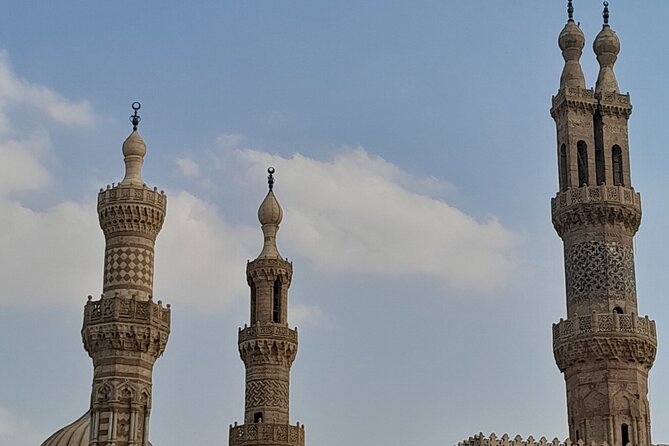
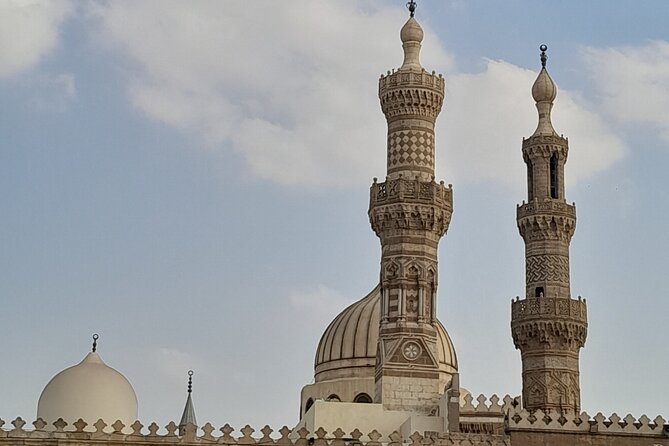
What you’ll focus on is the way the skyline of mosques changes. Different minarets reflect different eras, so you’ll likely find yourself noticing proportions, styles, and how new religious architecture layered itself over the earlier city. The tour gives you around two hours here, which is key. A quick photo stop won’t be enough to absorb the details.
A standout architectural feature you’ll be pointed toward is the sabil—small water kiosks in Islamic architectural tradition. These weren’t random decorations. Water was dispensed to the public by an attendant behind a grilled window. It’s one of those details that makes the city feel lived-in, like public service was built right into the street.
Possible drawback: El-Moez is a walking experience in an active historic area. If you’re traveling with very young kids or you dislike crowds, you may want to go in with a calmer mindset and lean on your guide to pace you.
Al-Hakim Mosque: Fatimid Power, Built Across a Timeline
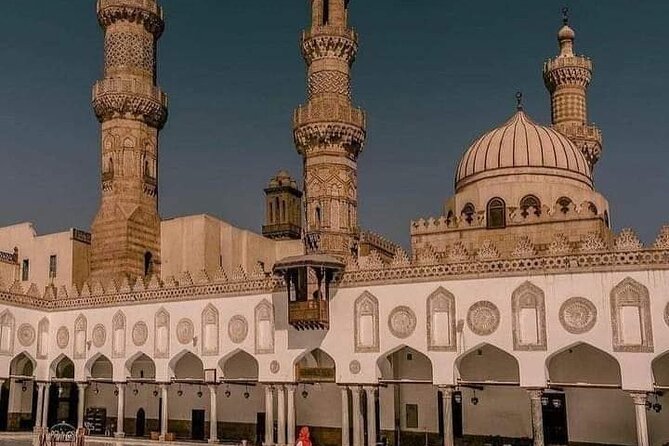
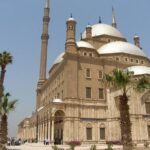
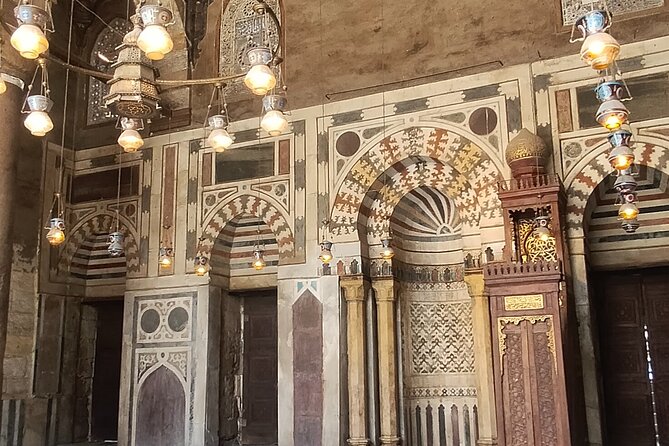
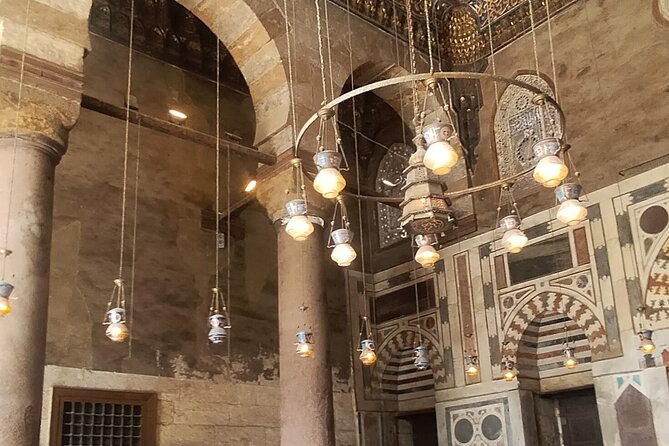
After El-Moez, the tour shifts gears to a major landmark: Al-Hakim Mosque, formally tied to Masjid al-Ḥākim bi Amr Allāh. It has a nickname: al-Anwer, meaning the Illuminated. You’ll also hear the long arc of its creation, which makes it more than a “pretty stop.”
Here’s what the tour context helps you anchor. The mosque is named for Al-Hakim bi-Amr Allah, a sixth Fatimid caliph and also the 16th Ismaili Imam. The construction started under Caliph al-‘Aziz (990 AD), and then it was completed in 1013 by al-Hakim—so the name reflects the man who finished the job.
The tour gives about one hour at this stop. That’s a good length for first-time visitors because it’s long enough to absorb the story and still keep you moving before fatigue sets in. Also, pairing it right after El-Moez works. You’ve just been training your eyes on minarets and street-linked Islamic features, so the mosque stop becomes a natural “zoom in” on the architecture you just saw.
One consideration: mosques are functioning places of worship, and you’ll want to dress respectfully and follow whatever guidance your guide shares on-site. If you like photography, you’ll likely get better results when you ask first and wait for the right moment rather than rushing.
Khan el-Khalili: How to Experience Cairo’s Market Without Getting Lost
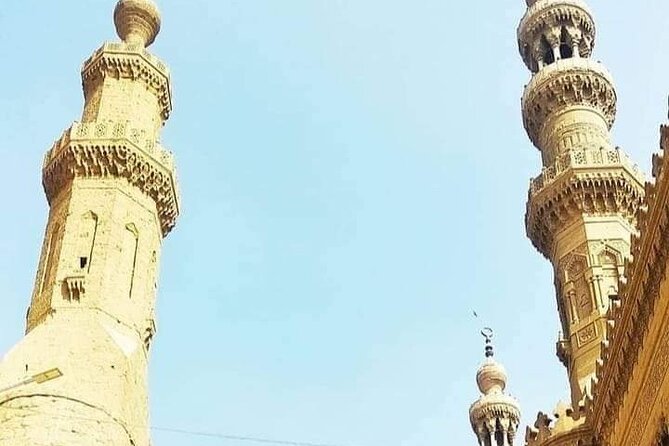
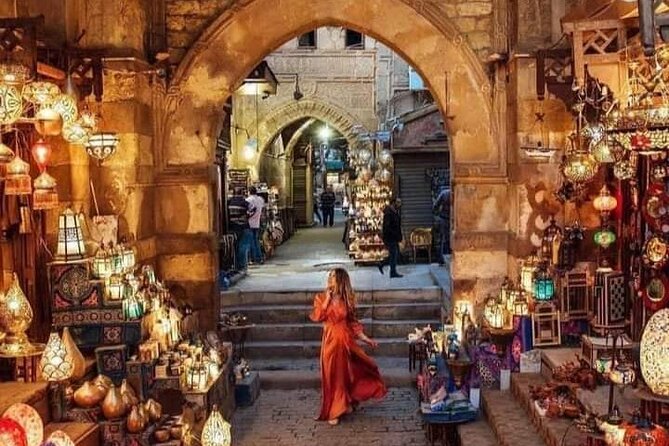
Khan el-Khalili is the historic center bazaar area, and it’s been a trade hub for centuries. In Mamluk times it served as a trading zone, named for a caravanserai in the broader district. Over time, the name shifted from referring to a single building to describing the entire shopping area.
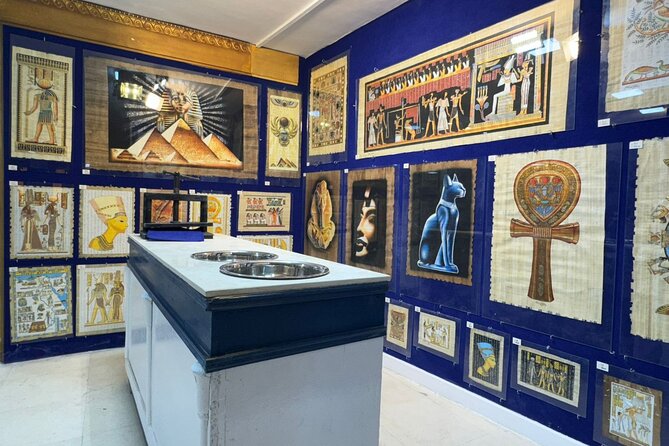
The tour’s approach is the helpful part: it’s not just a “go shop” walk. It’s a structured two-hour stroll that helps you understand what you’re seeing—especially the relationship between old commerce and traditional craft production. This area is known for Egyptian artisans and workshops making and selling traditional items, from souvenirs to crafts.
The market’s value here is sensory and social. You’ll pass shops where people produce and sell, not just store items. That changes how you shop. Instead of feeling like you’re hunting for a souvenir, you start noticing techniques and materials—things your guide can translate into practical “what it is and why it’s here.”
Shopping also comes with an important reality: vendor attention can be intense in places like this. The advantage with a private guide is communication help and price negotiation support. Guides like Enas are specifically mentioned for helping tourists connect with vendors and work toward fair pricing. Even if you don’t plan to buy much, having someone interpret what’s going on can make the whole experience calmer.
If you’re budgeting: decide early what you want to spend on. The market can tempt you, fast.
Value Check: Is $50 Worth It for This Private Tour?
At $50 per person, this tour sits in the “worth considering” range for Cairo, mainly because it packages several items you’d otherwise price separately. You’re getting a professional guide, bottled water, and private air-conditioned vehicle transfer, plus entrance fees for all the listed sites. That combination matters. Entrance tickets add up, and Cairo’s historic areas are not always easy to time and navigate without local help.
It also runs about 4 to 5 hours, which is the sweet spot for an evening plan. You’re not signing up for an all-day commitment, but you are getting enough time at each stop—two hours on El-Moez, one hour at Al-Hakim Mosque, two hours in Khan el-Khalili—to actually process what you see.
One more value lever: the tour is private, meaning only your group participates. For families or small friend groups, private can be a better deal than you’d expect if it prevents waiting and gives you a guide who can adjust pacing. Group discounts are also offered, which can make it friendlier if you travel with others.
What’s not included: tipping. Also, extra pickup costs can apply if you’re far from the center (and the policy notes higher-cost areas like 6 of October and New Cairo). If you’re staying near the main visitor areas, you’re likely to keep things smooth.
You can also read our reviews of more private tours in Cairo





Pacing and Timing: How the 4:00 pm Start Plays Out
A 4:00 pm start is surprisingly smart in Cairo. You get daylight to read architectural details, then you end with a more atmospheric market experience. If you’ve only visited at night, Cairo can feel like one long rush of lights and noise. This plan gives you a foot in both worlds.
Expect the tour to feel like three connected chapters rather than three disconnected stops. By the time you reach Khan el-Khalili, you’ve already learned a few visual “clues” about Islamic-era architecture, and you’ll likely notice them in the market environment too—because the district sits within the historic core.
If you’re photo-heavy, don’t plan to stop for every shot alone. Use your guide’s flow. They can help you choose moments when the street is less crowded or when your angle captures the detail you care about.
What to Do Before You Go: Simple Prep That Helps
You’ll have the best time if you show up ready to walk and ready to ask questions.
Bring:
- comfortable walking shoes (old streets and uneven surfaces are common in historic areas)
- something respectful for mosque time (light layers can help with sun and modest coverage)
- cash for market spending, if you plan to browse
Do:
- set a shopping limit before Khan el-Khalili
- treat the market like an exploration, not a sprint
- ask your guide what to look for in craft shops, even if you don’t buy
The tour includes bottled water, which is a relief. Still, staying hydrated is smart, especially as the evening stretches longer.
And since guides like Zizou, Enas, Mostafa, and Rania are repeatedly described as engaging, expect questions to be welcomed. If you’re curious about how minarets evolved or why sabils mattered publicly, this is the time to ask.
Who This Tour Is Best For
This tour is a strong fit if you want:
- a guided introduction to Islamic Cairo that connects street features to major sites
- an evening plan that doesn’t swallow your whole day
- a private experience where your guide can tailor pacing and help with market navigation
It’s also a good choice for first-timers who feel overwhelmed by Cairo’s scale. Instead of scattering your time across too many stops, you focus on one historic corridor and two anchor points.
If you hate crowds or dislike shopping environments, you can still do this tour, but go in with a plan. Spend your energy on architecture at El-Moez and Al-Hakim, and treat Khan el-Khalili like a controlled walk-through with guide support.
Should You Book This Private El-Moez & Khan el-Khalili Tour?
I’d book it if you want a high-value evening that mixes architecture and atmosphere, with entrance fees and transport handled. The pricing is easier to justify when you compare what you’re getting: guide + private transfer + bottled water + site entrances, all in one 4–5 hour window.
Skip it or rethink it if you specifically want quiet, off-the-beaten-path sightseeing. Khan el-Khalili is a mainstream bazaar, and your guide can help, but it won’t become silent.
If your goal is to leave Cairo’s historic core with a clearer sense of how mosques, streets, and commerce shaped each other over time, this is a smart way to do it. The guides—often highlighted by name like Zizou and Enas—are the reason the walk feels understandable, not just scenic.
FAQ
How long is the tour?
It runs about 4 to 5 hours.
What’s the meeting point and start time?
The tour meets at Tahrir Square and starts at 4:00 pm.
Is hotel pickup included?
Pickup is offered. Transfers use a private air-conditioned vehicle, and you can arrange pickup from your accommodation in Cairo or Giza. Longer-range pickup from certain farther areas can be added during checkout.
Is this tour private?
Yes. It’s private, meaning only your group participates.
Are entrance fees included?
Yes. Entrance tickets for the mentioned sites are included.
What language is the tour offered in?
The tour is offered in English.
What’s included besides the guide and entrances?
The tour includes transfer by private air-conditioned vehicle, a professional tour guide, bottled water, and all taxes and service charges.
What’s not included?
Tipping is not included, and extra charges may apply for hotels far from the center of Cairo like 6 of October and New Cairo.
Do I need to print anything?
No. A mobile ticket is included.
What’s the cancellation policy?
You can cancel for a full refund up to 24 hours before the experience starts. If you cancel within 24 hours, the amount paid is not refunded.