REVIEW · GIZA
Half day tour in Giza pyramids , sphinx , panorama
Book on Viator →Operated by Amon Ra Toura · Bookable on Viator
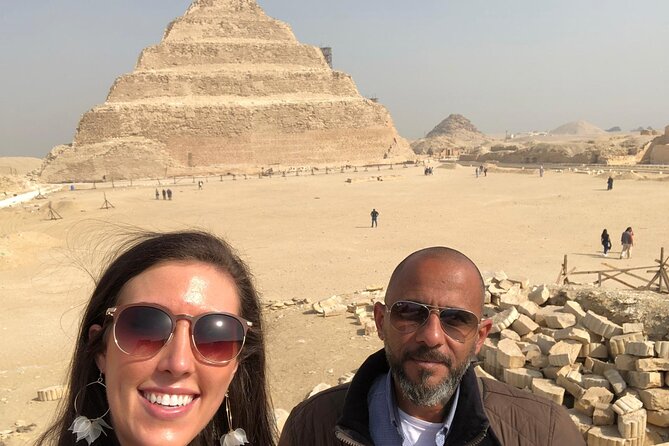
Pyramids feel real when someone explains them. I like the way an Egyptologist guide such as Mido or Yasmin turns the Great Pyramid complex into a clear story, not just a pile of stones. I also like the practical setup: round-trip hotel transfers, bottled water, and A/C transport mean less hassle before you even reach the sand. One catch to plan for: entry tickets and camel/horse rides are not included, so your total cost depends on what you choose to add.
The day is built around the main Giza hits: the Great Pyramid of King Cheops, the pyramids of Chephren and Menkaure, then the Sphinx and a panorama photo stop. If you’re hoping to combine museums too, note that the general description mentions Egyptian Museum time, but your booked “half-day” may focus tightly on Giza—double-check what’s on your exact schedule.
Expect a small-group feel with personal attention. The tour can run about 6–8 hours, even if it’s marketed as half-day, and that time adds up fast in the heat, so bring sun protection and go slow at the stops.
In This Review
- Key things to know before you go
- Giza in One Day: What the 6–8 Hours Really Covers
- The Guide and Vehicle Setup: Less Taxi Time, More Sight Time
- Entering the Pyramid Area: Cheops, Chephren, and Menkaure
- Panorama Stop for Photos: Camel or Horse Rides (Not Included)
- Chephren’s Mortuary Temple and the Mummification Story
- The Sphinx: When the Scale Changes from Wow to Real
- Koshary Break: A Simple Local Pause
- Tickets, Entry Costs, and the Museum Question You Should Clarify
- Value Check: Why It Costs So Little, and What Might Add Up
- Who This Tour Fits Best (And Who Might Want Something Different)
- Booking Smart: How to Get the Best Day Out of This Tour
- Should You Book This Giza Pyramids, Sphinx, and Panorama Tour?
- FAQ
- How long is the tour?
- Does the tour include hotel pickup and drop-off?
- Where is the meeting point?
- Are entry tickets included for the pyramids and any other sites?
- Is camel riding included?
- Is bottled water provided?
- What is the cancellation policy?
Key things to know before you go
- Egyptologist guide support: You get guided context at the pyramids and Sphinx, not just a walk-through.
- Round-trip hotel transfers + A/C vehicle: Taxi stress is removed from the day plan.
- Core pyramid circuit: Cheops, Chephren, and Menkaure are all part of the route.
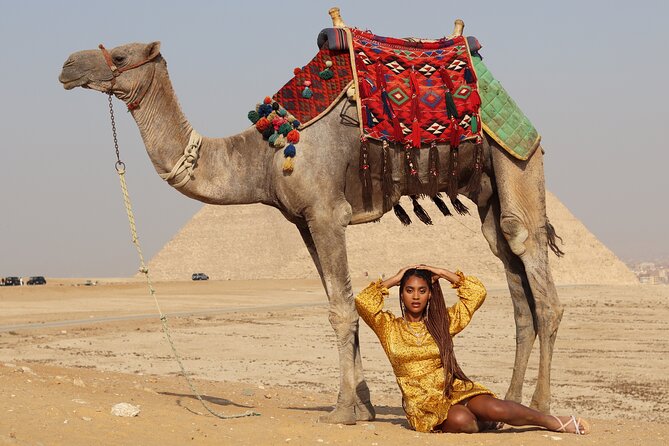
- Panorama photo moment with camel/horse options: You can ride, but it’s an extra charge.
- Water included; tickets not: Bottled water is provided, while entry tickets are not.
Giza in One Day: What the 6–8 Hours Really Covers
This is a Giza-focused tour designed to pack in the biggest names without you needing to coordinate transport or figure out what to see first. The route is built around the main pyramid viewpoint areas, the Sphinx, and a panorama stop that’s made for photos.
Even though the experience is described as a half-day tour, the plan runs about 6–8 hours. That’s normal for Giza because the time is spent not only walking, but also regrouping, getting viewpoints, and listening to explanations from your guide. If you’re short on time, treat this as your “see it all once” day.
You can also read our reviews of more tours and experiences in Giza.

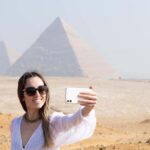
The Guide and Vehicle Setup: Less Taxi Time, More Sight Time
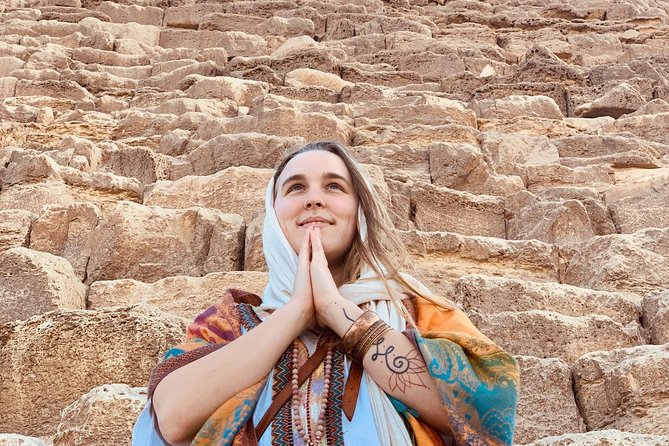
One of the smartest parts of this tour is the logistics. You get round-trip hotel transfers (so you don’t need to book taxis back and forth), and you travel in a private air-conditioned vehicle. For Cairo traffic and heat, that alone can be worth it.
You’ll also have a professional guide with you through the experience. In real-world departures, guides and drivers named include Mido, Yasmin, Kariman, Yomna, and Mohammed, plus drivers such as Omar and Ahmed. Your exact team depends on your date, but the pattern is consistent: you’re not left to wander alone.
Group size is kept manageable, with a maximum of 20 travelers. It’s not a giant bus day where you constantly lose people at gates and turns.
Entering the Pyramid Area: Cheops, Chephren, and Menkaure
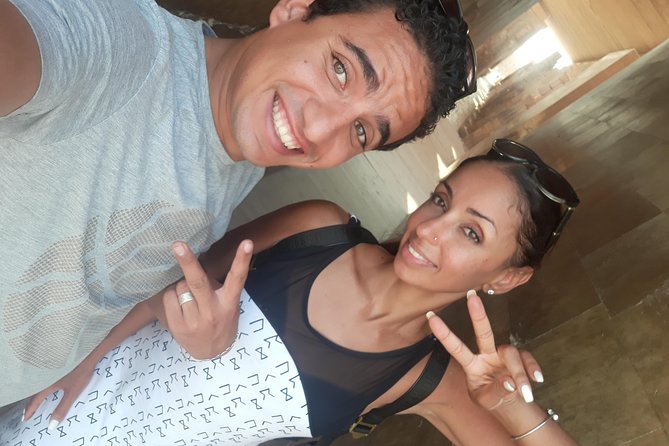
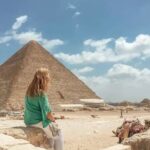
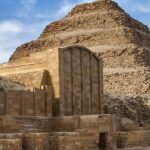
The heart of the tour is the Great Pyramid complex—specifically the pyramids of King Cheops, Chephren, and Menkaure. Seeing them in one flowing route helps your brain connect scale and location. Alone, it’s easy to bounce between viewpoints and miss the logic of how the whole area is arranged.
Here’s what you should pay attention to during the visits:
- How your guide describes why each pyramid matters and what each one represents.
- How the viewpoint angles shift as you move between pyramids—small position changes make a huge difference in how the stones and geometry “read.”
- How the day transitions from the big-picture pyramid views to the more detailed sites like the mortuary temple and Sphinx.
A practical note: you’ll spend time outdoors and walking at a real pace. Wear shoes you trust on uneven ground and plan for sun. Your guide can help you pace the stops, but you still control how long you linger for photos.
Panorama Stop for Photos: Camel or Horse Rides (Not Included)
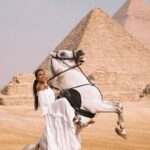
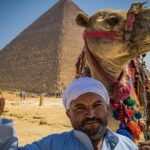
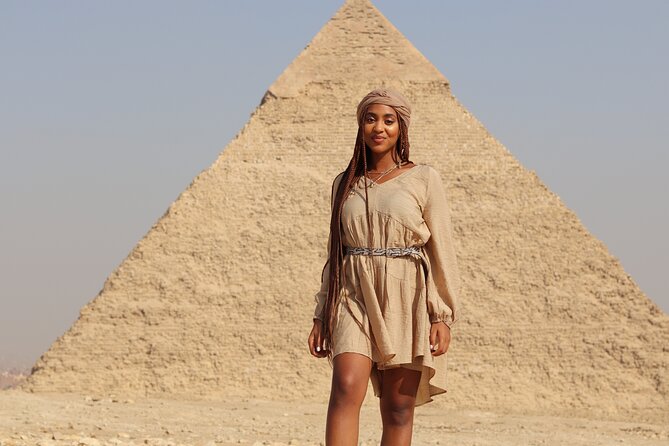
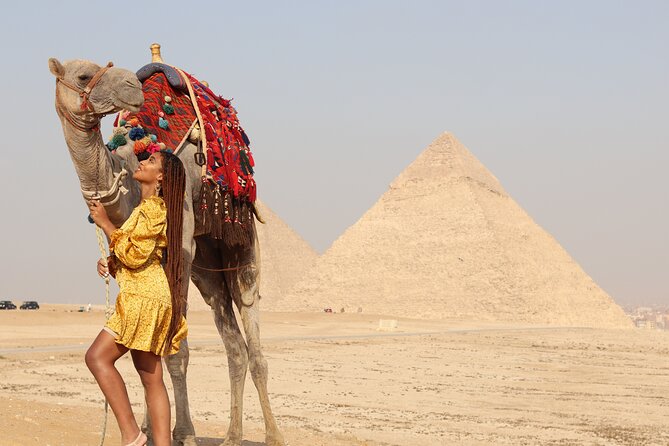
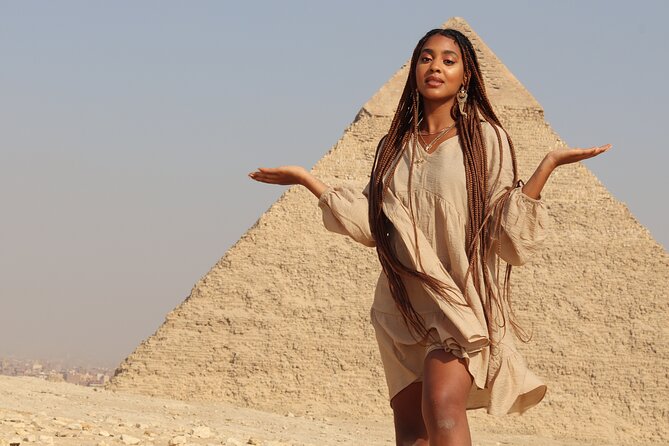
After the pyramid time, you’ll have a panorama moment in the desert area where you can take pictures with the pyramids in the background. The tour description includes the idea of taking a camel or horse ride from the panorama area toward the desert for standout shots.
Important planning detail: camel riding is not included. That means you should expect to pay separately if you want the ride. If your budget is tight, you can still enjoy the panorama viewpoints without riding.
Also, keep your expectations practical. You’ll likely want quick photo cycles so you don’t lose time to waiting. A good tip from what experienced guides tend to do in this area: ask where to stand for the best pyramid framing before you step onto the animal platform. One small adjustment can change everything in the final photo.
Chephren’s Mortuary Temple and the Mummification Story
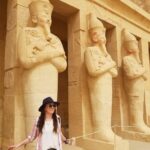
Next comes a more “how did they do this?” kind of stop: the mortuary temple of King Chephren. This part of the tour is valuable because it connects the pyramid outside with the human activities around death, preparation, and ceremony.
The tour plan specifically mentions learning about the mummification process here. Even if you don’t go deep into every detail, this is where the story becomes real. You start to understand that these were not only monuments—they were part of an entire belief system with steps, tools, and rituals.
The best way to get value from this stop is to ask simple questions:
- What would visitors have seen and experienced here?
- How does the temple setting help explain the purpose of the site?
- What’s the relationship between the pyramid’s scale and the process happening in temples?
If your guide is the type who can answer clearly, you’ll leave this part with a much tighter mental map than you would with photos alone.
The Sphinx: When the Scale Changes from Wow to Real
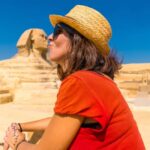
Then you’ll reach the Great Sphinx. The Sphinx hits differently after you’ve already seen multiple pyramids, because you start placing it in context instead of viewing it as a standalone icon.
This is also where having an Egyptologist guide matters most. The Sphinx isn’t just a dramatic face—it’s a symbol tied to the broader culture of ancient Egypt. Your guide should help you connect the imagery to the people who built and used these spaces.
Take your time here even if you feel the day moving fast. If you rush, the Sphinx becomes just another photo. If you slow down for a couple of viewpoint checks, it becomes one of those moments where you can almost feel the scale shift from “monument” to “place.”
Koshary Break: A Simple Local Pause
After the Sphinx, the itinerary notes trying local food (koshary). This is a smart inclusion because Giza days can feel repetitive if your only break is water and photos. Koshary is filling, familiar to many visitors, and it helps you reset before the final stretch.
A key caution: no meals are included on this day in the details provided. So the koshary stop is part of the day plan, but you should still expect it to be a paid meal. If you’re watching your budget, ask your guide whether they’re timing it as a short snack stop or a fuller meal opportunity.
Tickets, Entry Costs, and the Museum Question You Should Clarify
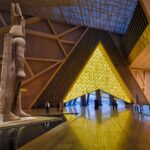
Two different parts of the information you were given point in slightly different directions about additional stops in Cairo museums. The experience description talks about museum time (mummies and artifacts are mentioned), but the day plan you shared reads like it stays focused on Giza.
So here’s the practical move: confirm what’s included in your exact booking. If your tour includes an Egyptian Museum stop, that can be a major add-on. If it doesn’t, your day will be more efficient for the pyramid complex, with less time spent in Cairo traffic.
What is clear: entry tickets are not included. That applies to the pyramid-area sites and any museum components that might be added. Your base price may look extremely low, so you should treat tickets as the main cost category you’ll need to budget for on top.
Value Check: Why It Costs So Little, and What Might Add Up
At $5.00 per person, this pricing looks like a bargain. The value comes from the included foundation:
- Professional guide
- Transport by private vehicle
- Air-conditioned vehicle
- Free bottled water
That’s a lot of “day saver” stuff, especially in a place where navigating the area without help can cost you time and energy.
Where costs can appear:
- Entry tickets (not included)
- Camel/horse riding (not included)
- Souvenirs (not included)
- Alcoholic drinks (available to purchase, not included)
If you compare it to hiring a guide plus transport separately, the structure can be good value. If you end up buying everything you want—tickets, rides, snacks—the final total can rise. Still, you’ll have fewer moving parts, which is often what you’re really paying for with tours.
Who This Tour Fits Best (And Who Might Want Something Different)
This works best for you if:
- You want a guided first-time visit to the pyramids and Sphinx.
- You care about photo viewpoints, but you also want the “why” behind what you’re seeing.
- You prefer a low-effort logistics day: hotel pickup/transfer, A/C transport, and water handled.
You might want to look elsewhere or choose a different format if:
- You want a deep, museum-heavy day with long indoor time.
- You don’t like walking in the sun, and you’re sensitive to heat.
- You want maximum time inside specific sites with detailed access beyond what a compact route allows.
Also, if you’re traveling with kids, note that children must be accompanied by an adult.
Booking Smart: How to Get the Best Day Out of This Tour
To get maximum value from your Giza day, do three things before you go:
- Clarify whether your booking includes museum stops (since the info you have mixes Giza-only focus with museum descriptions).
- Plan for entry tickets since they’re not included.
- Decide on camel/horse rides ahead of time so you don’t get stuck deciding mid-day when the lines and heat feel intense.
Once you’re there, use your guide’s strength: ask questions at the Sphinx and temple stops. Those are the moments where a good guide can turn a quick glance into real understanding.
Should You Book This Giza Pyramids, Sphinx, and Panorama Tour?
I think this is a strong pick if you’re aiming for the classic Giza hits in one well-organized day. The included private A/C transport, round-trip hotel transfers, and Egyptologist guidance remove a lot of stress, and the panorama photo stop adds a fun, memorable angle.
Just go in with two expectations managed: entry tickets and camel/horse riding cost extra, and the day may run closer to 6–8 hours than the half-day label suggests. If you confirm what your exact package includes (especially any museum time), you’ll likely end up with a clean, efficient, and genuinely worthwhile first Giza visit.
FAQ
How long is the tour?
The experience runs about 6 to 8 hours.
Does the tour include hotel pickup and drop-off?
Yes. Round-trip hotel transfers are included, and pickup can be from your hotel in the pyramids area or from the meeting point.
Where is the meeting point?
The start point is On The Run, Zahret Al Nile, Kafr Nassar, Al Haram, محافظة القاهرة 3514801, Egypt.
Are entry tickets included for the pyramids and any other sites?
No. Entry tickets are not included.
Is camel riding included?
No. Camel riding is not included (camel/horse rides are mentioned as an option for the panorama segment, but they cost extra).
Is bottled water provided?
Yes. Bottled water is included, with one bottle per person.
What is the cancellation policy?
You can cancel for free up to 24 hours in advance for a full refund.