REVIEW · CAIRO
4 days tour package to Siwa oasis from Cairo
Book on Viator →Operated by Marsa Alam Tours · Bookable on Viator
Ancient echoes wait in Siwa’s desert calm. This 4-day Siwa Oasis tour from Cairo strings together El Alamein WWII landmarks, then switches gears to oracle temples, salt-lake swimming, and 4×4 dune time before the long ride back through the Mediterranean coast.
I especially like two parts of the plan: the climb up to the Temple of the Oracle with wide views, and the night in the desert with Al Nyhaya bell tents under open skies. Those moments are the stuff you remember after the driving fades.
One drawback to plan for: it’s a serious road trip day after day. With very early starts and long distances, it can feel tiring even when everything goes smoothly.
In This Review
- Key things that make this tour work
- The Cairo-to-El Alamein push: early start, clear payoff
- El Alamein War Museum and cemeteries: why this detour feels meaningful
- Fatnas Lake sunset and the Siwa first evening
- Temple of the Oracle of Amun (Aghurmi): the hilltop moment you’ll remember
- Salt lake swimming: buoyant fun with one safety rule
- Cleopatra’s Bath and the smaller Amun temple: legends plus remnants
- Siwan lunch, the Great Sand Sea, and a day built for action
- Al Nyhaya desert camp: lotus bell tents, wood fires, and real downtime
- Shali Fortress and the Mountain of the Dead: mud-brick and rock-cut tombs
- Ali Khaled Camp relaxation day: palms, hammocks, and sunset from the hills
- The return drive via Marsa Matrouh: a Mediterranean reset
- Price and Logistics: how $1,045.71 fits the time you’re buying
- Who should book this 4-day Siwa tour (and who shouldn’t)
- Should you book it? My straight take
- FAQ
- How long is the Siwa oasis tour from Cairo?
- What time is pickup from Cairo for the El Alamein portion?
- What sites do you visit in El Alamein?
- Are any entrance tickets included for major attractions?
- What activities happen in Siwa besides temple visits?
- Where do you stay overnight during the trip?
- Do you stop in Marsa Matrouh on the way back to Cairo?
Key things that make this tour work
- El Alamein first, not last: WWII memorial stops before you head into the desert mood of Siwa.
- Aghurmi (Oracle) Temple views: a hilltop setting that makes the ancient story feel real.
- Salt lakes where buoyancy is the point: you don’t need to be a strong swimmer, but you do need to avoid getting water in your eyes.
- Great Sand Sea adventure: 4×4 time plus sandboarding in the dunes near Siwa.
- Desert camp with real comfort options: lotus bell tents plus traditional Bedouin-style tents.
- Shali Fortress and Gebel Al Mawta (Mountain of the Dead): mud-brick history and rock-cut tombs.
The Cairo-to-El Alamein push: early start, clear payoff
Your day begins at around 05:00 am with pickup from Cairo or Giza. That early departure matters because it gets you to El Alamein in time to actually enjoy the sites, not just rush through them with sleepy eyes.
On the drive (about 259 km), you’ll stop for coffee, then arrive around 08:30. It’s a long haul, but the day’s structure is the trick: you use that drive to get oriented historically before you ever see Siwa’s quiet salt flats and palm groves.
A few more Cairo tours and experiences worth a look
El Alamein War Museum and cemeteries: why this detour feels meaningful
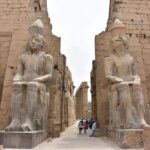
El Alamein isn’t just a background detail to the Siwa trip. The sites here are emotionally heavy, and the schedule gives you time to take them in without feeling like you’re in a checklist sprint.
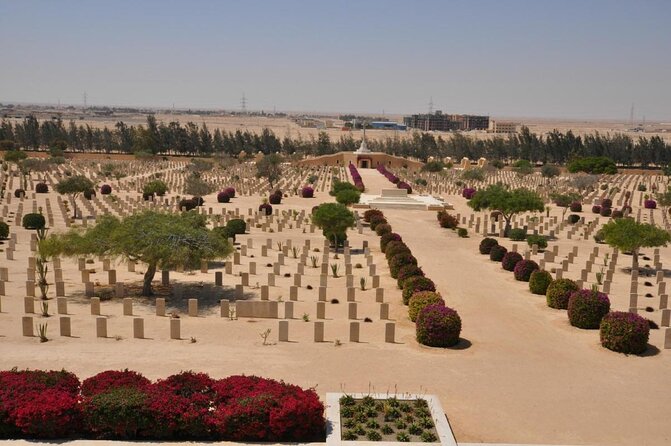
The El Alamein War Museum is small but packed with battlefield debris history—uniforms, weapons, flags, plus photos and battle-site context. If you care about learning without a lecture style, this is the kind of stop that clicks fast. Entry is listed as included.
Then you head through the War Cemetery areas. The British memorial cemetery is maintained by the British war graves commission in Cairo, with individual graves for 7,367 men and names honored for 11,945 whose bodies were never found. You also see the German war memorial building (octagonal, overlooking the sea) and the Italian memorial (white marble, with its own museum and chapel inscriptions).
If you’re sensitive to war content, this is something to keep in mind. It’s not “fun tourism.” But it is well paced, and it gives you a different kind of perspective before the Siwa part of your journey turns toward nature and myth.
Fatnas Lake sunset and the Siwa first evening
After the war stops, the plan transitions toward Siwa’s slower rhythm. You get a sunset at Fatnas Lake, with enough time to sit, walk, and take in the view.
Fatnas is a small island in Birket Siwa. You can reach it by walk or bike, and the scenery is built around the contrast of the lake with the dunes and surrounding formations. The backdrop described here includes Gebel Bayda and Hamra to the west, which is exactly why this timing matters.
Dinner is then served in Siwa. That’s a nice reset after serious memorial time—less thinking, more breathing, and an easier mental shift into the oasis environment.
If you like the idea of adding a low-key, palm-filled relaxation moment, the plan notes Ghaliet, an ecolodge/spa-style place located near the Amoun Temple and the oracle stories around Alexander the Great. The data doesn’t guarantee it’s a stop, but it’s a real nearby option if you want the calmer side of Siwa.
Temple of the Oracle of Amun (Aghurmi): the hilltop moment you’ll remember
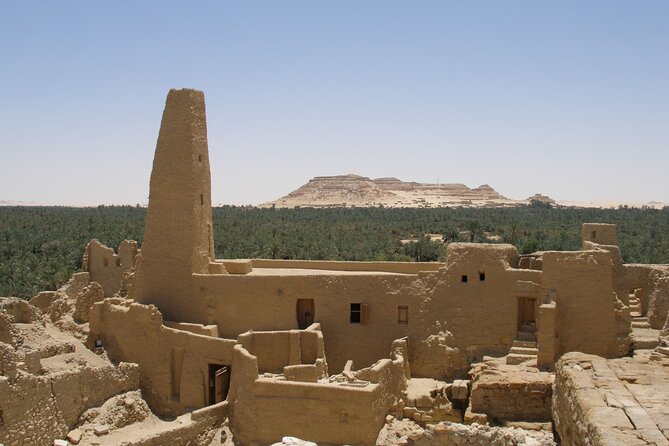
Daytime in Siwa really begins with the Temple of the Oracle of Amun / Aghurmi. You’ll start with breakfast, then head out at 07:00 am. That early timing helps because the climb to the hilltop temple feels better before the heat gets sharp.
This site is tied to the legend of Alexander the Great consulting the Siwan oracle to confirm he was the son of Zeus. Even if you don’t treat legends as facts, the setting helps you understand why people built temples where the landscape does half the storytelling.
The payoff is the views over Siwa’s lush vegetation and salt flats. The temple is on a hill, so the climb isn’t hard, but it’s real. If you want your Siwa experience to feel “special” in a non-touristy way, this is one of the best anchors in the whole trip.
Salt lake swimming: buoyant fun with one safety rule
Then the plan moves to the salty lakes. This is where Siwa feels different from most Egypt trips because you’re not just looking—you’re actually in the water.
The main idea: the hyper-salinity helps you float. The guidance is practical: you don’t need to be a strong swimmer, but you should be careful not to get the water in your eyes because it can be very painful. Bring a plan for that—swim with goggles if you use them, and keep your face protected.
The stops describe choosing among crystal lakes and aiming for the purest water by looking for the bottom. After swimming, you’ll want mineral water for showering afterward. It’s not just comfort—it helps keep salt off your skin so you don’t spend the rest of the day feeling gritty.

Cleopatra’s Bath and the smaller Amun temple: legends plus remnants
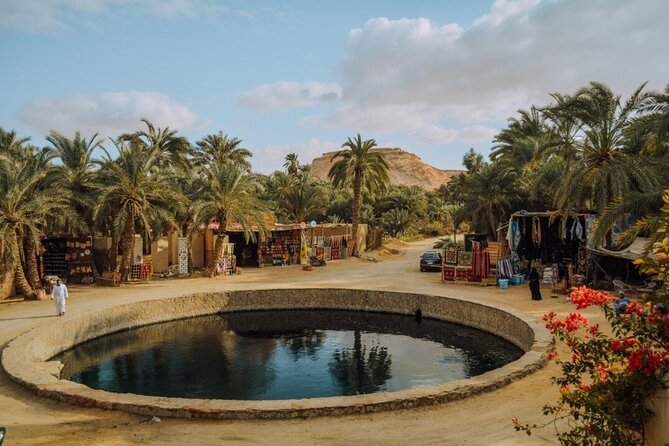
After the salty-lake time, you’ll visit Cleopatra’s Bath (the spring of Juba). The legend says Cleopatra swam there, and this is one of those places where the story matters because the spring is small and intimate rather than massive and showy.
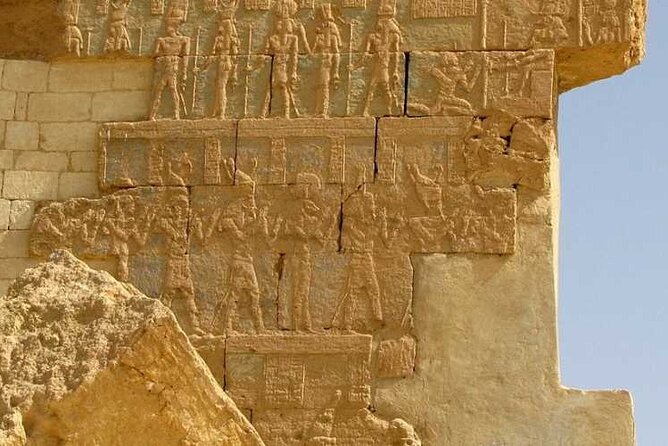
Next comes the second oracle-area structure: the temple of Umm Ubaydah / Amun temple erected by Pharaoh Nectanebo (30th Dynasty). Much of it is destroyed due to dynamiting in 1896 by an Ottoman governor eager for building material. What remains includes an inscribed wall.
That’s the catch—and it’s also the charm. You’re not getting pristine columns. You’re seeing a site shaped by time, plus the reasoning behind its current form. The museum-like vibe is lighter here, and the guide’s explanation becomes the “bridge” between what you see and what it meant.
Siwan lunch, the Great Sand Sea, and a day built for action
Once the temple and water stops are out of the way, the day becomes active. You’ll have Siwan lunch at Abdo restaurant around 12:00. It’s an important pause because the next portion is long and physically varied.
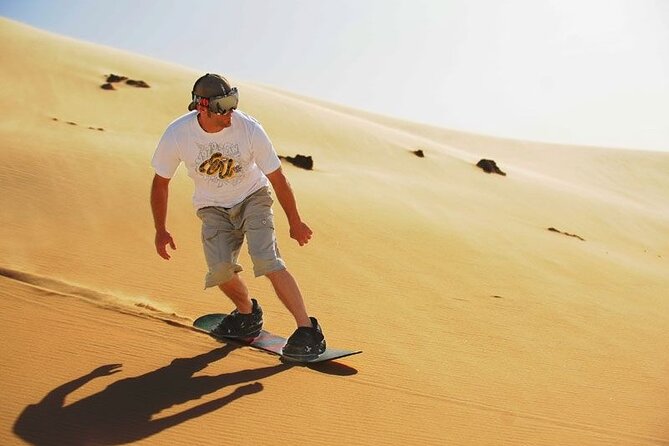
Then you head into the Great Sand Sea by Jeep 4×4. The plan explicitly includes sandboarding, with the note that the Great Sand Sea near Siwa is among the best dune fields in Egypt for it. If you’ve done sandboarding before, you’ll recognize the pattern: short climbs, fast runs, and the satisfying crunch of dry sand under your boots.
The fun doesn’t end at the dunes. You also get:
- swimming in a secluded freshwater lake, and
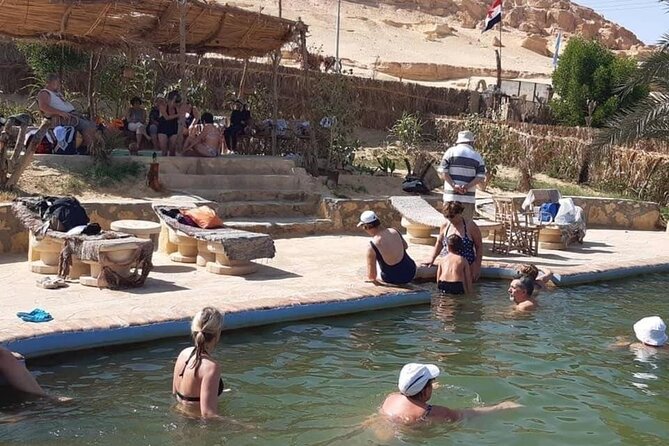
- relaxing in Bir Wahed hot spring.
That mix is smart. You go from dry heat dunes to cool water, then into warm mineral soak time. It helps you feel like you did a full day without needing to invent extra activities.
As the light changes, there’s Bedouin tea by sunset, plus camping time in a desert setting.
Al Nyhaya desert camp: lotus bell tents, wood fires, and real downtime
Night 1 is at Al Nyhaya, where the plan describes five high-quality lotus bell tents inside protective outer walls. Each tent has mattresses, mosquito nets, and double-layer insulation aimed at keeping summer heat out and winter cold in.
The tents sit on a heated floor platform: a wood fire warms the rocket-bell-style floor on colder nights. Even if your comfort needs are simple, this kind of detail is a big deal in desert camps. You’re not just “sleeping somewhere dark.” You’re planning for temperature and airflow.
The option also includes Bedouin tents in addition to the bell tents. In terms of choosing your style, this is one of those rare moments where you can match your comfort preference to the setting without missing the main point: sleeping under stars.
A note from real past experiences on this kind of camp setup is that people often name the night sky as a highlight. In a trip like this, that’s not just romantic—it’s also a mental reset after long drives.
Shali Fortress and the Mountain of the Dead: mud-brick and rock-cut tombs
After breakfast at 07:00 in the camp, you drive back to Siwa oasis and check in to your hotel. Then the plan focuses on two classic Siwa “what you can’t fake” sites.
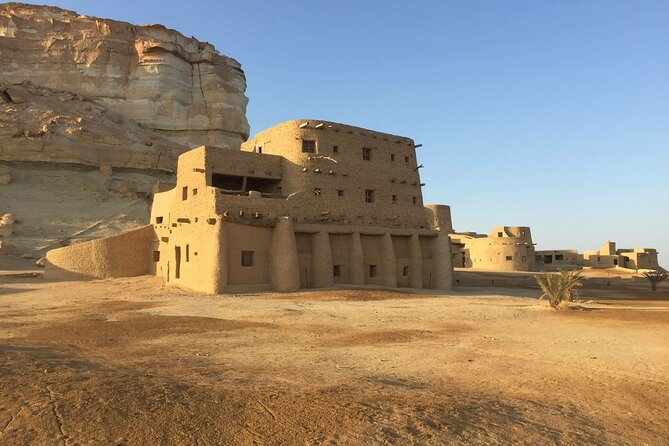
First is Shali Fortress. It was built on a hill inside protective walls and served the oasis community for about eight centuries. The description here is vivid: narrow mud-brick quarters, animals herded into the fortress each evening, and huge chunks of salt used in construction because they strengthen walls.
Rain is the enemy of mud-brick. If you’re traveling when weather is unpredictable, you might see some sections less intact than you’d expect. Still, the structure gives you a strong sense of how people lived in a fortified oasis system.
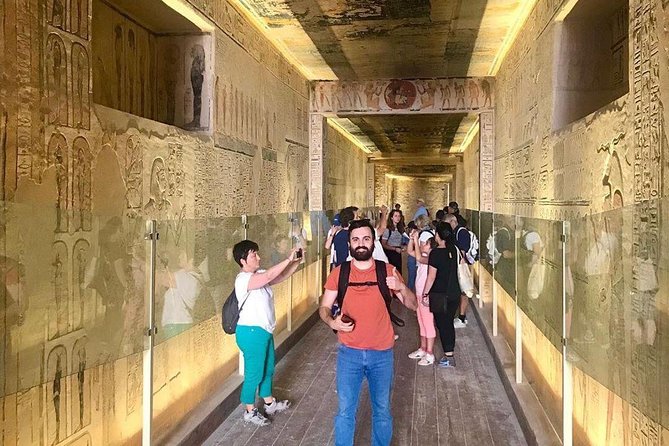
Then you head to Gebel Al Mawta (Mountain of the Dead), a conical hill with tombs cut into the rock from multiple periods: 26th Dynasty, Ptolemaic, and Roman. There are four tombs worth seeing, and Si Amun Tomb is described as especially beautiful, including painted imagery like the goddess Nut beside a sycamore tree.
This stop is a great fit if you like archaeology that feels close to the ground—part steps, part rock surfaces, part human artistry.
Ali Khaled Camp relaxation day: palms, hammocks, and sunset from the hills
The next major experience is a half-day at Ali Khaled Camp (also known as Mountain Camp). It sits at the foot of Dakrur Mountain amid palm groves, with a garden designed for relaxing—hammocks, daybeds, and a treehouse feel.
There’s also a hot spring and a freshwater plunge pool, so you can split your time between shaded rest and soaking. If you like your day to have breathing room after earlier activity, this is where you get it.
If you feel energetic, the plan mentions a hike up Dakrur Mountain for healing sand baths and for sunset over Siwa town from the mountaintop. You won’t be forced into it, but the option is there if your legs want work.
Overnight is in an ecolodge at this camp area. That keeps the trip from feeling like you’re constantly packing and repacking.
The return drive via Marsa Matrouh: a Mediterranean reset
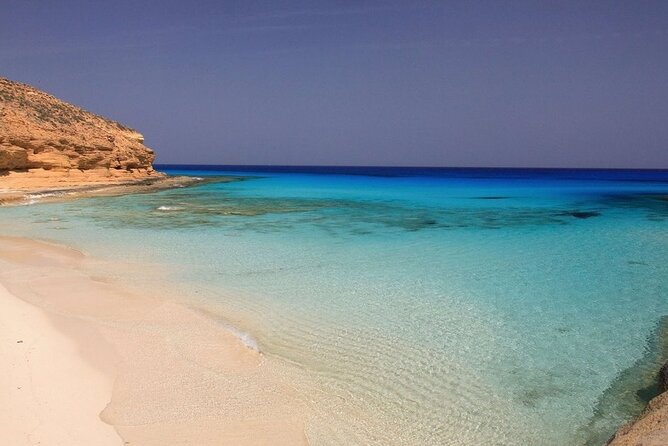
On the final day, after breakfast, you drive back to Cairo. The route passes through Marsa Matrouh for lunch and a chance to see the Mediterranean shoreline.
The description emphasizes sandy white beaches and crystal-clear waters, plus the legend that Cleopatra bathed here. It’s not a full beach vacation stop. It’s more of a visual reset: change of color palette, ocean breeze, and a different kind of calm before you hit Cairo traffic and crowds again.
Price and Logistics: how $1,045.71 fits the time you’re buying
At $1,045.71 per person, this is not a cheap outing. The value comes from what you’re actually paying for: long-distance transport from Cairo, a packed multi-stop program, and multiple major guided experiences across different themes (war history, desert myth, water activities, dune adventure, and desert camping).
You also get practical touches: pickup offered, and the tour is described as private for your group, with mobile ticket support. Group discounts are mentioned too, which could matter if you’re traveling with friends and can form a group.
Where the price can feel heavy is the same place the tour shines: it’s busy. The early mornings and long drives mean you’re purchasing time with a plan already filled in. If you want slow travel, you’ll probably feel the schedule squeeze a bit.
Who should book this 4-day Siwa tour (and who shouldn’t)
This works best if you want a Siwa trip that’s not just one oasis day. You’re getting oracle temples, salt-lake swimming, dune 4×4 and sandboarding, Shali Fortress, rock-cut tombs, and desert camp sleep—all built into a single package.
You’ll also like it if you care about safety and smooth pacing on the road. Past trip notes highlight drivers who were punctual and careful on the long drive, and guides who explained sites in clear English and kept the day comfortable.
It’s less ideal if you hate early starts or you’re the type who needs a fully unstructured day to feel happy. The desert camp and hot springs help balance the effort, but the overall tempo is still fast.
Should you book it? My straight take
Book it if you want Siwa to feel like a real experience, not a day trip. This plan gives you variety that’s hard to replicate on your own: El Alamein’s memorial depth, the hilltop oracle views, floating in salt water, dune sandboarding, and a night in bell tents or Bedouin-style tents with downtime built in.
Hold off if you’re fragile with long driving days or you only want light sightseeing. The schedule is full, and the early pickup times are part of the deal.
If you do book, my best tip is to pack for both environments: desert heat and cool evenings. Bring swim-ready items plus something to protect your eyes during the salty-lake experience.
FAQ
How long is the Siwa oasis tour from Cairo?
It’s a 4-day package, with the total experience time listed as approximately 4 days.
What time is pickup from Cairo for the El Alamein portion?
Pickup is scheduled at 05:00 am from your hotel in Cairo or Giza for the drive to El Alamein.
What sites do you visit in El Alamein?
You visit El Alamein itself, the El Alamein War Museum, the British War Cemetery, the German war memorial, and the Italian memorial.
Are any entrance tickets included for major attractions?
Yes. The plan states that some admissions are included, such as the El Alamein War Museum, the Temple of the Oracle, and the Mountain of the Dead. Other cemetery stops and several other sites are listed as free.
What activities happen in Siwa besides temple visits?
You’ll have salt-lake swimming, visit Cleopatra’s Bath, go sandboarding in the Great Sand Sea by 4×4, swim in a secluded freshwater lake, relax at Bir Wahed hot spring, and enjoy traditional Bedouin tea by sunset.
Where do you stay overnight during the trip?
You sleep in a desert camp at Al Nyhaya with lotus bell tents (and also Bedouin tents), and the plan also includes an overnight at Ali Khaled Camp/ecolodge.
Do you stop in Marsa Matrouh on the way back to Cairo?
Yes. On the last day, you drive back to Cairo and pass by Marsa Matrouh for lunch and to see the Mediterranean shore.
If you want, tell me your travel month and your group size. I can suggest how to pace the salt-lake swim day and how to pack for the temperature swings between Siwa nights and Cairo departures.