REVIEW · WESTERN DESERT
From Siwa: Full day to Salt Lake, Cleopatra Spring & Siwa City tour with Sunset
Book on Viator →Operated by Touritos™️ · Bookable on Viator
One-day tours in Siwa feel like a shortcut. This one strings together Shali Fortress, the salt lakes, Cleopatra’s spring, and a sunset finale with a guide who explains what you’re looking at. I also like that lunch is part of the plan, so you’re not scrambling for food between swims and ruins.
The only real drawback is the time crunch. It’s a long day with many stops, so if you want a slow, go-at-your-own-pace Siwa, this might feel a bit packed.
In This Review
- Key points before you go
- Why this Siwa full-day combo works when time is tight
- Getting picked up and transported across Siwa
- Shali Fortress: Siwa’s mud-brick story in about an hour
- Mountain of the Dead and the Oracle of Amun/Aghurmi
- Dakrur Mountain: culture and relationships, not just scenery
- Lake Siwa salt lake: the float you came for
- Cleopatra’s Pool (Spring of Juba): a quick swim after salt
- Lunch in the oasis: what matters and what’s included
- Traditional Siwa House: cloth, tools, and everyday culture
- The Lake Siwa sunset island: your closing hour
- Price and value: what $75 actually buys you
- Timing reality check: long day, tight windows
- Guides and on-the-ground experience: who you might get
- Who should book this tour (and who should skip it)
- Practical tips to make your day smoother
- Should you book it?
- FAQ
- What’s included in the tour price?
- Is pickup available?
- How long is the tour?
- Which parts involve swimming or salt water?
- Is lunch included, and what do I get?
- What if the weather is bad or I need to cancel?
Key points before you go
- Everything in one day: fortress, tomb sites, oracle temple, salt lakes, and sunset views
- Lunch is included: traditional Siwan meal plus 1 soft drink and water
- Several entry tickets are handled: Mountain of the Dead, Oracle of Amun/Aghurmi, and the Traditional Siwa House
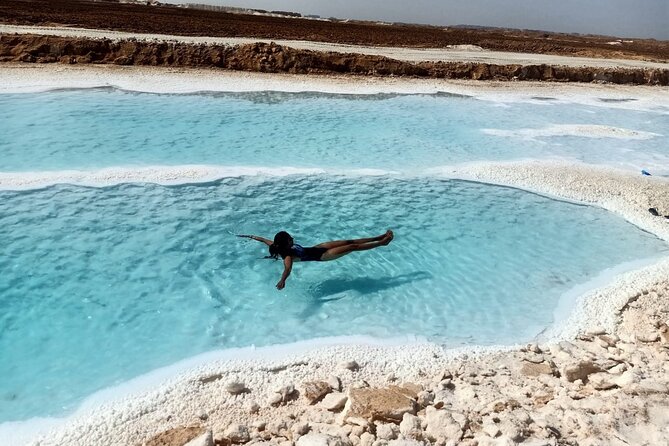
- Salt lake float time: you’ll spend 1.5 hours on Lake Siwa in the salt water
- Guides can make or break the day: names like Mohamed Abu Bakr (with his father), Ahmed, and Khaled show up as favorites
- Weather matters: the tour runs when conditions are good; it may switch dates or refund if it’s canceled for poor weather
Why this Siwa full-day combo works when time is tight
If you only have a short stay in Siwa, this is the kind of tour that saves you from decision fatigue. You get the major sights plus the famous water stops in one stretch, so you don’t need to piece together separate trips.
I like that the day isn’t only about photos. The itinerary is built around storytelling: why the places exist, what the symbols meant, and how the local traditions tie into daily life. That matters in Siwa, where the desert setting can make everything feel similar unless someone helps you separate the different sites.
Just know the trade-off. You’ll be moving for close to a full day, and the pacing is “see it all” rather than “linger.” If you’re the type who hates rushing, you may prefer a shorter half-day plan.
You can also read our reviews of more city tours in Western Desert

Getting picked up and transported across Siwa

This tour includes pickup, and you’ll ride in an air-conditioned vehicle. That’s not a small detail in the Western Desert. You’re spending a lot of hours outdoors, so having reliable comfort in between stops helps your energy last longer.
The group size is capped at 100, which can help keep things from becoming a complete zoo. Still, it’s a group day, so plan to share space—especially around popular photo moments at the salt lake.
One more practical point: the tour uses mobile tickets, which makes it easier to check in quickly. You’ll want to keep your phone charged and easy to reach.
Shali Fortress: Siwa’s mud-brick story in about an hour
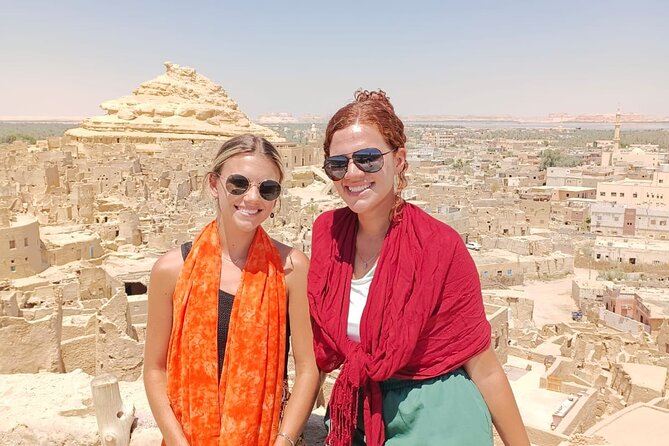
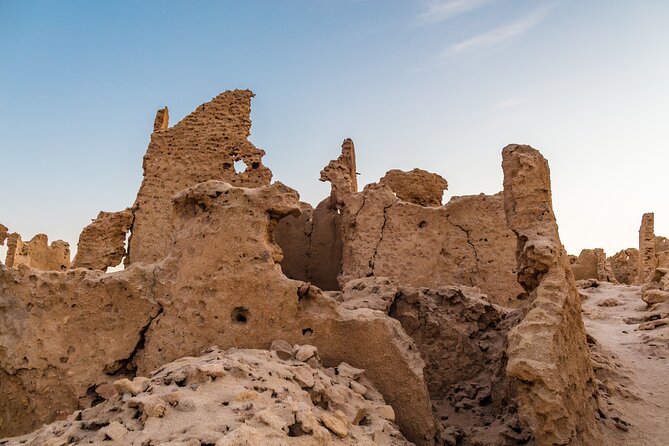
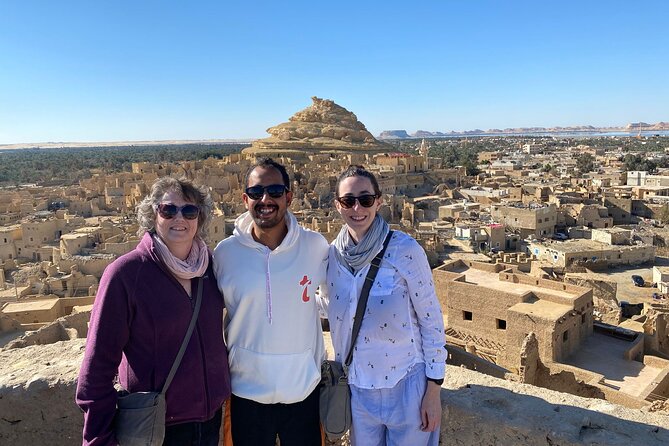
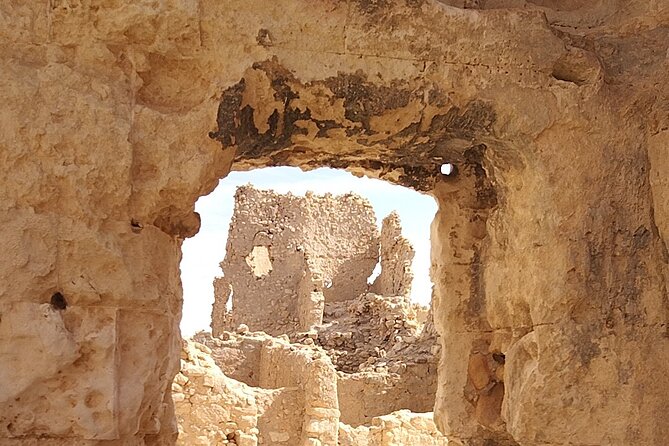
Shali Fortress is usually the first stop, and the timing makes sense. You start with the most iconic “this is Siwa” scene: the fortress atmosphere, the mud-brick architecture, and the sense of a settlement built for survival in an extreme place.
You’ll spend about an hour here, and the guide explains how and why it was built, plus when. Even if you’ve visited forts elsewhere in Egypt, the Siwa version feels different because it’s deeply tied to local living—water access, protection, and community life in the oasis.
What to watch for: take a moment to look at the structure details, not just the big views. If you’re chatting with your guide, ask how the site relates to the way Siwans developed in the oasis—this is the kind of context that helps the rest of the day click.
Mountain of the Dead and the Oracle of Amun/Aghurmi
Next comes a pair of stops that can feel different even though they’re both archaeology-focused.
Mountain of the Dead is the tomb area, and you’ll have about 45 minutes. The guide’s role is key here. Tombs can turn into “random rocks” if you don’t get orientation. The guide helps you understand what was discovered and how to read the significance of the place. Expect a more explanatory, listening-heavy segment.
Then you’ll visit the Temple of the Oracle of Amun / Aghurmi for about 45 minutes. This is where the day starts to feel myth and meaning combined with physical remains. The guide shares the story behind the site and points out secrets you might miss if you just walk past.
Potential drawback: if you’re not in a “let me listen” mood, these two stops can feel like a lot of information back-to-back. If that’s you, bring a mental break: look at one or two key details, take a photo, then switch back into listening mode.
Dakrur Mountain: culture and relationships, not just scenery
Dakrur Mountain is shorter—about 30 minutes—but it’s a smart inclusion. It shifts the focus from monuments to people. The theme here is how Siwan people treat each other and what they do there each year.
Even if you’re mainly there for famous natural sights, I think this stop adds balance. It’s a reminder that Siwa isn’t only “ancient ruins + salt water.” It’s a living culture with rituals that repeat.
Because it’s brief, it’s also easier to absorb. You can keep moving and still leave with something human-scale.
You can also read our reviews of more evening experiences in Western Desert

Lake Siwa salt lake: the float you came for
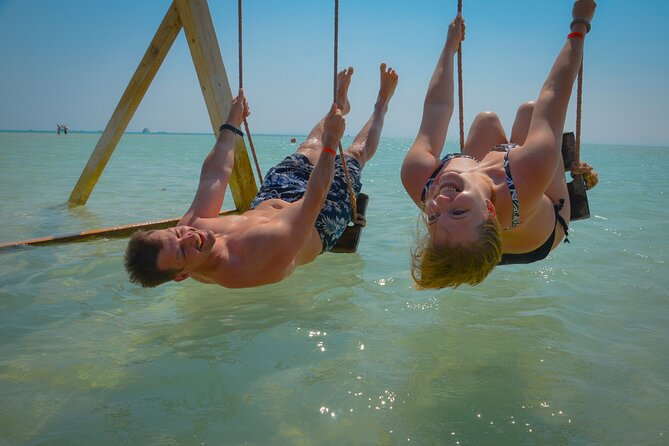
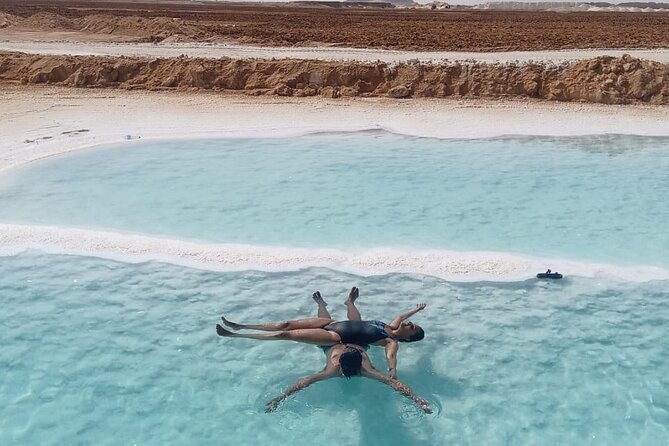
Lake Siwa is the big moment. You’ll spend about 1 hour 30 minutes here, and it’s timed as the most waited-for stop.
The salt water is the star. You may not be an expert swimmer, and the water can still carry you. That’s the kind of promise you only half-believe until you’re standing there, and then you realize it really is unlike normal swimming.
Practical advice: treat this as a controlled experience. Keep it relaxed. Don’t fight the water. If you wear goggles, fine. If you don’t, at least try to protect your eyes during entry and exit.
This is also where you’ll want your best patience for logistics. The salt lake gets photo-heavy, and groups move in waves. Go easy on the “perfect shot” pressure. The real win is the time you spend floating and soaking up that still desert-water feeling.
Cleopatra’s Pool (Spring of Juba): a quick swim after salt
After Lake Siwa, you’ll go to Cleopatra’s Pool, also called the Spring of Juba. Expect about 30 minutes in the water.
This stop works like a reset. The salt lake is full-on float mode; this is more like a refreshing dip, with a different vibe and a different kind of water experience. The guide helps you connect it to the story of the spring so it doesn’t feel like just another splash.
Time is the key factor here. Thirty minutes is enough for a swim and a few photos, but not enough to turn it into a long spa break. If you want longer water time, this tour isn’t designed for that.
Lunch in the oasis: what matters and what’s included

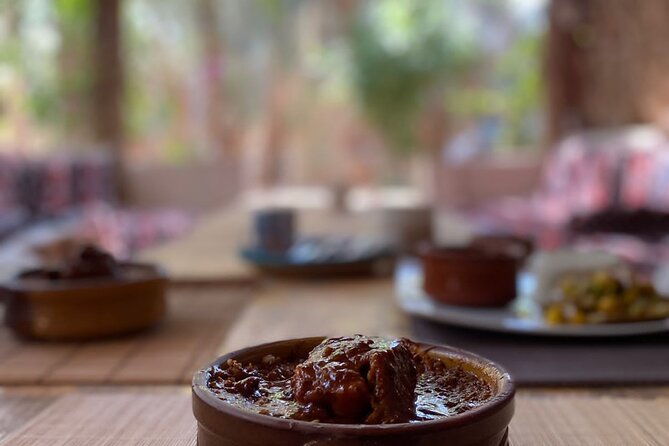
Between roughly 3 and 4 pm, you’ll have a traditional Siwan lunch at a local restaurant. The meal is scheduled for about an hour.
I like that lunch is handled for you. That means you can spend your mental energy on the day instead of hunting for food at the wrong moment. The lunch includes 1 soft drink and water, and that covers the essentials.
If you’re thirsty after salt-water swimming, you’ll feel grateful for that included water. If you want extra drinks beyond what’s included, plan to pay for them yourself.
A small timing note: this is the point in the day where people can either slow down happily or get cranky. If you’re the cranky kind, treat lunch as fuel, not as an extended rest. Eat, recharge, then you’re ready for the house and sunset.
Traditional Siwa House: cloth, tools, and everyday culture
After lunch, you’ll visit The Traditional Siwa House for about 30 minutes. Admission is included here, so you’re not trying to puzzle out what costs extra on the spot.
This stop is about how people lived and how they dressed. You’ll learn about official cloths and equipment used before, and you get a direct cultural bridge from the archaeological sites to daily life.
This is also a good “eyes” stop. Temples and tombs can blur together. A house gives you scale. It helps you picture where people slept, worked, and stored daily items—things that don’t show up in stone.
The Lake Siwa sunset island: your closing hour
The day ends back at Lake Siwa. After the Traditional Siwa House, you’ll go to an island to watch the sunset for about an hour.
Sunset at Lake Siwa is exactly the kind of payoff that makes a packed day feel worth it. Salt water in low light looks different. You get softer colors, calmer reflections, and a more relaxed pace than the earlier stops.
This is also where you can take a breath. If you were listening hard to history and explanations earlier, sunset gives your brain a chance to switch from “learn mode” to “enjoy mode.”
Price and value: what $75 actually buys you
At $75 per person, this is a classic “bundle value” tour: transport, multiple stops, and at least a few ticketed sites are included. You’re also getting lunch without paying separately for it during the day.
Here’s what I consider good value:
- Air-conditioned vehicle + pickup, which protects you from desert travel fatigue
- Lunch with water and a soft drink
- Admission included for several key locations (Mountain of the Dead, Oracle of Amun/Aghurmi, Traditional Siwa House)
- The salt lake time, which is the main attraction people plan around
So even though $75 isn’t “cheap-cheap,” it’s not only sightseeing—it’s logistics handled for a full day. If you were to self-coordinate, you’d spend money and time just getting between sites and figuring out entry fees.
Possible consideration: tipping is not mandatory, but it’s highly appreciated. If you’ve got a great guide, consider budgeting a little for that at the end.
Timing reality check: long day, tight windows
This is the part I want you to respect before you book. The tour runs around 10 hours and can feel closer to a “nearly 12-hour” day because you’re bouncing between multiple stops plus water time plus lunch.
Most people can participate, but your comfort level matters:
- If you dislike long days, you may feel rushed by the number of locations
- If you love slow exploration, you’ll want a shorter itinerary
- If your plans depend on arriving back at a specific time, keep a buffer, since one rough experience described a delayed start by about 1 hour 20 minutes
In other words: it’s organized, but it’s still a group day in the desert. Assume the day won’t be perfectly synchronized.
Guides and on-the-ground experience: who you might get
The guide makes a big difference here, and the names you’ll hear associated with strong experiences include Mohamed Abu Bakr (sometimes with his father), plus Ahmed and Khaled. People describe these guides as friendly, attentive, and good at explaining what you’re seeing. One guide is also singled out for speaking Italian very well and for being a strong help for photos.
So what should you do? When you arrive, watch how your guide sets expectations. A good guide will quickly explain how the day flows and what to focus on at each stop. If yours gives you that kind of clarity, you’ll feel the day click into place fast.
Who should book this tour (and who should skip it)
I think you’ll love this if:
- You have limited time in Siwa and want to see the main sights in one outing
- You care about both sites and culture, not only the salt lake float
- You like having a plan and getting help with tickets, timing, and explanations
I’d hesitate if:
- You want a relaxed, slow, unstructured day
- You hate being on a schedule for most of the day
- You’re sensitive to delays or don’t have any flexibility in your remaining itinerary
This tour also makes sense if you’re the type who can enjoy a site even if you don’t know all the background. The guide is built into the value.
Practical tips to make your day smoother
You’ll be in and out of water and walking in desert conditions. I’d pack with that in mind:
- Swimsuit plus a quick-dry towel (and plan how you’ll change comfortably)
- Sunglasses and eye protection if you’re salt-sensitive
- Sunscreen and a hat, since you’ll be outdoors for many hours
- A small amount of cash for extra drinks or personal expenses
- If you’re bringing a phone for sunset photos, keep it charged and protected from sand
Also, keep your schedule mindset flexible. The day has many steps, and desert timing can be… desert timing.
Should you book it?
Yes, if you’re trying to cover Siwa’s biggest highlights in one day without organizing transport and tickets yourself. This tour is a smart value when you want Shali Fortress, tomb/oracle archaeology, the salt lake float, Cleopatra’s spring, and sunset—plus lunch—under one roof.
No, if you’re chasing a slow travel pace or you need strict timing certainty. One long-day option like this is great for travelers who can handle motion and short stops.
If your goal is maximum Siwa per day with helpful guidance, this is a solid bet.
FAQ
What’s included in the tour price?
The price covers an air-conditioned vehicle, all fees and taxes, and lunch at a local restaurant. Lunch includes 1 soft drink and water. Some site entry is included in the tour stops, while others are free at the stop.
Is pickup available?
Yes. Pickup is offered, and you travel by air-conditioned vehicle during the day.
How long is the tour?
The duration is listed as about 10 hours (approximately). The full day includes multiple stops, swimming time, lunch, and a sunset viewing.
Which parts involve swimming or salt water?
You’ll spend time at Lake Siwa floating in the salt lake (about 1 hour 30 minutes), then you’ll have a shorter swim at Cleopatra’s Pool / Spring of Juba (about 30 minutes).
Is lunch included, and what do I get?
Lunch is included at a local restaurant between about 3 to 4 pm. It includes 1 soft drink and water. Any extra drinks are your own expense.
What if the weather is bad or I need to cancel?
The experience requires good weather. If it’s canceled due to poor weather, you’ll be offered a different date or a full refund. You can cancel up to 24 hours in advance for a full refund.