REVIEW · WESTERN DESERT
From Siwa: 2-Day Desert Safari, City Guided Tour, Salt Lakes & 1 night camping
Book on Viator →Operated by Touritos™️ · Bookable on Viator
Siwa feels like another planet after dark. This 2-day Western Desert trip lets you ride deep into the Great Sand Sea by 4WD for dune bashing and sand play, then finish with a private-tent desert night under the stars. The main trade-off: the first day is long and you start at 3:30 pm, so you should be ready for a packed, late-return style of travel.
What I really liked is how it mixes big action with real place-time. You’ll float at Lake Siwa and visit old Siwa landmarks like Shali Fortress and the Temple of the Oracle of Amun, then cool off at Cleopatra’s Pool. If you’re aiming to see Siwa beyond the photos, this one gives you the goods, especially with a guide who keeps the day moving and the vibe relaxed.
In This Review
- Key Things You’ll Remember From This Siwa Tour
- Getting To Siwa at 3:30 pm: A Late-Start That Works
- Great Sand Sea by 4WD: Dune Bashing and the Part Your Camera Loves
- Cold Lake, Hot Spring, and Desert Tea at Sunset
- Dinner at Desert Camp: Private Tent, Sleeping Bag, and Stars
- Lake Siwa and the Salt-Lake Float: Why This Stop Feels Surreal
- Shali Fortress: Old Siwa’s Story in Mud-Brick Walls
- Mountain of the Dead: Tombs, Discoveries, and Real Curiosity
- Temple of the Oracle of Amun (Aghurmi): A Spot With a Secret Feeling
- Dakrur Mountain and Sand Baths: Desert Culture in One Hour
- Cleopatra’s Pool (Spring of Juba): The Post-Salt-Lake Reset
- Museum of Siwan Traditions: What People Actually Did Here
- Sunset From a Private Island: The Siwa Finale
- Logistics, Timing, and What to Pack for This 2-Day Safari
- Price and Value: Why $165 Can Make Sense Here
- Should You Book This Siwa Desert Safari + City Tour?
- FAQ
- What is the duration of this tour?
- What time does the tour start?
- Is pickup offered?
- What’s included in the price?
- Do you get to swim?
- Are admission tickets included for all stops?
- Do I need to bring my own sleeping bag?
- Is tipping included?
- What’s the group size?
- What happens if weather is bad?
Key Things You’ll Remember From This Siwa Tour
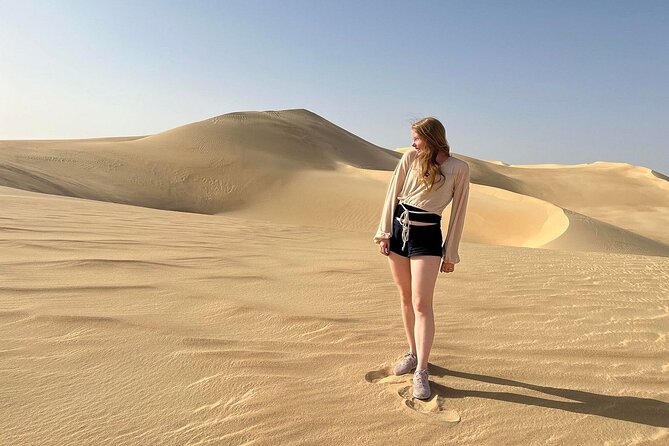
- Great Sand Sea 4WD ride with dune bashing and photo stops
- Sandboarding plus a sunset tea moment in the desert
- Cold lake and hot spring swimming, then dinner at a desert camp
- Lake Siwa salt-lake time for floating and photos
- Ancient stops like Shali Fortress, the Oracle Temple (Aghurmi), and the Mountain of the Dead
- Two sunset vibes, including a private island view in Siwa
Getting To Siwa at 3:30 pm: A Late-Start That Works
The tour starts at 3:30 pm, which changes the feel immediately. Instead of starting slow with daylight sightseeing, you shift into “desert mode” while the sun is still up, and you build toward sunset and night camping.
Day 1 is the heavy-hitter. You’ll spend hours moving through the desert and then settle in for dinner and sleep at camp, so plan on a steady day rather than a relaxed, stop-and-stroll pace.
The group size is capped at up to 100. That can mean more moving parts, but it also means you’re not stuck with a tiny group that might slow down logistics. The real make-or-break here is how your guide handles timing.
You can also read our reviews of more tours and experiences in Western Desert.


Great Sand Sea by 4WD: Dune Bashing and the Part Your Camera Loves
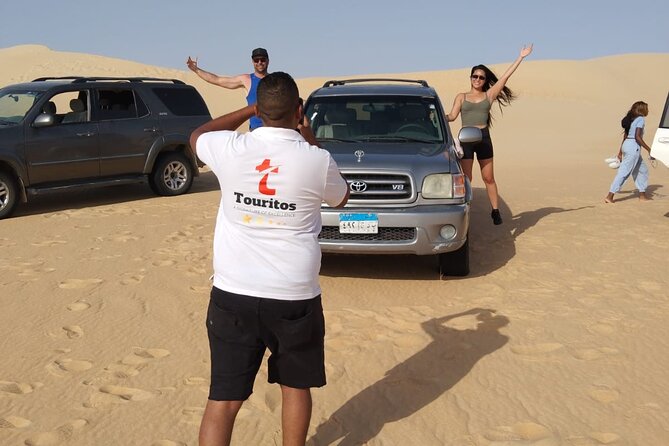
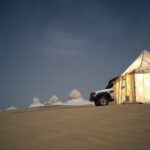
Your entry into the Great Sand Sea happens by 4WD Land Cruiser, not on foot. The day is built around a classic desert rhythm: drive in, stop for photos, then turn the ride into a proper adrenaline session with dune bashing.
This is also where sand play becomes more than a gimmick. You’ll have time for sandboarding, which is a fun way to feel how dry, sloped terrain behaves out here. If you like active travel, this is one of the best reasons to book instead of doing Siwa on your own with just a driver.
One practical note: you’ll be spending time sitting in the vehicle on bumpy terrain. If you’re the kind of person who gets motion-sensitive, consider packing what helps you (and don’t leave it to hope).
Cold Lake, Hot Spring, and Desert Tea at Sunset
After the dunes, the itinerary pivots to something you can cool your body with. You’ll have a chance to swim at the cold lake and also at the hot spring in the desert area. Even if you don’t go all-in, watching the contrast is part of what makes Siwa feel different from other Western Desert stops.
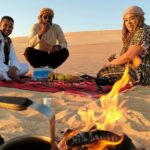
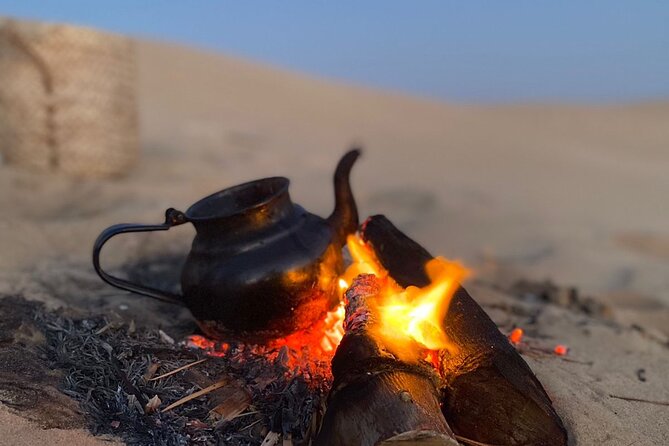
Then comes the sunset moment. You’ll watch the desert sunset while drinking traditional Siwan tea, and that small ritual is exactly the kind of local touch that makes the day feel cared for rather than rushed.
This is also a good time to slow down and look around. The Great Sand Sea has huge scale, and in these moments it’s easier to understand why people come back to Siwa year after year.
Dinner at Desert Camp: Private Tent, Sleeping Bag, and Stars
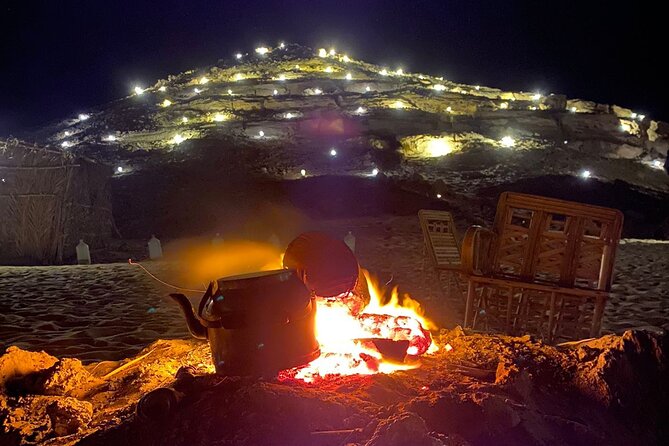
Once you reach camp, the experience shifts from daytime action to night atmosphere. You’ll have dinner under the stars and sleep in a private tent, with sleeping bags included.
The practical value of the camp setup is that it handles the essentials for you. You’re not hunting for permits, arranging bedding, or figuring out where to go at night. You just show up, eat, and rest.
One consideration: camp nights are part of the experience, so come ready for basic desert living. Comfort will depend more on your expectations than on hotel standards.
Lake Siwa and the Salt-Lake Float: Why This Stop Feels Surreal
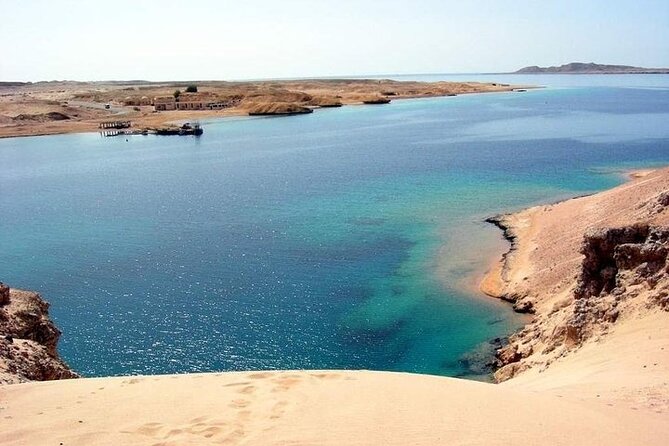
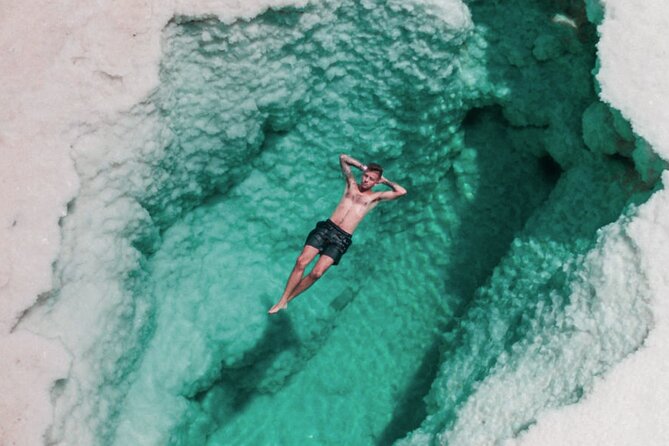
Day 2 starts with Lake Siwa, with about one hour at the salt lake. The highlight here is how the water lets you float, so you get that surreal moment of being buoyant in a place that looks like pure landscape.
This stop is also where swimming becomes central to the day’s theme: Siwa isn’t only ruins and sand. It’s a lived landscape with natural water and salt-lake rituals that shaped life here for generations.
If you want your lake time to go smoothly, plan for a bit of a scramble: you’ll likely want to keep track of where your gear is (phone, towel, dry bag if you use one). The cleaner your setup, the less annoying the process feels.
You can also read our reviews of more city tours in Western Desert
Shali Fortress: Old Siwa’s Story in Mud-Brick Walls
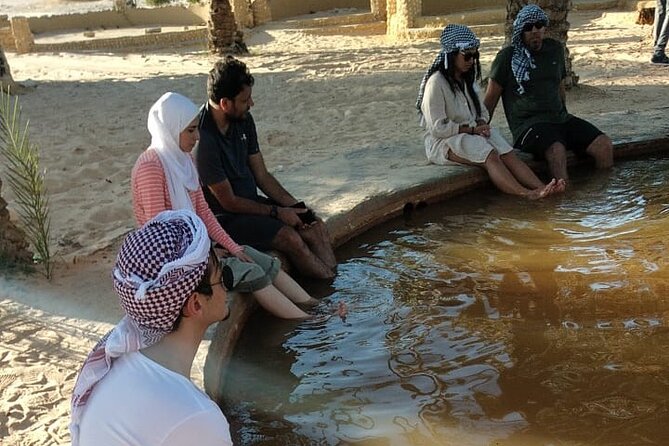
From the lake, you head to Shali Fortress, the old town area of Siwa. You’ll spend around 45 minutes here, and your guide explains why this fortress was built and when people left.
What I like about Shali Fortress is that it’s a “human-scale” kind of history stop. Instead of trying to memorize dates, you get a sense of how architecture responds to the desert—how people built to protect themselves and organize life.
This is one of those stops where good guiding matters. If your guide is clear, you’ll understand what you’re looking at instead of just seeing sand-colored walls.
Mountain of the Dead: Tombs, Discoveries, and Real Curiosity
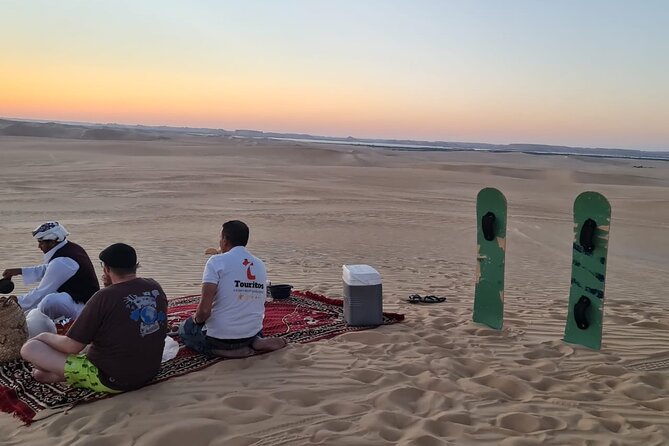
Next up is the Mountain of the Dead, with about 30 minutes on site. This is the kind of location that feels quiet and strange, and your guide’s role is to connect the landscape to what’s been discovered there.
You’ll learn how tombs were found and what period the finds relate to, including tomb discoveries connected with pharaoh-era themes. Even if archaeology isn’t your main hobby, the way the stop is explained can turn “a mountain” into a story you actually remember.
If you’re short on energy after camp, this is still manageable because the time here is limited.
Temple of the Oracle of Amun (Aghurmi): A Spot With a Secret Feeling
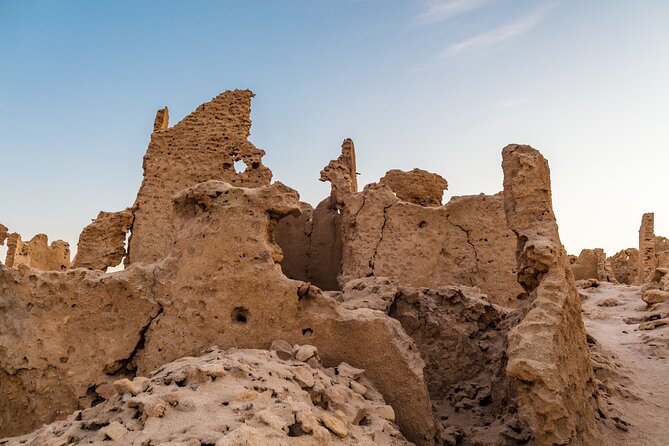
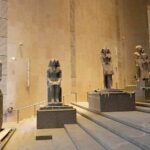
After that, you visit the Temple of the Oracle of Amun / Aghurmi, around 45 minutes. The way it’s framed here is built around mystery: there’s a secret behind the place, and your guide points you toward what that might mean.
This is a temple stop with an “explain it to me” vibe, not a “wander and hope” vibe. If you enjoy places where belief, politics, and geography overlap, you’ll get more out of this when you listen closely.
Wear shoes you’re comfortable walking in. Even if the route is short, these sites usually involve uneven ground.
Dakrur Mountain and Sand Baths: Desert Culture in One Hour
Then comes Dakrur Mountain, about 30 minutes. You’ll hear why Siwan people celebrate the Siwan New Year at this spot and also why it’s known as a great place for sand baths during summer.
This stop matters because it shows Siwa as a living culture, not just a scenic detour. You’re seeing how people use the desert in practical ways, and how festivals connect to landscape.
If you like photos, the mountain area can be strong visually, but the real value is the explanation that ties the place to seasonal life.
Cleopatra’s Pool (Spring of Juba): The Post-Salt-Lake Reset
After salt lake time, you’ll shift to Cleopatra’s Pool – Spring of Juba for a 45-minute swim and wash. This is the reset button after salt water, and it also makes the trip feel more complete because you get both the “float” and the “freshen up” parts.
This is also a rare chance to experience water in the middle of an otherwise dry itinerary. That contrast is part of why Siwa is so memorable.
Bring swim essentials you feel comfortable with, and if you’re packing light, plan to keep your dry stuff protected after the water stops.
Museum of Siwan Traditions: What People Actually Did Here
The Museum of Siwan Traditions gives you a calmer stop of about 30 minutes. You’ll learn about Siwan culture, house items, and ways of living.
This is useful because it adds context. After you’ve seen dunes, fortresses, and sacred sites, the museum helps connect those images to daily life, even if the focus is simplified for visitors.
If you tend to skip museums, don’t. A short museum stop can be what turns an itinerary of highlights into a coherent picture of where you are.
Sunset From a Private Island: The Siwa Finale
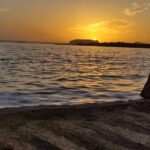
Your day wraps with Siwa Oasis Tour and a sunset from a private island. Around 45 minutes here, you get a quieter, softer ending to the trip compared to Day 1’s adrenaline.
This final sunset matters more than you might think. Big desert days can leave you with “cool moments” but no closure. Ending here gives you a slower beat where the whole place clicks.
It’s also a nice contrast: desert camp at night on one day, private-island sunset on the next. Same region, different mood.
Logistics, Timing, and What to Pack for This 2-Day Safari
This is an active tour. It includes 4WD, dune bashing, sandboarding, and multiple water stops, including swims and a salt-lake float.
Here’s what you should think about before you go:
- Bring swimwear you don’t mind getting sandy
- Plan for layers for night, since you’re sleeping in a private tent with a sleeping bag provided
- Expect vehicle time on uneven terrain
- Bring sun protection (hat, sunglasses, sunscreen), because desert light hits hard
Included basics make this easier: bottled water per person, sandboarding, permits, meals (lunch, dinner, breakfast), and your camp sleeping setup are already covered.
Also note: the tour requires good weather. If conditions aren’t right, the experience can be rescheduled or refunded depending on what they offer.
Price and Value: Why $165 Can Make Sense Here
At $165 per person, this is not a budget “just a taxi and a map” situation. The value comes from how many core costs are handled:
- 4WD desert transport plus permits
- Sandboarding and a professional Siwan guide
- Meals across the overnight (lunch, dinner, breakfast)
- One night camping in a private tent with sleeping bag
- Bottled water per person
- Entry coverage for several key stops
If you tried to build this yourself, the hardest parts to price are usually the desert transport and the overnight logistics. Those are exactly where group tours often save you time and friction.
One thing to budget for: tipping. It’s not included, and the tour notes that tipping the driver, guide, and leader is appreciated.
Should You Book This Siwa Desert Safari + City Tour?
Book it if you want an experience that mixes real Siwa culture with serious desert time. This tour fits best if you’re active, comfortable with swimming, and happy to trade a relaxed schedule for a full two days of variety.
Skip it or consider alternatives if you want a light-touch, low-movement sightseeing trip. The first day is long, the desert activities are front and center, and your comfort depends on how you handle outdoor camping.
If you care about service, this is also a good bet. The standout praise here isn’t just the scenery. It’s the way the driver and lead guide keep things smooth and fun, with the tour lead Hasan specifically mentioned for going the extra mile and maintaining an easy, chill energy.
FAQ
What is the duration of this tour?
It runs for about 2 days.
What time does the tour start?
The start time is 3:30 pm.
Is pickup offered?
Yes, pickup is offered.
What’s included in the price?
Included items are lunch, dinner, breakfast, sandboarding, a professional Siwan guide, one night camping at the desert camp in a private tent, sleeping bags, desert safari permits, and bottled water per person.
Do you get to swim?
Yes. You’ll have chances to swim at the cold lake and hot spring on Day 1, float at Lake Siwa on Day 2, and swim at Cleopatra’s Pool (Spring of Juba).
Are admission tickets included for all stops?
Not every stop is labeled the same way. Some site admissions are marked as included, and others are marked as free.
Do I need to bring my own sleeping bag?
No. Sleeping bags are included for the night camping in a private tent.
Is tipping included?
Tipping is not included, and it’s appreciated for the driver, guide, and leader.
What’s the group size?
The maximum group size is listed as up to 100 travelers.
What happens if weather is bad?
The experience requires good weather. If it’s canceled due to poor weather, you’ll be offered a different date or a full refund.