REVIEW · WESTERN DESERT
Siwa Oasis tour lifetime Experience 2 days &1night all inclusive
Book on Viator →Operated by siwa natives · Bookable on Viator
Siwa feels like another world. This 2 days and 1 night, all-inclusive Siwa Oasis tour balances authentic local culture with desert adventure, from Shali Fortress views to Great Sand Sea sandboarding and a classic sunset tea break. I especially liked the all-local team approach, and I’m drawn to how you’re not just ticking sights—you’re getting context for what you’re seeing, like the Oracle of Amun connection to Alexander the Great.
I also love the small-group feel (max 7 travelers), because it makes the days move with less stress and more personal pacing. One possible drawback: the schedule is active and weather-dependent—if conditions are off, the desert portion can be affected, and you’ll want to be ready for a long day on the sand (the Great Sand Sea stretch runs about 6 hours).
In This Review
- Key highlights at a glance
- Why this Siwa Oasis tour feels different (and worth considering)
- Day 1: Shali Fortress, Siwan Traditions, and the Mountain of the Dead
- Great Sand Sea day: sandboarding, tea at sunset, and hot springs
- Day 2: Oracle of Amun, Aghurmi, and the Siwa Feast grounds at Dakrur Mountain
- Lake Siwa floating and Cleopatra Spring: salt water fun in Siwa style
- Fatnis Island (Fantasy Island) at sunset: the payoff moment
- What all-inclusive really means here (meals, transport, and the ecolodge)
- Transportation, timing, and group size: how the trip actually flows
- Practical tips: what to pack for sandboarding and spring swimming
- Price and value: is $162 a fair deal for Siwa?
- Who should book this 2-day Siwa Oasis package?
- Should you book this tour or look for alternatives?
- FAQ
- What is the duration of the Siwa Oasis tour?
- What time does the tour start?
- Is pickup available?
- How many people are in the group?
- What’s included in the price?
- What accommodation do you stay in?
- Is the tour focused on both history and nature?
- Are there weather conditions that affect the experience?
- What should I do about personal expenses?
Key highlights at a glance
- Siwa natives running the show: professional locals with deep knowledge of oasis history and how to manage the details.
- Max 7 travelers: smaller group energy, with room for questions and smoother transitions.
- Big Day 1 adventure: Great Sand Sea sandboarding plus sunset tea party and hot springs.
- Mix of culture and nature: fort, museum, tomb viewpoints, springs, and salt lakes, all in one trip.
- All-in meals and an ecolodge stay: dinner, breakfasts (2), lunches (2), and coffee or tea are included.
- Real guide moments: the tour has had standout feedback, including guidance from Hamada who handled things for travelers with real convenience.
Why this Siwa Oasis tour feels different (and worth considering)
Most Siwa trips are “see a few places and move on.” This one has a more practical rhythm: you visit places with time to understand them, then you shift gears into physical fun—sand, swimming, and lounging in springs. The key difference is the staffing. The guides are Siwa natives, and the whole point is you’re learning from people who live the oasis story, not just people who know how to read a script.
You’ll notice it in how the stops are grouped. Day 1 builds from the living heritage of Siwa (Shali Fortress and the traditions museum) into tomb history and then into the desert playground. Day 2 does something similar: temple and festival grounds, then water experiences that feel very “Siwa-only,” like floating in salt lakes and swimming at Cleopatra Spring.
That small-group cap (up to 7) matters more than it sounds. It reduces waiting time and makes it easier for your guide to adjust the pace if you need a bathroom stop, if someone’s sandboarding confidence is lower than expected, or if the sunset timing needs a little flexibility.
A few more Western Desert tours and experiences worth a look


Day 1: Shali Fortress, Siwan Traditions, and the Mountain of the Dead
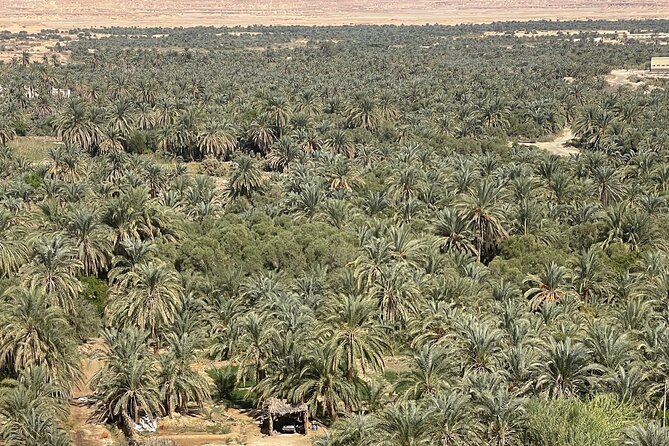
Day 1 is built around Siwa’s human side first. You start at Shali Fortress, and the plan has two parts: you go inside the fortress for explanation, then you climb up to the top for a full oasis overview. That climb is short enough for most people, but it’s enough to make the views click. You see how the oasis forms a pocket of life in the Western Desert—and you get the visual logic behind why people built and stayed there.
Next comes the Museum of Siwan Traditions. This is one of those stops that can be either dry or fascinating, depending on the guide. Here, the museum tour is meant to show how locals lived day to day, including the tools used in daily life. I like this kind of museum because it gives you “how people actually worked” details instead of only big monuments.
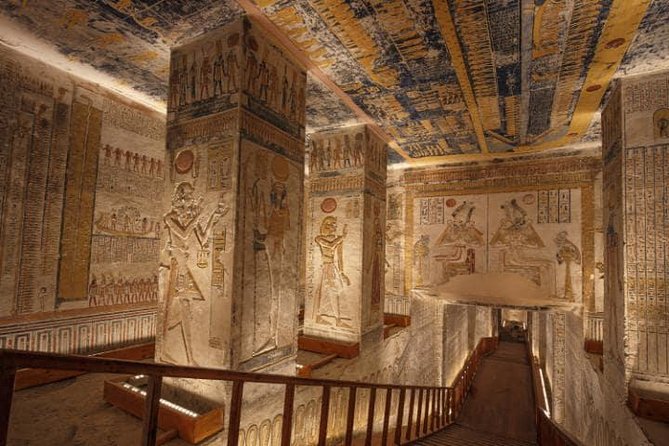
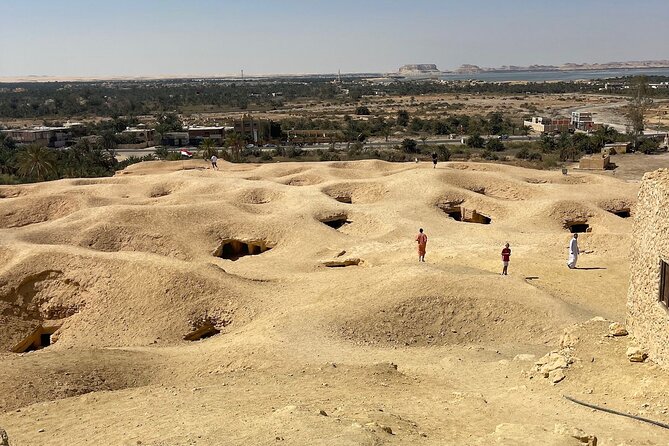
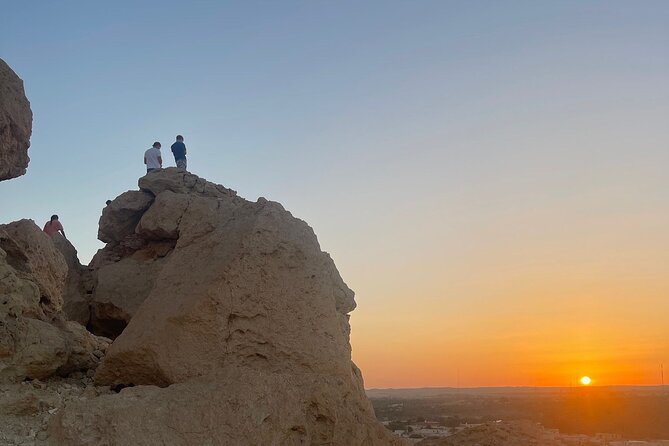
Then you head to the Mountain of the Dead for a look at Pharaonic tombs, with an explanation of the mountain’s history. The time here is about 30 minutes. Don’t expect a long academic session, but do expect a clear story and a viewpoint experience—enough to connect the site to the wider Pharaonic world and still keep energy for the desert afternoon.
Practical note: day 1 includes several short, ticketed stops, and those stack up quickly. If you’re the type who needs quiet time between activities, build in a little personal buffer whenever you can (water, quick rest, and a moment to take photos before you move on).
Great Sand Sea day: sandboarding, tea at sunset, and hot springs
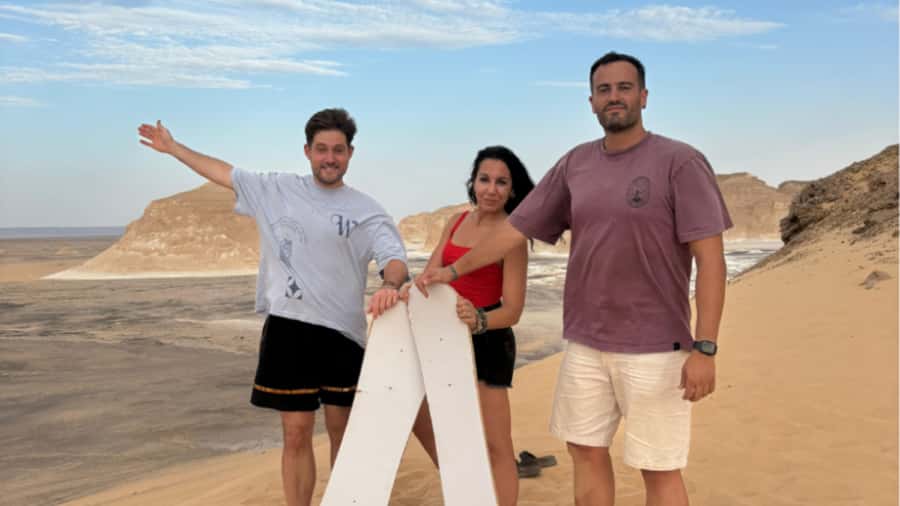
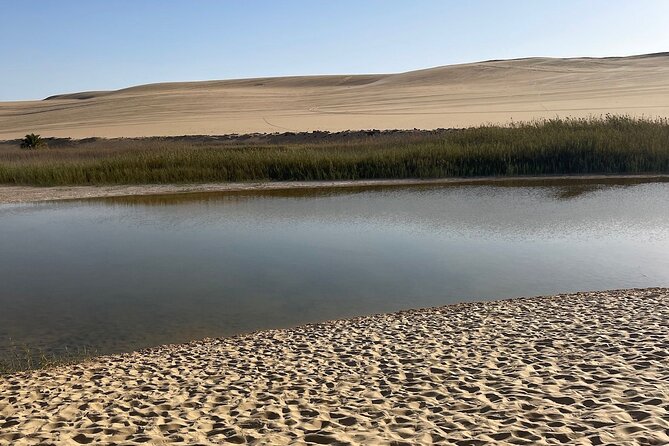
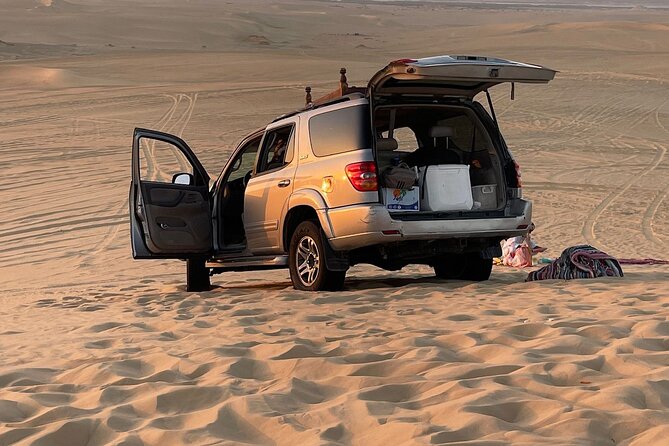
The Great Sand Sea portion is the main adventure block, and it runs about 6 hours. This is where the tour shifts from cultural discovery into action.
You’ll do sandboarding—meaning you should come prepared for sand, sun, and the kind of “oops, sand in places sand shouldn’t be” experience that comes with boarding down dunes. Even if you’re not a thrill-seeker, you’ll probably enjoy the change of pace. It’s not just a ride; it’s a desert activity that gives you a tangible feel for the Great Sand Sea.
Then you get a sunset tea party, followed by hot springs. That sequence is smart. It spaces the day so you’re not doing peak exertion back-to-back forever. By the time you reach the hot springs, your body understands what the sand day did to it—and the soaking part feels earned.
What’s worth knowing: hot springs are a comfort factor, not a spa fantasy. Bring the basics (swimwear, towel if you have one, and a way to keep your things from getting ruined). If you’re sensitive to strong sun, plan to protect your skin early, because desert light hits hard even when you feel like it’s just another afternoon.
Day 2: Oracle of Amun, Aghurmi, and the Siwa Feast grounds at Dakrur Mountain
Day 2 starts with the Temple of the Oracle of Amun, also known as Aghurmi. This stop is around 30 minutes and includes an explanation tied to Alexander the Great. It’s a quick hit, but the point is clarity: you’re shown what mattered about the oracle connection, and you get a sense of why this temple mattered to outsiders as well as locals.
Next is Dakrur Mountain, again about 30 minutes. This is where the annual Siwa Feast happens—the Feast of Reconciliation. Even if you’re visiting outside the festival dates, I like that the guide frames the mountain as a stage for community tradition. It makes the place feel alive rather than like a random hill you pass on a map.
Lake Siwa floating and Cleopatra Spring: salt water fun in Siwa style
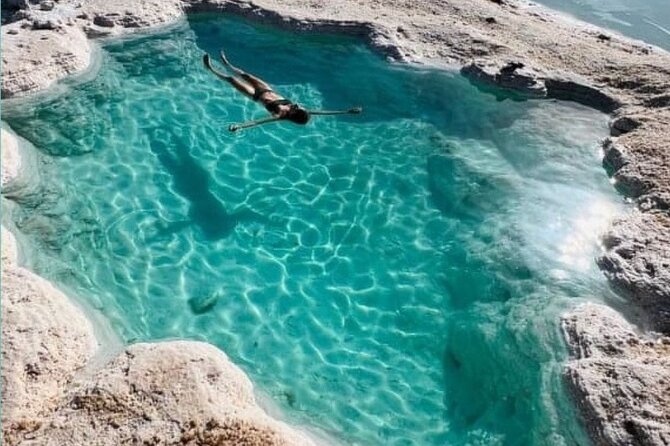
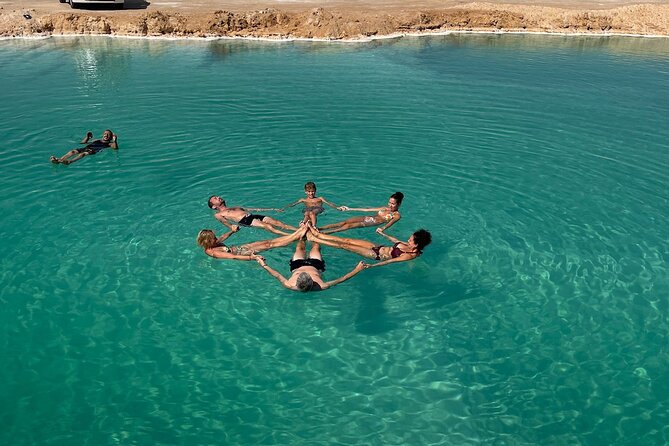
Then comes the signature water experience: Lake Siwa. You’ll spend about 2 hours here, and the headline is floating in salt lakes. If you’ve never floated in salt water, it’s usually a “wait, this is real?” moment. The water supports you in a way freshwater can’t, so you can relax, gaze around, and enjoy the weird calm that salt water creates.
After that, you go to Cleopatra Spring for swimming, relaxing, and drinking fresh Siwi juices for about 1 hour. This is the stop that feels most like “only Siwa could do this.” Even if you don’t love swimming, the chance to cool down after desert days is huge. The included Siwi juices are a small touch, but it reinforces the local experience instead of turning the trip into a generic sightseeing tour.
Tip from how this day tends to feel: plan to move a little slower than you think you need. Water stops can make you want to linger, and the tour schedule leaves room for that, especially with the 2-hour Lake Siwa block.


Fatnis Island (Fantasy Island) at sunset: the payoff moment
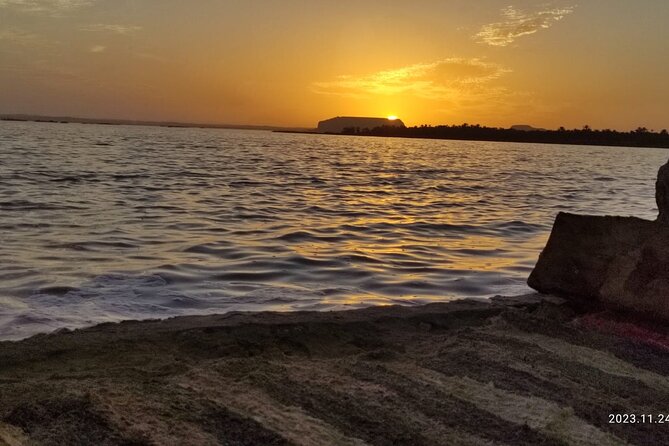
To close the tour, you’ll visit Fatnis Island, sometimes called Fantasy Island. The stop is about 30 minutes, and the focus is sunset—specifically watching sunlight reflect on the lake.
This is the kind of short stop that works because it’s a payoff. You’ve already spent time with salt water and spring relaxation, so you’re not arriving exhausted. You’re arriving ready to enjoy the light, the reflections, and the feeling of Siwa ending on a calm note instead of a rushed final sprint.
If you’re the type who takes photos, this is where you’ll thank yourself later for having sunscreen on and water nearby. Desert sun can sneak up on you, even when you’re waiting for the light to shift.
What all-inclusive really means here (meals, transport, and the ecolodge)
Let’s talk value. The price is $162 per person, booked on average about 40 days in advance. In a remote place like the Western Desert, value isn’t only about tickets—it’s about logistics handled for you: transport, guide time, entry fees, and a place to sleep.
Included in this package:
- Air-conditioned vehicle (you’ll want this on travel days)
- WiFi on board
- Coffee or tea
- Dinner plus breakfast (2) and lunch (2)
- Use of bicycle
- Accommodation in an ecolodge
- Admission tickets for each listed stop
Not included:
- Personal purchases or anything not mentioned as included
Two practical takeaways for your planning:
- Because meals are included, you don’t lose time hunting for food between stops. That matters on days where you’re moving from fortress to museum to tomb viewpoints and then out to dunes.
- The ecolodge stay is part of the all-inclusive structure. You’re not paying for a separate hotel block, and you’re not scrambling to find one once you’re already there.
Is it the cheapest option? Maybe not. But you’re paying for a tight bundle: guided entries across multiple sites, transport with A/C, two full day meal plans, and the desert adventure that would be painful to arrange on your own.
Transportation, timing, and group size: how the trip actually flows

Pickup is offered, and the tour starts at 10:00 am from Siwa Oasis. If you’re already in the oasis, that’s great—it keeps the day from eating itself during transfers. If you’re not, the pickup option helps you avoid the “how do I get there on time?” stress.
The group size is capped at 7 travelers. That’s the sweet spot for a tour like this. You’ll still get group energy, but you won’t feel like a number in a large bus.
You should also expect a mix of “short and meaningful” stops (like the 30-minute museum and temple segments) and “long and physical” blocks (the 6-hour Great Sand Sea day, plus swimming and floating). If you’re comfortable with that rhythm, you’ll probably feel the trip move quickly in a good way.
Practical tips: what to pack for sandboarding and spring swimming
You’ll have culture stops (fortress climbs, museums, tomb viewpoints), plus desert and water activities. Pack with both in mind.
Bring:
- Swimsuit (Lake Siwa floating and Cleopatra Spring swimming)
- A towel if you prefer drying yourself quickly
- Sun protection (hat, sunscreen, sunglasses)
- Water bottle (even though coffee/tea is included, you’ll still want water on hand)
- Something to handle sand (quick-dry clothes help; sand gets everywhere)
Wear:
- Comfortable closed-toe shoes for fortress and tomb areas
- Sand-friendly footwear for the desert day (if you don’t have a plan, ask your guide on the day what they recommend)
And for sandboarding/hot springs:
- Expect sand texture to cling to skin and gear
- If you plan to switch from desert to water, keep a simple change setup so you don’t end up sitting in damp swimwear
Price and value: is $162 a fair deal for Siwa?
For $162 per person, you’re getting a lot of the “expensive” items bundled together: entry tickets, guide support across multiple sites, A/C vehicle time, WiFi on board, a full meal plan, and the ecolodge stay.
The best way to judge value in a place like Siwa is to ask: what would it cost you in time and headaches to arrange all of this separately? This itinerary touches enough stops that doing it alone would mean coordinating transport, paying for separate admissions, figuring out meal timing, and finding credible guides for the desert segment.
Also, the feedback is strong, with a 5-star rating across 27 reviews and 100% recommendation. The standout name you’ll hear in positive notes is Hamada, praised for arranging things to convenience and offering an experience that felt well handled.
If you want a guided, structured two-day overview with adventure built in, the price looks fair. If you only want one or two sites and dislike longer desert travel blocks, then it may feel like more tour than you need.
Who should book this 2-day Siwa Oasis package?
I think it’s a good match if you:
- Want both history and active desert/nature time
- Like the idea of being guided by people who live Siwa’s story
- Prefer small-group pacing (max 7)
- Don’t want to plan meals, transport, and entry tickets
It may be less ideal if you:
- Hate physical activities like sandboarding
- Need lots of downtime between stops
- Are traveling when conditions could be unstable, since weather can affect desert plans and the experience can be rescheduled or refunded if canceled due to poor weather
Should you book this tour or look for alternatives?
If your dream Siwa trip includes fortress views, tomb history, salt-lake floating, and a real desert day with sandboarding, then this package is a strong choice. The all-inclusive structure is what makes it feel easy: meals, an ecolodge stay, ticketed stops, and transport are handled, and the guides are Siwa natives with real experience.
Book it if you want a well-paced mix of culture and outdoors without micromanaging. Skip it only if you’re after a slow, low-effort itinerary or you’re not comfortable with long desert timing and water-based activities.
FAQ
What is the duration of the Siwa Oasis tour?
It runs for about 2 days, including 1 night.
What time does the tour start?
The tour starts at 10:00 am, with the meeting point in Siwa Oasis.
Is pickup available?
Pickup is offered.
How many people are in the group?
The tour has a maximum of 7 travelers.
What’s included in the price?
Coffee and/or tea, dinner, breakfast (2), lunch (2), an ecolodge accommodation, use of a bicycle, and admission tickets for the listed stops. Air-conditioned vehicle and WiFi on board are also included.
What accommodation do you stay in?
You stay in an ecolodge.
Is the tour focused on both history and nature?
Yes. You’ll visit historical/cultural sites like Shali Fortress, the museum, and temples, plus nature stops like the Great Sand Sea, hot springs, Lake Siwa, and Cleopatra Spring.
Are there weather conditions that affect the experience?
Yes. The experience requires good weather, and if it’s canceled due to poor weather, you’ll be offered a different date or a full refund.
What should I do about personal expenses?
Personal purchases are not included, so you’ll need to cover anything not listed as included.