REVIEW · CAIRO
9 Days Private Historical Tour in Egypt
Book on Viator →Operated by Egypt Tours Gate · Bookable on Viator
Pyramids, temples, and Red Sea in one trip. This private 9-day route strings together Giza, Saqqara, Luxor, and the Coptic layer of Cairo, then breaks the pace with Sharm El Sheikh’s Red Sea downtime. I especially like the human side: guides such as Atef and Ibrahim (from real trips shared) kept everything running on time, answered questions without rushing, and felt more like partners than a spreadsheet.
One watch-out: this itinerary is packed, and a big chunk of the extra cost comes from entrance fees and optional add-ons. Sites like the pyramid chambers and the Tut Ankh Amun tomb aren’t included, and the Sound & Light ticket is also not included, so check your budget early.
In This Review
- Key highlights worth planning around
- What You’re Really Paying For: $4,500 Value Breakdown
- Day 1 in Cairo: Giza-Front Arrival and a Night Show by the Sphinx
- Giza Pyramids, Sphinx, and Saqqara Step Pyramids: Where Your Guide Matters
- Mit Rahina Museum at Memphis: Ramses II in Open Air
- Egypt Museum and Coptic Cairo: Two Egypts in One Day
- Luxor Temple and Karnak: When Worship Becomes a Whole City
- West Bank Masterpieces: Valley of the Kings, Hatshepsut, and Memnon
- Sharm El Sheikh Red Sea Reset: Swimming Time Actually Built In
- Dahab and Blue Hole: Another Day Off the Archaeology Track
- Back to Cairo: Nile Dinner Cruise Time and Your Final Day
- Practical Tips to Get the Best Version of This Trip
- Should You Book This Egypt Private Tour?
- FAQ
- How long is the Egypt private tour?
- Where does the tour take place?
- Is pickup and meet-and-assist included?
- Are internal flights included?
- What meals are included?
- What about entrance fees for major sites?
- Is this tour private?
- What is the cancellation policy?
- Do I need a visa?
Key highlights worth planning around
- Private Egyptologist guide, not a bus herd: You get the on-the-ground explanations tuned to your pace and questions.
- Time management that reduces standing around: Multiple reviews praised punctual pick-ups and smooth scheduling.
- Giza plus the Sphinx, then Saqqara next: You see Egypt’s “big pyramid” story in two chapters, not one.
- Luxor’s Karnak and West Bank sights in sequence: Temples today, tombs tomorrow, with lunch stops along the way.
- A Red Sea reset in Sharm El Sheikh: Beach time is built in, not added as an afterthought.
- 5-star hotels on bed-and-breakfast: You’re not ending each day in a low-grade scramble.
What You’re Really Paying For: $4,500 Value Breakdown
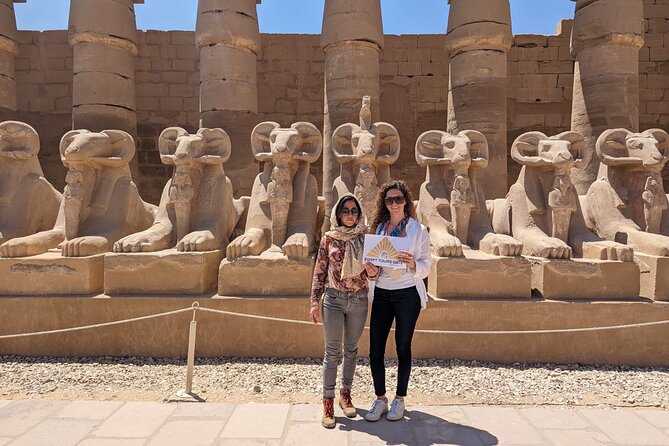
At $4,500 per person for about 9 days, you’re not just buying entry tickets and a driver. You’re buying a full machine: qualified Egyptologist guidance, air-conditioned transport, bottled water on day trips, and meet-and-assist handling for arrival and departure.
The most tangible value is that the trip covers major regions with internal flights (Cairo–Luxor–Sharm–Cairo) plus 5-star accommodations on B.B. basis. That matters because Egypt distances add up fast. Doing Cairo, Luxor, and the Red Sea in one smooth plan saves you from the stress of re-planning every leg on your own.
The trade-off is that the package doesn’t cover everything. You’ll still pay for key extras like Egypt entry visa, and some entrance fees (including pyramid chambers and the Tut tomb) are listed as not included. If you want every “pay extra” site, build that in before you book.
You can also read our reviews of more private tours in Cairo


Day 1 in Cairo: Giza-Front Arrival and a Night Show by the Sphinx
Your first day starts with meet-and-assist at Cairo International Airport. The idea is simple: someone helps you get through passport control, luggage, and customs, then you’re taken to your Cairo hotel at the foot of the Giza Pyramids.
That hotel location is more than a cute detail. It means you’re not wasting time commuting to your first big monuments. If you arrive early, the plan allows for optional tours; otherwise, it’s a relaxed day where you can settle in.
Later, you head to the Sound & Light show at the Great Pyramids area and the Sphinx. The ticket for this is not included, but it’s a fun way to shift from daytime heat to an evening atmosphere—especially if you want your first night to feel cinematic rather than just jet-lagged.
Practical note: you’ll do well to pack a light layer. Cairo nights near Giza can feel cooler than you expect after a warm day.
Giza Pyramids, Sphinx, and Saqqara Step Pyramids: Where Your Guide Matters
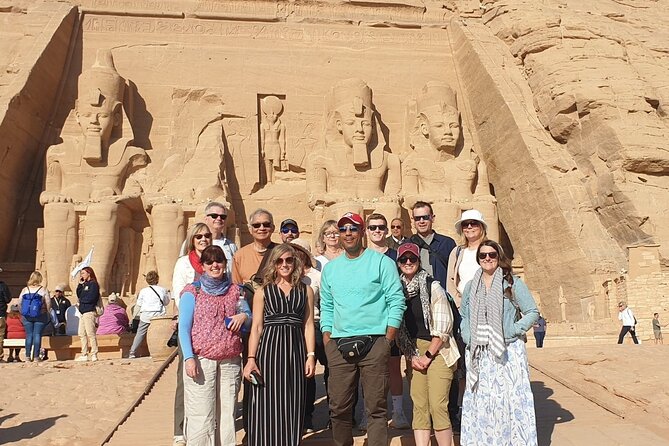
Day 2 is the classic one-two punch: Pyramids of Giza first, then Saqqara.
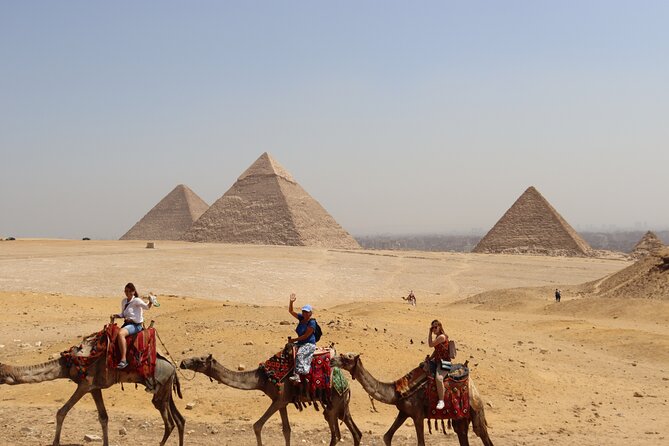
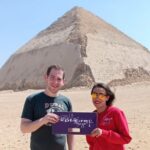
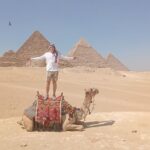
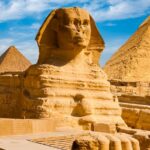
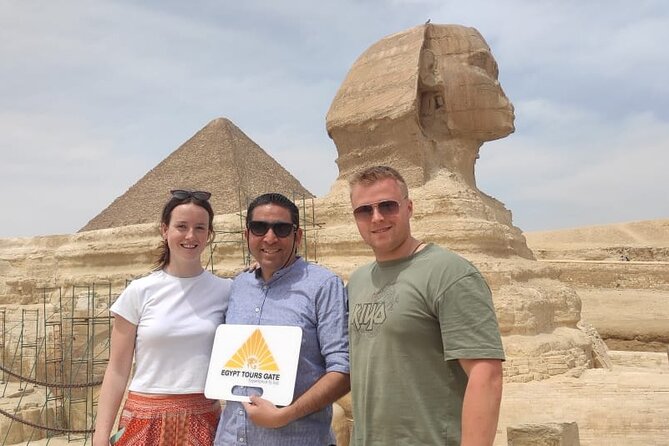
In Giza, you get a guided visit designed to cover the big context: Pharaohs, gods and goddesses, mythology, and mummification. You also get real flexibility built into the schedule. The plan mentions you’ll have full-time to do activities such as entering chambers and riding a camel, with the understanding that some of those entrance costs are separate.
Then you move on for the Sphinx and the Valley Temple with your guide. This is the part where a good guide earns their keep. Without explanations, Giza can feel like giant rocks in a line. With guidance, it starts turning into a map of meaning—why these structures face certain ways, how the areas connect, and what the monuments were meant to communicate.
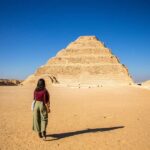
Next stop: Saqqara (Sakkara). Here, the highlight is the Step Pyramids, described as about 4,800 years old, plus the Valley Temple. You also get into a tomb dedicated to nobles, which makes Saqqara feel more lived-in than a pile of stones.
Why this works: Saqqara gives you the “older prototype” feeling, so Giza becomes the payoff rather than the only chapter.
Mit Rahina Museum at Memphis: Ramses II in Open Air
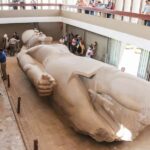
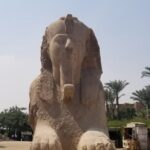
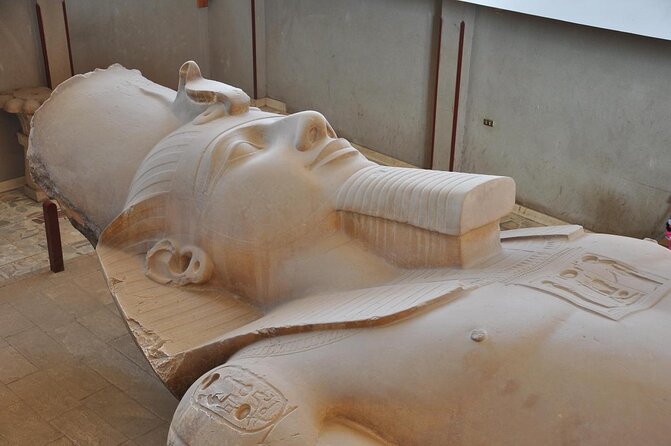
After Saqqara, you head to Mit Rahina Museum, also described as an open-air museum of the ancient city of Memphis. The big visual is the second-largest Sphinx on display and the colossus of Ramses II.
This stop is a nice change of pace from the super-famous pyramid sites. You’re seeing monumental sculpture and the way Egyptian art reached its peak—anchored by a specific king and specific works.
Your guide explains highlights as you go, and then you’re dropped back to your hotel. That drop-off matters on Day 2, because you’ll likely still be running on excitement rather than energy.
Egypt Museum and Coptic Cairo: Two Egypts in One Day
Day 3 blends two very different time periods, and it’s one of the smartest combinations in the trip.
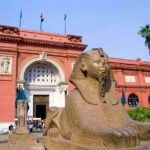
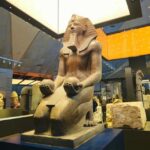
First: the Museum of Egyptian Antiquities. The focus is on major treasures, including artifacts connected with King Tut Ankh Amun. The plan includes a private live guide, plus private free time so you can move at your own speed rather than getting herded through the rooms.
Then lunch is included during the day tour that follows.
Coptic Cairo is the next chapter. You’ll visit:
- the Hanging Church, about 1,500 years old
- the Cavern Church, connected to the Holy Family story
- Ben Ezra temple, noted as one of the oldest synagogues in Egypt
This portion is listed as having admission free, and it has a different kind of emotional weight than the pyramid days. Pharaohs are grand and monumental; Coptic sites feel intimate and human-scale. The best part is that it broadens your understanding of Egypt as a living crossroads, not only an archaeology theme park.
If your physical energy is running low, this is the day to slow down inside the churches and really watch the details—because tomorrow is back to big outdoor sites.
You can also read our reviews of more historical tours in Cairo



Luxor Temple and Karnak: When Worship Becomes a Whole City
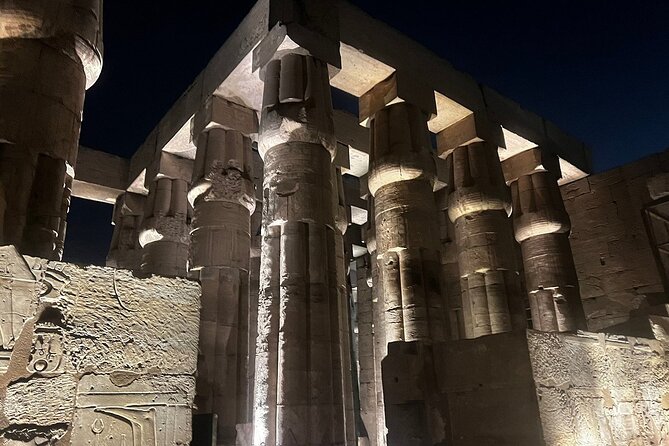
Day 4 is Luxor’s “temple day,” and it starts strong with Karnak. Karnak isn’t just one temple. It’s described as a complex of temples, with walls, columns, pylons, and murals connected to the cult of Ra.
This is exactly the kind of place where a guide helps you avoid getting lost. You see more, but more importantly, you understand what you’re seeing. Karnak becomes a timeline of power and belief instead of a maze of columns.
Next: Luxor Temple, linked historically with Karnak through the sphinxes avenue. The plan notes it shows layers from Pharaonic, Greek, Roman, Coptic, and Islamic periods. That layered story can be visually confusing if you’re not pointed in the right direction, so I like that the itinerary keeps the guide involved through the main sights.
Lunch is at a local restaurant, then you have time at the Luxor Market. Expect bargaining energy and a chance to slow down with tea and mint. This is one of the few “human tempo” breaks in the middle of archaeological intensity.
West Bank Masterpieces: Valley of the Kings, Hatshepsut, and Memnon
Day 5 focuses on the West Bank, where the atmosphere changes fast. You’re in mortuary territory, and the monuments feel built for the afterlife rather than daily life.
You start with the Valley of the Kings. The plan says your guide will explain the stories of the place and recommend which tombs to visit. That recommendation is valuable. Tombs vary, and trying to do everything can burn daylight. A guide helps you choose the stops that match your interests and time.
Then you visit Temple of Hatshepsut at Deir el Bahari. The plan frames it as the mortuary temple of a queen and includes guided history before you get free time for photos and exploring.
Finally: the Colossi of Memnon. Even if you’ve only seen them in pictures, they look sturdier and more haunting in person. You learn why the name Memnon is used and what the statues represent.
Heads up: this is a physically active day. There’s walking, sun exposure, and uneven ground in typical temple-and-tomb environments. Your itinerary notes you should have moderate fitness, and this day is a big reason why.
Sharm El Sheikh Red Sea Reset: Swimming Time Actually Built In
Then you shift to the Red Sea—Day 6 is Sharm El Sheikh.
This is where the trip stops being only about monuments and becomes about recovery. You’re given time to relax on golden sand beaches and enjoy the turquoise water. The plan also mentions snorkeling and diving, plus watching dolphins and other sea creatures.
The key word here is “reset.” After Cairo and Luxor, your brain needs a break from captions about ancient kings. In Sharm, you can just float, swim, and recharge.
Also included are options for an extra adventure: desert safari and motor quad are named as optional ideas. Optional tours aren’t included in the base package, so treat them as budget add-ons if you want them.
Dahab and Blue Hole: Another Day Off the Archaeology Track
Day 7 keeps you in Sharm El Sheikh but adds optional energy. The plan mentions optional activities and repeats the Red Sea leisure theme (beach time, snorkeling, dolphin watching).
Then you have the chance to visit Dahab, described as a shopping city, and also Blue Hole. Even if you don’t do every optional activity, this day gives you a sense of place beyond the resort bubble.
This is a good fit for couples and mixed-interest groups. One person can be beach-first while the other chooses more active outings, and you still stay in the same organized schedule.
Back to Cairo: Nile Dinner Cruise Time and Your Final Day
On Day 8, you transfer to Sharm El Sheikh Airport for a flight back to Cairo and stay overnight. The plan includes an optional Dinner Nile cruise in the evening.
That optional cruise slot is smart because it gives you one last iconic Cairo experience without adding another full day of museum-and-temple logistics.
Day 9 is simple: breakfast, then transfer to Cairo Airport for departure.
After nine days, that kind of clean ending matters. You want to leave with momentum, not with a rushed scramble through a last-minute schedule.
Practical Tips to Get the Best Version of This Trip
Here’s how I’d make this tour work smoothly for you:
- Budget for entrance fees early. The chambers of the pyramids and the Tut Ankh Amun tomb are explicitly not included, and those can add up. If you want those specific experiences, plan for them up front.
- Treat optional tours as choices, not obligations. Desert safari, motor quad, Dahab, Blue Hole, and the Nile cruise are all framed as optional. Picking two instead of trying to do everything keeps your trip enjoyable.
- Bring a bit of stamina for tomb days. The Valley of the Kings and West Bank sites are the most physically demanding stretches. Moderate fitness is required per the tour notes.
- Use your guide’s strength. Reviews praise guides who managed time well and kept you on track. Use that. Ask questions during the ride, not only when you stop, so explanations land at the right moment.
- Expect a structured pace. This is a private tour, so you won’t have the same delays you’d see in big group settings, but the plan is still action-packed with multiple regions and internal flights.
Also, because this is private, you can usually align the pace to your group’s needs—especially if your goal is clear understanding rather than just checking boxes.
Should You Book This Egypt Private Tour?
If you want a single organized trip that covers Giza and Saqqara, Luxor’s temples and tombs, and then adds a real Red Sea break in Sharm El Sheikh, this tour is a strong match. The private Egyptologist style, plus the smooth logistics praised in guide reviews (Atef and Ibrahim came up more than once), are exactly what you want when you’re spending most of your time between major sites.
I’d book it when you:
- want Egypt archaeology with guided context, not just photos
- appreciate on-time pick-ups and clean scheduling
- value comfortable hotels while moving quickly between regions
- don’t mind paying extra for a few standout entrances and optional activities
I’d think twice if you’re trying to keep the budget ultra-tight or you don’t want an itinerary that moves city-to-city with internal flights. The trip is built to pack a lot into 9 days, so it’s best for people who enjoy motion and planning.
FAQ
How long is the Egypt private tour?
It’s listed as approximately 9 days.
Where does the tour take place?
The tour is based around Cairo, Luxor, and Sharm El Sheikh in Egypt.
Is pickup and meet-and-assist included?
Yes. Meet & assist upon arrival and departure is included, and the summary notes pickup is offered.
Are internal flights included?
Yes. Internal flights are included: Cairo – Luxor – Sharm – Cairo.
What meals are included?
Breakfast is included for 7 days, and lunch is included for 4 days. Your hotel stay is on a bed-and-breakfast basis.
What about entrance fees for major sites?
The tour notes some entrance fees are included, but key items are not included, including the chambers of the pyramids and the Tut Ankh Amun tomb. The Sound & Light show ticket is also not included.
Is this tour private?
Yes. It’s a private tour/activity, and only your group participates.
What is the cancellation policy?
Free cancellation is available. You can cancel up to 24 hours in advance for a full refund; within 24 hours, there is no refund.
Do I need a visa?
Yes. Entry visa to Egypt is not included, and it’s listed as $25 USD.