REVIEW · CAIRO
8 hours-Private Guided Day Tour to Memphis Saqqara and Giza with Lunch
Book on Viator →Operated by Let`s Explore Egypt · Bookable on Viator
One day, and Egypt hits hard. This private tour links the Giza Plateau, Memphis, and Saqqara into one smooth history-packed outing. You’ll start with the Great Pyramids and Sphinx, then shift south to the older capital sites at Mit Rahina and Saqqara.
What I like most is how much you fit in without feeling rushed. You get a qualified Egyptologist guide, hotel pickup and drop-off, bottled water, and entrance fees, plus a lunch stop that keeps the day practical. I also really like the added texture of doing it with people who handle the details, including guides such as Sayed Amin and Ibrahim, who are often praised for clear explanations and helping with questions on the spot.
One drawback to plan around: the tour experience includes major areas and key monuments, but it does not include entry to the inside of the Giza pyramids. If you want to go inside, you may need an extra ticket and a little patience.
In This Review
- Key highlights worth your attention
- A Private Day That Links Giza, Memphis, and Saqqara
- Hotel Pickup to the Giza Plateau: Pyramids, Camel Ride, and Valley Temple
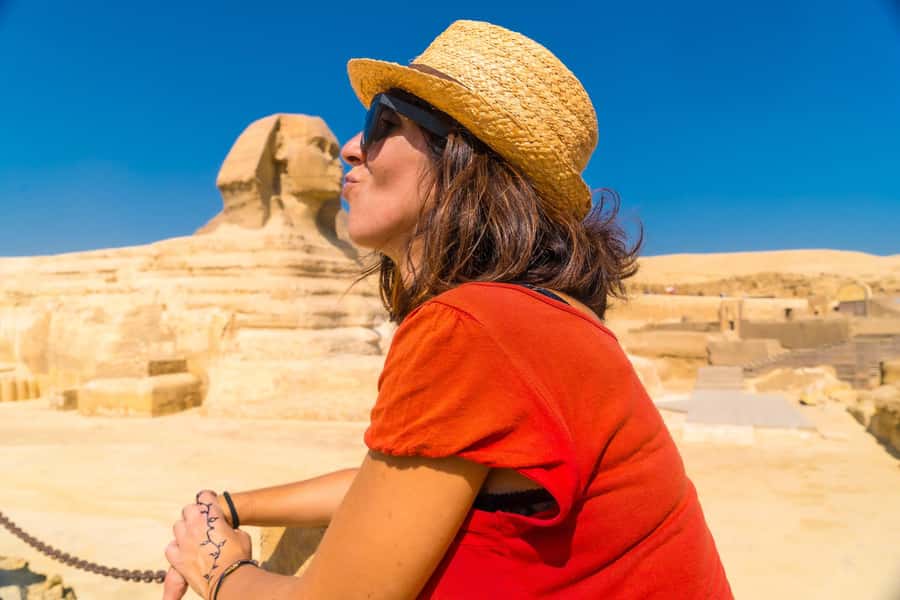
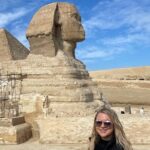
- Great Sphinx walkthrough: more than a postcard face
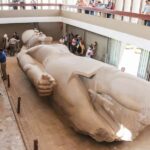
- Mit Rahina Museum and Memphis: Ramses II and the alabaster Sphinx
- Saqqara pyramids: Djoser, Kagemni, Unas causeway, and Teti
- Pyramid of Teti interior time and the 7000-year language claim
- Step Pyramid of Djoser final viewing window: plan for photos and heat
- Price and value: what you’re actually paying for
- Who should book this Giza–Memphis–Saqqara loop
- Should you book this Memphis, Saqqara, and Giza private day tour?
- FAQ
- How long is this tour?
- Is hotel pickup and drop-off included?
- What’s included for the camel ride?
- Is lunch included, and is there a vegetarian option?
- Are entrance fees included?
- Is this tour private or shared?
- Does the tour include entry inside the Giza pyramids?
Key highlights worth your attention
- Private pickup and drop-off so you spend daylight on monuments, not Cairo logistics
- Camel ride around the pyramids area (30 minutes) for a classic, easy-to-pack-in experience
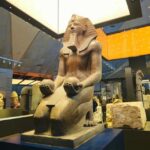
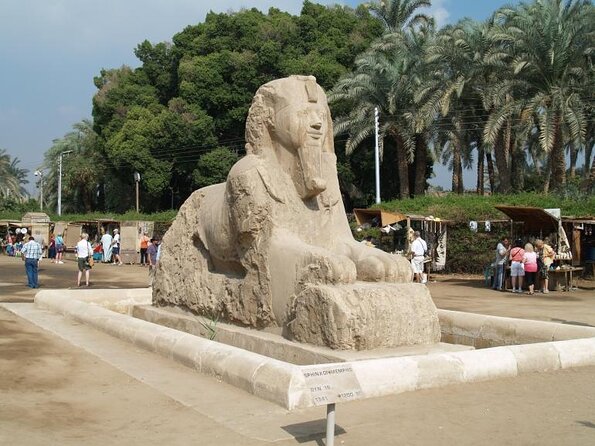
- Mit Rahina Museum at Memphis with the colossal Ramses II statue and an alabaster sphinx
- Saqqara’s Step Pyramid of Djoser plus tomb and causeway stops for a fuller picture of Lower Egypt
- Short interior time at the Pyramid of Teti to see more than just the outside
- Lunch included at a local restaurant, plus bottled water for a long day in the sun
A Private Day That Links Giza, Memphis, and Saqqara
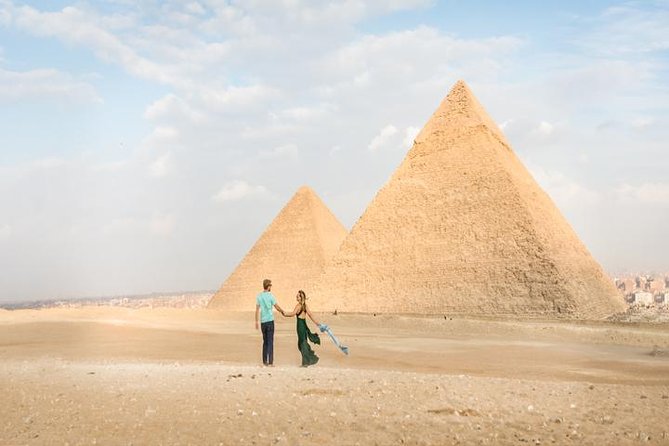
This is the kind of day tour that makes sense if you’re short on time but serious about seeing Egypt’s most important “oldest” places. Instead of only doing Giza, you also get Memphis and Saqqara, which helps the story click: the pyramids aren’t random. They’re part of how Lower Egypt organized power, burial, and religion.
Because it’s private, the pacing is more flexible than the big group model. Your guide can shape the walkthrough based on what you ask and how you’re feeling. And with hotel pickup and drop-off built in, you’re less likely to lose hours to traffic or confusion.
Another quiet win: the tour description flags that it uses a mobile ticket and includes entrance fees. That matters because Egypt-site ticket lines and timing can be the difference between seeing one extra viewpoint or standing around waiting.
You can also read our reviews of more guided tours in Cairo



Hotel Pickup to the Giza Plateau: Pyramids, Camel Ride, and Valley Temple
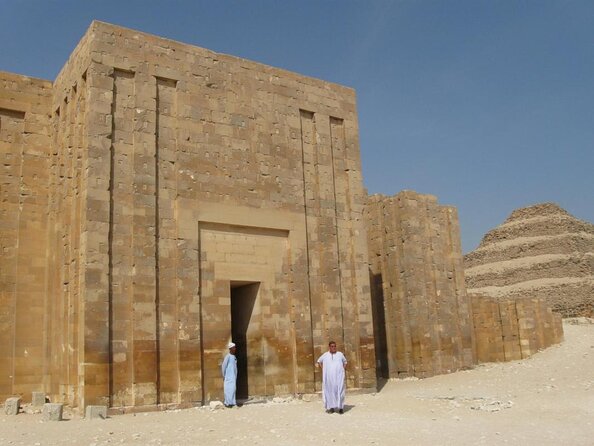
You’re set up to start early from Cairo, with pickup around 8:00 am, and the full day runs roughly 11 hours. That length is normal for Cairo-to-site touring, especially when you want more than a quick photo stop. The “private” part here helps you avoid the stop-start rhythm that can drag a day down.
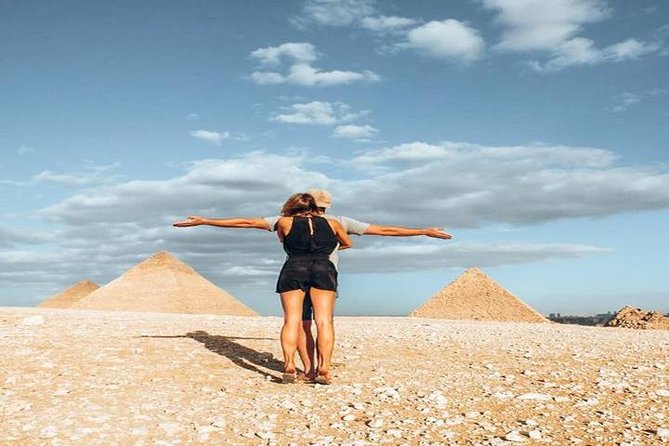
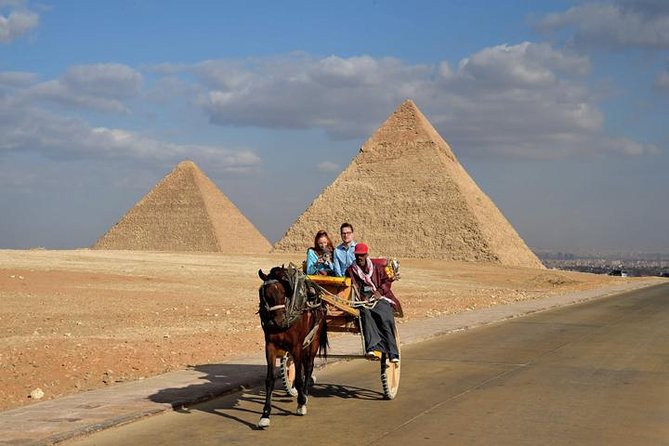
Once you reach the Giza Plateau, the first focus is the Pyramids of Giza: the Great Pyramid of Cheops, plus the pyramids of Chephren and Mycerinus. You’ll also spend time at the Valley Temple and see the Sphinx from the broader monument area. This matters because the Sphinx isn’t just a sculpture. It works as the landmark that ties the whole composition together.
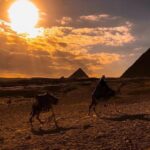
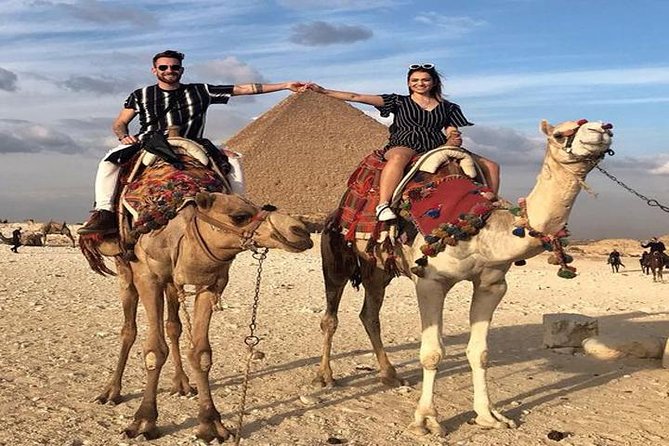
The camel ride is included and set at 30 minutes. It’s not a long trek. Think of it as the classic add-on that turns the pyramids from “I saw them” into “I did the thing people imagine.” You’ll ride around the pyramids area in the Sahara-desert setting, then get back to walking for the best viewing angles.
Practical note: Giza can feel bright and hot even when the morning starts cool. You’ll be outside for stretches, so bring sun protection and wear closed-toe shoes you can walk in for real, not just museum sandals.
Great Sphinx walkthrough: more than a postcard face
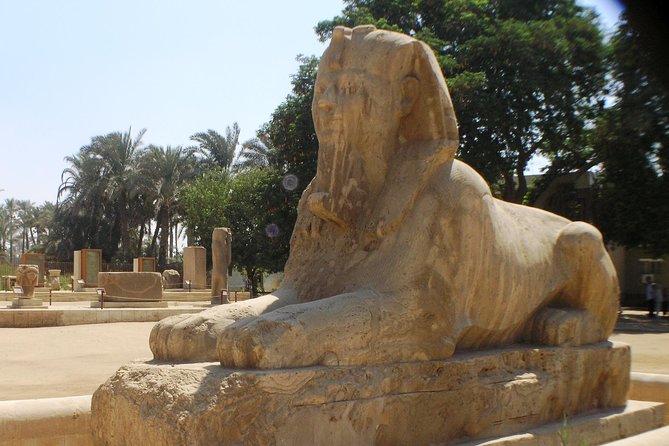
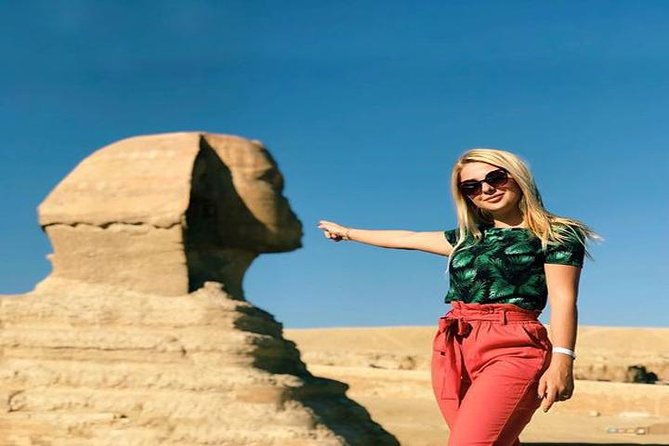
After the main Giza pyramid area, the day keeps momentum with a dedicated Great Sphinx stop. Expect around one hour here with your guide walking you through the monument context rather than just pointing and moving on.
This is where a strong guide makes a difference. The Sphinx and its nearby temples are packed with meaning, and the tour includes time to see elements like the Valley temples and the Temple of Mummification area (as described in the experience). Even if you’ve seen pictures, your brain needs the on-site layout to understand why the Sphinx is such a big deal historically.
I especially like that the guide time is structured. A one-hour stop is long enough to ask questions, take a few photos from different angles, and still feel like you learned something instead of just collecting snapshots.
Mit Rahina Museum and Memphis: Ramses II and the alabaster Sphinx
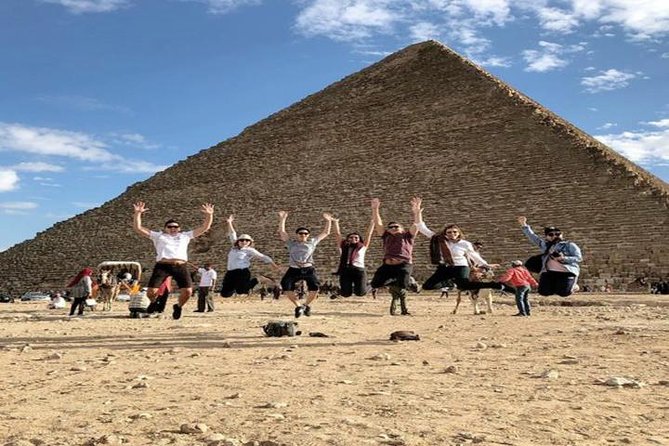
Next comes a shift in mood and location: Mit Rahina Museum, tied to Memphis, Egypt’s oldest capital that dates back to around 3200 B.C. The tour sets this stop at about two hours, which is a smart amount of time for a museum plus a feeling of place.
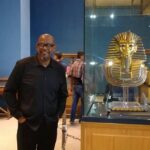
This isn’t just a waiting room for Giza. It’s a chance to see how Memphis fits into the bigger “ancient Egypt timeline” you’re building across the day. The museum highlights include the colossal statue of King Ramses II and a huge alabaster sphinx. Those are the kinds of pieces that help you understand the scale Egyptians were working with—stone size that’s almost hard to process until you stand next to it.
Then you’ll get an extra short visit: the Sphinx of Memphis, about 30 minutes. That second sphinx stop works well as a bridge between museum artifacts and the broader idea of how monuments were placed in real landscapes.
If you like seeing the continuity—how royal power and religious symbolism show up again and again—this Memphis portion is one of the most satisfying segments of the day.
Saqqara pyramids: Djoser, Kagemni, Unas causeway, and Teti
After Memphis, Saqqara is where the story changes gear. You’re now in Lower Egypt’s huge burial landscape, and the day finally gives you the chance to experience the Step Pyramid era in a more focused way.
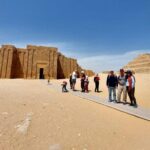
At Saqqara you’ll visit the Step Pyramid of King Zoser (about 2700 B.C.), described as an intermediate stage between mastabas and true pyramids. That framing is helpful because it puts the Step Pyramid in a developmental context instead of presenting it as a standalone “mystery shape.”
The tour also includes several Saqqara highlights inside the same longer stop:
- the tomb of Kagemni, a nobleman (about 2200 B.C.)
- the causeway of Unas
- the pyramid of Teti
This mix gives you a better sense of what Saqqara is: not one monument, but a whole burial network. You get architecture, royal and non-royal burial history, and the sense that these sites were built, used, and expanded over long stretches of time.
Then there’s the lunch break in a local restaurant after the Saqqara touring block. Getting lunch included is a big value point. On a day like this, food planning on your own can turn into wasted time, and you don’t want to gamble on a quick meal when the afternoon depends on site time.
You can also read our reviews of more private tours in Cairo




Pyramid of Teti interior time and the 7000-year language claim
One of the more specific stops is Pyramid of Teti, scheduled for about 20 minutes, including entry. This is where you’ll likely feel the difference between “seeing pyramids from the outside” and experiencing what the inside offers—cooler interiors, tighter space, and the sense that this was designed for a very particular ritual purpose.
The tour description also links this stop to the idea of the oldest language in history, framed as being around 7000 years ago. I’d treat that as the guide’s interpretive angle for what you’re seeing in the chambers, inscriptions, or symbolic storytelling elements.
Either way, you should know the practical side: interior visits are usually short. The value here is quick access to a different viewing dimension, not a long museum-style stay.
Step Pyramid of Djoser final viewing window: plan for photos and heat
The day closes out its Saqqara storyline with time at the Step Pyramid of Djoser again, around 30 minutes. You might think it’s repetitive, but in a sites-like-this context, it often works like a second pass: first time for orientation and the big structures, and a second chunk for deeper noticing and photo positioning.
Djoser is a classic “stand back and understand” monument, then a “walk closer and compare details” monument. Your guide’s job is to help you switch modes quickly, so you don’t lose time staring without direction.
Expect that the afternoon sun can be relentless. The tour includes bottled water, which helps, but you’ll still want to pace yourself. If you’re the type who likes to stop for every view, this is where you should slow down intentionally so you don’t end the day tired and overexposed.
Price and value: what you’re actually paying for
The price listed is $60.33 per person, and it’s important to look at what’s bundled rather than just the number. You’re getting hotel pickup and drop-off, a qualified Egyptologist guide, entrance fees, bottled water, lunch, and a 30-minute camel ride.
For a day that covers multiple major sites, that package structure usually makes the experience feel efficient. The alternative is piecing it together: separate transport, separate ticketing, separate guide time, and then trying to protect your schedule from Cairo traffic and unexpected lines.
Also, this is a private tour, meaning only your group participates. That often justifies the cost in a practical way because you’re not waiting on strangers, and your guide isn’t forced into a one-size-fits-all route.
Who should book this Giza–Memphis–Saqqara loop
This tour is a strong fit if you want a single-day structure that covers three major Lower Egypt landmarks without you needing to become a logistics manager. It’s also ideal if you like your history with visuals—pyramids, Sphinxes, tomb areas—and you want explanations you can ask questions about.
If you’re traveling as a couple, small group, or solo visitor, private format helps. Solo travelers especially tend to appreciate having someone manage timing and photo opportunities so you don’t feel stuck figuring it out alone.
Families should note the tour states that children must be accompanied by an adult. Also, the day is long, and you’ll be outdoors across multiple stops, so plan around stamina.
Finally, if you care about getting the inside view of a pyramid, you’ll at least have the Teti interior time included. Just keep expectations straight: the tour experience, as described, does not include the inside entry for the Giza pyramids.
Should you book this Memphis, Saqqara, and Giza private day tour?
If your goal is a high-impact Egypt day with real guidance, I’d lean yes. The best reason: it doesn’t stop at Giza. You get the broader Memphis and Saqqara context, plus museum time, plus an included camel ride and lunch.
Book it if you want:
- a guided route that saves time and reduces guesswork
- entrance fees and lunch included, so you can focus on sites
- a day that connects the dots from pyramids to Memphis to Saqqara
Skip or adjust expectations if:
- you specifically want to go inside the Giza pyramids, because you should plan for a separate ticket
- you’re very sensitive to long outdoor stretches and heat, because this is still a full daylight monument run
FAQ
How long is this tour?
The duration is about 11 hours (approx.), starting around 8:00 am.
Is hotel pickup and drop-off included?
Yes. The tour includes hotel pickup and drop-off.
What’s included for the camel ride?
The camel ride is included for 30 minutes in the Giza area.
Is lunch included, and is there a vegetarian option?
Lunch is included. A vegetarian option is available if you advise at booking.
Are entrance fees included?
Yes. Entrance fees are included as part of the experience.
Is this tour private or shared?
This is a private tour/activity. Only your group will participate.
Does the tour include entry inside the Giza pyramids?
The experience includes major monuments, but it does not include entrance to the inside of the Giza pyramids. You may need an extra ticket if you want to go inside.