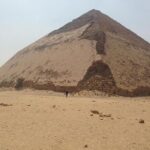
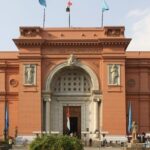
Egypt under lights, pyramids by day, calm nights. This 8-day Cairo-to-Nile cruise plan is interesting because it pairs private logistics with expert Egyptology guidance, plus two domestic flights that cut travel time.
I really like that you’re not stuck figuring things out day to day. An airport representative from Nesobity Travel meets you on arrival and again when you’re flying back to Cairo, and the whole flow is designed around smooth transfers.
One thing to consider: the sightseeing days are full. Even with private pacing, you’ll spend a lot of time at major sites, so if you want long, slow breaks with no schedule pressure, this may feel a bit tight.
In This Review
- Key highlights worth choosing this route for
- Price and what $500 actually buys you in Egypt
- Day 1 in Cairo: airport meet, then an easy evening
- Day 2: Giza Pyramids, Sphinx, then the Egyptian Antiquities Museum
- Day 3: Karnak and Luxor Temple—three religions in one walk
- Day 4: Hatshepsut at Deir el Bahari, Valley of the Kings, Colossi of Memnon
- Day 5: Edfu’s Temple of Horus and Kom Ombo’s split sanctuary
- Day 6: Aswan High Dam, Philae Temple, and the Unfinished Obelisk
- Day 7: breakfast on board, disembark, and fly back to Cairo
- Day 8: final check out and onward international flight
- Hotels, Nile cruise, and the day-to-day comfort level
- Practical tips to make this itinerary feel great (not exhausting)
- Who this Cairo and Nile cruise is best for
- Should you book this tour?
- FAQ
- How long is the tour?
- What cities and sites are included?
- Are private transfers included?
- Are domestic flights included?
- Do I get to visit the pyramids and the Egyptian Museum?
- Is pickup offered?
- What meals are included?
- Are admission tickets included?
- Do I need an Egypt entry visa?
- Is international airfare included?
- What about cancellation?
Key highlights worth choosing this route for
- All-private transfers with air-conditioned comfort, so you’re not sharing vehicles or waiting on other groups
- Qualified Egyptologist guides, with real-world proof from one standout guide named Amr
- Domestic flights included (Cairo/Luxor and Aswan/Cairo) to save you from a longer overland grind
- Major temple and museum stops from Giza and Tutankhamun to Karnak, Edfu, Kom Ombo, and Philae
- High-standard hotels and Nile cruise plus small but steady comforts like a bottle of water daily
Price and what $500 actually buys you in Egypt
At $500 per person, this sounds almost too simple—until you map what’s included. You get air-conditioned private transportation, professional Egyptology guiding, most admission fees and taxes, and both domestic flight legs. That matters because Egypt can be confusing if you’re paying for tickets and arranging drivers piece by piece.
You also get structured meals: breakfast is included 7 times, plus lunch 5 times and dinner 4 times. Add a bottle of water daily, and the “what do we eat today?” stress drops a lot.
Yes, two big items are not included: Egypt entry visa and international airfare. And tipping isn’t included either, so keep some cash set aside for guide/driver expectations.
You can also read our reviews of more boat tours in Cairo


Day 1 in Cairo: airport meet, then an easy evening
You start with arrival at Cairo International Airport. A representative from Nesobity Travel meets you and assists you, and you get free time in the evening with an overnight in Cairo.
This first night is a practical choice. It gives you a cushion after the long flight, and it helps you avoid the classic problem of arriving to a jam-packed first day with no recovery time.
If you’re a planner type, you’ll probably like that the next morning starts at 8:00 am. If you hate early starts, set expectations now—this tour is built around daylight sightseeing.
Day 2: Giza Pyramids, Sphinx, then the Egyptian Antiquities Museum
This is a strong day because it hits the two icons most people picture when they think of Egypt.
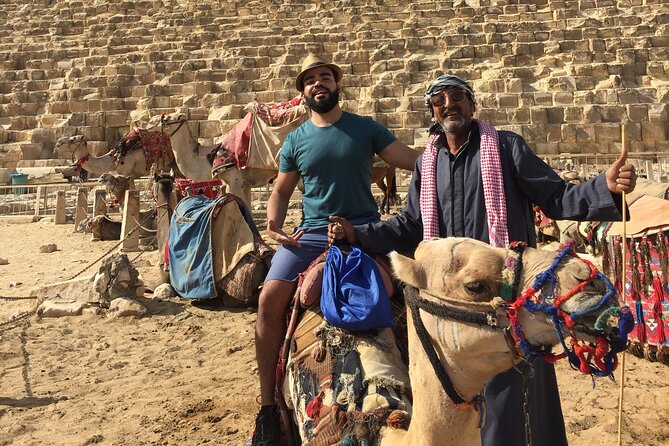
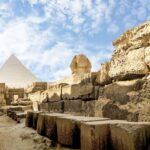
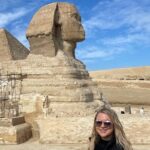
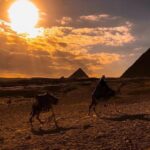
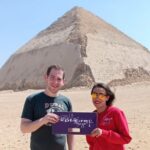
First up, you head to the Giza Pyramids—Cheops, Chephren, and Mykerinus. You also get the Great Pyramid highlighted as one of the world’s seven wonders, and you pair it with the Sphinx and the nearby stela of dream.
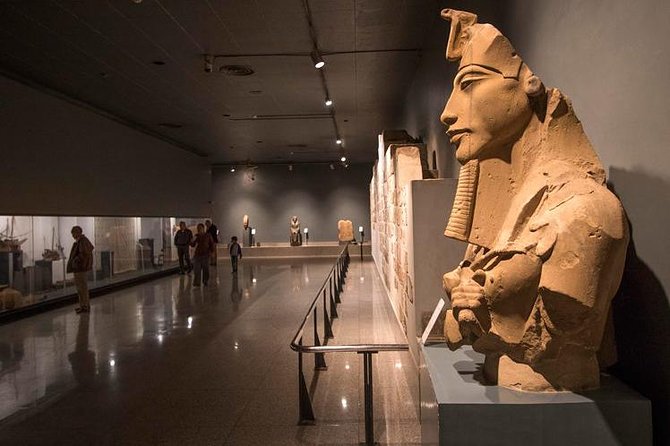
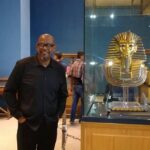
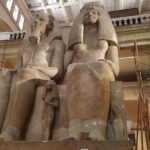
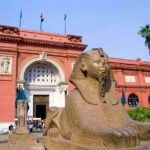
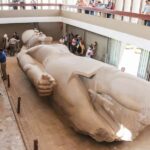
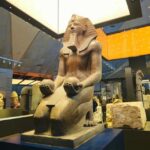
Then you jump into the Museum of Egyptian Antiquities. The museum visit includes key highlights such as the young king Tutankhamun section (including a royal throne chair), plus the Mummies court and collections of ancient jewelry made of pure gold across different dynasties.
Why this combination works: pyramids can feel like “big shapes in the sand” if you don’t have context. The museum anchors what you see outside with what’s inside: objects, craft, and the kind of royal life the pyramids were built to protect and display.
Possible drawback: this is a long attention day. Between the outdoor heat exposure and museum time, you’ll want a lightweight layer, solid sun protection, and comfortable shoes.
Day 3: Karnak and Luxor Temple—three religions in one walk
Day 3 focuses on Luxor’s East Bank, but the story stretches far beyond Pharaonic times.
You start at the Karnak Open Air Museum, where you tour the vast temple complex with an Egyptologist guide. You’ll see the Sacred Lake and the huge Scarab Statue (with the popular custom of circling a few times for luck). The temples were built for the triad of Amon, Mut, and Khonsu, so your guide can connect symbols to the purpose of the space.
Next you visit the Luxor Temple. This is built by Amenhotep III in the 18th Dynasty, around 1300 B.C., with emphasis on his divine birth story. Later, Ramses II and Tut Ankh Amon helped complete parts of it, and that long chain of rulers shows up in the details you’ll notice once someone points them out.
Why I think this day is a win: Karnak and Luxor Temple are not just “pretty ruins.” They’re proof that major religious sites can keep getting reused and reinterpreted. That’s exactly why the guided interpretation matters.
Watch for: Luxor temples are easiest to enjoy when you slow down and let your guide translate the layout into meaning. If you rush, the carvings can blur together.
Day 4: Hatshepsut at Deir el Bahari, Valley of the Kings, Colossi of Memnon
This is your West Bank day, and it’s one of the most dramatic sets of sites on the whole route.
First stop: the Temple of Hatshepsut at Deir el Bahari. The temple’s architectural style is described as unique, with inscriptions tied to the queen’s royal journey to Puntland and a focus on her divine birth. You’ll also hear about Senenmut, the high priest and architect associated with the temple (dated around 1503 B.C. in the tour description).
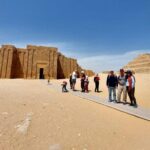
Then you move to the Valley of the Kings. It contains royal tombs from the New Kingdom period, with the tour explaining why the West Bank burial location made sense: dry conditions, limestone resources, and protection from robbers. The walls of the tombs include carvings and inscriptions connected to the pharaohs’ religious life.
Finally, you stop at the Colossi of Memnon—two massive sandstone statues with a legendary backstory shared by the guide.
The good side of this packed day: each stop teaches a different part of the same larger idea—power, belief, and how Egyptians designed the afterlife as a place you could reach through art.
The practical side: West Bank sites can mean more walking on uneven ground. If you’re sensitive to stairs or long sun exposure, it’s worth planning hydration and taking your breaks seriously.

Day 5: Edfu’s Temple of Horus and Kom Ombo’s split sanctuary
Day 5 shifts you along the Nile route with two major temple visits that feel distinct from each other.
You visit the Temple of Horus at Edfu (Edfu Temple). It’s described as one of the most preserved Greek-Roman achievements in Egypt, dedicated to Horus (falcon god). The tour also notes how Greek and Roman builders influenced architecture but merged it with Egyptian religious design when rebuilding ruined temples.
Then you go to Kom Ombo. This temple is special because of its architecture split between two gods: Sobek, the crocodile god, and Horus, the falcon god. Two long access points lead toward two interior sanctuaries.
Why this day feels fresh: you’re not repeating the same temple style twice. Edfu gives you a clear dedicated focus, while Kom Ombo shows intentional duality—two religions sharing one sacred complex.
Consideration: because these are “must-see” sites, they can draw crowds. Private pacing helps, but you still benefit from going in with patience and a plan to focus on fewer details rather than everything.
Day 6: Aswan High Dam, Philae Temple, and the Unfinished Obelisk
Aswan is where the cruise side of the trip starts to feel real.
You begin with the Aswan High Dam, built in 1960. The tour highlights the reservoir known as Lake Nasser, plus elements like the Friendship Monument and powerplants. Even if you don’t love engineering, seeing how modern Egypt reshaped the Nile adds context for why some ancient structures had to change locations.
Next comes a Nile trip to Philae Island. You visit the complex dedicated to Isis, including Greek-Roman chapels and Philae Temple. A key detail here is that the entire complex was moved from the original Philae Island to Egilika Island to protect it from submerging once the dams were built.
Finally, you visit the Unfinished Obelisk site, a quarry area where you can see obelisks lying in their unfinished state. It explains how ancient Egyptians cut obelisks to be placed in their temples.
Why this combo works: you get a rare “before and after” feeling—ancient sacred space moved due to modern infrastructure, and a quarry that explains how the art was made. That’s a story many Egypt itineraries skip.
Day 7: breakfast on board, disembark, and fly back to Cairo
Day 7 is built around travel efficiency.
You have breakfast on board, then disembark from the cruise and fly back to Cairo. Once you land in Cairo, a representative meets and assists you, and you get free time in the evening with another overnight in Cairo.
This isn’t just a transfer day. It gives you a realistic rhythm: you finish the Nile portion with a proper meal, and you still get breathing room in Cairo at night.
Day 8: final check out and onward international flight
You start with breakfast and final check out. Then you’re transferred to Cairo Airport for your international flight.
This day is simple by design. It’s the kind of ending that reduces last-minute chaos, especially if your international flight is in the afternoon.
Hotels, Nile cruise, and the day-to-day comfort level
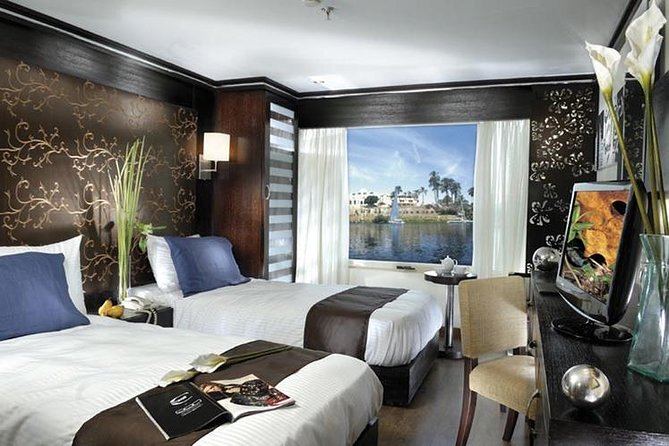
The tour description calls the hotels and Nile cruise high standard, and that’s a meaningful part of the value—because Egypt’s comfort can vary a lot depending on what you choose. Here, you’re paying for continuity: private transport, guided interpretation, and a consistent place to sleep while your route changes.
Food is handled too, which is a big deal if you want to keep your energy for temples and museums rather than searching for meals each day. You’ll also have water daily, which sounds small until you’re under sun and waiting between stops.
Practical tips to make this itinerary feel great (not exhausting)
Even with private transfers and solid planning, this route is a “see a lot” trip. A few practical moves help you enjoy it more:
- Wear shoes that can handle uneven outdoor surfaces. Some temple grounds mean more than smooth pavement.
- Plan to carry a light layer. Museums and long indoor sections can feel cooler than the street.
- If you’re sensitive to heat, aim to let your guide set the pacing. You’ll likely find the outdoor viewing is best in the earlier parts of the day.
- For the museum day in Cairo, pick one or two areas you want to focus on visually, and let the guide fill in the rest.
Who this Cairo and Nile cruise is best for
This trip fits best if you want:
- Major sites without managing tickets and logistics yourself
- Private transfers and professional Egyptology guiding
- A time-saving approach with domestic flights instead of driving long distances
- A balanced mix of Cairo monuments, Luxor/West Bank tombs, and Nile-side temples in Edfu and Kom Ombo
If your travel style is slow wandering and long free afternoons, you might prefer a less packed itinerary. But if you like structure and clear explanations, this route gives you a lot to work with.
Should you book this tour?
I’d book it if you want a well-run Egypt sampler that still feels focused. The price makes sense because the package includes private transportation, Egyptology guidance, key admissions, domestic flights, and most meals. You’re essentially paying for time saved and confusion reduced—two things that matter when you’re visiting ancient sites that are hard to interpret alone.
Skip it (or choose a different pacing) if you know you hate early starts or you want lots of downtime in between headline sights. This plan is built for momentum, and you’ll feel it most on the temple-heavy days.
If you’re excited by pyramids, temple carvings, and the Nile circuit from Luxor to Aswan, you’ll likely find this one delivers exactly what it promises—organized, guided, and efficient.
FAQ
How long is the tour?
It runs for 8 days (about 7 nights on the Nile cruise), with domestic flights included for parts of the route.
What cities and sites are included?
The trip is based in Cairo and includes Giza (pyramids and Sphinx), the Museum of Egyptian Antiquities, Karnak and Luxor Temple, Deir el Bahari (Hatshepsut), the Valley of the Kings, Edfu (Temple of Horus), Kom Ombo, Aswan (High Dam, Philae), and the Unfinished Obelisk.
Are private transfers included?
Yes. All transfers are private and provided in an air-conditioned vehicle.
Are domestic flights included?
Yes. The tour includes domestic airline tickets for Cairo/Luxor and Aswan/Cairo.
Do I get to visit the pyramids and the Egyptian Museum?
Yes. The tour includes the Giza Pyramids and the Sphinx area, plus the Museum of Egyptian Antiquities with included admission.
Is pickup offered?
Pickup is offered, and the tour also includes meeting support at the airport.
What meals are included?
Breakfast is included 7 times, lunch is included 5 times, and dinner is included 4 times. A bottle of water is provided every day.
Are admission tickets included?
Most major admissions are included as part of the planned activities (for example Giza, the Egyptian Museum, Karnak, Luxor Temple, and the other listed temples).
Do I need an Egypt entry visa?
Egypt entry visa is not included, so you’ll need to arrange it separately.
Is international airfare included?
No. International airfare is not included.
What about cancellation?
Free cancellation is available. You can cancel up to 24 hours in advance for a full refund.