REVIEW · ASWAN
6 Days Nile Cruise:Luxor,Aswan,Abu Simbel with Train Tickets from Cairo
Book on Viator →Operated by Here Egypt Tours · Bookable on Viator
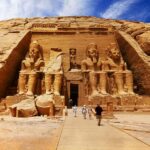
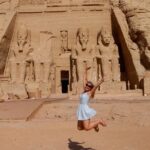
Sunrise at Abu Simbel feels like time travel. This 6-day Nile cruise combines a round-trip train from Cairo with guided temple days, starting with High Dam and Philae in Aswan and ending in Luxor’s East and West Banks. I love how the plan is built around set-piece sites, and I also like that you get an Egyptologist-style guide for the history parts, not just a bus drop-off. One caution: add-ons like entrance fees, tips, and drinks can quietly push your total higher than the base price.
I also like the pacing. You get at least one major “wow” moment each day—Abu Simbel at dawn, then Kom Ombo and Edfu, and finally Karnak plus the West Bank trio (Valley of the Kings, Hatshepsut, and the Colossi of Memnon). When it worked smoothly, the coordination from Bassant (and the on-the-ground guiding from names like Mohamed Shakour) made transitions between train, cruise, and temple visits feel handled.
Still, you’ll want to go in with eyes open. Egypt logistics are never sterile, and one or two reports flagged late pickup issues or the chance of upselling on the way. If you’re strict about schedules and don’t enjoy “cost extras,” plan some buffer money and a calm attitude.
In This Review
- Key highlights to know before you go
- Price and logistics: what the $780 really covers
- Day 1: The Giza pickup and the overnight train to Aswan
- Day 2: Aswan essentials—High Dam, Philae, and a cruise night with entertainment
- Day 3: Abu Simbel at 5 am, then Kom Ombo and Edfu sailing vibes
- Day 4: Edfu’s best-preserved temple and the Esna lock ride into Luxor
- Day 5: Luxor West Bank highlights, then Karnak on the East Bank
- Day 6: Arrive Cairo and get driven to your hotel
- Who this cruise suits best (and who should think twice)
- How to make the most of the temples (without burning out)
- The real value: why this specific route works
- Should you book this 6-day Cairo-to-Aswan-to-Luxor cruise?
- FAQ
- Are entrance fees included?
- Are drinks or water included on the cruise?
- Does the tour include train tickets from Cairo?
- Is Abu Simbel included, and what happens if it’s canceled?
- What Luxor sights are included?
- Is WiFi included on the cruise?
Key highlights to know before you go
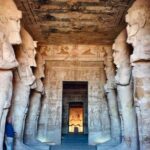
- Abu Simbel at dawn: a 5 am start that’s hard to beat for light and photos
- Cairo-to-Aswan and Luxor-to-Cairo by first-class train: included, with a long overnight stretch (around 10 hours from Luxor)
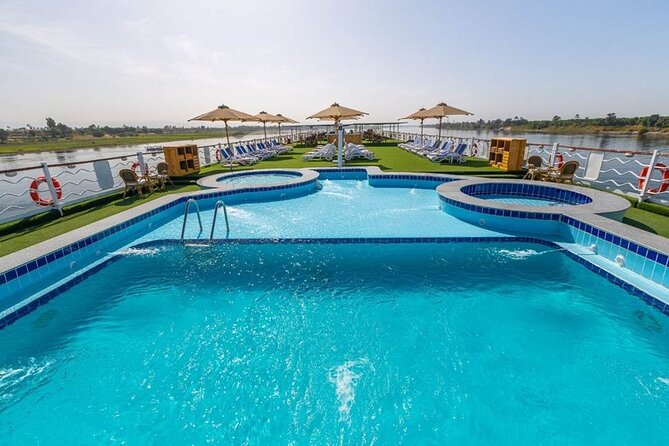
- Three nights aboard a 5-star Nile cruise: meals and evening entertainment included
- Temple route that actually makes sense: Aswan sights, then Kom Ombo and Edfu, then Luxor East/West Banks
- Horse and carriage in Edfu: included as part of the on-site experience
- Real names matter: Bassant coordinated; guides like Mohamed Shakour and Osama Ghazaly were repeatedly praised
Price and logistics: what the $780 really covers
At $780 per person, the value mostly comes from two big buckets: 3 nights on a 5-star Nile cruise plus round-trip train tickets from Cairo. That combination is the main reason this works for a lot of people. Instead of solving transport yourself (and losing time lining up connections), someone handles the “move you safely” part.
But your final spend can rise for three predictable reasons:
- Entrance fees are not included.
- Drinks/water on the cruise are not included.
- Tipping (guide, drivers, cruise crew) is not included.
You should also note two common “extras” that can show up:
- WiFi on the cruise is available but costs extra.
- Add-on options exist: sleeping train vs. flight between some segments may be available for an extra $170 per person (if you request it).
My practical take: if you budget a realistic amount for entrances and a tip reserve, this price starts to feel fair. If you show up trying to avoid every extra cost, it can feel like the tour is nicking you—especially when upselling happens on the ground.
A few more Aswan tours and experiences worth a look
Day 1: The Giza pickup and the overnight train to Aswan
Your evening starts with door-to-door service. A representative picks you up from your hotel around 7 pm (depending on where you’re staying), then you’re driven in comfort to Giza train station.
From there, you head on an overnight train to Aswan. This matters more than it sounds. In Egypt, the best tours reduce stress by removing “daytime transport puzzles.” Here, the train time becomes sleep time, and your tour begins the next morning with actual sightseeing.
What to do for a smoother night on the rails:
- Pack a small day kit (water bottle, charger, and something warm).
- Expect that you’ll lose some control of your sleep schedule, because you’re traveling overnight and then going into early temple mornings.
Day 2: Aswan essentials—High Dam, Philae, and a cruise night with entertainment
In Aswan, you meet a professional local guide and immediately hit two iconic anchors:
- High Dam
- Philae Temple
This is a smart first-day pairing. High Dam gives you the modern Egypt story of the Nile as infrastructure. Philae connects that story back to the ancient world—temple worship tied to water, gods, and cycles.
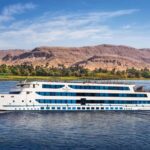
The rest of the day is where the cruise starts doing what you paid for. You have lunch on board, afternoon tea, dinner, and an evening disco party. The cruise also has amenities like a swimming pool and live entertainment each evening (so you’re not stuck spending the whole night in your cabin).
One practical note: Philae is not always a “quick glance.” If you like photos and want to understand what you’re seeing, plan to slow down with your guide.
Day 3: Abu Simbel at 5 am, then Kom Ombo and Edfu sailing vibes
Day 3 is the one that often becomes the memory people talk about later.
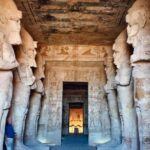
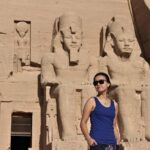
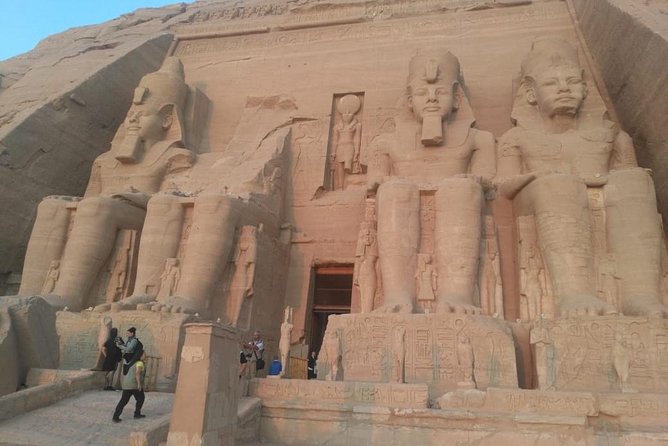
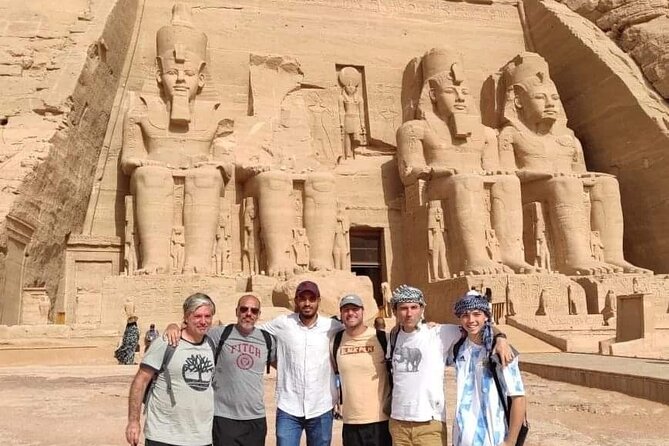
Around 5 am, you go to Abu Simbel for one of Egypt’s most dramatic temple experiences. The timing isn’t random. Early starts help you beat crowds and get better light for photos.
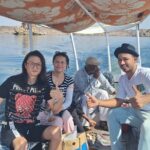
After the Abu Simbel tour, you return to the cruise area as the ship starts sailing. This part is fun because you’re not just rushing from temple to temple. You get the river views and the sense of moving between worlds—Egyptian and Nubian cultures—right from the water. You might spot villages, boats, and everyday life along the banks as you go.
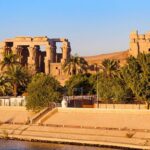
Then comes Kom Ombo, known for the double temple concept shared between the crocodile-headed Sobek and the falcon-headed Haroeris. Even if you’re not a “temple person,” it’s a memorable change of pace from the other sites.
After that, the ship navigates toward Edfu. You can enjoy Egyptian tea on the cruise sun deck during sailing, then dinner onboard and an overnight stay.
A small travel truth: Abu Simbel is early and intense. If you’re sensitive to sleep loss, you’ll want a nap plan for this day.
Day 4: Edfu’s best-preserved temple and the Esna lock ride into Luxor
After breakfast, you tackle Edfu Temple, which is often described as the most well-preserved temple in Egypt and dedicated to the falcon god Horus. If you like carvings and the way Egyptian temple design repeats symbolic themes, Edfu is a strong day.
You’ll also have that included horse and carriage component in Edfu. It’s not essential to history, but it’s a very “you’re really here” way to move through the area and keep the day from turning into pure walking.
From Edfu, the ship sails toward Luxor via Esna lock. Watching a ship work through a lock is one of those details you don’t get from a normal land itinerary. It turns a travel day into something you can actually watch.
When you arrive in Luxor, you’re set up for an easy transition into the next day’s West and East Bank program.
You can also read our reviews of more boat tours in Aswan
- 4-Days Nile Cruise From Aswan To Luxor including Abu Simbel and Hot Air Balloon
★ 5.0 · 3,142 reviews

Day 5: Luxor West Bank highlights, then Karnak on the East Bank
This is the biggest day on land.
After breakfast, you disembark and head to the West Bank of Luxor:
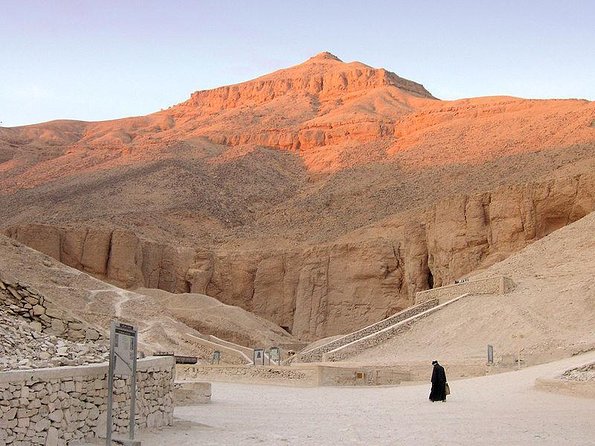
- Valley of the Kings (where more than 60 pharaohs were laid to rest)
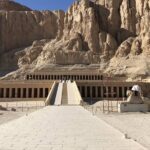
- Temple of Hatshepsut
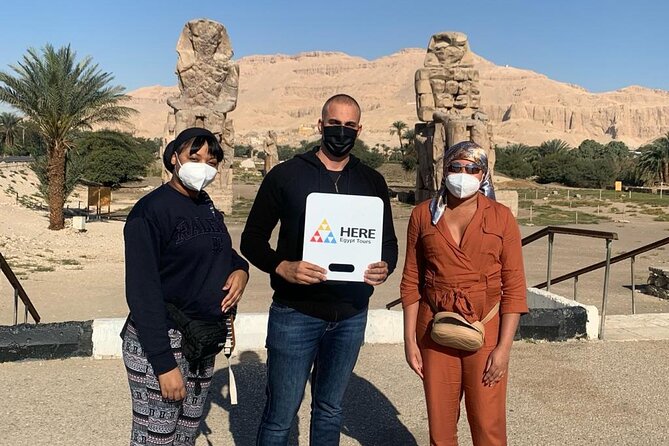
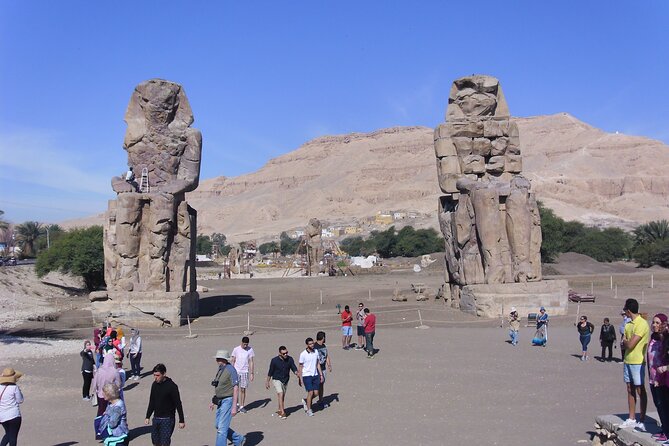
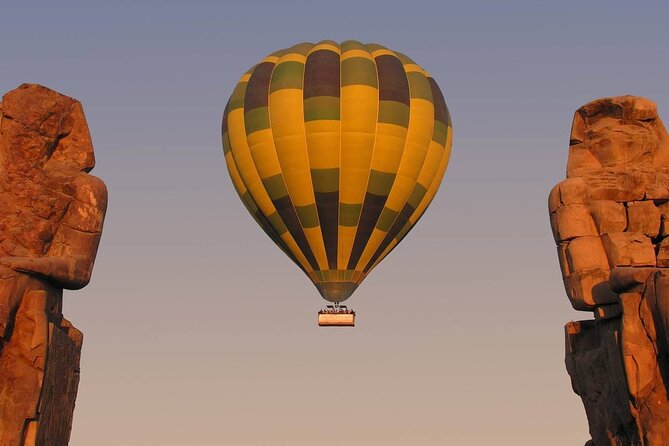
- Colossi of Memnon (the famous standing statues)
This West Bank block works because it gives you three different kinds of “wow.” The Valley of the Kings is the grand burial landscape. Hatshepsut adds temple power—she was a ruler who didn’t do things halfway. And the Colossi are dramatic in their scale, even when they’re only fragments of what once stood there.
Then you cross to the East Bank for Karnak Temple, often called the largest temple in Egypt. Karnak is not “one temple.” It’s a whole complex, and you can feel the weight of centuries in the scale of it.
The tour day runs until around 5 pm, then you transfer to Luxor train station for your return overnight trip back to Cairo. The train is around 10 hours on this segment—another one of those “sleep on the move” blocks that keeps the schedule efficient.
Day 6: Arrive Cairo and get driven to your hotel
You reach Cairo train station, and the company picks you up again for a comfortable drive to your hotel in Cairo or Giza.
This is where the trip feels complete. After days of temples and river time, it’s nice not to be stuck negotiating taxis. You get photos on the way out and the chance to end on your terms, not theirs.
Who this cruise suits best (and who should think twice)
This tour is a good fit if you want:
- A built-in structure for seeing Aswan, Kom Ombo, Edfu, and Luxor without planning transport
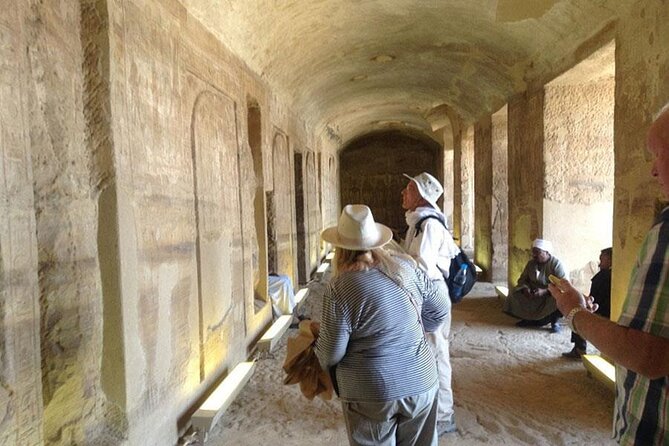
- Temple-focused days with a guide explaining what you’re looking at
- Cruise time that doesn’t feel like dead time, thanks to meals, a sun deck, and evening entertainment
It’s also a great option if you’re traveling solo and value the sense of being handled. A number of firsthand accounts praised the feeling of safety and smooth coordination throughout the trip, including support from coordinators like Bassant and guides such as Osama Ghazaly and Ismail Haroun.
Think twice if:
- You hate early mornings and can’t handle Abu Simbel starting around 5 am.
- You don’t want any additional costs once you arrive, because entrance fees, drinks, and tipping are part of the reality here.
- You’re very strict about punctuality. One negative experience described late pickup that nearly affected train timing, and another mentioned upselling and extra charges. That’s not “expected,” but it’s enough of a pattern for you to prepare.
How to make the most of the temples (without burning out)
A Nile cruise can move fast, and Egypt temples reward patience. Here’s how I’d set your expectations:
- Use the guide for the story, not just photos. Ask one question per site. It changes how you see carvings and layouts.
- Take breaks on the cruise sun deck. The tea and sailing time are not filler. They’re your recovery between high-intensity days.
- Plan your energy for Day 3 and Day 5. Abu Simbel at dawn is the hardest “start.” Karnak plus the West Bank is the longest “on-foot” day.
- Bring cash for small purchases. You’ll likely want water or drinks at some point, and tips are common.
The real value: why this specific route works
This route is popular for a reason: it strings sites together in a logical geographic flow. It’s not random stops. You go from Aswan’s Nile power story and Philae, then downriver to Kom Ombo and Edfu, then into Luxor where the East Bank and West Bank give you the fullest contrast in one week.
The cruise adds value by giving you a comfortable base with meals and entertainment. And the included trains reduce your biggest risk in Egypt travel—spending a vacation solving logistics instead of seeing things.
Should you book this 6-day Cairo-to-Aswan-to-Luxor cruise?
Yes, if you want a temple-heavy, well-paced Nile experience with transport handled for you, and you’re okay budgeting for entrance fees and drinks on top of the listed price. The combination of cruise nights, guided sites, and included trains is what makes it competitive.
No, if you’re trying to minimize early mornings, hate schedule variability, or you’re strongly anti-anything-extra (because tipping and entrance fees are part of the deal in Egypt).
If you book, do two smart things: confirm what’s included for your specific departure (especially the train segment style), and set aside a small daily budget for entrances and drinks so you don’t feel surprised mid-trip.
FAQ
Are entrance fees included?
No. Entrance fees are not included, so you should plan to pay them on site.
Are drinks or water included on the cruise?
No. Water or drinks on the cruise are not included.
Does the tour include train tickets from Cairo?
Yes. Round-trip train transportation from Cairo is included, with first-class A/C seated train tickets (and sleeping train or flight options may be available for extra cost).
Is Abu Simbel included, and what happens if it’s canceled?
Yes, the Abu Simbel trip is part of the itinerary. If it is canceled due to bad weather, you’ll receive a refund of 30 USD per person.
What Luxor sights are included?
On the Luxor day, you’ll visit the West Bank sites including the Valley of the Kings, the Temple of Hatsheput, and the Colossi of Memnon, plus the East Bank Karnak Temple.
Is WiFi included on the cruise?
No. WiFi on the cruise is available with an extra charge.
You Might Also Enjoy
More Boat Tours & Cruises in Aswan
- 4-Days Nile Cruise From Aswan To Luxor including Abu Simbel and Hot Air Balloon
★ 5.0 · 3,142 reviews
More Tickets in Aswan
More Tour Reviews in Aswan
- 4-Days Nile Cruise From Aswan To Luxor including Abu Simbel and Hot Air Balloon
★ 5.0 · 3,142 reviews