REVIEW · ASWAN
3 Day Private Nile Cruise from Aswan to Luxor with Guided Tours
Book on Viator →Operated by Egypt 24 Tours · Bookable on Viator
Nile cruises can feel like a blur, but this one has a rhythm. You get a private shore-guide experience plus two nights in a 5-star cabin, so you can focus on temples instead of logistics. My favorite parts are the on-the-ground explanations at the big sites and the way you’re carried from stop to stop with pickup and a/c transport.
The second win: the day of tomb-hunting is led by an Egyptologist guide—and the itinerary names major royal tombs you can connect with as you walk. One thing to keep in mind: entrance fees are not included (and tipping is expected), so your final total will be a bit higher than the headline price.
In This Review
- Key things to know before you go
- Why this Aswan-to-Luxor cruise feels easier than DIY
- Day 1: Philae Island Temple, Aswan High Dam, then Kom Ombo’s double temple
- Philae Temple: island setting and big themes
- Aswan High Dam: the modern story behind the river
- Kom Ombo: the unusual double-temple design
- Day 2: Horse carriage to Edfu, tea on the sail, and Esna Lock into Luxor
- Edfu Temple: why Horus fights Seth in stone
- Afternoon sailing: tea time and the Esna Lock
- Day 3: Valley of the Kings with an Egyptologist, then Deir el Bahari, Memnon, Karnak, and Luxor Temple
- Valley of the Kings: tombs you can actually connect to
- Deir el Bahari and Hatshepsut’s mortuary temple
- Colossi of Memnon: quick, iconic, and free admission
- Karnak Temple Complex: the wall of temples
- Luxor Temple: closing with a classic on the east bank
- What’s actually included: meals, guides, and the real value of 5-star nights
- Price check: is $699.33 per person good value?
- Who this private cruise suits best
- Peak dates and extra charges to watch
- Should you book this Aswan-to-Luxor private cruise?
- FAQ
- What’s included in the 3-day private Nile cruise from Aswan to Luxor?
- Are entrance fees included?
- What time does the tour start and how long is it?
- Is this tour private?
- How do rooms work if traveling as a group?
- What are the cancellation and weather rules?
Key things to know before you go
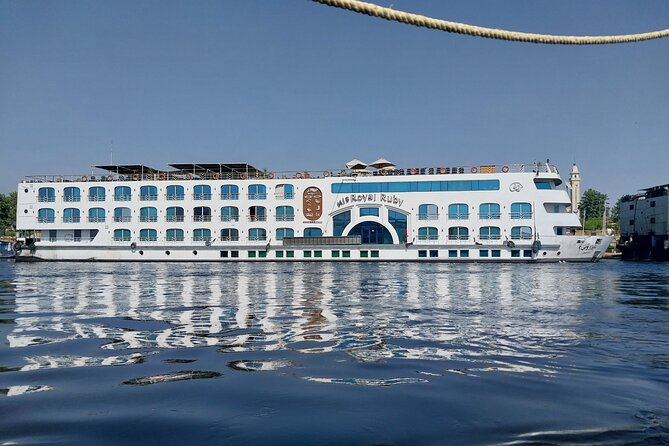
- Private guided tours with your group: only your group participates in the tour activities, even though the cruise schedule runs like a shared boat route.
- Five-star cruise, but plan for extra site costs: meals are included, yet entry fees are extra (about $47 per person).
- Day 1 hits big symbolism: Philae temple on the island setting, then the High Dam, then Kom Ombo’s double-temple layout.
- Day 2 uses a horse carriage to get you to Edfu: old-school transit for a major temple, then sailing toward Luxor via the Esna lock.
- Day 3 is the big guide day: Valley of the Kings with an Egyptologist, plus Deir el Bahari, Karnak, and Luxor Temple.
Why this Aswan-to-Luxor cruise feels easier than DIY
A lot of Nile trips turn into paperwork: tickets for each site, matching timings, and hoping your driver actually finds the right entrance. This route takes that stress away. You start with a meet-and-assist approach, then use a/c car pickup and drop-off for the excursions, plus guided time built around major stops.
That matters because the best temples in Egypt aren’t just pretty. They reward attention. You’re not only seeing carved walls—you’re hearing what to look for while you’re there, when the details still make sense.
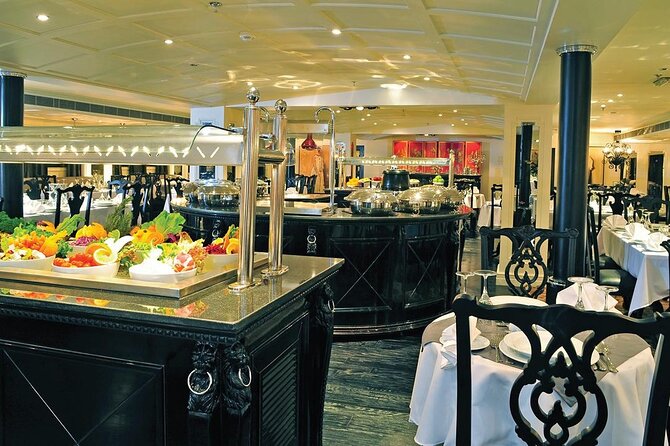
Also, your cruise part is more than just sleeping on a boat. Over two nights, you get breakfast twice, lunch twice, and dinner twice, which helps you keep momentum. In a place where food can be a gamble, it’s a relief when the day’s pace doesn’t depend on you finding a restaurant at the right hour.
You can also read our reviews of more boat tours in Aswan
- 4-Days Nile Cruise From Aswan To Luxor including Abu Simbel and Hot Air Balloon
★ 5.0 · 3,142 reviews

Day 1: Philae Island Temple, Aswan High Dam, then Kom Ombo’s double temple
Day 1 is a strong start because it mixes myth, engineering, and architecture in a clean sequence.
Philae Temple: island setting and big themes
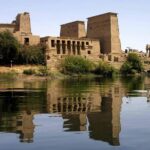
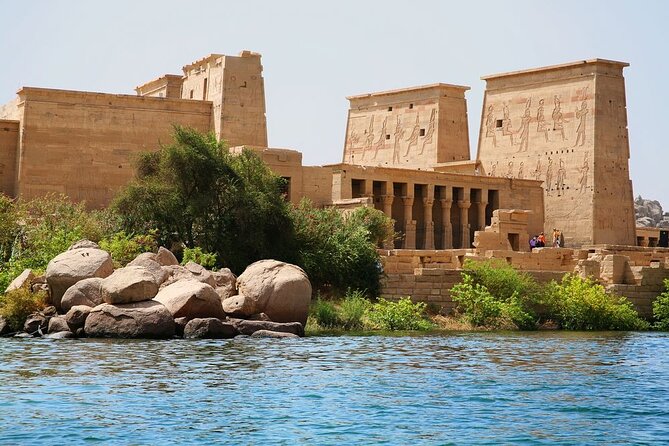
You’ll visit the Temple of Philae, an island-based complex in the reservoir area downstream of the Aswan dams. That island context isn’t just a scenic detail. It helps you understand why Philae became so important in Egyptian religious life, and why the location is tied to how the temples survived modern river changes.
A practical note: since admission isn’t included, you’ll want to budget for ticket time and entry fees so the day stays smooth.
Aswan High Dam: the modern story behind the river
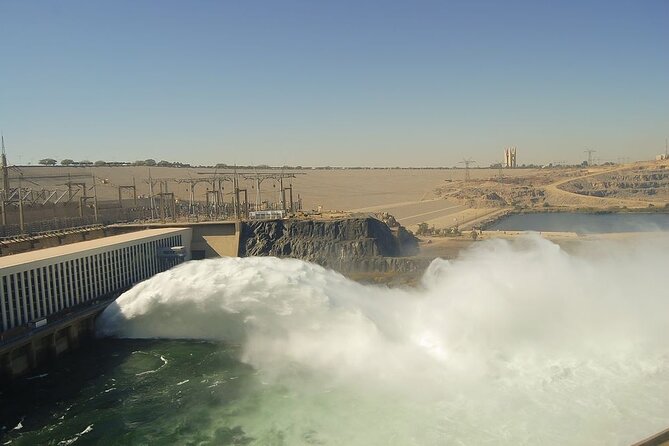
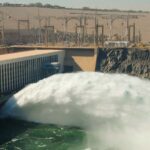
Next comes the Aswan High Dam. It’s not an ancient temple, but it’s hard to understand Aswan without it. The dam is described as one of the world’s largest embankment dams, built between 1960 and 1970, and once the tallest earthen dam in the world. Even if you’re not a water-engineering person, it’s a good reality check: the Nile isn’t only history—it’s also power, farming, and modern Egypt’s planning.
You’ll likely get a guided orientation on what the dam changed and why it matters today.
Kom Ombo: the unusual double-temple design
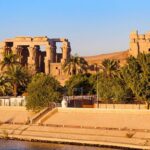
Then you’ll shift to Kom Ombo Temple, known for its unusual double temple layout. The structure was built during the Ptolemaic dynasty (180–47 BC), with later Roman additions. That’s a big deal because it shows Egypt’s religious sites weren’t frozen in time—new rulers kept adding layers.
The double-temple style is the kind of architecture that can feel confusing if you’re on your own. With a guide, it’s easier to connect carvings to functions and understand why two sides feel so different.
You can also read our reviews of more guided tours in Aswan
Day 2: Horse carriage to Edfu, tea on the sail, and Esna Lock into Luxor
Day 2 keeps the pace moving, but in a way that doesn’t feel rushed. It’s built around one of the most famous temple stops on the Nile and then a relaxing river transition.
Edfu Temple: why Horus fights Seth in stone
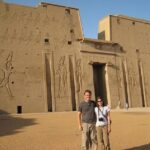
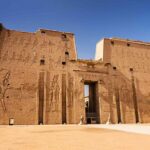
The day starts with a horse-drawn carriage ride to Edfu Temple. That small detail is more than fun transport—it’s part of the traditional approach to reaching a major site. Once there, Edfu’s sanctuary is known for intricate inscriptions and scenes, including the epic conflict between Horus and Seth.
If you’ve seen Egyptian temples before, Edfu can still surprise you because the carvings and layout feel especially narrative. A good guide will point out what to notice so you’re not just staring at walls that all look equally old.
Afternoon sailing: tea time and the Esna Lock
In the afternoon, you’ll enjoy tea as you sail toward Luxor, including navigation through the Esna lock. Locks on the Nile are one of those things many people skip, but they’re fascinating because they show how the river is actively managed for boat traffic.
Arrival in Luxor is around 7 PM, and you’ll spend the night aboard the cruise in Luxor. That timing is useful. You’re not trying to cram Luxor temples at night after a long travel day. Instead, you’re ready for the main east-bank sights the next morning.
Day 3: Valley of the Kings with an Egyptologist, then Deir el Bahari, Memnon, Karnak, and Luxor Temple
Day 3 is the heavyweight day. It’s the one that gives you the most context and the most famous names.
Valley of the Kings: tombs you can actually connect to
The Valley of the Kings visit is led by an Egyptologist guide, and the itinerary specifically calls out tombs of Tutankhamun, Ramesses VI, Thutmose, and Amenhotep II. That list matters. It turns the visit into a story you can follow, rather than a scattered series of entrances.
A guide makes a huge difference here because the Valley can feel overwhelming. Egyptology explanations help you connect tomb locations, themes, and reigns—so you leave with more than a photo folder.
Admission isn’t included, so again, budget for site tickets and plan for time at entry.
Deir el Bahari and Hatshepsut’s mortuary temple
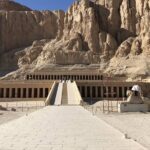
Then it’s Temple of Hatshepsut at Deir el Bahari. This mortuary temple is associated with Pharaoh Hatshepsut of the Eighteenth Dynasty and is treated as a masterpiece of ancient architecture. It’s also one of Luxor’s most visually dramatic temple settings, which is likely why it earns its place before you head to Karnak.
If your brain is tired from tomb legends, Deir el Bahari is a nice reset. The space is more open and architectural than the Valley’s tight corridors.
Colossi of Memnon: quick, iconic, and free admission
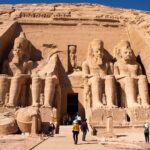
You’ll also stop at the Colossi of Memnon—two massive stone statues of Amenhotep III. The itinerary notes that admission there is free, so it’s a low-cost hit of scale. Even if you only get a short look, the sheer size is hard to ignore.
Karnak Temple Complex: the wall of temples
Next is Karnak Temple Complex. Karnak is more than one temple. It’s a sprawling mix of pylons, chapels, and structures near Luxor. The stop is scheduled for about two hours, which is just enough time to cover highlights without turning it into a suffer-fest.
This is where your earlier guidance pays off. When a guide explains how the different parts relate, Karnak becomes easier to navigate and understand.
Luxor Temple: closing with a classic on the east bank
Finally, you visit Luxor Temple, built around 1400 BCE. It’s on the east bank of the Nile and was known in Egyptian as ipet resyt, meaning southern sanctuary. You’ll spend about two hours there, then be transferred for your departure to the airport or railway station.
This closing stop is a good way to end because Luxor Temple is less about tombs and more about a temple complex you can step into and enjoy at a slower tempo.
What’s actually included: meals, guides, and the real value of 5-star nights
This package is built around convenience and comfort. Here’s what you’re paying for that often costs extra if you arrange things yourself:
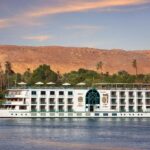
- Two nights on a 5-star Nile cruise from Aswan to Luxor
- Meals included: 2 breakfasts, 2 lunches, 2 dinners
- All cruise excursions listed in the itinerary
- An Egyptology guide
- Pickup and drop-off in air-conditioned transport
- Meet-and-assist service
From the positive feedback attached to this kind of route, the most praised elements are consistent: the cruise cabins are comfortable, the boat is described as clean, and the staff are helpful. People also tend to like that the organization reduces stress on travel days, and that the guides make temple visits feel more meaningful.
Two small practical considerations:
- Water and drinks on the cruise are not included, so if you’re used to unlimited beverages while traveling, you’ll want to budget.
- Entrance fees are not included at any of the stops (except the Colossi of Memnon stop noted as free), so you’ll pay those on top of the cruise price.
Price check: is $699.33 per person good value?
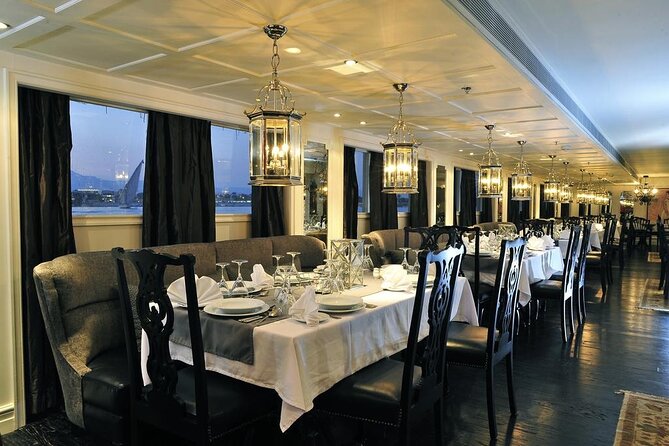
At $699.33 per person, this is not a budget excursion. But value here isn’t just the cruise bed. You’re also buying:
- guided visits at major sites,
- a/c transfers,
- and meals across the multi-day flow.
To sanity-check the math, you should also expect roughly $47 per person for entrance fees, plus tipping (recommended). So your realistic all-in cost is likely higher than the base price.
When this package feels worth it is when you compare it to the real cost of going it alone:
- hiring guides for each site,
- paying for transport repeatedly,
- and trying to coordinate the schedule without time gaps.
If you hate logistical overhead and you want your days to run on a plan (especially on your first Nile trip), then this price starts to make sense.
If you’re the type who prefers maximum flexibility and you already have a trusted system for tickets and guides, then you might find cheaper options. But they usually cost you time, not money.
Who this private cruise suits best
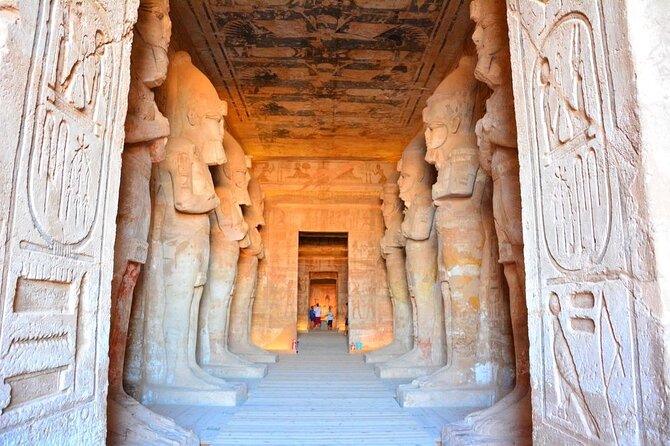
This cruise is a good match if you want the highlights without the mental load.
You’ll likely enjoy it if:
- you care about Egyptology explanations and want context at big stops,
- you prefer guided timing over self-planning,
- you want comfort on the river for two nights,
- and you like the idea of being with your group while the broader boat route keeps moving.
You might want to reconsider if:
- you’re sensitive to a schedule with multiple temple stops each day,
- you expect drinks to be free on board,
- or you don’t want to handle add-on expenses like entrance fees and tipping.
Peak dates and extra charges to watch
There’s a peak period fee notice for stays from December 15 to January 15, covering Christmas, New Year, and Easter. If your dates fall into that window, plan for an additional cost so the final bill doesn’t surprise you.
Also, the experience requires good weather, so if weather disrupts planned activities, you’ll be offered a different date or a full refund.
Should you book this Aswan-to-Luxor private cruise?
If your ideal Nile trip is comfort plus expert context, I’d say yes—especially if it’s your first time in this corridor. The itinerary hits the big, meaningful stops: Philae, the High Dam, Kom Ombo, Edfu, the Valley of the Kings, Hatshepsut’s temple, Karnak, and Luxor Temple. And the format keeps you from wasting hours figuring things out.
Book it if you want:
- guided temple visits that help you understand what you’re seeing,
- a smooth Aswan-to-Luxor flow with a/c transfers,
- and a 5-star cabin for two nights plus meals.
Skip or shop around if:
- you’re very budget-focused and don’t want add-ons,
- you don’t enjoy structured days,
- or you want full freedom to choose which tombs and temple areas to spend time on.
If you do book, do one simple thing: plan your entrance-fee budget and bring some cash for tipping. That small prep keeps the whole trip feeling effortless.
FAQ
What’s included in the 3-day private Nile cruise from Aswan to Luxor?
It includes 2 nights on a 5-star Nile cruise, meet-and-assist service upon arrival and departure, all cruise excursions listed in the itinerary, pickup and drop-off by air-conditioned car, an Egyptology tour guide, and meals (2 breakfasts, 2 lunches, and 2 dinners).
Are entrance fees included?
No. Entrance fees are listed as not included, with an approximate total of $47 per person. The Colossi of Memnon stop is noted as admission free.
What time does the tour start and how long is it?
The start time is 12:00 pm. The duration is listed as about 3 days.
Is this tour private?
Yes. It’s described as a private tour/activity where only your group will participate.
How do rooms work if traveling as a group?
If you want your own room, you need to book for a single person. If traveling in a group of 3, you’ll enjoy one triple room. If you want separate rooms while traveling as a group, you need to book a separate single-person booking.
What are the cancellation and weather rules?
Free cancellation is available up to 24 hours before the experience start time for a full refund. The experience requires good weather; if it’s canceled due to poor weather, you’ll be offered a different date or a full refund. It can also be canceled if a minimum number of travelers isn’t met, with a different date/experience or a full refund.
You Might Also Enjoy
More Boat Tours & Cruises in Aswan
- 4-Days Nile Cruise From Aswan To Luxor including Abu Simbel and Hot Air Balloon
★ 5.0 · 3,142 reviews


More Tours in Aswan
More Tour Reviews in Aswan
- 4-Days Nile Cruise From Aswan To Luxor including Abu Simbel and Hot Air Balloon
★ 5.0 · 3,142 reviews