Nile time, then Abu Simbel, then balloon skies. This 3-day Aswan-to-Luxor journey is built around a private cabin on a 5-star Nile cruise plus a guided Valley of the Kings visit with an Egyptologist, so you’re not just seeing monuments. The plan also layers in big-name temples along the river, with smooth transport and included admission tickets.
One real thing to consider: Day 1 is long. You start with a hotel pickup at 12:00 pm and then face a full drive down to Abu Simbel plus multiple stops, so plan for a packed schedule right away.
In This Review
- Key things that make this tour work
- Aswan pickup at 12:00 pm, then the Abu Simbel drive
- Kom Ombo’s double temple: quick, unusual, and included
- Edfu by horse carriage, with a sailing break toward Luxor
- Karnak and Luxor Temple: seeing the two faces of Thebes
- Hot air balloon ride: the included ride and the weather rule
- Day 3 in Luxor: Valley of the Kings with an Egyptologist
- Deir el Bahari and Hatshepsut: the quiet wow moment
- Colossi of Memnon: fast, iconic, and free
- The cruise side: how private-cabin comfort changes the trip
- Transport and guide support: smooth days, fewer headaches
- Price and value: what $715.33 buys, and where to watch your step
- Who this tour fits best
- Quick booking checklist before you go
- Should you book this Aswan to Luxor cruise with hot air balloon?
- FAQ
- What time does the tour start?
- How long is the cruise and tour?
- What is included in the price?
- Is the hot air balloon ride guaranteed?
- Are tips included?
- Can I cancel for a refund?
Key things that make this tour work
- Private-cabin comfort for two nights on a 5-star Nile ship keeps the pace from feeling nonstop
- Abu Simbel as a day-trip anchor gives you one of Egypt’s most dramatic temple experiences early
- Horse-drawn carriage to Horus at Edfu adds a classic-feeling, low-stress way to reach the temple gates
- Karnak and Luxor Temple at nightfall makes your Luxor time feel like a story instead of a checklist
- An Egyptologist with the Valley of the Kings helps you connect tomb scenes to real people and events
- Hot air balloon ride with a defined weather refund option if conditions cancel it
Aswan pickup at 12:00 pm, then the Abu Simbel drive
Your day starts later than most Egypt tours, with a 12:00 pm start time and meet-and-assist from your Aswan hotel area. That timing can actually be a benefit. You’ll have a slower morning to sort yourself out, handle water and snacks, and get your head around the fact that you’re about to do one of Egypt’s most famous rock-cut temple visits.
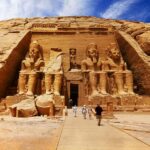
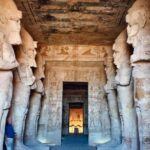
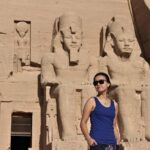
From there, you’re escorted in an air-conditioned car for about 3 hours south to Abu Simbel. The visit is paced so you’re not rushed. You’ll see two temples carved into the cliff: the Great Temple dedicated to Ramses the Great and the smaller temple honoring Nefertari. What really sticks with most people is the scale, plus the fact that these weren’t always in their current spot. Your guide explains the incredible effort to relocate the temples in the 1960s to protect them from flooding. When you understand why they look the way they do today, the visit feels more meaningful than a quick photo stop.
Also note the admission piece. Entry is included, so you’re not juggling tickets in between drives and guides. You’ll want comfortable shoes here. Abu Simbel is mostly uneven stone and steps, and you’ll do better if your feet are ready.
You can also read our reviews of more boat tours in Aswan
- 4-Days Nile Cruise From Aswan To Luxor including Abu Simbel and Hot Air Balloon
★ 5.0 · 3,142 reviews
Kom Ombo’s double temple: quick, unusual, and included
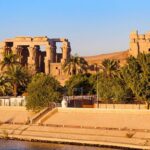
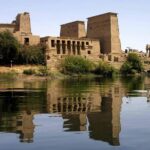
After Abu Simbel, the day continues with a stop at Temple of Kom Ombo. This is one of those temples that makes you feel like Egypt has variety beyond what you expected. It’s a double temple with different sections tied to different divine roles, and it dates mainly to the Ptolemaic dynasty (180 to 47 BC), with additional work in the Roman period.
You’ll typically spend around 2 hours here. That length is enough to notice the structure without feeling trapped in a long museum line. The big value of Kom Ombo on this route is pacing. You get your huge blockbuster moment at Abu Simbel, then you get a different kind of temple experience before the cruise legs take over.
Edfu by horse carriage, with a sailing break toward Luxor
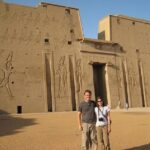
Day 2 starts with the classic approach to Edfu: a horse-drawn carriage ride to reach the Temple of Horus. This isn’t just a photo moment. It slows your body down and makes the whole transition feel more traditional than “walk to the next bus stop.”
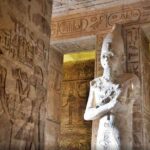
At Edfu, the focus is on the battle of Horus and Seth, shown through detailed temple depictions and writings. You’ll get time with the site rather than a sprint through doorways, and admission is included so the visit flows.
Then the schedule gives you breathing room. You’ll have a tea session while sailing toward Luxor. The ride includes passage through the Esna lock, which is one of those practical-but-interesting details that makes a Nile cruise feel real. It’s not just scenery. It’s how ships actually move.
By around 7:00 pm, you reach Luxor and stay overnight on board. That’s a key point: you’re in Luxor at nightfall, not just arriving for a quick daytime drive-by.
Karnak and Luxor Temple: seeing the two faces of Thebes
Once you’re in Luxor, you get two major stops on Day 2: Karnak Temple and Luxor Temple.
Karnak is a sprawling complex, and you’ll spend about 2 hours there. The value here isn’t trying to memorize every hall. It’s learning how the temple grew over time and why the scale is so overwhelming. With a guide specializing in Egyptology, you’re less likely to feel lost. Instead, you start connecting symbols, layouts, and the purpose of different parts of the complex.
Later, you move to Luxor Temple, located on the east bank. It’s roughly 1400 BCE in origin and is tied to the Egyptian idea of a southern sanctuary. You’ll have about 2 hours here too. Luxor Temple often feels different from Karnak because it’s easier to take in at a walking pace. If Karnak is your wide-angle brain workout, Luxor Temple helps you bring it back down to something you can absorb.
Hot air balloon ride: the included ride and the weather rule
This tour includes a hot air balloon ride, but the exact timing isn’t spelled out in the details you provided. So I’d treat the balloon like a major plan point, not an optional add-on.
Here’s the practical part you should plan around: the operator states that if the balloon ride is canceled due to unfavorable weather, you’ll receive a refund of $24 per person. That’s better than vague promises. It means you won’t be stuck wondering if the balloon becomes a no-show.
My advice: before the day comes, ask your operator when the balloon is scheduled and how they handle weather. You don’t need a perfect answer on the first message, but you do want clarity on what time you’ll be picked up and what the backup plan is.
A few more Aswan tours and experiences worth a look



Day 3 in Luxor: Valley of the Kings with an Egyptologist
Day 3 is where the tour shifts from temples-as-buildings to temples-as-stories. You begin at the Valley of the Kings, with a knowledgeable Egyptology guide.
You’ll explore tombs linked to pharaohs such as Tutankhamun, Ramesses VI, Thutmose, and Amenhotep II, plus other royal burials in the necropolis. Time on-site is about 2 hours. That’s long enough to understand the tomb themes and short enough to keep you from burning out in the heat and the crowds you can run into anywhere in Luxor.
With an Egyptologist involved, the visit tends to make more sense. Instead of seeing carved walls as decorative patterns, you’ll connect them to specific beliefs and people. This is the part of the trip that helps the whole journey click, because it’s where you learn how the images were meant to guide someone through the afterlife.
Pro tip for your comfort: bring a light layer. You may go from bright sun outside to cooler interior spaces inside tombs.
Deir el Bahari and Hatshepsut: the quiet wow moment
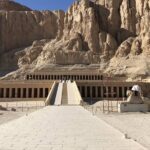
After the Valley of the Kings, the tour heads to Temple of Hatshepsut at Deir el Bahari. This temple is associated with Pharaoh Hatshepsut, built during her reign in the Eighteenth Dynasty. You’ll have about 1 hour at this stop.
What makes this experience feel special is its dramatic setting and clear design. It’s not just a ruin you look at from the sidewalk. The structure is meant to be seen and understood as architecture tied to power and belief. You also get a visual contrast from the rocky valley tombs earlier. It’s a change of pace that helps your brain reset between heavy stops.
Colossi of Memnon: fast, iconic, and free
You finish with the Colossi of Memnon, two enormous stone statues associated with Pharaoh Amenhotep III. They sit near the entrance area of the larger mortuary complex for Amenhotep III.
This stop is short at about 30 minutes, and admission here is free. That makes it a nice closing act. You’re not ending with another museum-style time sink. You’re getting a last strong image of ancient Egypt’s scale before you move on from the day.
The cruise side: how private-cabin comfort changes the trip
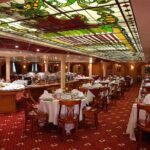
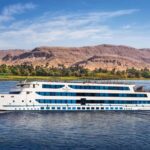
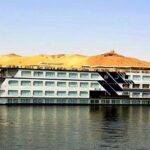
A big part of why this tour feels like a good deal is that the cruise does real work for you. You’re not constantly packing and repacking. You’re staying two nights on a 5-star Nile cruise ship from Aswan to Luxor, and your cabin is described as private and comfortable.
Meals are included: breakfast twice, lunch twice, and dinner twice. That matters because it reduces decision fatigue. You don’t have to hunt for food between temple blocks and travel time. You’ll also likely get a buffet-style setup, and the service quality is described as friendly and helpful, which is exactly what you want after long museum hours.
You should still expect that Egypt days can run warm. Cooling, shaded meals, and the simple fact that you can return to your cabin without a daily scramble can change your whole mood.
Transport and guide support: smooth days, fewer headaches
This tour includes pick-up and drop-off in an air-conditioned car, plus arrival and departure meet-and-assist. For sites like Abu Simbel, that support is a big deal. The drive is long enough that you want someone handling route logistics and timing.
The tour also includes a guide specializing in Egyptology. That’s not a luxury word. It directly affects what you understand at each stop. When someone knows what you’re looking at, your time feels more productive. You’re not guessing what that carving means or why that building was important.
Admissions are also included for the temple stops, which keeps the schedule clean.
Price and value: what $715.33 buys, and where to watch your step
At $715.33 per person, this is not a budget excursion. But it also isn’t just a sightseeing day. You’re paying for a combination of major sites, transport, a guided Egyptology program, 2 nights on a 5-star Nile cruise, multiple included meals, and admission tickets.
The strongest value pieces are:
- Abu Simbel day trip time and transport
- Multiple large temple visits without ticket hassles
- Cruise comfort that reduces daily logistics
- Egyptologist guidance, especially for the Valley of the Kings
The part you should handle carefully is not the temples. It’s the “what you actually receive” side.
There has been a reported problem in Egypt travel with promotions not matching reality, including a claim of extra-pressure payments and a mismatch between what someone expected and what showed up. You don’t need to assume the same thing will happen here, but you should protect yourself. Before paying any additional amounts, confirm the exact cruise ship name and that you have a clear written record of what’s included, including the hot air balloon ride. If someone named in your contact chain (for example, a person mentioned as Mohamed in a complaint) pressures you to pay more in an unclear way, pause and verify through official channels.
If everything is confirmed in advance, the price can feel like a solid package deal for the time you’re getting.
Also remember: tipping isn’t included. Build a small cash budget for guides/drivers if you feel they earn it.
Who this tour fits best
You’ll likely like this tour if you want:
- A temple-heavy itinerary with an expert guide
- Cruise comfort that lets you rest between big site days
- A classic “Nile + Luxor + royal tombs” route without doing it all by yourself
- The hot air balloon experience as part of the overall plan (with a weather refund rule)
It may not fit you as well if:
- You dislike long travel days, especially the first day that starts at 12:00 pm and includes the Abu Simbel drive
Quick booking checklist before you go
- Ask what day the hot air balloon is scheduled and what exact refund applies if canceled (you already have the $24 per person figure)
- Confirm the cruise ship name and cabin type you’re booked into
- Pack comfortable walking shoes for uneven temple areas
- Budget for tipping, since it’s not included
- If you have dietary needs (vegetarian, vegan, gluten-free, and more are stated as possible), send them at booking so meals can be planned
Should you book this Aswan to Luxor cruise with hot air balloon?
Book it if you want a structured, guided 3-day route that combines iconic temples, real Egyptology context, and the comfort of a 5-star Nile cruise for two nights. The itinerary is built around big anchors like Abu Simbel and the Valley of the Kings, with enough variety (Edfu by carriage, Karnak and Luxor Temple, Hatshepsut at Deir el Bahari) that you won’t feel bored.
Skip or hold off if you know you’re sensitive to packed schedules or you like total freedom with zero pre-planning. Also, be firm about confirmation of the cruise ship details and included items, just to avoid the kind of mismatch issues that have shown up in Egypt travel complaints elsewhere.
FAQ
What time does the tour start?
The start time listed is 12:00 pm, with a meet-and-assist and hotel pickup/escort in Aswan.
How long is the cruise and tour?
It’s listed as about 3 days in duration, covering the Aswan to Luxor journey over two nights.
What is included in the price?
Included items are arrival and departure meet-and-assist, 2 nights on a 5-star Nile cruise from Aswan to Luxor, all cruise tours as outlined, air-conditioned transport for pick-up and drop-off, an Egyptology guide, admissions for the listed sites, and breakfast (2), lunch (2), and dinner (2).
Is the hot air balloon ride guaranteed?
The ride is part of the package, but if it is canceled due to unfavorable weather, you’re refunded $24 per person.
Are tips included?
No. Tipping is not included.
Can I cancel for a refund?
Yes. You can cancel up to 24 hours before the experience start time for a full refund, and free cancellation is available under that rule.
You Might Also Enjoy
More 3-Day Experiences in Aswan
More Boat Tours & Cruises in Aswan
- 4-Days Nile Cruise From Aswan To Luxor including Abu Simbel and Hot Air Balloon
★ 5.0 · 3,142 reviews

More Tour Reviews in Aswan
- 4-Days Nile Cruise From Aswan To Luxor including Abu Simbel and Hot Air Balloon
★ 5.0 · 3,142 reviews