Four days, two ancient cities. This cruise links Aswan and Luxor in a way that feels efficient and not rushed, while still letting you see standout temples that have endured for thousands of years. I like how the schedule mixes big-ticket sites with hands-on moments, like the boat ride to Isis Temple and the boat-and-sundeck rhythm of cruising the Nile.
On the logistics side, I also like the small group size (up to 15), which usually means you spend less time waiting around and more time watching the real details up close.
The second thing I really like is how the itinerary builds variety across the four days: Aswan’s modern history with the High Dam, then Abu Simbel’s monumental drama, and finally Luxor’s East Bank temples and the West Bank necropolis. It gives you a well-rounded picture of Upper Egypt without turning every day into the same kind of sightseeing.
One consideration: the pace is busy, and Day 2 starts with an early Abu Simbel pickup around 4:30. Add that to the fact that tipping and some fees are not included, and you’ll want to plan to keep your energy up and your wallet ready.
In This Review
- Key highlights you’ll care about
- A Nile cruise route that feels like real Upper Egypt
- Day 1 in Aswan: High Dam and Isis Temple on an island
- Day 2 to Abu Simbel and back: big monuments plus sailing time
- Kom Ombo and the dual temple stop
- Edfu: Temple of Horus and the horse carriage ride
- Day 3: Luxor Temple at dusk, then Karnak’s scale
- Karnak: the biggest temple stop in the itinerary
- Day 4: West Bank icons—Valley of the Kings, Hatshepsut, Memnon
- Price and value: what $565 covers (and what to budget)
- The little value-add that matters: the human factor
- Logistics that make the plan easier than it sounds
- What to pack for temple days and a Nile deck
- Should you book this Aswan to Luxor and Abu Simbel cruise?
- FAQ
- How long is the cruise?
- Where does the tour start and end?
- Is pickup included?
- What meals are included?
- Are entrance fees and tickets included?
- What group size is this tour?
- What is the cancellation policy?
- Do you get a mobile ticket?
Key highlights you’ll care about
- Up to 15 people keeps the tour feeling manageable and easier to follow.
- High Dam + Isis Temple by boat gives you two Aswan contrasts in one day.
- Abu Simbel early start gets you to the rock-cut temples at a practical morning time.
- Edfu Temple of Horus via horse carriage adds a local, old-school touch.
- Karnak’s hypostyle hall and sphinx avenue deliver the scale in a single visit.
- West Bank classics on Day 4 cover Valley of the Kings, Hatshepsut, and the Colossi of Memnon.
A Nile cruise route that feels like real Upper Egypt
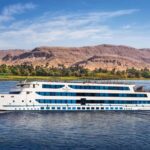
This 4-day trip runs along the Nile between Aswan and Luxor, with Abu Simbel added on as a major side trip. The big value here is that you don’t just jump between sites. You also get cruising time, deck time, and the feeling of moving through the region day by day.
The tour is paced like a guided sightseeing plan, not like a self-guided scramble. You’ll have a local tour representative for the starts and museum-temple visits, and you’ll also have driver support for transfers. That matters because many key locations are spread out, and Egypt rewards a plan you can actually stick to.
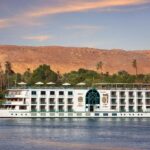
You’ll also be staying on a floating hotel for the Nile part, with breakfast, lunch, and dinner included. That’s a practical win: after long temple days, you return to one base instead of checking in and out of hotels.
You can also read our reviews of more boat tours in Aswan
- 4-Days Nile Cruise From Aswan To Luxor including Abu Simbel and Hot Air Balloon
★ 5.0 · 3,142 reviews

Day 1 in Aswan: High Dam and Isis Temple on an island
Day 1 focuses on Aswan, which is a smart move because it sets the tone right away. You get both the modern story and the ancient story.
First up is the High Dam, completed in 1960. It’s not an “ancient temple” stop, but it’s a key part of Egypt’s geography and development. Even if you’re not a tech/history person, standing at a landmark like this helps you understand why the Nile matters so much here—water management affects everything.
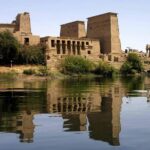
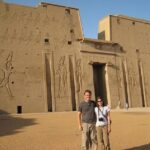
Then you head to the temple of the goddess Isis, located on an island. The transfer is part of the experience: you take a motor boat to reach the temple. That brief ride changes the vibe. It feels like you’re stepping away from the city and closer to the temple’s isolation, which is exactly what you want after a modern infrastructure stop.
What to watch for: the day is short enough that you won’t feel trapped, but you are still switching locations and moving on a schedule. If you’re sensitive to heat, plan to keep water close and wear a hat you can tolerate.
Day 2 to Abu Simbel and back: big monuments plus sailing time
Day 2 is the most intense day. It starts with an early pickup around 4:30, then you arrive at Abu Simbel around 8 a.m. That timing is a big reason this day works. You avoid the trip getting too late and you still get clear daylight for the rock-cut temples.
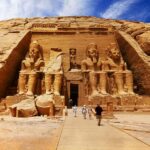
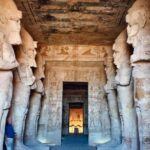
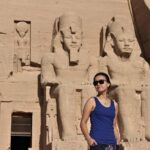
At Abu Simbel you’ll see the rock-cut temples built for King Ramses II and his beloved Queen Nefertari. This is one of those places where scale hits you immediately. The design is unique, and the whole setting makes it feel like Ramses is still sending a message across time.
After Abu Simbel, you return to the cruise for lunch, then sailing continues with navigation toward Kom Ombo and an overnight in Edfu. That’s where the tour has good balance: the day contains a heavy land visit, then you get rewarded with river time after.
Kom Ombo and the dual temple stop
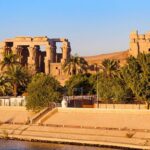
You arrive in Kom Ombo for the dual temple of Sobek and Horus. The idea of a dual temple is interesting because it links two divine themes—crocodile Sobek and falcon Horus—into one temple complex. This stop is a nice contrast after Abu Simbel’s grand statement: it’s still impressive, just different in feel.
Edfu: Temple of Horus and the horse carriage ride
Next comes Edfu, where you visit the Temple of Horus, widely recognized as one of the best-preserved Egyptian temples in the region. The itinerary also includes an Edfu horse carriage ride with your guide. That’s not just a novelty. It helps break up the day and gives you a local-style approach to getting around.
Then the cruise time returns. You’ll relax on deck while sailing, and you’ll cross the Esna lock. You also have afternoon tea on the sundeck and lunch on board, so you’re not stuck waiting around between activities.
Possible drawback on Day 2: Abu Simbel is worth it, but it’s early and the day is packed. If you hate mornings, this tour will still ask something of you. The good news is you’re not stuck doing it alone—pickup and timing are handled.
A few more Aswan tours and experiences worth a look

Day 3: Luxor Temple at dusk, then Karnak’s scale
Day 3 shifts you into Luxor with a classic two-part East Bank plan.
In the late afternoon, you arrive at your cruise dock and are transferred to Luxor Temple on the East Bank. You’ll see how ancient Egyptian, Christian, and Islamic features appear in the same area. That mix can be startling in a good way, because it reminds you these sites weren’t “frozen in time.” People kept using and reshaping sacred spaces.
Dinner is on board, and the plan includes a belly dancing show. I treat this as “a cultural add-on,” not the main event. If you enjoy performance arts, it’s a pleasant way to end a temple-heavy day. If you don’t, it still functions as a relaxed break before another big site.
Karnak: the biggest temple stop in the itinerary
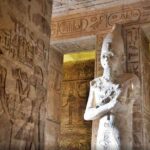
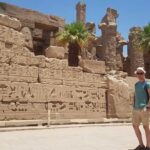
Next is Karnak Temple, where you get a real sense of scale. You’ll see the avenue of sphinxes of King Ramses II, the hypostyle room with 134 columns, plus obelisks and a large sacred lake of ancient Egypt. This is one of the places where words struggle. The size makes you look longer than you planned.
Karnak is also a good reminder that Egypt’s temples weren’t just buildings. They were symbolic machines: processional routes, courts, ceremonial spaces, and wall programs that explained power and belief.
What to watch for: Karnak can feel visually dense. If you want photos, pace yourself. Take some wide shots first, then slow down for details. Otherwise your camera will grab everything and your brain won’t keep any of it.
Day 4: West Bank icons—Valley of the Kings, Hatshepsut, Memnon
Day 4 is all about the West Bank in Luxor. This is where the tour hits the famous necropolis story, and it does it in a logical order.
After breakfast, you visit the Theban necropolis and the Valley of the Kings, where more than 60 pharaohs have their resting places carved into the mountain cliffs. Even if you don’t know the names, the setting does the job. The cliffs and rock-cut tomb concept make royal burial feel like a major landscape project.
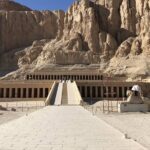
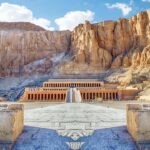
Next is the Temple of Hatshepsut. Hatshepsut’s temple stands out because it feels built to last and to project authority. It’s a strong pairing after the Valley of the Kings because you shift from tomb geography to temple ceremony.
Then you’ll see the Colossi of Memnon, described as the only remains of the funerary temple of Amenophis III. This is another scale moment. Two standing figures can’t compete with a full complex—but they also can’t be ignored. They’re like the last chapter of a much bigger story.
Possible drawback on Day 4: walking and viewing are front and center. You’ll want comfortable shoes and a water plan, especially if your travel dates land in hotter months.
Price and value: what $565 covers (and what to budget)
At $565 per person, this tour sits in the midrange for a 4-day Nile plan that includes a floating hotel stay and a full guided itinerary. The value comes from the combination of:
- Cruise lodging across multiple nights
- Guided visits in Aswan and Luxor
- A day trip to Abu Simbel
- Included breakfast, lunch, and dinner
Where you should pay attention is what’s not included. Tipping (for guide, driver, and Nile cruise) isn’t included, and entrance fees/tickets are also listed as not included.
There’s one small confusing note in the schedule: many stops show admission ticket as free. Since the tour also states tickets are not included, I’d treat that as a “confirm before you go” item. Ask for clarity in writing (or check your final voucher) so you know what you’ll pay on the day versus what’s already covered.
The little value-add that matters: the human factor
One of the standout pieces of feedback is the guide experience. The guide Mohamed was singled out as knowledgeable and friendly, and that kind of guidance makes temple visits much easier to enjoy. When someone can connect what you’re seeing to why it mattered, the sites stop being just photos.
And because the group is capped at 15, you’re more likely to get real answers instead of quick, robotic explanations.
Logistics that make the plan easier than it sounds
Your start point is Aswan Railway Station, and the meeting location includes the Nile corniche area (the address is provided). Your tour wraps in Luxor, and at the end of the cruise the guide takes you to the airport.
Pickup is offered. The Abu Simbel day specifically includes pickup at around 4:30. That early timing is exactly why a guided tour beats “winging it.” You’re less likely to waste half the day in transit.
You’ll also receive a mobile ticket, which reduces hassle when you’re juggling passports, money, and day bags.
Finally, this trip is designed for most travelers, and it runs with a weather condition note: the experience requires good weather. If poor weather cancels it, you’ll be offered a different date or a full refund.
What to pack for temple days and a Nile deck
I always think of Egypt packing in two modes: dusty sun for temples, and comfort for the cruise.
Bring:
- Comfortable walking shoes
- Sunscreen and a hat (you’ll be outside for long stretches)
- Sunglasses and a refillable water bottle
- Light layers for early mornings and for time near deck areas
Plan for photos too. In temples, lighting can be tricky, and in the outdoor sites you’ll deal with bright glare. If you can, take a few early wide shots, then switch to slower detail shots as the light changes.
And don’t ignore money planning for the “not included” costs: tips and entrance fees/tickets. If you show up without that buffer, you’ll spend mental energy late in the day when you want it to stay on the sights.
Should you book this Aswan to Luxor and Abu Simbel cruise?
You’ll enjoy this tour if you want:
- A guided temple itinerary that links Aswan and Luxor
- Included meals and a floating hotel stay, so you’re not constantly moving hotels
- A serious highlight day at Abu Simbel, plus major Luxor and West Bank sights
- A smaller group experience (up to 15), where the guide can actually help
I wouldn’t pick this tour if:
- You hate early starts and long days, because Day 2 begins around 4:30
- You prefer a fully self-paced style, since the tour runs to a schedule and includes transfers
- You don’t want to manage extra day-of costs like tipping and entrance fees/tickets
If your goal is to see the classics in a way that’s organized, guided, and good value for what’s included, this is a strong option.
FAQ
How long is the cruise?
It runs for 4 days (approx.) from Aswan to Luxor, including an Abu Simbel day trip.
Where does the tour start and end?
The tour starts at Aswan Railway Station and ends in Luxor. At the end, the guide takes you to the airport.
Is pickup included?
Yes. Pickup is offered, and the Abu Simbel day includes driver pickup around 4:30.
What meals are included?
The tour includes breakfast, lunch, and dinner.
Are entrance fees and tickets included?
No. Entrance fees and tickets are not included, and tipping is also not included.
What group size is this tour?
It has a maximum of 15 travelers.
What is the cancellation policy?
You can cancel for a full refund if you cancel at least 24 hours before the experience’s start time. Free cancellation is available, and weather-related cancellations also come with options.
Do you get a mobile ticket?
Yes. The tour includes a mobile ticket. Confirmation is received at booking time.
You Might Also Enjoy

More 4-Day Experiences in Aswan
More Boat Tours & Cruises in Aswan
- 4-Days Nile Cruise From Aswan To Luxor including Abu Simbel and Hot Air Balloon
★ 5.0 · 3,142 reviews
More Tour Reviews in Aswan
- 4-Days Nile Cruise From Aswan To Luxor including Abu Simbel and Hot Air Balloon
★ 5.0 · 3,142 reviews