REVIEW · CAIRO
Private Tour: Giza Pyramids, Sphinx, Memphis, Dahshur
Book on Viator →Operated by South Sinai Travel · Bookable on Viator
Pyramids feel personal with your own guide. You get a private Egyptologist who keeps the day focused on the Sphinx, Memphis, Dahshur, and the Giza pyramids, with hotel pickup and air-conditioned rides. I love the freedom to set your pace, and I especially like that one pyramid interior is possible at extra-cost pyramid entry, but plan for optional add-ons like camel rides and shopping that can eat time.
This is a smart way to see the big hits without feeling rushed by a giant bus schedule. I also like the mix: wide-open Giza views, then the “old capital” feeling of Memphis, then the “why does this pyramid look different?” lessons at Dahshur. Expect a long but satisfying day starting at 9:00 am, usually around six hours total.
In This Review
- Key Things I’d Plan Around
- What This Private Giza–Sphinx–Memphis–Dahshur Day Really Delivers
- Hotel Pickup, Air-Conditioned Rides, and the 9:00 AM Start
- Giza Plateau: Khufu, Khafre, Menkaure, and the Pyramid-Entry Decision
- Great Sphinx and the Mummification Temple Ruins
- Memphis: Ramses II’s Fallen Colossus and a Real Old Capital Feeling
- Dahshur’s Step vs True Pyramids: What You’ll Actually Notice
- Dr. Ragab Papyrus Institute: Educational Stop or Time-Sink for You?
- Price and Value at $177.48: What’s Included, What’s Not, What Can Cost Extra
- Is This Tour Better as a Private Day?
- Who Should Book This Tour (and Who Might Prefer Another Pyramid Focus)?
- Should You Book This Private Giza, Sphinx, Memphis and Dahshur Tour?
- FAQ
- FAQ
- What sites does this private tour include?
- Can I enter the interior of a pyramid?
- Are entrance tickets included?
- Is hotel pickup and drop-off included, and when does the tour start?
- Is lunch included?
- Is there an extra fee if I want a language other than English?
- Are there additional costs for pickup from certain regions?
- Can I cancel for a full refund?
Key Things I’d Plan Around
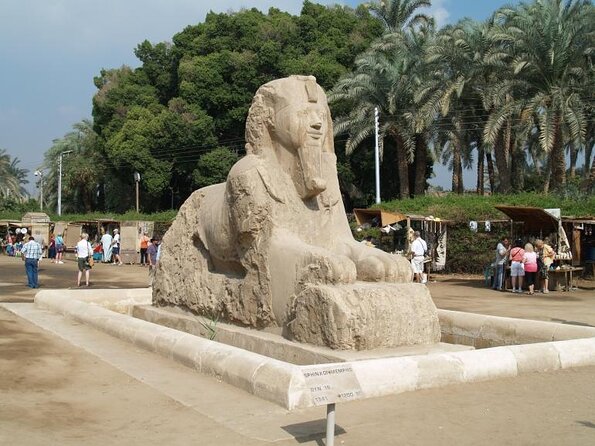
- Private pacing across Giza, Memphis, and Dahshur so you can linger where you care most
- One pyramid interior option for an extra charge, with no guide inside
- Great Sphinx area time plus a look around the Mummification Temple ruins
- Memphis stop that feels real, including the fallen Ramses II statue
- Dr. Ragab Papyrus Institute is optional, but it can turn shopping into something you understand
- Merchants and optional rides are part of the scene, so decide ahead of time what you want to say yes or no to
What This Private Giza–Sphinx–Memphis–Dahshur Day Really Delivers
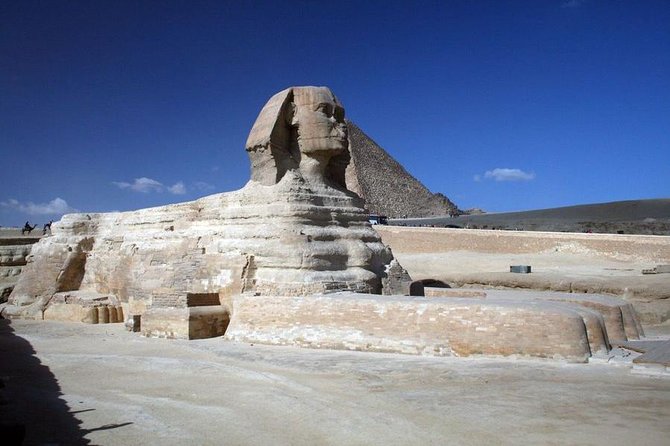
This tour is built for people who want the highlights of the Giza area and the surrounding “pyramid story” without the usual crowd chaos. The private Egyptologist approach matters. It means you can ask questions in plain language, get the timeline straight, and adjust the time at each stop instead of watching the clock until the bus honks again.
Two things make it especially attractive. First, you see the three famous pyramids of Giza from the outside, then you choose whether to pay to enter one pyramid. That decision is personal: some people want the inside experience; others are happy with the exterior views and photos. Second, the day doesn’t stop at Giza. Memphis gives you a sense of how Egypt’s power center moved, and Dahshur explains why the pyramid designs changed over time.
The main trade-off is that the day includes optional extras and “pay-to-play” moments. Even if the core tour is set, you’ll still face choices like pyramid entry, Papyrus Institute browsing or purchases, and the constant presence of camel/horse vendors. It’s not bad, it’s just reality—so decide your priorities early.
You can also read our reviews of more private tours in Cairo

Hotel Pickup, Air-Conditioned Rides, and the 9:00 AM Start
This tour starts at 9:00 am with hotel pickup and drop-off. You ride in air-conditioned minivans, which is a real comfort boost in Cairo’s heat. In terms of timing, the day is long enough to feel full, but the routing is efficient: Giza first, then Memphis, then Dahshur, with the Papyrus Institute stop as an extra option you can accept or skip.
One quiet win: a private setup often reduces dead time. People have specifically praised the professionalism of drivers and guides, including names like Moufassa and Osama, for keeping things moving and organized. Another guide name that came up is Khaled Lotfi, noted for being very informative. Even if your guide differs, the format is designed so you’re not waiting around to meet a tour group.
Practical tip: wear closed-toe shoes. You’ll be on uneven ground, and you’ll walk more than you think—especially if you choose pyramid entry.
Giza Plateau: Khufu, Khafre, Menkaure, and the Pyramid-Entry Decision
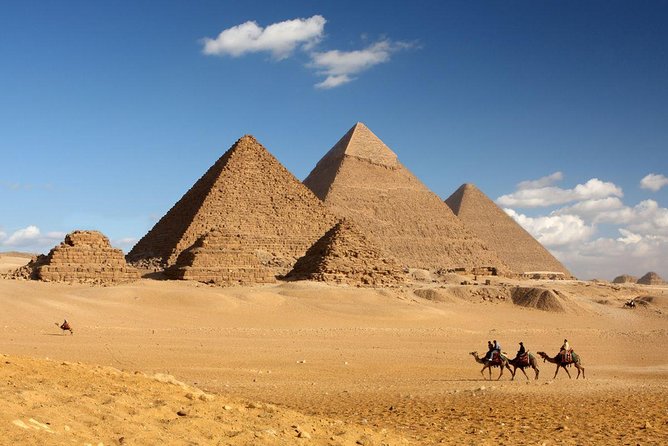
At Giza, you start by seeing the three exterior pyramids: Khufu, Khafre, and Menkaure. Your Egyptologist guide focuses on what you’re looking at and why these structures matter. This is where the “big picture” comes together fast, because you can stand in the same place and compare the shapes, scale, and positioning.
Then comes the big choice: entering one pyramid interior costs extra. The guide won’t go inside with you. That’s standard here, and it’s important for your expectations. You’ll likely need to buy or have the ticket handled in advance through the operator, since entry tickets can sell quickly.
A very real inside-pyramid note: plan for the physical side. One person flagged that you need to bend low and climb a steep ramp that feels like stairs. If you’re uncomfortable with tight spaces, steep steps, or getting down on low surfaces, consider skipping interior entry and focusing on exterior viewpoints and photos.
Also, be aware of ticket limits. One review mentioned only 300 people are allowed inside per day, split into 150 morning and 150 afternoon. That’s why being on time matters for the inside option.
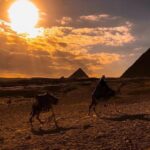
Now, a heads-up about the vendor scene. The Giza Plateau and Sphinx area attract persistent merchants. People described hasslers who try to frame items as gifts and then ask for money. You can handle this calmly: keep your answers short, don’t accept items you don’t want, and set your boundaries early. If you want a camel or horse ride, negotiate the price instead of assuming the first offer is fair.
If you want maximum photo value, aim to spend your “inside decision” time wisely. Once you commit to the pyramid entrance, you’ll lose some flexibility outside—but you gain a memorable, firsthand look at how visitors experience the structure.
Great Sphinx and the Mummification Temple Ruins
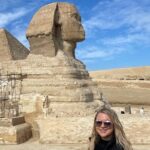
The stop at the Great Sphinx is where the day turns from “pyramid shapes” to “Egyptian icon.” From the feet of the Sphinx, your guide explains the famous lion body with a king’s head. It’s the kind of view that’s instantly recognizable, yet it still makes more sense when you have someone translating the context for you.
You’ll also have time to explore the surroundings, including ruins connected to the Mummification Temple area. This part helps break the day into something more than postcard moments. The ruins are not as dramatic as the Sphinx itself, but they give a sense that Giza wasn’t just one monument—it was a working sacred landscape.
Practical tip: bring water and take short breaks. This area can feel open and exposed, with limited shade in places.
Also, don’t expect a perfectly “quiet” visit. You’ll be near other groups and constant activity. The private guide helps here because they can point out what’s worth your attention while keeping you moving efficiently.
Memphis: Ramses II’s Fallen Colossus and a Real Old Capital Feeling
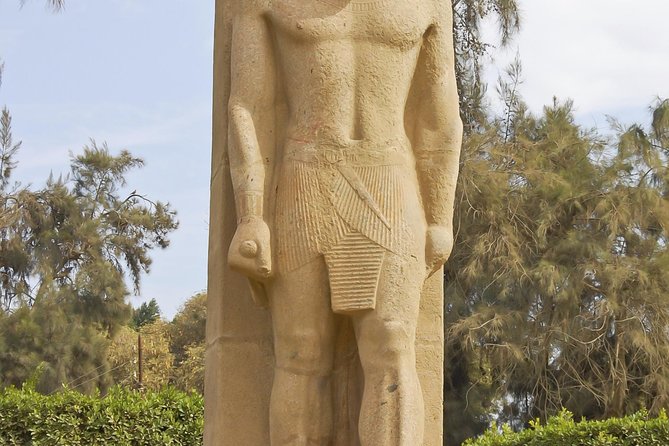
Memphis is the turn you don’t want to skip. Giza gives you the early pyramid world, but Memphis brings the story forward into an active capital with rulers leaving their mark in stone.
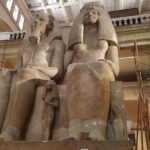
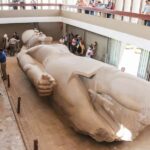
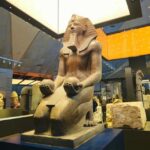
Your time here includes seeing artifacts and highlights like a huge fallen statue of Ramses II. That alone can change how you see the rest of Egypt’s monuments. It’s not about pyramids anymore—it’s about leadership, legacy, and how empires narrate themselves through objects.
This stop is also a good pacing break. After hours of intense focus on Giza, Memphis feels grounded and more relaxed, even though you’re still walking around a historic site. If you love understanding how different periods connect, this is a solid part of the itinerary.


Dahshur’s Step vs True Pyramids: What You’ll Actually Notice
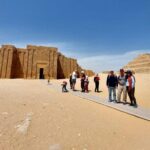
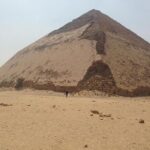
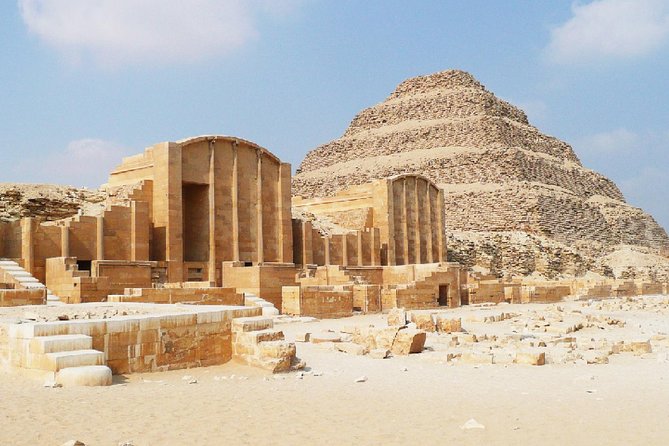
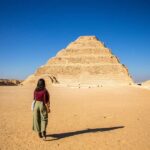
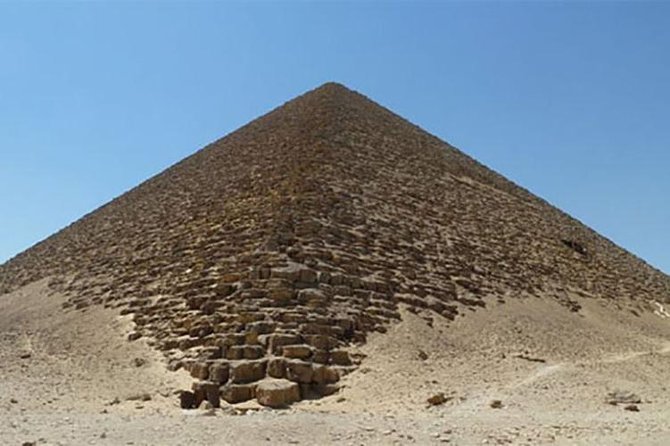
Dahshur is where the “why do pyramids look different?” lesson becomes obvious. Your guide explains the difference between the step pyramid style and the true pyramid design that emerged during the 3rd and 4th dynasties.
You get about a half hour here, which sounds short until you realize the value is mostly in interpretation. Even if you only have a limited window to walk around, your guide’s explanation helps you read the shapes like a visual timeline.
One review comment suggested some people might prefer focusing on Sakkara instead of Dahshur, so this is worth thinking about if you’re choosing between options. On the other hand, another point people made is that a Sakkara-focused guide can connect the dots and even help you see Dahshur from that region if you adjust the route. If Dahshur’s “design evolution” theme excites you, you’re in the right place.
Dr. Ragab Papyrus Institute: Educational Stop or Time-Sink for You?
The Dr. Ragab Papyrus Institute stop is optional in the sense that you can decide on the day. If you do it, you’ll see how papyrus artwork is crafted and you’ll have a chance to purchase items if you want.
This is one of those stops where your enjoyment depends on your shopping tolerance. Some people appreciated that the institute adds context to what you’re seeing. Others found that the extra shopping-style stops can eat into time, especially if you don’t plan to buy anything.
You may also encounter other retail-style stops along the route, like perfume or carpet-related stops, depending on your guide’s approach. If you dislike that kind of detour, you can manage it by being clear with your guide before the day gets rolling.
Practical tip: set a hard limit in your mind. Even if the institute is interesting, you’ll get a better day if you keep the focus on monuments rather than stretching the schedule for purchases.
Price and Value at $177.48: What’s Included, What’s Not, What Can Cost Extra
At $177.48 per person for about six hours, the value mainly comes from three things: a private Egyptologist guide, air-conditioned private transport with hotel pickup/drop-off, and site admissions that are largely covered for the non-pyramid stops.
The included pieces that matter:
- Private Egyptologist guide
- Hotel pickup and drop-off
- Air-conditioned minivan transportation
- Lunch in a restaurant (not always taken by everyone, since some prefer to skip or choose their own meal)
- Some admissions are included at key stops
The big add-ons you should expect:
- Pyramid interior entry costs extra (not included). The interior entry fee was listed as 300 EGP currently, but it can change.
- Language supplement: English guide is included, while a 1000 EGP supplement applies for languages other than English.
- Transfer supplements may apply depending on where you’re staying in Cairo’s regions. One set of notes listed additional charges around 1000 EGP round-trip/car for certain regions.
Now, the real-life value test: if you know you want to go inside one pyramid, the tour makes more sense because the operator is helping structure that option into your day. If you mainly care about exteriors and you hate crowds and add-on costs, you may still love it for the private guide and pacing—but decide early whether interior entry is worth it for you.
And one last cost reality: “shopping stops” and optional rides can pop up during the day. Some people also mentioned surprise expenses connected to camel rides or vendor-arranged stops. Even when the core tour is straightforward, these side activities can add up quickly. If you want predictable spending, tell your guide what you do not want—up front.
Is This Tour Better as a Private Day?
For Giza and the Sphinx area, a private tour can be a big quality upgrade. You’re not stuck walking at someone else’s pace. You’re not waiting for a group to regroup. You can ask for specific photo angles. And when the guide is strong—people mentioned Osama and Khaled Lotfi by name—you’ll get explanations that make the monuments feel less like random stone and more like a story with dates and purpose.
That said, private doesn’t automatically mean perfect. One low-rating example described a guide who didn’t give enough time at major sights and also fell short on walking/seeing expectations. That’s rare, but it’s a reminder to confirm what’s important to you before you go. If walking matters, say so. If you want maximum time at the Sphinx, say so.
Who Should Book This Tour (and Who Might Prefer Another Pyramid Focus)?
Book this if you want:
- A private Egyptologist day that connects Giza, Memphis, and Dahshur
- The option to enter one pyramid interior (and you’re comfortable with steep ramp conditions)
- A structured but flexible schedule where you control time at each stop
This may be less ideal if:
- You hate shopping detours and vendor pressure
- You want a very long, unhurried visit at only one site (Giza can feel time-compressed even with private time)
- You’re debating Dahshur vs Sakkara. One comment suggested Dahshur might not be the best fit for some people’s interests, while Sakkara could be a stronger choice.
If you care most about design evolution, Dahshur is the right theme. If you care most about the earliest pyramid story and want a different angle, you might ask your provider about a Sakkara-focused plan.
Should You Book This Private Giza, Sphinx, Memphis and Dahshur Tour?
I think this is a great pick if you want a smooth, private way to cover the big monuments around Cairo—without sacrificing explanations or comfort. The best version of this day is when your guide is energetic and organized, and the private format lets you spend real time where you care.
If you book, go in with a plan for the two major “decisions”: pyramid interior entry and any optional shopping/ride stops. Decide those before you’re standing in the middle of the action, and you’ll feel in control.
FAQ
FAQ
What sites does this private tour include?
It includes visits focused on the Great Sphinx and the Giza pyramids, plus Memphis and Dahshur. There’s also an optional stop at the Dr. Ragab Papyrus Institute.
Can I enter the interior of a pyramid?
Yes, you can enter one of the pyramids for an additional cost. The guide is not permitted to escort you inside.
Are entrance tickets included?
Entrance tickets are listed as free for the Giza Plateau and admission ticket free for the Great Sphinx area. Admission for Memphis, Dahshur, and the Dr. Ragab Papyrus Institute is included, while the pyramid interior entry is not included.
Is hotel pickup and drop-off included, and when does the tour start?
Yes, hotel pickup and drop-off are included. The tour start time is 9:00 am.
Is lunch included?
Lunch in a restaurant is included as part of the experience, and there is also mention of a lunch option available.
Is there an extra fee if I want a language other than English?
Yes. English is included, and a supplement of 1000 EGP applies to all languages except English.
Are there additional costs for pickup from certain regions?
Yes. Transfer supplements can apply depending on the region, including notes about additional 1000 EGP round-trip/car for multiple areas listed.
Can I cancel for a full refund?
Yes. You can cancel for a full refund if you cancel at least 24 hours before the experience’s start time. If you cancel less than 24 hours before, the amount paid is not refunded.