REVIEW · ASWAN
Exclusive nile cruise aswan to luxor
Book on Viator →Operated by LuxorPrivateTour · Bookable on Viator
Four days, three times the wow. This private Nile cruise strings together Egypt’s biggest hits from Aswan to Luxor, with a Egyptologist guide keeping the story straight as you hop temple to temple along the river. You’ll see Philae and its relocation story, reach the famous Abu Simbel complex, then work your way through Edfu, Luxor, Karnak, and the West Bank’s royal tomb landscape.
I love how much is handled for you: you get private transportation plus entrance coverage for the main sightseeing. I also like the “sleep and wake on the Nile” rhythm, with onboard meals built in (breakfast, lunch, and dinner days are planned) so you’re not constantly chasing the next transfer.
One drawback to plan for is the early-morning grind. Abu Simbel starts with a 03:30 pickup, so this is best if you’re okay trading extra sleep for the clearest chance to experience that temple spectacle.
In This Review
- Key highlights at a glance
- Why an Aswan-to-Luxor Nile Cruise works (especially with a private guide)
- Philae Temple and Agilkia: the UNESCO story you can actually walk through
- The Abu Simbel morning: worth it, even with the 03:30 pickup
- Edfu and Luxor Temple: Horus to Amun (with a Ptolemaic stop that’s easy to love)
- Karnak Temples: when Amun, Mut, and Khonsu become real
- West Bank essentials: Valley of the Kings, Hatshepsut’s temple, and the Colossi
- Price and logistics: what $1,233 buys you here
- Who this Nile cruise suits best
- Should you book this Aswan to Luxor cruise?
- FAQ
- What is the duration of this Aswan to Luxor Nile cruise?
- Is this a private tour?
- Do I get pickup in Aswan?
- What sights are included on the route?
- Are entrance fees included?
- Is WiFi available on board?
- What transportation is provided?
- Are meals included?
- What’s the main cost and what is not included?
- FAQ
- Is free cancellation available?
- What if the weather is poor?
- Are children eligible and is there a child price?
- What happens at the end of the experience?
Key highlights at a glance
- Philae at Agilkia Island: the UNESCO Nubia Campaign relocation story comes to life in the temple ruins.
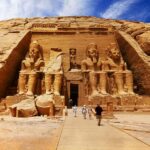
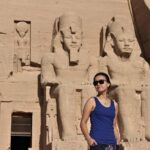
- Abu Simbel’s two temples: Ramesses II and Nefertari’s sanctuary sit side-by-side, with a strong sun-temple theme.
- Edfu’s Horus temple: one of Egypt’s best-preserved Ptolemaic temples, devoted to Horus.
- Karnak plus Luxor Temple in one flow: you’ll connect Amun (and family) to the sacred river-city layout.
- West Bank classics in a tight morning: Valley of the Kings, Hatshepsut’s mortuary temple, and the Colossi of Memnon.
Why an Aswan-to-Luxor Nile Cruise works (especially with a private guide)
Taking the Nile north is more than a scenic ride. It’s an efficiency move. Instead of doing separate hotel check-ins and juggling long drives every day, the cruise keeps you in one “home base” while the itinerary pulls the best sights into your day.
What makes this particular format feel solid is the private Egyptologist guide. You’re not just looking at carved walls. You get the who/what/why for each stop—temple gods, dynasties, and why these places were built where they were. That matters most on first-timer routes like this, where everything can start to blur if you’re left to figure it out on your own.
Price is about what gets included, not just the headline number. At $1,233.34 per person for an approx. 4-day plan, you’re paying for the total package: onboard accommodation (3 nights), air-conditioned private transport, entrance fees for the Luxor/Aswan sightseeing, plus airport/departure tax and onboard WiFi. If you’ve ever priced out tickets, guides, and private transfers separately in Egypt, you’ll see why package value matters.
You can also read our reviews of more boat tours in Aswan
- 4-Days Nile Cruise From Aswan To Luxor including Abu Simbel and Hot Air Balloon
★ 5.0 · 3,142 reviews

Philae Temple and Agilkia: the UNESCO story you can actually walk through
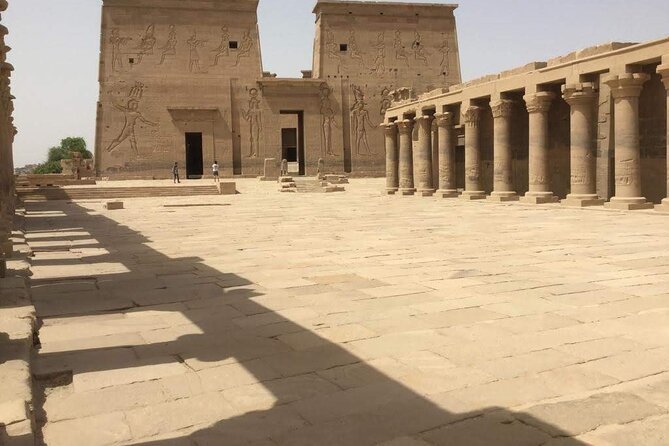
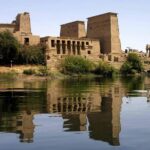
Philae Temple is dedicated to goddesses of love and beauty, and it’s also famous for the rescue mission that saved it from flooding. What you’re seeing today is tied to the UNESCO Nubia Campaign, when temple complexes were dismantled and relocated to nearby Agilkia Island before the Aswan High Dam project was completed.
That relocation detail isn’t trivia. It changes how you feel when you stand in front of the structures. You’re not only seeing ancient worship spaces—you’re also seeing a modern decision to protect them. On a good day, it makes the whole region feel connected: geology, engineering, and preservation all sitting in the same view.
Practical note: Philae is a temple-complex visit, so you’ll want comfy shoes and a water plan. The route is straightforward, but you’ll be outside more than you think, especially when light and crowds start moving.
The Abu Simbel morning: worth it, even with the 03:30 pickup
Abu Simbel is the kind of place that forces you to slow down. The scale is big, and the symbolism is hard to miss. In this plan, you leave Aswan extremely early—your guide picks you up at 03:30 am from your lodge, then you travel by deluxe car to see the complex.
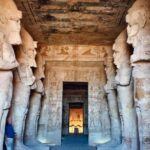
The highlight isn’t just one temple. It’s the pair: two Abu Simbel temples closely linked in purpose and timing. One is associated with Ramesses II, often described in the tour framing as a sun-temple idea. The other is the temple connected to Nefertari, with the sanctuary dedicated to Hathor (the tour specifically calls it the Sanctuary of Hathor). It’s an architectural statement that pairs political power with divine devotion.
Timing matters here. You’re doing a long day (the schedule places Abu Simbel as a full commitment), and the payoff comes from seeing it as an event rather than a quick stop. If you’re the type who hates early alarms, this is your test. If you can handle it, you’ll be rewarded with the best shot at experiencing the temples at their most dramatic moment.
Edfu and Luxor Temple: Horus to Amun (with a Ptolemaic stop that’s easy to love)
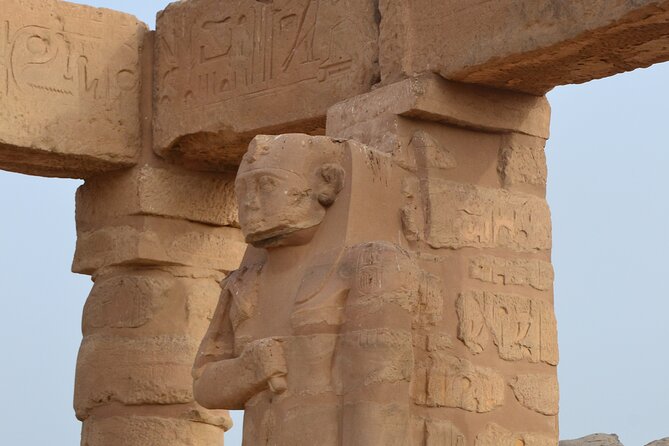
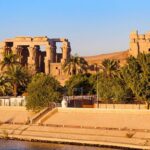
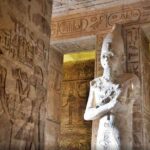
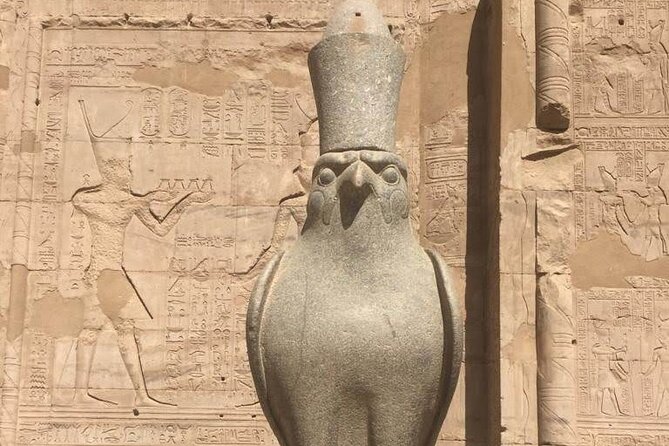
After onboard breakfast, the day shifts to Edfu. You’ll visit the Ptolemaic Temple in Edfu, and the tour specifically points out that it’s one of the best-preserved temples in the area. That’s a big deal. Many ancient sites give you fragments; Edfu gives you a “readable” temple.
The reason it feels different is the subject. This temple is devoted to god Horus. Even if you don’t know the full mythology beforehand, a dedicated Horus setting helps your brain organize what you’re seeing: the motifs, the symbolism, the repeated themes. It makes the carvings feel less random.
Then it’s onward to Luxor Temple. The schedule positions this as an afternoon drive, followed by more sacred highlights. Luxor Temple pairs well with Karnak later because they work like two sides of the same sacred coin—city-life ritual versus massive complex worship.
Food and pacing note: lunch is planned on board, and dinner is planned back on the cruise day. That matters because it lowers decision fatigue. You’re not hunting for meals between monuments, and you keep your energy for the next set of walls to read.
Karnak Temples: when Amun, Mut, and Khonsu become real
Karnak is where many people finally understand the scale of Egyptian temple-building. The tour route connects Karnak Temple with Amun, his wife Mut, and their son Khonsu. That triad matters because it tells you this wasn’t a single-monument worship area. It was a whole system.
What I like about this stop in a private-guided format is the logic. On your own, Karnak can become “big ruins, lots of columns.” With an Egyptologist guide, you can start tracking the relationships: who is worshipped, what role the temple complex plays, and how that fits into Luxor’s religious geography.
Plan for time. Even when the itinerary sounds tight, Karnak can swallow an afternoon. It’s not just walking; it’s looking, then re-looking. If you’re sensitive to heat, bring sun protection and take short breaks when you can. Karnak is impressive, but it’s also exposed in many sections.
- 4-Days Nile Cruise From Aswan To Luxor including Abu Simbel and Hot Air Balloon
★ 5.0 · 3,142 reviews

West Bank essentials: Valley of the Kings, Hatshepsut’s temple, and the Colossi
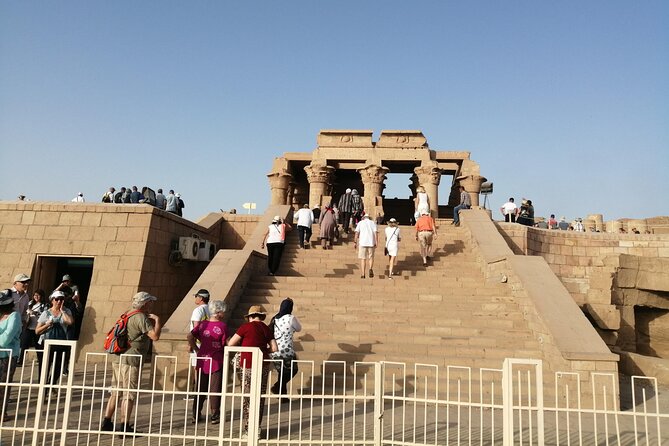
The last day focuses on Luxor’s West Bank. This is where the atmosphere shifts from monumental temples to royal memory—tombs, mortuary temples, and statues built to last.
You’ll start at the Valley of the Kings. The tour frames it clearly: these are the historical tombs of New Kingdom kings. That “New Kingdom” label helps a lot, because it places what you’re seeing in the broader timeline. It also sets expectations: these aren’t tombs from random centuries. They’re connected to a very specific era of power.
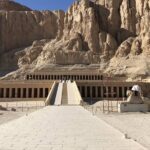
Next comes Hatshepsut’s temple. The tour calls it the only female temple in Egypt, built by Hatshepsut, the daughter of Thutmosis I, during the 18th Dynasty (the schedule gives the date range). Even if you know Hatshepsut only by name, the visit gives you a concrete sense of how she wanted to be remembered—through architecture and ritual space.
Then you finish with the Colossi of Memnon. These are described in the itinerary as the mortuary tomb of Amenhotep III. That’s the right mental frame: these statues aren’t isolated landmarks. They’re part of a planned memorial complex meant to represent royal presence long after death.
By the end of a West Bank day, your feet feel it. Your eyes also feel it. You’ve been through tomb and temple worlds back-to-back, and they each hit differently. The payoff is that you’re not only seeing famous sites—you’re seeing the full range of how ancient Egyptians used sacred spaces.
Price and logistics: what $1,233 buys you here
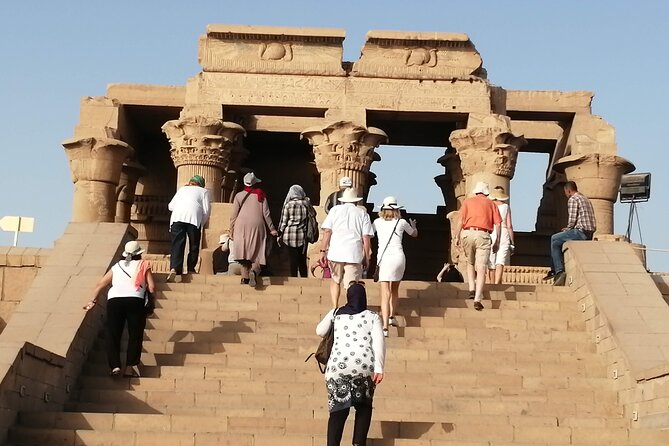
Let’s talk value in plain terms.
You’re paying for a tight, high-coverage circuit, and the plan protects you from common Egypt-trip headaches:
- Private transportation with an air-conditioned vehicle.
- Onboard accommodation for 3 nights on the Nile cruise (not just day tours).
- Entrance fees for the sightseeing in Luxor and Aswan are included.
- Airport/departure tax coverage is included.
- WiFi on board is included, which helps when you want to check emails or plan your next steps without hunting signal.
- The trip includes a private Egyptologist tour guide joining you across multiple days.
What’s not included is also clear: tipping and any extras not mentioned. That’s normal in Egypt, but you should still budget for it so it doesn’t surprise you.
One more practical note: the experience is weather-dependent. That doesn’t mean you’ll lose the trip every time, but it’s a reminder to plan with flexibility if you’re traveling during uncertain conditions.
Who this Nile cruise suits best
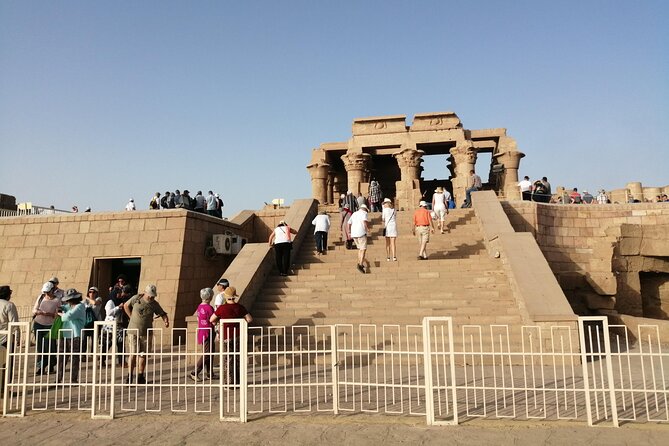
This is a great fit if you want:
- A first-time Egypt route that covers major classics without you running the logistics.
- A private guide experience, where temple explanations are part of the value, not an afterthought.
- A “see in daylight, sleep on the river” rhythm that keeps you from packing and unpacking too often.
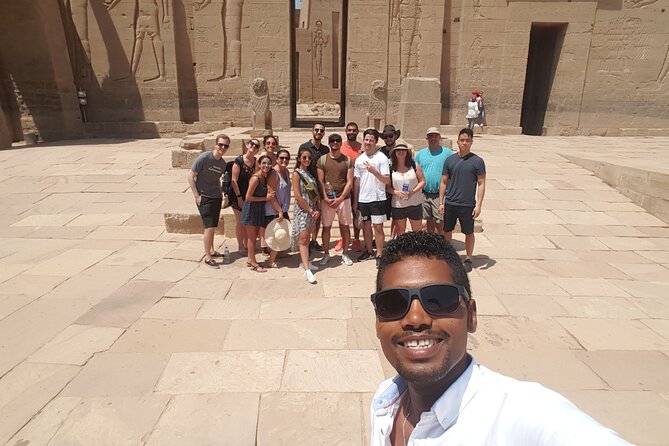
It’s also ideal if you like having a manager who stays involved. In the feedback you’ll find names like Ashraf and support that shows up as punctual transfers and careful problem-solving. There’s also a recurring theme about guides being strong communicators—people specifically mention English-speaking guides, plus one guide, NAGY, who speaks Spanish and is described as friendly and professional.
If you’re the kind of traveler who hates early mornings, you might want to rethink because Abu Simbel starts the day at 03:30 am. Still, if you can handle it, you’ll get the kind of “I can’t believe we’re here” day that becomes a highlight.
Should you book this Aswan to Luxor cruise?
I think you should book it if your priorities are coverage, guided understanding, and low hassle. This itinerary hits Philae, Abu Simbel, Edfu, Luxor and Karnak, plus the West Bank’s biggest trio: Valley of the Kings, Hatshepsut’s temple, and the Colossi of Memnon. And you’re doing it on a Nile cruise format with accommodation included, plus entrance fees and private transport.
I’d pass or adjust if early mornings will genuinely ruin your vacation. Abu Simbel is the centerpiece and it demands a tough start. Also, if you want a very slow travel pace with lots of unscheduled free time, this route is more “planned and full” than “wander and linger.”
If you can handle one pre-dawn day and you want the best-known Egypt highlights connected into one smooth northbound trip, this one is a strong match.
FAQ
What is the duration of this Aswan to Luxor Nile cruise?
It’s listed as approximately 4 days.
Is this a private tour?
Yes. It’s a private tour/activity, meaning only your group participates.
Do I get pickup in Aswan?
Yes. Pickup is offered from your hotel in Aswan, or from Aswan airport or Aswan train station. You’re asked to send arrival details.
What sights are included on the route?
The plan includes Philae Temple, Abu Simbel, Edfu, the Temple of Luxor, Karnak Temples, the Valley of the Kings, Hatshepsut temple, and the Colossi of Memnon.
Are entrance fees included?
Yes. Entrance fees for sightseeing in Luxor and Aswan are included.
Is WiFi available on board?
Yes. WiFi on board is included.
What transportation is provided?
You get private transportation, including an air-conditioned vehicle.
Are meals included?
Breakfast, lunch, and dinner are scheduled on board on the days described (for example, onboard breakfast before Edfu and West Bank, and lunch on board on the Edfu day).
What’s the main cost and what is not included?
The price is listed at $1,233.34 per person. Tipping and any extras not mentioned are not included.
FAQ
Is free cancellation available?
Yes. You can cancel up to 24 hours in advance for a full refund.
What if the weather is poor?
The experience requires good weather. If it’s canceled due to poor weather, you’ll be offered a different date or a full refund.
Are children eligible and is there a child price?
Yes. Children ages 3–11 pay 50% of the service price.
What happens at the end of the experience?
The activity ends back at the meeting point, and the tour includes transfer to Luxor Airport or Luxor train station.
You Might Also Enjoy

More Boat Tours & Cruises in Aswan
- 4-Days Nile Cruise From Aswan To Luxor including Abu Simbel and Hot Air Balloon
★ 5.0 · 3,142 reviews
More Tour Reviews in Aswan
- 4-Days Nile Cruise From Aswan To Luxor including Abu Simbel and Hot Air Balloon
★ 5.0 · 3,142 reviews