REVIEW · ASWAN
4Days 3Nights Nile Cruise from Aswan to Luxor All Tours Included
Book on Viator →Operated by Access Egypt travel · Bookable on Viator
Temple days on the Nile beat the usual grind. This 4-day, 3-night Aswan-to-Luxor cruise wraps private guiding, entry tickets, and ship comfort into one plan, so you spend more time looking and less time sorting logistics. The standout for me is how the history shows up as real places in front of you, from island temples to massive stone giants along the river.
I especially like the mix of big-name sites and special stops that most people skip. Philae Temple feels magical because it sits on an island reached by motor boat, and the guide’s storytelling makes the religious shifts (including the Graeco-Roman rebuild and later Christian presence) make sense in context. I also love the pacing that gives you long boat-and-ship moments between tours, including the Esna Lock experience where you watch the ship get lifted and lowered with the Nile.
One possible drawback: it is a lot of going and seeing, with moderate walking and a few spots where you’ll climb stairs or step into tomb interiors. If you prefer slow sightseeing, you may wish you had extra free time on your own—and remember drinks on the ship are not included.
In This Review
- Key highlights worth planning for
- Why this Aswan-to-Luxor cruise feels easier than flying around
- Day 1: Philae Temple boat ride, High Dam scale, and the Unfinished Obelisk
- Day 2: Kom Ombo’s Sobek temple, Horus at Edfu, and the Esna Lock show
- Day 3: Valley of the Kings, Hatshepsut at Deir el Bahari, and Karnak-to-Luxor lights
- Day 4: Checking out in Luxor with luggage storage and an easy handoff
- Price and what you really get for $690
- The guide factor: why John-style care matters
- Who should book this Nile cruise
- Should you book this tour?
- FAQ
- What is included in the tour price?
- How many days and nights is this cruise?
- Do you visit multiple major temples and sites?
- Is pickup and drop-off included?
- What cruise experience do you get between Aswan and Luxor?
- Is there a group size limit?
- What is the cancellation timeframe?
Key highlights worth planning for
- Philae’s island setting with a motor-boat ride and clear explanations of Isis and Osiris
- Aswan’s High Dam stats that turn a modern landmark into a scale model you can feel
- Unfinished Obelisk viewpoint plus well-made stairs for seeing how granite was cut
- Kom Ombo plus the crocodile museum for a fun, slightly unusual side of Egypt
- Edfu Temple in excellent condition and the way the boat-and-lock segment breaks up the day
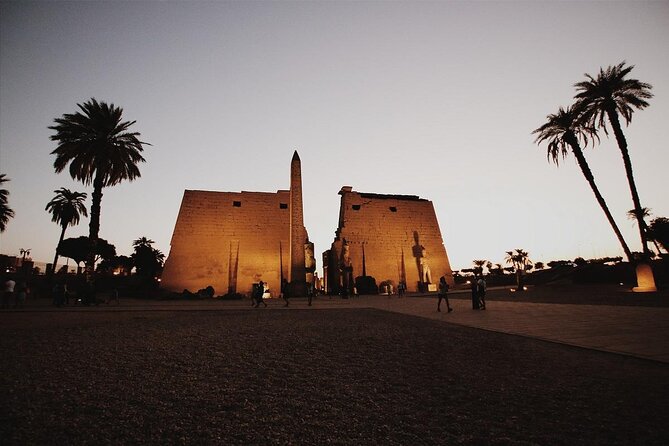
- Karnak to Luxor as one long visual arc of temples, gates, and processional ways
Why this Aswan-to-Luxor cruise feels easier than flying around
This is the kind of tour that works because it removes the constant “now where do we go” pressure. You’re traveling along the Nile instead of bouncing between cities on tight schedules. That matters on first-time Egypt trips, where time goes fast and energy goes faster.
The other win is value-by-structure: your price covers the major cost pieces you’d otherwise piece together yourself. That includes entrance fees, a private professional tour guide, and all meals across the days you’re on tour. You also get water during excursions, which sounds small until you’re sweating in a temple courtyard.
Finally, the group size cap is 20. That’s big enough to feel social, but small enough that your guide can keep track of pace, questions, and meeting points.
You can also read our reviews of more boat tours in Aswan
- 4-Days Nile Cruise From Aswan To Luxor including Abu Simbel and Hot Air Balloon
★ 5.0 · 3,142 reviews

Day 1: Philae Temple boat ride, High Dam scale, and the Unfinished Obelisk
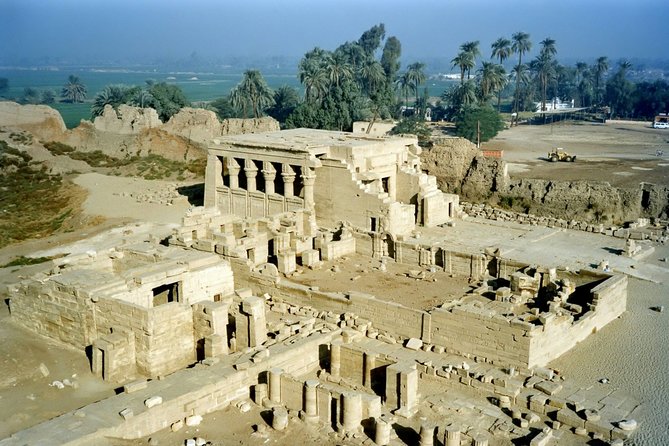
Your day starts with Philae Temple, dedicated to the goddess Isis. The setting is the headliner: the temple sits on an island, reachable only by motor boat. You’ll feel that change of atmosphere right away—moving from normal river banks into a stone sanctuary that has the look of something deliberately placed.
What I’d focus on here is how your guide links story to architecture. You don’t just hear names. You connect why the spot mattered, explore the temple parts at a human walking pace, and get the bigger timeline: rebuilding under Graeco-Roman rule, followed by the appearance of Christianity and the fading of the older religion.
Next comes the modern shock of Aswan High Dam. The tour doesn’t treat it like trivia; it gives you scale: the amount of materials used could build 22 pyramids the size of Giza, and the steel used equals what it takes to build 11 Eiffel Towers. You also learn what the dam created—Lake Nasser, which stretches about 550 km into Sudan. It’s one of the few places where modern infrastructure connects directly to how Egypt controls water and energy.
Then you head to the Unfinished Obelisk in the granite quarry. This stop is for people who like how things are made, not only finished monuments. You’ll see the cuts and understand why the obelisk was left cracked rather than completed. There are well-made stairs so you can climb up for a clearer view of the work marks, which turns the site into an open-air lesson.
By the end of the day, you transfer to your ship and settle in for the cruise segment.
Day 2: Kom Ombo’s Sobek temple, Horus at Edfu, and the Esna Lock show
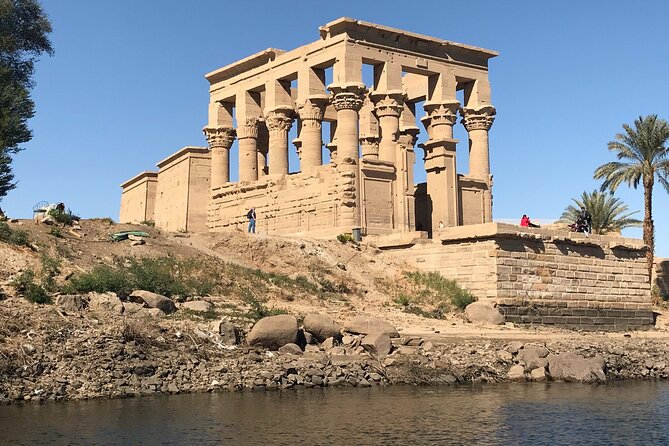
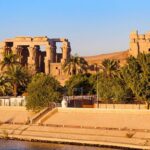
Day 2 has two temple visits that complement each other: Kom Ombo and Edfu. Kom Ombo is dedicated to the crocodile god Sobek, and the details are what make it interesting. Your guide explains why the crocodile was deified there, and you’ll also see how Sobek shares a temple space with Haroreis, a falcon-headed god. Seeing two divine roles tied to one location helps you understand how ancient Egyptians built meaning into geography.
You’ll also visit the crocodile museum, with mummified crocodiles recovered nearby. It’s a rare mix: temple architecture plus a physical collection that gives the animal symbolism a grounded, archaeological angle.
After Kom Ombo, you enjoy the Esna Lock segment. This is one of those “watch it, don’t read it” moments. You’ll see the gates close and the ship adjust to match the Nile’s level ahead. Around the lock, vendors scatter with items like galabeyas, towels, and tablecloths, sometimes tossing them onto the ship if you’re interested. If you prefer quiet, you can ignore it easily, but at least you’ll know it’s part of the scene.
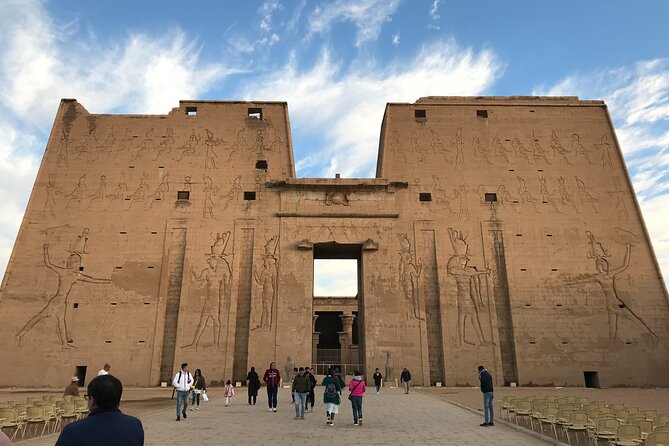
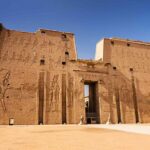
Then you’re off to Edfu. The temple of Horus is halfway between Aswan and Luxor, and the approach feels like a hidden monument because it doesn’t announce itself as loudly as the most famous sites. You’ll travel a few minutes from the ship by horse-carriage or minivan, and when you reach the temple, the scale and condition can surprise you.
Horus’s legend (Isis and Osiris, and Horus’s revenge against Seth) helps make the temple feel like a story told in stone. Edfu is also described as the second largest temple of Egypt and one of the best preserved, rebuilt during the Graeco-Roman era when rulers were trying to establish control.
You’ll finish with sailing time, with the ship carrying you onward toward Luxor.
Day 3: Valley of the Kings, Hatshepsut at Deir el Bahari, and Karnak-to-Luxor lights
Day 3 is the day most people come for, because it strings together the New Kingdom favorites plus the grand temple complexes.
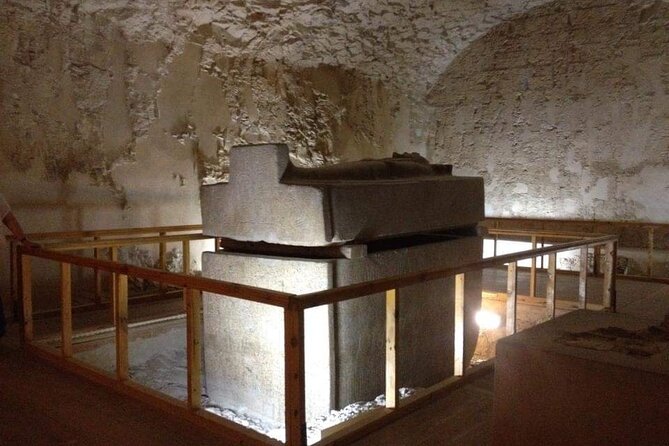
You start at the Valley of the Kings. This place can look like random hills until you step into the tombs. The payoff is the art and vivid painted colors that lasted for thousands of years. Your guide explains how the tombs were prepared and decorated, and you’ll hear about the historical context of why this location became a royal burial ground for centuries.
The stop also brings names into focus: pharaohs like Ramesses II, Tut Ankh Amun, and Seti I are associated with the valley’s major tombs. If you’re visiting for the first time, I’d treat this as your “wow engine,” but also as your best chance to ask questions about what you see inside and why details matter.
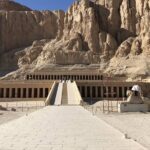
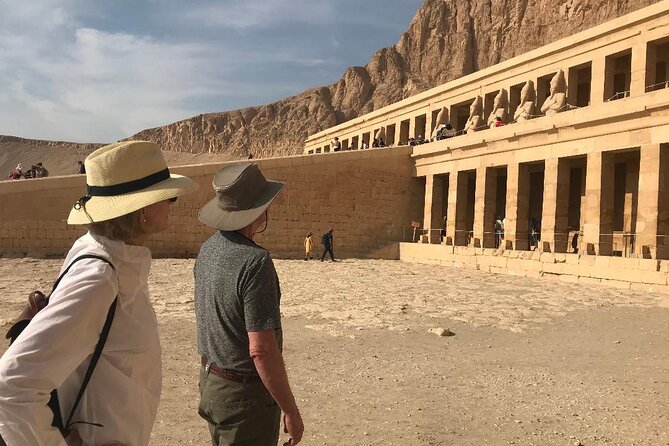
Then you head to Temple of Hatshepsut at Deir el Bahari. Hatshepsut’s temple is described as unique in both design and location. One of the most memorable things here is the connection to Senmut, named as the architect in the story your guide shares. You also learn the arc of her rule—how she became a ruler as a woman, and how later history labels her incorrectly as a queen. The tour also touches on the reality that her successor, Tutmosis III, destroyed parts of the temple. That conflict gives the architecture real emotional weight.
After that, you stop at the Colossi of Memnon. These two enormous statues are what most people recognize, and that’s exactly why they work. Your guide explains that they once flanked the entrance to a mortuary temple of King Amonhotep III, much of which is now in ruins. The statues remain, and you’ll learn why they’re called Memnon using the Greek name.
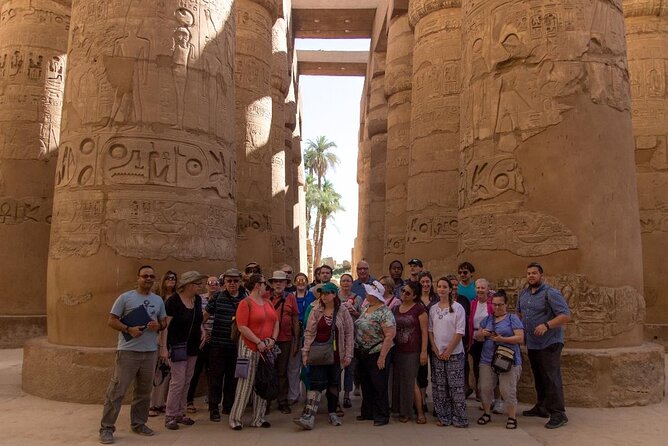
Next you go to Karnak. This is one of those sites that’s hard to grasp until you stand among the gates, sphinxes, and colossal statues. You’re told it covers about 200 acres and holds around 2,000 years of history. The guide focuses on Temple of Amun-Ra as a major anchor point, but the bigger idea is that Karnak works like a giant historical record: you can see how worship and power evolved across centuries.
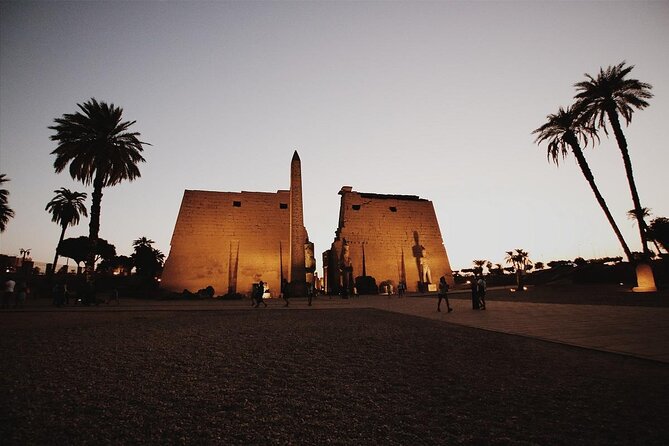
Then you finish with Luxor Temple. It’s presented as a counterpart to the great Amun temple at Karnak, positioned near the Nile in the center of Luxor. You’ll hear that Amonhotep III began the structure, and Ramesses II added major sections, including huge statues of himself and two obelisks. The site also reflects changes across later periods, including Romans, early Christians, and Arabs. Even if you don’t memorize dates, you’ll feel how each era leaves its mark.
You’ll also walk the Avenue of the Sphinxes, the processional link between Karnak and Luxor. This tour notes the idea of festival routes where priests carried the barques of the gods, plus that there are over 2,000 sphinxes in concept along the avenue, with some surviving and some restored. Since modern Luxor expanded, buildings were removed from parts of the avenue, so what you see today comes from a mix of survival and restoration.
Back on the ship, you have an evening with Luxor docked.
Day 4: Checking out in Luxor with luggage storage and an easy handoff
On your final day, you check out at 10:00 a.m. and can still stay on the ship until departure. Your luggage can be stored on board, which helps if you have a late flight, train, or another stop planned.
Then you get transfer support to the airport, train station, or another location in Luxor. It’s a simple ending that avoids the common travel mistake of scrambling after a long sightseeing stretch.
A few more Aswan tours and experiences worth a look


Price and what you really get for $690
At $690 per person for 4 days and 3 nights, you’re buying a mix of items that add up fast if you DIY it. In particular:
- Private tour guiding for the sites you visit (not just a group audio setup)
- Entrance fees to all sites mentioned
- All meals across the days you’re touring, plus water during excursions
- Ship comfort plus the cruise route between Aswan and Luxor
- Pickup offered (and you’ll also have drop-off/transfer help)
The biggest value is not that it’s cheap. It’s that it’s predictable. When drinks and tickets and transport decisions are already handled, your trip runs on the schedule you agreed to, not the schedule of last-minute bargaining.
Still, note what isn’t included: drinks on the cruise ship, personal shopping, and things like tipping/gratitude. If you expect to buy lots of ship drinks, you should budget for that so the final bill doesn’t surprise you.
The guide factor: why John-style care matters
One thing that shows up again and again is the quality of the guide experience. In feedback connected to this kind of program, the name John comes up often, with people describing him as attentive to families and able to handle mixed-age groups with patience.
What that means for you in practical terms: you’ll get clearer explanations inside temples and tombs, more context about what you’re seeing, and smoother coordination with drivers and timing. When Egypt days can feel like a flood of facts, a good guide helps you process what you’re looking at rather than just watching signs go by.
If you want a trip that feels calm and well run, this private-guide setup is a major part of why it works.
Who should book this Nile cruise
This tour is a strong fit if you:
- Want a first-time Egypt plan that connects the dots between sites without stress
- Like guided explanations at each stop, not just wandering
- Prefer a ship stay where you can reset between temple days
- Want a bigger list of major stops (the plan includes 10 sites, with an option to customize)
You might want to think twice if you:
- Need lots of downtime every day (temple time is built into the schedule)
- Have limited mobility or prefer fewer stairs, since you’ll encounter some climbing and indoor tomb walking
- Don’t like group pacing, even with a small max of 20
Should you book this tour?
If you’re weighing this against a more fragmented trip, I’d lean toward booking when you value smooth logistics and a private guide who can turn each stop into something you understand. The strongest reasons are the island temple start, the Esna Lock break in the day, and the way your temples build from Valley of the Kings into Hatshepsut and onward to Karnak and Luxor Temple.
If you’re the type who wants lots of solo time, add it carefully on either end of the cruise so you don’t feel rushed. But for most people, this is a high-value way to see the Nile segment of Egypt without turning the trip into a checklist race.
FAQ
What is included in the tour price?
The price includes all fees and taxes, entrance fees for the sites on the itinerary, water during excursions, a private professional Egyptologist tour guide, and meals (3 breakfasts, 3 dinners, 3 lunches). Drinks on the cruise ship are not included.
How many days and nights is this cruise?
It runs for 4 days and about 3 nights.
Do you visit multiple major temples and sites?
Yes. The plan includes 10 sites, and the tour can be customized to add or change sites.
Is pickup and drop-off included?
Pickup is offered, and on the final day you are transferred to the airport, train station, or another location you choose in Luxor.
What cruise experience do you get between Aswan and Luxor?
You cruise down the Nile with touring stops along the way, including a visit to the Esna Lock while the ship goes through it.
Is there a group size limit?
Yes. The tour has a maximum of 20 travelers.
What is the cancellation timeframe?
You can cancel up to 3 days in advance for a full refund. If you cancel less than 3 full days before the start time, the amount paid is not refunded. The cut-off is based on local time, and poor weather can lead to a cancellation with an option for a different date or a full refund.
You Might Also Enjoy

More Boat Tours & Cruises in Aswan
- 4-Days Nile Cruise From Aswan To Luxor including Abu Simbel and Hot Air Balloon
★ 5.0 · 3,142 reviews

More Tours in Aswan
More Tour Reviews in Aswan
- 4-Days Nile Cruise From Aswan To Luxor including Abu Simbel and Hot Air Balloon
★ 5.0 · 3,142 reviews