REVIEW · CAIRO
5 Days Cairo, Aswan, and Abu Simbel Tour
Book on Viator →Operated by Ramasside Tours · Bookable on Viator
Pyramids, dams, and sunrise temples in five days. This Cairo-to-Aswan route ties together major sights with flight time and a guide team built for fast, clear explanations. You’ll move between the big landmarks with admissions included, so your day isn’t stuck on ticket lines.
I like two things most. First, you get a professional Egyptologist guiding you through the same places you’d otherwise spend hours trying to understand on your own. Second, the trip handles the logistics that usually add stress, like Cairo airport pickup and internal flights to Aswan.
One consideration: the Abu Simbel day is long, with an early transfer and a several-hour visit window. If you hate early mornings, you’ll need to mentally prep for that rhythm.
In This Review
- Key points worth knowing before you go
- Why this Cairo-Aswan-Abu Simbel route makes sense on a tight clock
- Airport pickup in Cairo: how the first hours are handled
- Hotel comfort (and meal basis) for a smoother stay
- Day 1 in Cairo: settle in before the big monument days
- Giza and the Sphinx: the one-day Cairo blockbuster
- The Pyramids of Giza and the Great Pyramid of Khufu
- The Great Sphinx and Valley Temple context
- Egyptian Museum of Antiquities: where the stories are easier to read
- Flying to Aswan: trading long overland time for sight time
- Aswan High Dam and the Unfinished Obelisk: the Nile’s modern chapter
- Philae Temple: Osiris myths plus a UNESCO-style rescue story
- Abu Simbel Temple Complex: the early day that earns its reputation
- Timing reality check
- Price and value: what you’re really paying for at $1,375 per person
- What the group size feels like (and why max 15 matters)
- Who this tour fits best
- Should you book this Cairo, Aswan, and Abu Simbel tour?
- FAQ
- Is pickup from Cairo airport included?
- Are flights between Cairo and Aswan included?
- What kind of hotel will I stay in?
- Is the tour guided by an expert?
- Are admission fees included for the sights?
- Do I need an Egypt entry visa or international airfare?
- How big is the group?
- How does the Abu Simbel day start?
- What if I need to cancel?
- Is a mobile ticket provided?
Key points worth knowing before you go
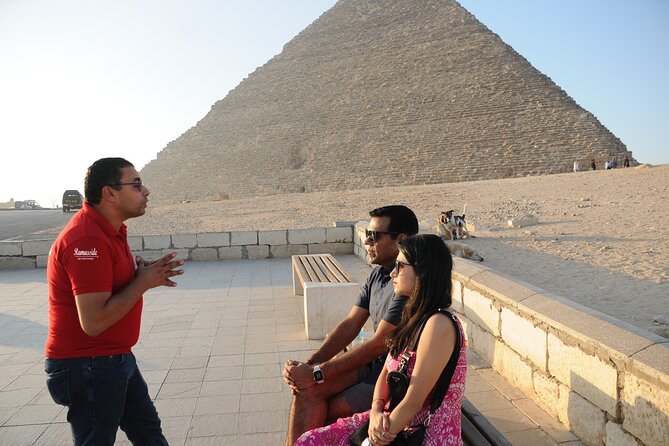
- Egyptologist guide for the whole route: history and context, not just directions.
- Cairo–Aswan flights included: you trade long overland travel for real time at the sites.
- Admissions are built in: Giza monuments and major museums/temples don’t become a separate planning headache.
- Aswan High Dam + relocated temples context: you’ll understand why places like Philae and Abu Simbel exist where they do today.
- Small group size (max 15): easier to hear your guide and move through crowded checkpoints.
Why this Cairo-Aswan-Abu Simbel route makes sense on a tight clock
Five days sounds short for Egypt. That’s exactly why this format works: it’s designed around the two biggest anchors, Giza and Abu Simbel, with a smart flight hop to Aswan. Instead of spending your time moving around, you spend more of it looking, walking, and asking questions.
The tour also stays practical. You get airport transfers, a hotel handoff in Aswan, and a guide who keeps the story line clear from stop to stop. Even if you’re not a “history details” person, a good guide helps you notice the things that make these sites feel real.
A few more Cairo tours and experiences worth a look

Airport pickup in Cairo: how the first hours are handled
Your trip starts in Cairo at the airport. A representative meets you with a name sign and takes you by A/C car to your hotel, then you’re set up for an easy first night.
This matters more than it sounds. After an international flight, the last thing you want is hunting for transport while you’re tired. Here, the handoff is direct, and your time in Cairo begins with sleep, not stress.
Hotel comfort (and meal basis) for a smoother stay
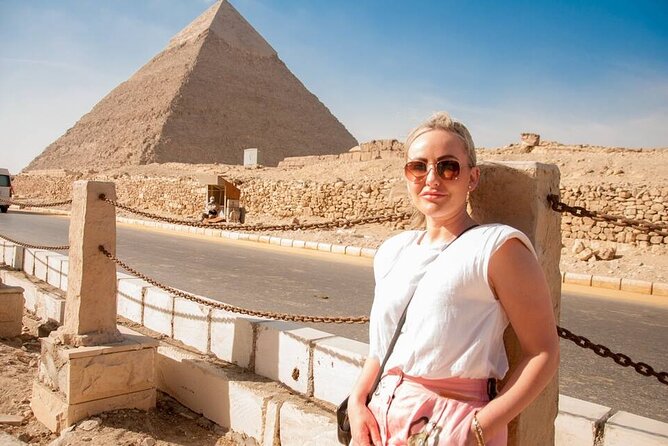
You’ll get five-star hotels for four nights total: three nights in Cairo and one night in Aswan. Cairo is on a bed and breakfast basis, and Aswan is also bed and breakfast, so you start most mornings fed and ready.
This is a value point, too. A lot of shorter Egypt tours skim on lodging. Here, the plan assumes you’ll want comfortable downtime between early pickups and long sight days.
Day 1 in Cairo: settle in before the big monument days
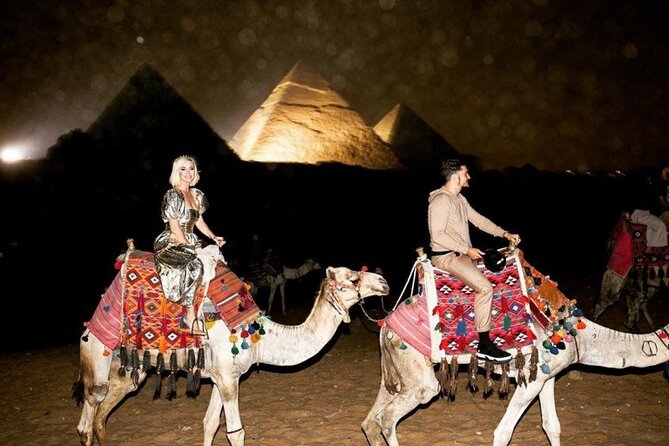
Day 1 is intentionally light. You land, get transferred to your Cairo hotel, and you’re done. That first night is your buffer against jet lag and against the general feeling that Cairo can be intense when you’re new.
It also gives you a chance to slow down and get your bearings. You’ll be spending more time outdoors and moving around later, so this start helps you stay steady for the rest of the week.
Giza and the Sphinx: the one-day Cairo blockbuster
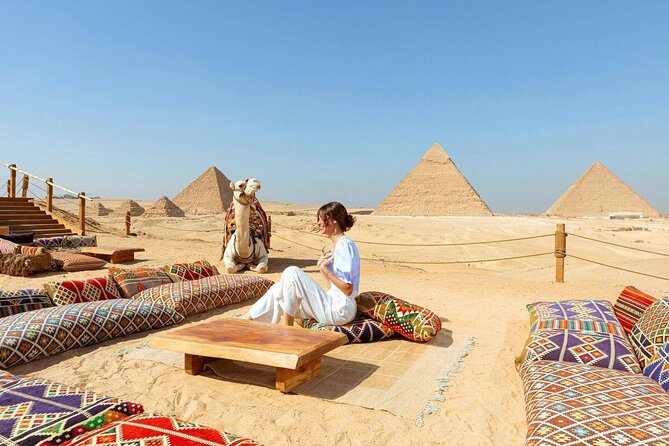
Day 2 is built around the Giza pyramids complex and the classic trio of sights: the pyramids, the Sphinx, and the museum stop that explains what you’re seeing.



The Pyramids of Giza and the Great Pyramid of Khufu
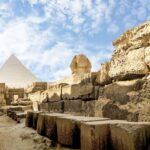
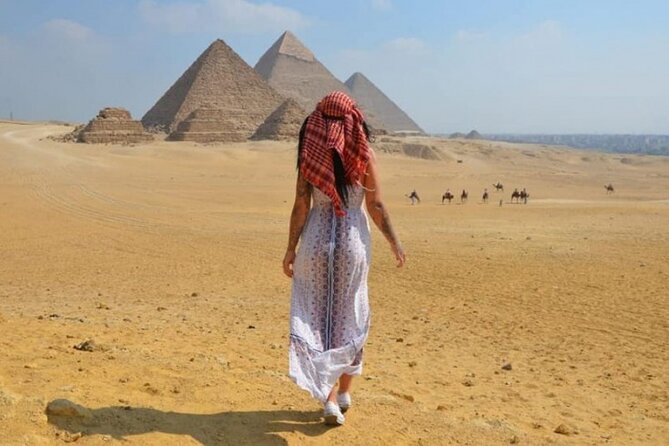
You’ll visit the Giza complex, which includes three main pyramids and smaller pyramids, plus the Great Sphinx and Valley Temple within the larger site area. Then the focus narrows to the Great Pyramid of Khufu, the largest and the one most people picture when they think of Giza.
What’s useful here is the scale and the numbers your guide can put into plain words. The Great Pyramid was built around 2580 BC, over about 20 years, using roughly 2.3 million limestone blocks. It rises to about 147 meters, and it was the tallest building on Earth at the time.
The Great Sphinx and Valley Temple context
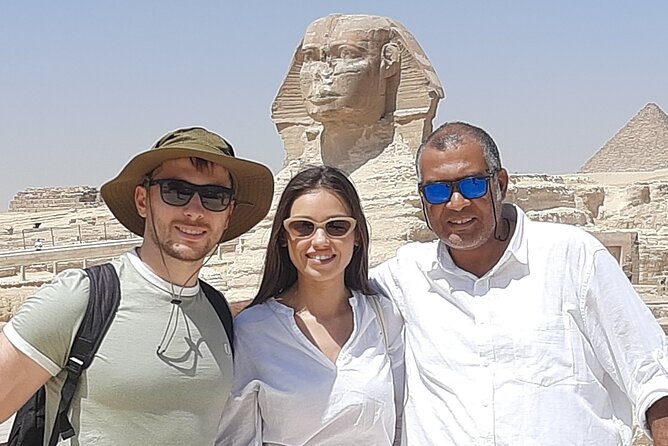
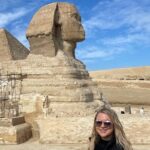
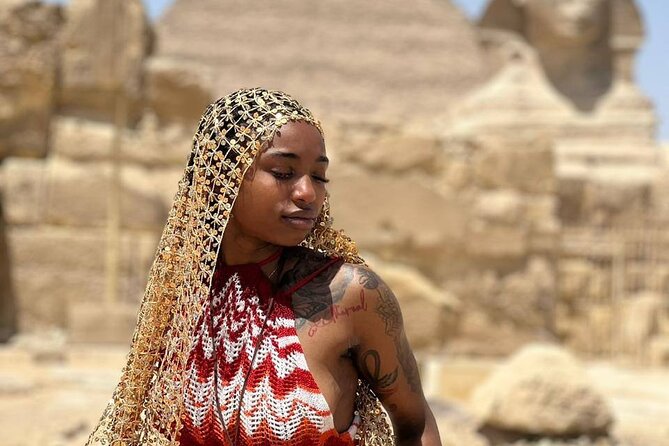
The Sphinx is carved from a single limestone rock and shaped like a mythic creature with a lion’s body and a human head. It’s linked to the Old Kingdom era, and your guide will connect the Sphinx to royal symbolism and the idea of guarding a sacred landscape.
Then comes the Valley Temple, tied to the Old Kingdom complex. You’ll hear how it functioned in the wider pyramid area and how it connects to burial beliefs and preservation practices. That context makes the whole Giza area click, not just the pyramids-as-photos version.
Egyptian Museum of Antiquities: where the stories are easier to read
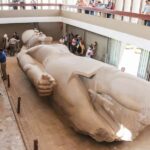
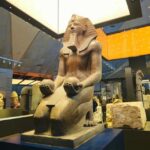
After the outdoor stops, you’ll head to the Museum of Egyptian Antiquities. The museum is presented as a major collection with over 150,000 artifacts housed in a two-story building.
This is the moment where you stop guessing what you’re looking at. You’ll see key categories like statues, funerary objects, and even items connected to the treasures of Tutankhamun, plus objects such as the Narmer Palette. If you’ve ever felt like Egypt feels overwhelming, this museum stop is how you turn that overwhelm into understanding.
A nice bonus: your major museum admission is included, so you’re not deciding on the spot whether it’s worth it.
Flying to Aswan: trading long overland time for sight time
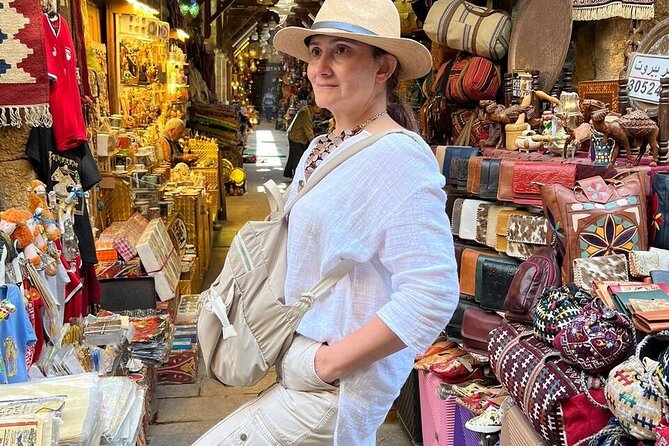
Day 3 starts with a transfer to Cairo airport and a flight to Aswan. When you arrive, your guide meets you and you’re off to your first Aswan sights.
This internal flight is one of the most practical inclusions in the whole package. It keeps the trip realistic for a five-day schedule and helps you avoid losing half a day to transit. For a route that includes Abu Simbel, time matters.
Aswan High Dam and the Unfinished Obelisk: the Nile’s modern chapter
Your first major Aswan stop is the Aswan High Dam. The story here is about control and consequences: the dam was built between 1960 and 1970 to manage Nile floods, generate hydroelectric power, and increase water storage for irrigation through Lake Nasser.
Then your guide connects the dam’s construction to what it threatened. The earlier plan created a problem for ancient temples in the region, which leads directly into the relocated-site story later.
Next you visit the Unfinished Obelisk, commissioned by Queen Hatshepsut. It shows obelisk-building in process—what happens when a project doesn’t finish. It also helps you understand the ancient approach to craftsmanship, since the obelisk remained cracked in its original location rather than being completed elsewhere.
This stop is a good reminder that Egypt isn’t only about finished monuments. Sometimes, the evidence of work-in-progress tells you just as much.
Philae Temple: Osiris myths plus a UNESCO-style rescue story

Philae Temple is one of those places where a guide makes a real difference. You’ll hear the Myth of Osiris, tied to Isis and Osiris, with Set and Horus showing up in the story line of death, resurrection, and eventual victory.
Then the modern twist lands. In the 1960s, temples were relocated as part of a rescue mission after the High Dam’s construction. Philae was moved to protect it, and your visit connects that political and environmental change to the physical movement of sacred buildings.
It’s a strong emotional mix, too. You get myth plus math plus logistics: a temple survives because people decided it had to, and they moved it rather than letting it disappear under water.
After this, you check into your 5-star Aswan hotel for overnight on a bed and breakfast basis. You’ll want that downtime. The next day is the long one.
Abu Simbel Temple Complex: the early day that earns its reputation
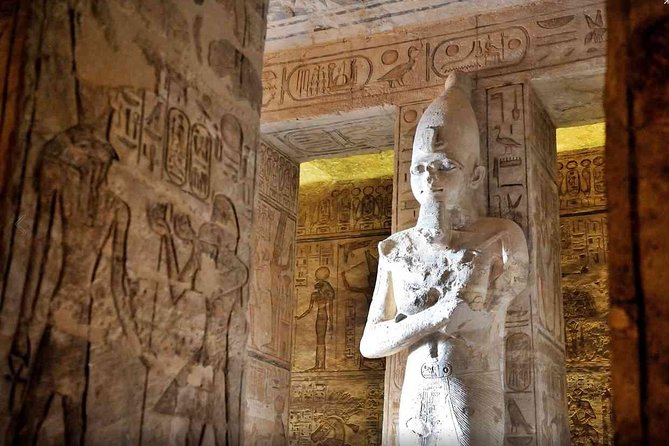
Abu Simbel is scheduled as an early morning excursion. You’ll be transferred with breakfast boxes and then taken to the Abu Simbel Temple Complex, one of Egypt’s biggest “wow in person” stops.
The main temple was built by King Ramses II and is described as the final gateway to Egypt’s southern border. Construction is placed between 1279 and 1213 BCE. The complex includes a grand temple for Ramses II and a smaller one for Queen Nefertari.
And like Philae, Abu Simbel has a relocation story tied to the same dam era. The temples were moved during the mid-60s as part of the rescue operation, which makes your visit feel connected to the world beyond ancient stone.
Timing reality check
This day is listed as about 6 hours, and it starts early. The transfer plus temple time means you’ll likely be on the go for a full stretch. If you like slow travel, treat this as a “mission day,” then plan to rest once you’re back.
Price and value: what you’re really paying for at $1,375 per person
At $1,375 per person, this tour can look high or reasonable depending on how you normally plan. Here’s what’s clearly included: four nights in 5-star hotels (three Cairo, one Aswan), internal flights Cairo to Aswan and back, an Egyptologist guide, and admission fees to the included sights. Taxes and charges are also described as already paid.
What that means for you is fewer hidden add-ons during the trip. Ticket lines, complicated museum decisions, and transport coordination tend to add up fast in Egypt—especially when you’re stacking major sites like Giza and Abu Simbel.
What’s not included is also important for budgeting: international airfare, Egypt entry visa, and tipping. If you’re coming from overseas, those three items can change your true all-in cost more than you expect.
What the group size feels like (and why max 15 matters)
The tour caps at 15 travelers. That small size helps for practical reasons. Your guide can spend more time explaining than repeating, and the group stays manageable at checkpoints and meeting points.
It also tends to make photos easier. Big groups can mean constant reshuffling. Smaller groups don’t eliminate crowds, but they reduce the constant interruptions.
Who this tour fits best
This is a strong match if you want a guided, structured route that still hits the signature sights. It’s also a good choice if you appreciate context—why temples were moved, why royal monuments were built where they were, and how the Nile shaped both ancient and modern decisions.
It’s especially suitable for first-timers. Cairo can feel like information overload, and Aswan can feel like a different tempo. A guide helps you keep both cities straight.
Should you book this Cairo, Aswan, and Abu Simbel tour?
I’d book it if you want most of the major highlights without spending your days planning transport and admissions. The inclusion of flights, 5-star stays, and an Egyptologist guide is what makes it feel efficient.
I’d think twice if you know you won’t handle an early Abu Simbel morning well. This route earns its highlights by moving fast, especially on Day 4.
If you can handle a long, structured week—and you want your Egypt to come with explanations—this one is worth it.
FAQ
Is pickup from Cairo airport included?
Yes. You’ll have a representative meet you at Cairo International Airport and transfer you to your hotel by A/C car.
Are flights between Cairo and Aswan included?
Yes. Flights from Cairo to Aswan and from Aswan to Cairo are included.
What kind of hotel will I stay in?
The tour includes 3 nights in Cairo and 1 night in Aswan in 5-star hotels, with bed and breakfast in both cities.
Is the tour guided by an expert?
Yes. A professional Egyptologist tour guide is included during the whole tour.
Are admission fees included for the sights?
Yes. Admission fees to the available sights on the route are included.
Do I need an Egypt entry visa or international airfare?
Both are not included. The tour notes that international airfare and the Egypt entry visa are not included.
How big is the group?
The maximum group size is 15 travelers.
How does the Abu Simbel day start?
You’ll be transferred early with breakfast boxes to visit the Abu Simbel Temple Complex.
What if I need to cancel?
You can cancel up to 3 days in advance for a full refund. If you cancel less than 3 days before the start time, the amount paid is not refunded.
Is a mobile ticket provided?
Yes. The tour includes mobile ticket support.