REVIEW · CAIRO
5 Days Cairo and Alexandria Tour
Book on Viator →Operated by Egypt United Tours & Travel · Bookable on Viator
A first stop in Egypt hits hard: pyramids, catacombs, and churches all in one week. This 5-day Cairo and Alexandria plan is interesting because it mixes big-name landmarks with a tight, logical route, guided by a professional Egyptologist. What I like most is the small-group size (max 15) for better attention, and the way it handles your Cairo logistics with hotel pickups and airport transfers; one thing to consider is that the fine print says site tickets/entrance fees aren’t included, so you should confirm what you’ll pay on top of the $1,645 price.
In past experiences with Egypt United Tours, names like Amr Mansy and Amir come up for doing the heavy lifting—staying on schedule, explaining clearly, and keeping the day moving without chaos. The airport rep support also matters in Egypt, and Sobhy is one of the names connected with smooth arrival and customs help. If you want a guide who can translate what you’re seeing into something you’ll actually remember, this style of tour is built for that.
In This Review
- Key highlights
- Why this Cairo-and-Alexandria combo makes sense
- Day 1: Cairo arrival, rep meeting with your name, and time to reset
- Day 2: Giza pyramids plus Saqqara and Memphis in one big history loop
- Pyramids of Giza, Sphinx views, and Valley Temple
- Saqqara Step Pyramid and the Imhoteb Museum
- Memphis open-air museum, Ramses II, and the alabaster sphinx
- How to pace yourself on Day 2
- Day 3: Alexandria’s catacombs, Pompey’s Pillar, Roman amphitheater, and Montazah
- Kom el Shoqafa catacombs: Roman-era underworld
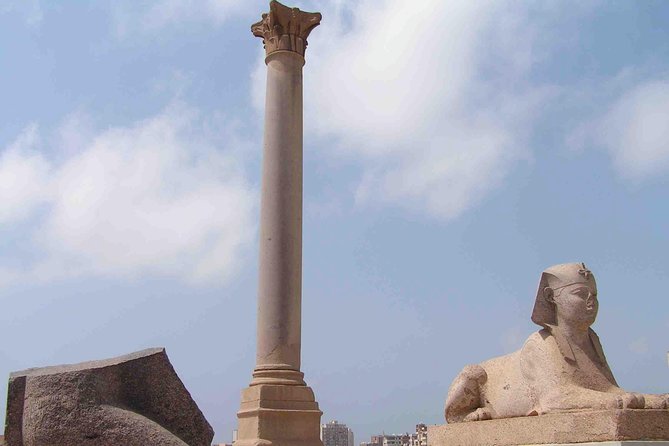
- Pompey’s Pillar of Triumph
- Roman Amphitheater
- Qaitbay Citadel and the ruins of the Pharos House
- Montazah Gardens and Palace
- One planning tip for Alexandria
- Day 4: Egyptian Museum treasures, Saladin’s Citadel, Coptic Cairo, and Khan El-Khalili
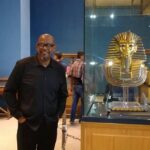
- Egyptian Museum and King Tut treasures
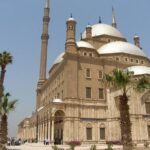
- Cairo Citadel of Saladin and the Mohamed Ali alabaster mosque
- Coptic Cairo: Hanging Church, St. Sergius, Ben Ezra, and Babylon Fortress
- Khan El-Khalili bazaar: real-life atmosphere time
- Day 5: Cairo airport transfer with an on-site rep
- Price and value: what $1,645 covers, and what you should verify
- Small-group logistics that make the day actually work
- What to watch for at pyramids and museums
- Who this tour suits best
- Should you book this 5-day Cairo and Alexandria tour?
- FAQ
- What’s included in the 5 Days Cairo and Alexandria Tour?
- Are entrance fees to the sites included?
- What meals are provided during the tour?
- How big is the group on this tour?
- Do you include airport transfers in Cairo?
- Do I need a visa, and how long should my passport be valid?
- What happens if the tour is canceled for weather or if I cancel myself?
Key highlights
- Small-group feel (up to 15) so questions don’t get swallowed
- Egyptologist guide support for pyramids, museums, and Coptic Cairo
- One full day in Alexandria covering catacombs, Roman sites, and Montazah
- Private A/C vehicle transfers between Cairo and sites
- Flexible arrival day with time to settle before optional add-ons
Why this Cairo-and-Alexandria combo makes sense
Cairo can be overwhelming on your own. You’ve got too many ticket lines, too many ways to get distracted, and not enough time to understand what you’re looking at. This tour bundles Cairo’s top sites and then adds Alexandria as a single day trip, so you get a second city without switching hotels.
You’re also saving yourself the usual “what time do we leave?” stress. Most of the routing is built around short, efficient travel blocks—like heading to Giza and Saqqara in one sweep, then doing Alexandria with a dedicated day schedule.
If you like your sightseeing organized but not rushed like a bus tour, this is a strong fit. If you prefer total freedom with no guide and no set stops, you might feel boxed in. This one is meant to keep you on track.
A few more Cairo tours and experiences worth a look

Day 1: Cairo arrival, rep meeting with your name, and time to reset
Day 1 is all about landing smoothly. When you arrive in Cairo, you meet a representative holding a sign with your name, then you’re transferred by a private A/C vehicle to your Cairo hotel for check-in.
The smart part: if your flight timing doesn’t line up with a full tour day, the rest of the day stays free and optional tours are available on request. That gives you a real chance to reset after travel, not just jump straight into standing in sun for hours.
Practical takeaway for your planning: plan a comfortable arrival day mindset. You’ll be better for it on Day 2, because Giza and Saqqara are not short stops.
Day 2: Giza pyramids plus Saqqara and Memphis in one big history loop
This is the day most people picture when they think of Egypt. You start after breakfast with an Egyptologist guide and driver, then you head to Giza.
Pyramids of Giza, Sphinx views, and Valley Temple
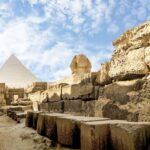
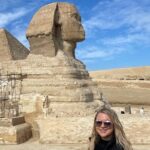
You’ll see the Three Great Pyramids: Cheops, Chefren, and Macarinos. You also visit the Queens Pyramids, and there’s a special perk: you can get free admission to enter one of the queens pyramids if you request it.
The Great Sphinx is included, plus a panorama view of the three pyramids. That panorama stop is useful because it helps you understand the layout quickly—your photos will look better, and your brain will stop treating the area as one giant pile of stone.
You’ll also visit the Valley Temple (often called the Mummification Temple). That’s a good contrast to the pyramids themselves because it rounds out what the site was built for.
Two notes to keep your expectations straight:
- Interior access inside the pyramids is optional and may cost extra.
- Admission ticket details can matter depending on what’s covered. The tour lists site tickets as not included, even though the broader description mentions entrances—so confirm before you go.
Saqqara Step Pyramid and the Imhoteb Museum
After Giza, you drive about 25 minutes south to Saqqara. Here the focus shifts from “how big” to “how it evolved.”
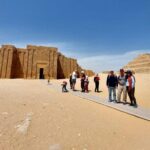
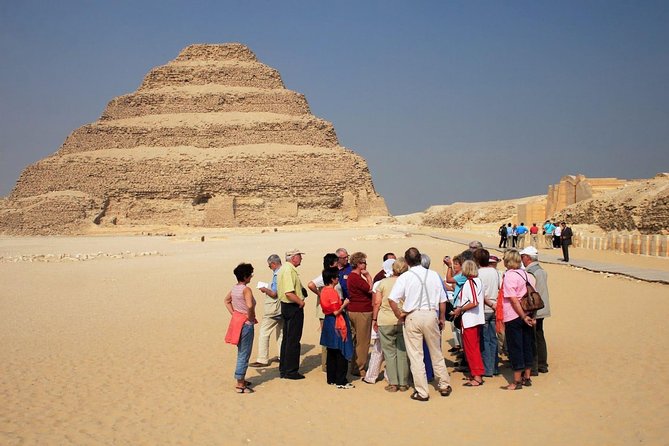
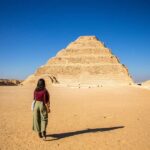
You’ll visit the Step Pyramid of King Zosar and the surrounding pyramid complex. Then you get the Imhoteb Museum stop, which helps connect the site to the larger story of early Egyptian royal building.
This is the day’s rhythm check. After hours at Giza, Saqqara feels more human-scale and easier to absorb.

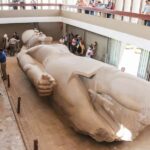
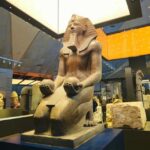

Memphis open-air museum, Ramses II, and the alabaster sphinx
Next you head to Memphis, described as the first capital of Ancient Egypt. You visit the open-air museum and see the Alabaster Sphinx plus the Colossi of Ramses II.
This is a good final stop for Day 2 because you’re moving from royal tomb architecture into a sense of the city landscape. It helps you connect the pyramids to the places where power actually lived.
How to pace yourself on Day 2
Two hours are allocated for Giza, and two for Saqqara, plus time at Memphis. That’s enough time to see the highlights without turning it into a marathon. Still, expect heat and crowding—bring water habits, use sun protection, and don’t feel pressured to do optional interior entrances unless it’s a priority for you.
Day 3: Alexandria’s catacombs, Pompey’s Pillar, Roman amphitheater, and Montazah
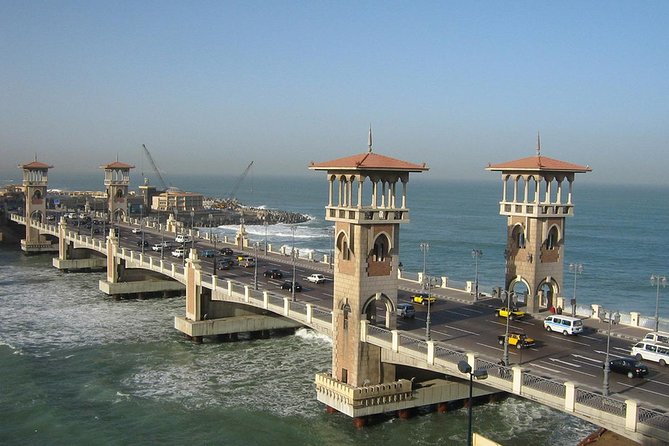
Day 3 is your full Alexandria day trip. The drive takes about 3 hours from Cairo, with one stop on the highway.
Alexandria is a clever contrast to Cairo. Cairo is about monuments and living history stacked on itself. Alexandria adds Roman layers and a coastal-feeling pace, even though you’re still sightseeing hard.
Kom el Shoqafa catacombs: Roman-era underworld
You start with the Catacombs of Kom El Shoqafa, with about 3 hours set aside. This stop is special because it’s underground history—tombs built over earlier cultural influences, and the kind of site where you can slow down and really look.
It’s not just a hallway experience. Expect chambers, sculpture, and symbolism that feels more like a storytelling space than a museum room.
Pompey’s Pillar of Triumph
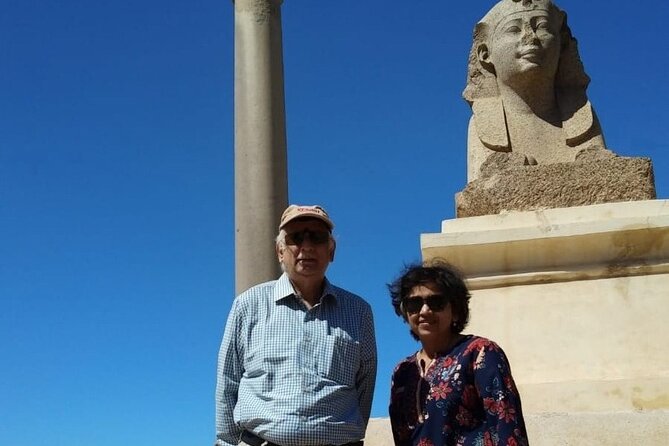
Next is Pompey’s Pillar. It’s a one-hour visit, which is often the right amount of time for a single landmark like this. It gives you a quick win on a major Roman reference point without eating the day.
Roman Amphitheater
Then you head to the Ancient Roman Amphitheater, again with about an hour. This is where Alexandria starts to feel more cinematic. You can stand back, orient yourself, and imagine what performances would have meant in this space.
Qaitbay Citadel and the ruins of the Pharos House
Kayetbai is next, focused on Qaitbay Citadel and the ruins site of the Pharos House. The structure ties the area to the long story of Alexandria’s famous lighthouse legacy, at least in how the site is presented during your visit.
This stop works well because it blends architecture with the feeling of a city that’s been rebuilt again and again.
Montazah Gardens and Palace
You finish at Montazah Park and Palace. This is a great way to land the day because it’s less about stone artifacts and more about space, views, and a break from pure site-hunting.
One planning tip for Alexandria
If you’re sensitive to long drives, build your energy around Day 3. The schedule is packed but not random, and the stops are spaced so you’ll have frequent “next thing” moments. Bring patience for traffic leaving Alexandria and returning to Cairo.
Day 4: Egyptian Museum treasures, Saladin’s Citadel, Coptic Cairo, and Khan El-Khalili
Day 4 stays in Cairo and builds toward variety: museum masterpieces, big landmarks, old churches, and then the city’s famous bazaar.
Egyptian Museum and King Tut treasures
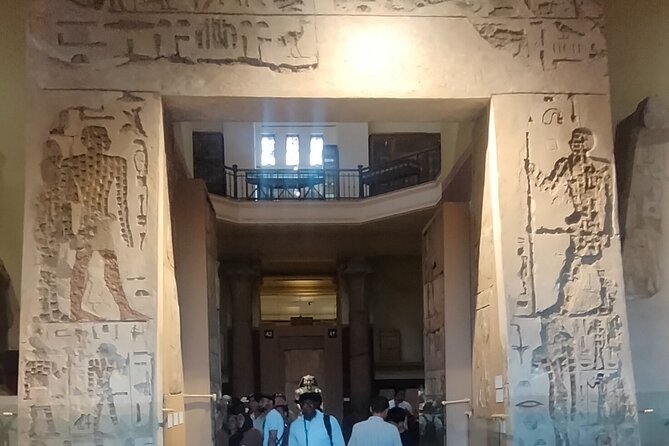
After breakfast, you visit the Egyptian Museum and the famous treasures of King Tut. There’s about 2 hours allocated here, and the mummies room is optional.
This is one of those days where a guide really helps. With the right explanation, you’re not just scanning objects. You’re learning why they mattered and what kind of world produced them.
If you’re short on time or prefer a lighter day, you can skip the optional mummies room. But if you’re curious, it’s the kind of choice that can make the museum feel more personal.
Cairo Citadel of Saladin and the Mohamed Ali alabaster mosque
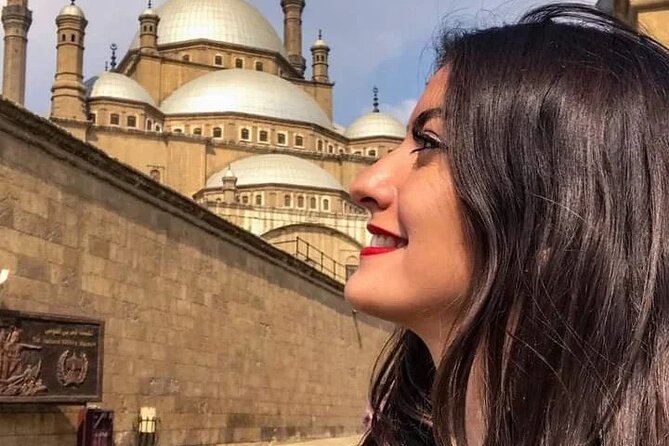
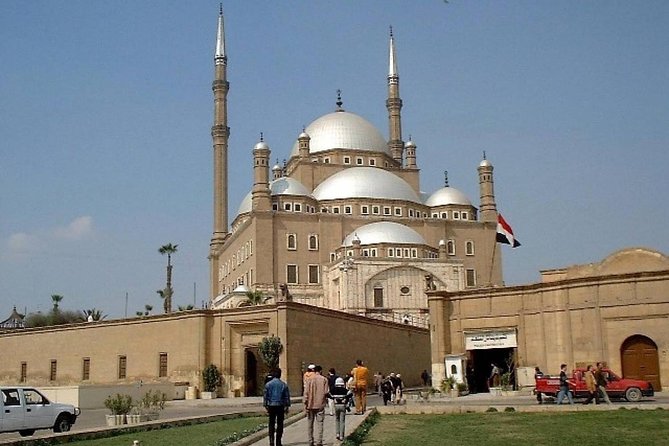
Next up is Cairo Citadel of Saladin, followed by visits to the Alabaster Mosque of Mohamed Ali and the Green Mosque.
Even when you’re not into architecture details, this area tends to make sense because the citadel viewpoint gives you the “how Cairo grew” perspective. The tour time is short here, so focus on getting oriented and taking in the overall shape of the city.
Coptic Cairo: Hanging Church, St. Sergius, Ben Ezra, and Babylon Fortress
Then comes Coptic Cairo, with stops including:
- the Hanging Church
- Church of St. Sergius
- the Synagogue of Ben Ezra
- Babylon Fortress
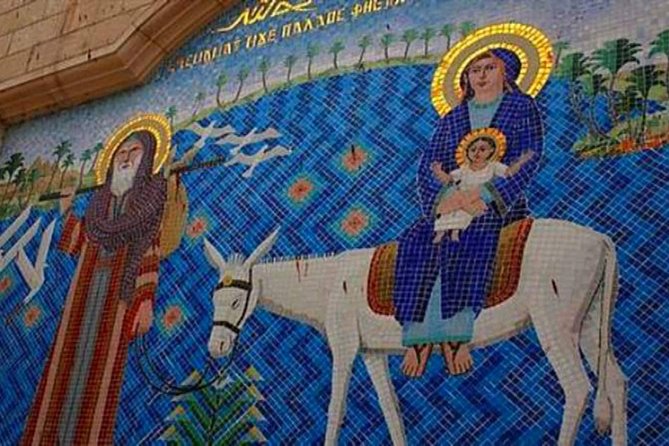
This is a key shift. You’re not just looking at Ancient Egypt now—you’re seeing Egypt’s layered religious history in one concentrated area. The Hanging Church and St. Sergius stops are especially meaningful if you like places where faith communities have existed for centuries.
Khan El-Khalili bazaar: real-life atmosphere time
The day ends with Khan El-Khalili open-air bazaar and open time to sit in a cafe and watch the atmosphere. This is practical: it keeps you from turning the day into a nonstop photo sprint.
You’ll get the bazaar experience without needing to navigate it alone. When the guide handles the pacing, you can actually enjoy the sensory part—sounds, smells, and street energy.
Day 5: Cairo airport transfer with an on-site rep
Day 5 is lighter. An airport rep meets you in the hotel lobby and takes you to Cairo Airport by a private A/C vehicle.
This matters more than people think. In Egypt, your biggest risk is not the distance—it’s delays, confusion, and finding the right exit routes while you’re tired. A rep transfer reduces that stress so you can leave Cairo without last-minute panic.
Price and value: what $1,645 covers, and what you should verify
At $1,645 per person, this isn’t a budget tour. You’re paying for several things that add up quickly:
- Private A/C modern vehicle transportation
- a qualified Egyptologist guide
- Cairo hotel stay (4 nights) in a 3-star property with breakfast
- entrance fees are described one way in the summary, but listed as not included in the included/excluded details
That entrance-fee contradiction is the one item I’d treat as a must-confirm point. The package details state entrance fees and tickets to sites are not included. Before you lock anything in, ask exactly which admissions are covered versus paid on arrival.
Meals are also not included beyond the 4 breakfasts at your hotel. So if you want lunch or dinner built into your spending plan, you’ll pay separately.
In exchange for those extras, you do get a tight route that covers Cairo and Alexandria without adding hotel moves. For many people, that balance is the real value: fewer logistics, less mental overhead, and more time spent seeing.
Small-group logistics that make the day actually work
This is a small-group tour with a limit of 15 people. It’s privately operated, so you only share with your own group. There’s also a minimum of 2 people to run the tour.
What you gain with this size is interaction. You’re not just following a guide in a crowd of strangers. You can ask questions, clarify what you’re seeing, and adjust pace in a way that large group tours usually can’t.
Past experiences tied to this operator also highlight the support role: guides like Amr Mansy and Amir are praised for staying on track and being personable, and an airport rep like Sobhy is mentioned for making arrival and customs feel easier. That’s exactly what you want in Egypt—less guesswork, more guidance.
What to watch for at pyramids and museums
Even with a guide, Egypt comes with real-world friction. Here are the practical things I’d keep in mind:
- Optional extras cost money. Interior entries in the pyramids and the mummies room at the museum are explicitly optional.
- Expect ticket discussions. Because entrance fees are listed both ways in the tour description details, you should confirm what you’ll pay for each major site.
- Photo reality at big monuments can mean waiting and crowding. The panorama and scheduled time blocks help, but you’ll still want patience and smart sun protection.
- Bazars are fun, but you’ll be tempted to buy. Keep a budget in mind and decide ahead of time what you’re willing to carry home.
If you manage expectations, the days feel productive rather than chaotic.
Who this tour suits best
This works well if:
- you want a curated Cairo highlight circuit plus Alexandria in one trip
- you prefer a licensed Egyptologist guide over DIY navigation
- you like small-group structure but still want freedom for optional choices
It’s less ideal if:
- you want everything fully self-guided and unstructured
- you strongly dislike long days with multiple major stops
- you’re traveling without flexibility for site admissions and optional paid entries
If you’re a first-time Egypt visitor, the route is strong. If you’ve been before and want niche archaeology only, you might find it a bit too “greatest hits.”
Should you book this 5-day Cairo and Alexandria tour?
I’d book it if you want maximum Egypt payoff without turning your trip into logistics homework. The private A/C transport, Egyptologist guidance, and small-group size make it feel organized while still letting you breathe at places like Khan El-Khalili and Montazah Gardens.
I wouldn’t book blindly until you confirm entrances and tickets coverage, since the details say admissions aren’t included. Once you’ve clarified that, this tour is a solid way to do Cairo’s icons and still see Alexandria’s Roman-and-coastal side in a single sweep.
If you’re the type who likes to understand what you’re looking at—not just photograph it—this is your kind of plan.
FAQ
What’s included in the 5 Days Cairo and Alexandria Tour?
The tour includes 4 nights in Cairo at a 3-star hotel with bed and breakfast, private A/C modern vehicle transportation, a qualified Egyptologist guide, 4 breakfasts, and local taxes and service charges.
Are entrance fees to the sites included?
The included/excluded details list entrance fees and tickets to sites as not included. The tour description also mentions entrances in the overview, so you should confirm what’s covered for your exact dates before you travel.
What meals are provided during the tour?
You get 4 breakfasts at your hotel. Meals and drinks other than that are not included.
How big is the group on this tour?
The tour requires a minimum of 2 people and allows a maximum of 15 people. It is a private tour/activity for your group.
Do you include airport transfers in Cairo?
Yes. On arrival, a representative meets you and transfers you to your hotel. On the final day, an airport rep meets you at the hotel lobby and transfers you to Cairo Airport.
Do I need a visa, and how long should my passport be valid?
Egypt entry visa and departure taxes fees are not included. A current passport valid for at least 6 months from the date of arrival is required.
What happens if the tour is canceled for weather or if I cancel myself?
The experience requires good weather. If it’s canceled due to poor weather, you’ll be offered a different date or a full refund. For cancellations, you can cancel up to 6 days in advance for a full refund, with reduced refunds if you cancel closer to the start time.