REVIEW · CAIRO
Tours to Cairo Museum, Coptic Cairo, Islamic Cairo & The Bazaar
Book on Viator →Operated by Egypt Tours World · Bookable on Viator
Old Cairo feels like a book you can walk through. This private day strings together big hitters from the Citadel to Coptic Cairo, then across to Islamic Cairo and the bazaar, with a guide who keeps the story moving. You also get door-to-door pickup and drop-off around Cairo, plus an air-conditioned ride and Wi‑Fi on board.
I especially like the way this route mixes major landmarks with the smaller, more human-scale stops in Old Cairo. You’ll also have a real Nile-view lunch break, which matters when your feet and patience are both running on Egyptian time.
One thing to watch: not every site’s admission is included. The Egyptian Museum and the Citadel list tickets as extra, so your final total may be higher than you expect.
In This Review
- Key things to know before you go
- A Cairo day plan that doesn’t feel like a chore
- Cairo Citadel: the skyline views and the Alabaster Mosque area
- Coptic Cairo: Hanging Church and the Babylon Fortress churches
- Hanging Church: the staircase church above the gate
- St. George (Mari Girgis) inside the fortress
- Church of St. Sergius and Bacchus: the Holy Family connection
- Coptic Cairo as a whole: what makes the area worth your time
- Egyptian Museum: 5,000 years and the Tutankhamun draw
- Islamic Cairo: Muizz Street and the medieval city corridor
- Muizz Street: the open-air medieval arcade
- Bab al-Futuh: the Conquest Gate details
- Sultan Al-Ghuri complex: Wekalet El Ghouri area
- Khan Al-Khalili bazaar: shopping with a plan, not a headache
- Price and value for $129: where the money goes
- Practical tips to make this day work
- If you want the best guide fit
- Should you book this Cairo tour?
- FAQ
- How long is the tour?
- Is hotel pickup and drop-off included?
- Are entrance tickets included?
- What’s included in the price besides the guide?
- Is this tour private or shared?
- What is the cancellation policy?
Key things to know before you go
- Private guide + transfers: you’re not stuck figuring out routes or battling crowds on your own.
- Nile-side lunch included: a scheduled break beats scrambling for food between sights.
- Coptic Cairo stop is packed with churches: Hanging Church plus several major sites in the Babylon Fortress area.
- Islamic Cairo is built around Muizz Street: you’ll trace one of the most important medieval corridors in the city.
- Khan Al-Khalili gets a full hour: enough time to browse and shop without feeling rushed.
- Ticket costs are mixed: some entrances are included, others are at your own expense.
A Cairo day plan that doesn’t feel like a chore
Cairo can hit you fast: noise, traffic, heat, and the sheer size of the city. This tour helps because it turns a do-it-yourself maze into a guided, scheduled circuit. Starting at 9:00 am, you get pickup from your hotel in Cairo and a private vehicle that keeps you comfortable as you bounce between neighborhoods.
The other practical win is the guide format. This is a private tour for just your group, so you can ask questions and move at a pace that fits you. The plan runs about 7 to 10 hours, and the itinerary uses lots of short stops, which is helpful if you want variety without spending the whole day stuck inside one museum.
You can also read our reviews of more museum experiences in Cairo


Cairo Citadel: the skyline views and the Alabaster Mosque area
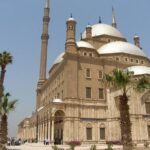
Your first big hit is the Saladin Citadel of Cairo, a medieval fortification perched on Mokattam hill. It’s part of the World Heritage Historic Cairo site, and the fort once earned a reputation for fresh breezes and sweeping city views. Today, you’ll find preserved mosques and museums inside the complex.
Expect around 2 hours here, and plan on some sightseeing that mixes outdoor vantage points with built-up heritage. The tour description highlights the Citadel’s role in Historic Cairo during its Islamic golden-age era, which helps you understand why this place mattered beyond just being a pretty viewpoint.
Important money note: admission tickets here are not included. So set aside extra budget for at least this stop, and be ready for possible on-site ticket handling depending on the day.
Coptic Cairo: Hanging Church and the Babylon Fortress churches
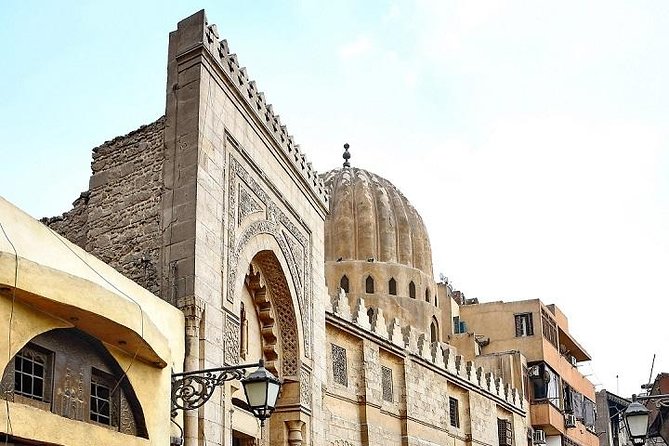
Then you shift into Old Cairo’s Coptic Cairo area, where Christianity in Egypt left some of its most iconic layers. The tour groups several related sites in this zone, which makes sense because these churches and historic points sit close enough to connect the story in one flowing block.
Hanging Church: the staircase church above the gate
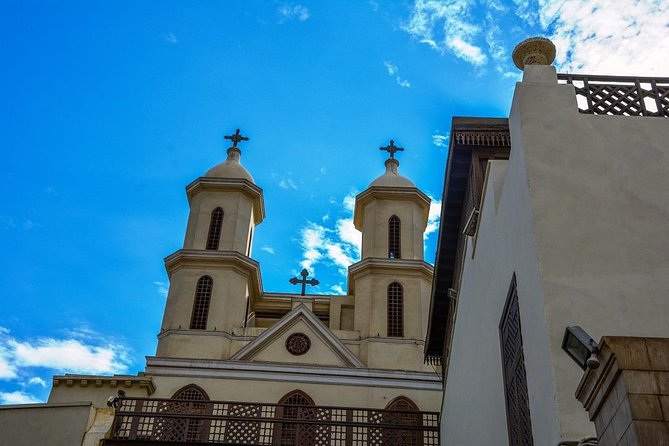
The star stop is the Hanging Church, a Coptic Christian church famous for its location above a gatehouse of the Babylon Fortress. The approach is part of the experience: you climb 29 steps, which is why early travelers called it the Staircase Church. The church also has a wooden roof shaped like Noah’s ark, plus a notable 5th-century pulpit and icons.
One detail I love for context: the land around it has risen about six meters since Roman times, so the Roman tower is mostly buried now. That’s why the church still feels elevated and dramatic even though the original setting has changed over centuries.
Time-wise, you’re looking at about 25 minutes, and admission is listed as included. That’s a realistic amount for a focused interior visit plus a bit of looking around outside the entrance area, without feeling like you’ll miss everything else.
St. George (Mari Girgis) inside the fortress
Next is the Coptic Orthodox Church of St. George (Mari Girgis), located within the Babylon Fortress area. The church dates to the 10th century or earlier, and the current structure was rebuilt after a 1904 fire, with construction finished in 1909. Since 2009, the monastery’s hegumen has had the rank of bishop with the title Bishop Babylonos.
This is a good stop if you like tracing how faith and power structures changed over time—fortress, monastery, church rebuilds, and leadership titles. You’ll spend about 20 minutes, with admission included.
You can also read our reviews of more shopping tours in Cairo





Church of St. Sergius and Bacchus: the Holy Family connection
The tour then includes Church of St. Sergius and Bacchus, a church traditionally believed to stand where Joseph, Mary, and the infant Jesus rested. The description also notes it as a major site in Coptic Church history, including elections of patriarchs. It’s described as the episcopal church of Cairo for the district of Old Cairo.
If you want a smoother sense of the Coptic story, this stop works because it ties belief, geography, and historical church leadership into one place. Plan on about 20 minutes, with admission included.
Coptic Cairo as a whole: what makes the area worth your time
Coptic Cairo covers an Old Cairo zone that includes the Babylon Fortress and multiple churches. It’s also tied to tradition about the Holy Family visiting the area. Most of the current church buildings came after the Muslim conquest, but the region remained a Christian stronghold for a long time.
The best way to treat this block of the day is as a living timeline rather than separate “photo stops.” Try to notice how the architecture and religious function overlap with the fortress setting. That context is exactly what a good guide can pull out for you.
Egyptian Museum: 5,000 years and the Tutankhamun draw
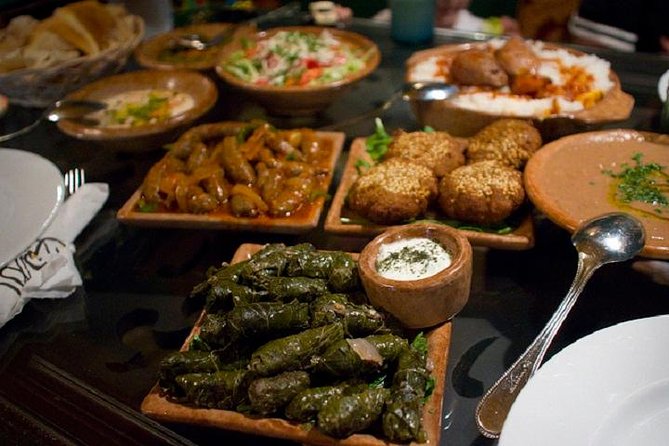
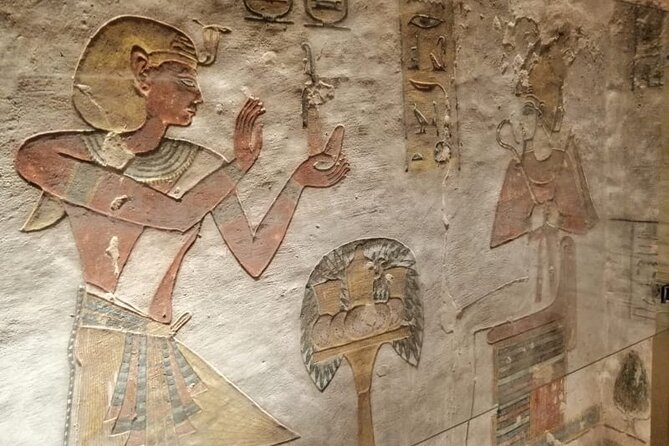
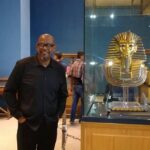
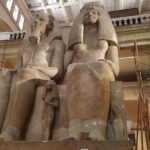
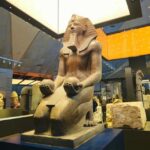
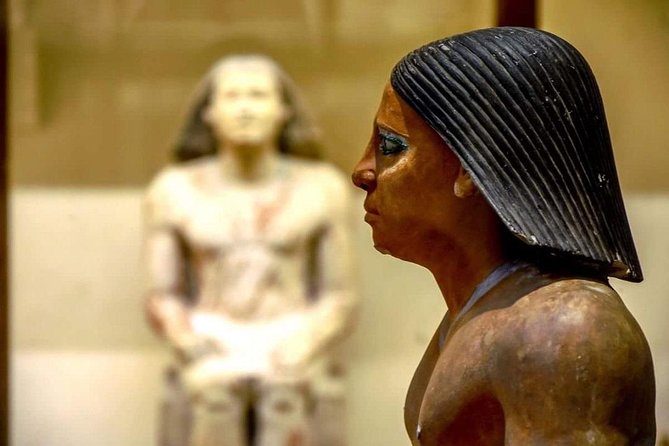
After the churches, you head to the Museum of Egyptian Antiquities. The museum is described as covering about 5,000 years of Egyptian artifacts, including Tutankhamun’s treasures. It’s a place where it’s easy to lose time if you don’t have a plan, so the value of this tour is that you get a set time block.
You’re allocated about 2 hours, and admission is not included. That means you should bring some extra cash or confirm the ticket cost in advance. It also means you may want to ask your guide what to prioritize once you arrive, since you likely can’t see everything in two hours.
If you’re deciding whether the museum is worth it for your interests, here’s the practical angle: if you love the big-name artifacts and want a curated sense of how the collection spans millennia, this time is a good match. If you want only a narrow slice, use your guide’s eye to avoid wandering.
Islamic Cairo: Muizz Street and the medieval city corridor
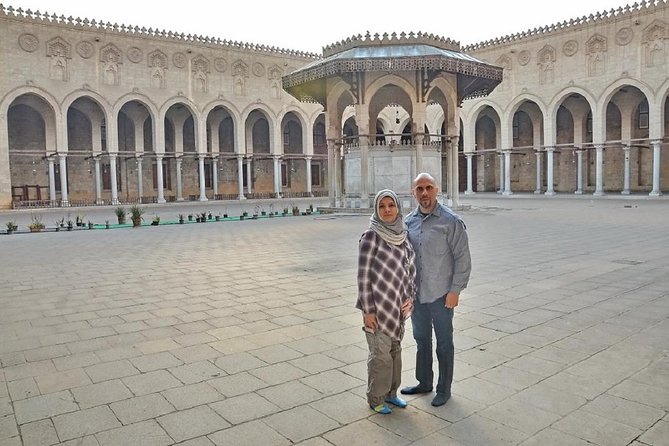
Next you transition into Islamic Cairo, the old walled-city core around the Citadel. The area is described as having hundreds of mosques, tombs, madrasas, mansions, caravanserais, and fortifications from the Islamic era. It’s also tied to UNESCO recognition, with Historic Cairo described as one of the world’s oldest Islamic cities, reaching its golden age in the 14th century.
You’ll spend about 1 hour here, with admission included. That hour is better understood as a structured orientation—getting you oriented on what medieval Cairo looked like and how the city’s “center of gravity” shifted over time.
Muizz Street: the open-air medieval arcade
Then the tour focuses on Sharia al Mu’izz li-Din Allah, also known as Al Moez Ldin Allah Al Fatimi Street. This is described as one kilometer long and as having one of the highest concentrations of medieval architectural treasures in the Islamic world. Renovations starting in 1997 turned it into an open-air museum, with improvements to historical buildings, paving, and sewerage.
You’ll have about 25 minutes on this stretch. That’s short, so the goal is to pick a few buildings to notice closely rather than trying to memorize the whole street. Use this as your “read the street” moment: arches, façades, and transitions between civic and religious buildings.
Bab al-Futuh: the Conquest Gate details
The route includes Bab al-Futuh (Conquest Gate), finished in 1087 and facing north at the northern end of Muizz Street. This gate was part of fortifications associated with Badr al-Jamali and the Fatimid caliph Mustansir. The description notes defensive design features like rounded towers and arrow slits, plus shafts for pouring boiling water or burning oil on attackers.
You’ll spend about 20 minutes, with admission included. This is a great example of why a guided day beats a vague wandering plan. Even just a few minutes with the right context can turn a gate from “a wall with writing” into “a machine for defense.”
Sultan Al-Ghuri complex: Wekalet El Ghouri area
After the gate, you stop at Wekalet El Ghouri Arts Center, connected to the Sultan Al-Ghuri complex built between 1503 and 1505. The complex is described as including a khanqah, mausoleum, sebil-kuttab, mosque, and madrasa, and it spans both sides of Muizz Street. The tour assigns about 20 minutes here, with admission included.
This spot helps you connect the street corridor to institutional life: education, worship, and water distribution all in one area. Even in a short time window, you can grasp how medieval Cairo functioned like a network rather than a set of isolated monuments.
Khan Al-Khalili bazaar: shopping with a plan, not a headache
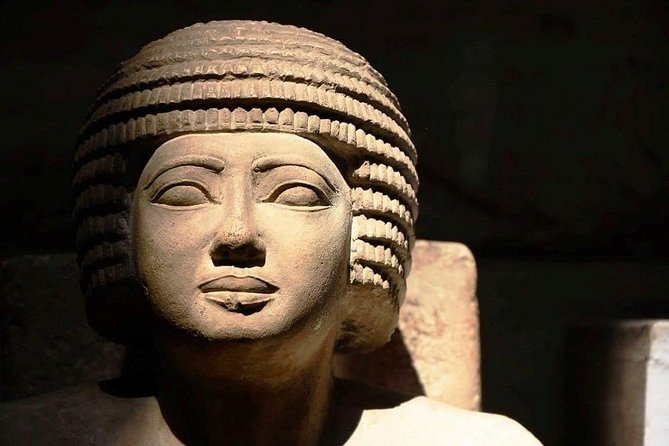
Finally, you reach Khan Al-Khalili, one of Cairo’s most famous souks in the historic center. The tour description gives it about 1 hour, with admission included. This is where you can stock up on souvenirs and see everyday commerce in the same part of town that holds centuries-old architecture.
Here’s my practical approach for bazaar time: decide what category you’re shopping for before you walk in. You’ll have much more fun if you’re hunting for a few targeted items instead of trying to browse everything at once.
Also, keep expectations realistic. A bazaar can be sensory overload. The private guide still helps because they can point out what’s worth a look and when to step back and regroup. The hour is enough to browse and buy without turning the whole day into a negotiation marathon.
Price and value for $129: where the money goes
At $129 per person, you’re paying for more than sightseeing. You’re buying private transfers, an air-conditioned vehicle, Wi‑Fi on board, and a guided day that covers multiple neighborhoods in one shot. The tour also includes a restaurant lunch and bottled water, plus a private Egyptologist-style guide.
The value sweet spot is the logistics. Cairo distances can be real, and Old City navigation can be stressful. This plan gives you scheduled stops across Citadel to Coptic Cairo to Islamic Cairo, which would be harder to assemble yourself with the same level of context.
Now the cost reality check: entrance fees are mixed. The descriptions note that entrance fees are at your own expense, but several Coptic and Islamic Cairo elements list tickets as included, while the Citadel and the Egyptian Museum list admission as not included. That means your true out-of-pocket can land noticeably higher if you add those missing entrances.
Practical tips to make this day work
A private day works best when you show up ready to move smart. Start with comfortable shoes, since this route includes gates, stairs at the Hanging Church approach, and lots of walking across historic streets. Dress with shoulders and knees covered if you can; some church or mosque areas can be strict about appearance.
Bring cash for any admissions marked as extra, and keep your phone charged for the mobile ticket option. Even though Wi‑Fi is included on board, you’ll still want offline maps as a backup.
Also, use your guide’s time. Ask questions in plain language: what connects one site to the next, and what you’ll miss if you only half-look. That’s the difference between collecting photos and understanding what you’re seeing.
If you want the best guide fit
One guide name that came up is Hamada, described as friendly and helpful, with the ability to make suggestions and adjust timing based on your interests. I can’t guarantee every guide is the same, but you can use the idea: if your guide asks what you prefer, take a moment and tell them what you want most. If you’re excited about Coptic Cairo, say so early and ask for enough time there.
On the flip side, there can be surprises. One past booking described a mismatch in language plans shortly before departure. So if language matters, confirm it clearly at booking and again the day before you leave.
Should you book this Cairo tour?
Book it if you want a single, guided day that hits the Citadel, key Coptic Cairo sites (including the Hanging Church), the Egyptian Museum, and Islamic Cairo’s Muizz Street and gates, ending at Khan Al-Khalili. It’s a smart choice for first-timers who don’t want to spend their energy on route planning and ticket logistics.
Skip it or choose another option if you’re allergic to added entrance costs at the Citadel and Egyptian Museum, or if you know you only want one area (like strictly Islamic Cairo or strictly museum time). Also, if you care deeply about tour language, treat it as a confirm-ahead detail, not a hope-for-the-best item.
Bottom line: for $129, you’re paying for time saved and context gained. With the right expectations (and a little extra budget for admissions), it’s one of the more efficient ways to see downtown Cairo without feeling lost.
FAQ
How long is the tour?
It runs about 7 to 10 hours, depending on timing and how the day moves between sites. It starts at 9:00 am.
Is hotel pickup and drop-off included?
Yes. You get pickup and drop-off from any hotel within Cairo, using a private vehicle.
Are entrance tickets included?
Some admissions are included for several Coptic Cairo and Islamic Cairo stops, but others are not included. The Cairo Citadel and the Museum of Egyptian Antiquities list admission tickets as not included.
What’s included in the price besides the guide?
You get air-conditioned transportation, private transfers, Wi‑Fi on board, bottled water, and a lunch at a local restaurant with a Nile view. The tour also includes a private guide and a mobile ticket.
Is this tour private or shared?
It’s private. Only your group participates.
What is the cancellation policy?
You can cancel for a full refund if you cancel at least 24 hours before the experience’s start time. If you cancel less than 24 hours before, the amount paid is not refunded.