REVIEW · CAIRO
Shared Full Day Tour to Giza Pyramids from Giza
Book on Viator →Operated by Nice tours · Bookable on Viator
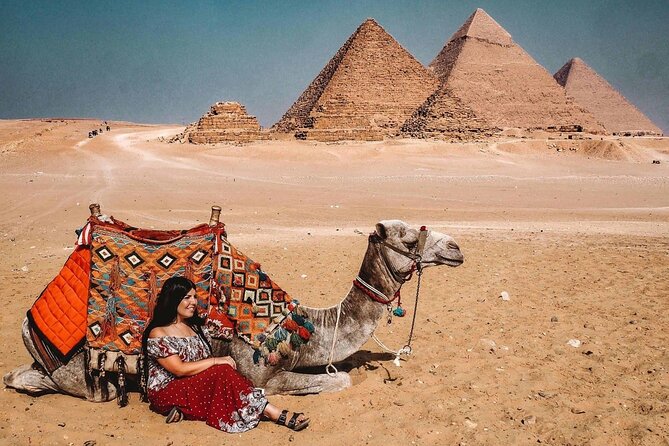
One morning and you’re staring at a wonder of the world. This shared Giza tour is built around quick hotel pickup and a guided look at the Great Pyramid, the Sphinx, and the three main pyramids (Khufu, Khafre, Menkaure), plus time for photos and even a camel ride across the desert.
The two biggest wins for me are how much you cover for a low $10 per person and how the guide keeps the story clear without turning it into an overstuffed lecture (one guide named Miriam is specifically praised for explaining in English in a not-too-overwhelming way). One thing to consider: tickets are not included, so you should budget for entry costs and any optional extras when you arrive.
In This Review
- Key Highlights You’ll Actually Care About
- Why a Shared Morning Trip to Giza Makes Sense
- 8:00am Pickup in Giza: Less Stress, More Looking
- Your Guide Makes the Difference: Clear Explanations at the Sphinx
- Khufu, Khafre, Menkaure: Seeing the Three Pyramids Up Close
- The Sphinx Stop: Photos and Context Without the Confusion
- Camel Ride Time: The Desert View Add-On for Your Photo Roll
- Price and Value: What $10 Really Buys You in Giza
- Pacing for a 2.5-Hour Visit: How to Make It Feel Longer
- What to Expect From the Overall Experience
- Who This Tour Fits Best (and Who Should Rethink It)
- Should You Book This Shared Giza Pyramids Tour?
- FAQ
- What time does the shared tour start?
- How long is the Giza Pyramids and Sphinx experience?
- What’s included in the price?
- Are tickets included?
- Is there a camel ride?
- How large is the group?
- Can I cancel and get a full refund?
Key Highlights You’ll Actually Care About
- Hotel pickup and drop-off from Giza saves you from the hassle of figuring out transport first.
- A real in-person guide (English, Spanish, French, or German) helps you understand what you’re seeing.
- Three pyramids covered: Khufu, Khafre, and Menkaure, not just a quick drive-by.
- Sphinx photos with guidance so you know the best angles and what you’re looking at.
- Small group up to 15 keeps the pacing workable for a short, morning-focused visit.
Why a Shared Morning Trip to Giza Makes Sense
If you’re short on time in Cairo, a tight Giza outing can be a smart move. You’re focused on the core sights: the Sphinx area and the big three pyramids, with guidance that helps you connect the shapes and scale to real people and real building choices from ancient Egypt.
This tour also fits the reality of first-time pyramid visits. The Great Pyramid complex is impressive, but it can feel confusing if you’re just wandering. With a guide, you get direction fast—what to look for, why certain monuments matter, and how they relate to the broader idea of royal power and planning. The added benefit is that it’s structured: you’re not forced to plan routes, timing, and meeting points on your own.
The “shared” part isn’t a drawback by default. With a maximum of 15 travelers, the group stays small enough to stay moving and still get answers, without the pressure of an ultra-private schedule.
A few more Cairo tours and experiences worth a look
8:00am Pickup in Giza: Less Stress, More Looking
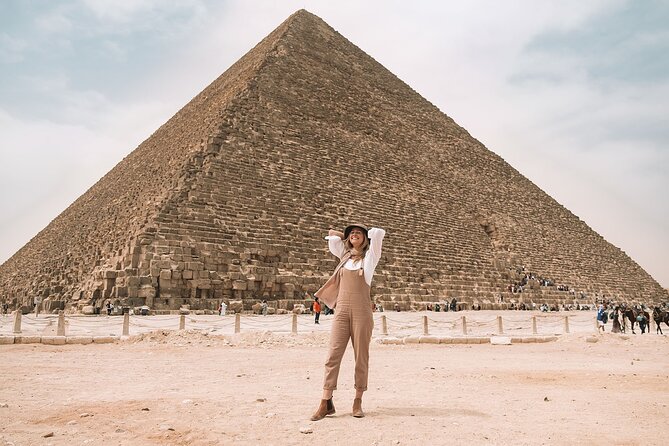
Your day starts with a morning pickup. The start time is 8:00am, and the tour uses a private air-conditioned car for the drive from your hotel area to the Giza monuments. That matters in Cairo, where heat and traffic can scramble your timing fast—having transport handled is one of the practical reasons this tour gets such strong ratings for value.
From a comfort standpoint, pickup and drop-off are huge. If you’re staying in Giza, you won’t need to hunt down taxis or negotiate your way back after a long walk around the pyramids. And because the tour is described as having a meeting point near public transportation, it also hints that there’s a reasonable local access plan if you’re not exactly at the pickup doorstep.
One note to keep your expectations aligned: this is a short tour (about 2 hours 30 minutes). That’s ideal for many people, but it means you’ll want to keep your “wander time” realistic. You’ll be moving and stopping for guided viewing and photos, not drifting for hours.
Your Guide Makes the Difference: Clear Explanations at the Sphinx
The heart of the experience is the guide’s on-the-ground storytelling. This tour includes an in-person English, Spanish, French, or German guide, and the goal is straightforward: explain what you’re seeing, what it meant, and how the monuments were designed.
What I like here is the “not too overwhelming” approach. One of the guides—Miriam—is praised for explaining historical facts in English clearly and in a way that doesn’t drown you in details. That’s exactly what you want at Giza. You can’t absorb everything in a single morning, and too much information can make the place feel like homework.
A good guide also helps you get better photos. You’ll spend more time looking with purpose instead of guessing. When someone tells you where to stand, what direction to face, or how the Sphinx sits in relation to the pyramid complex, you stop taking random shots and start collecting the images that actually show scale and composition.
Khufu, Khafre, Menkaure: Seeing the Three Pyramids Up Close
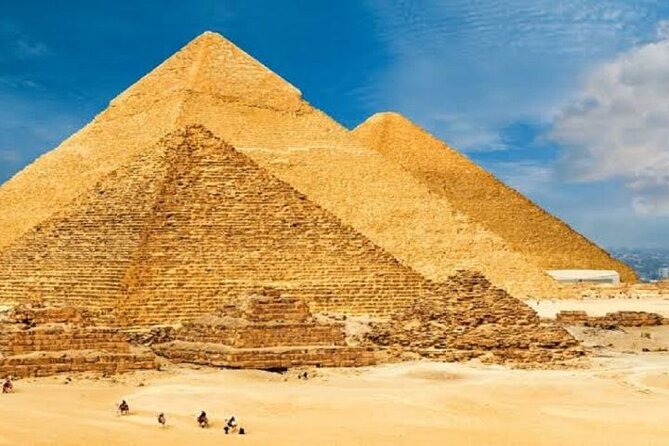
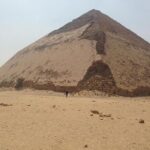
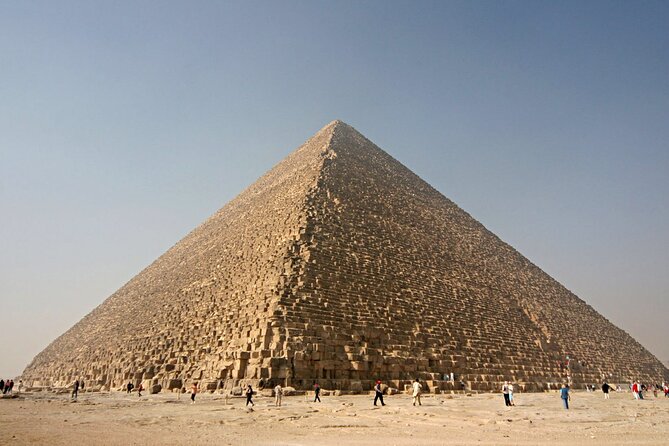
At the main Giza stop, you get time to explore the three famous pyramids: Khufu, Khafre, and Menkaure. This matters because these aren’t interchangeable icons. Each one helps you understand the evolution of pyramid-building and the choices made about size, structure, and presentation.
In a short guided visit, you’re unlikely to get a full technical lecture. Instead, you’ll get the practical “what to notice” essentials:
- How each pyramid visually differs, even when you’re seeing them quickly
- How they’re grouped and why the complex layout matters
- What you should look for in terms of structure and landmark placement
The value here is that you’re not just standing in front of three huge blocks and hoping it makes sense. You’re guided through the logic of the site. That’s especially useful if you’ve only ever seen the pyramids in photos, where perspective is doing most of the work.
One consideration: the tour length is limited. If you’re the type who wants to linger at every corner, this may feel a bit “tight.” It’s still enough time for close viewing and photos, just don’t expect hours of slow roaming.
The Sphinx Stop: Photos and Context Without the Confusion
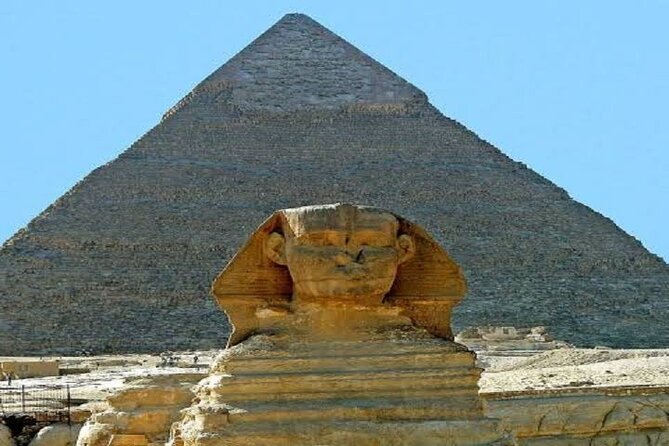
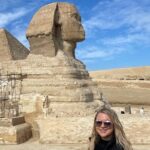
The Sphinx is the moment most people came for, and this tour builds time around it. You’ll photograph the Sphinx and get guidance while you’re there, which is the smart way to do it. The Sphinx area can be crowded and busy in peak hours, and it’s easy to lose the thread of what you’re looking at if you don’t know where to focus.
Even with limited time, a guide can help you interpret the features and setting. You’ll get context on why the Sphinx sits where it does, how it relates visually to the surrounding monuments, and what makes the site feel so tightly connected as a single ancient landscape.
If you care about getting your best “wow” shot, plan to be ready to move when your guide says to. The tour is built for short, efficient viewing, so waiting too long at a single angle can squeeze your other stops.


Camel Ride Time: The Desert View Add-On for Your Photo Roll
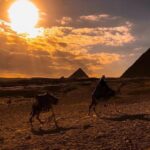
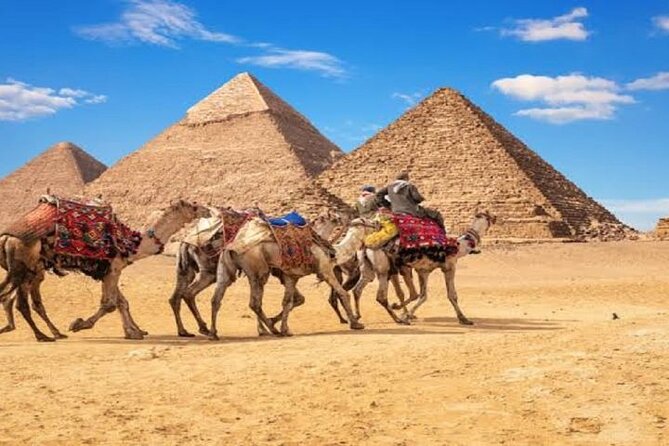
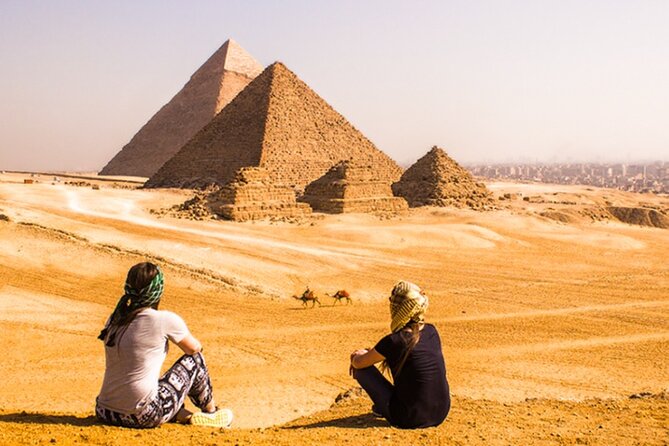
One of the most memorable parts of this experience is the chance to do a camel ride across the desert and enjoy views of the pyramids. Even if you don’t consider yourself a “camel person,” it can be a fun way to change your perspective. Walking around the complex gives you one kind of viewpoint; riding across open sand gives you a different sense of scale.
Just be realistic. The time slot is part of a short tour, so your camel ride may be brief. Also, tickets and tips are not included, and the description doesn’t clearly spell out whether the camel ride itself is included in the base price. When you book, it’s worth clarifying what’s included versus what’s paid as an add-on once you arrive.
If you do the ride, bring patience and keep your focus on the view. Your goal is the iconic pyramid line in the background, not perfect comfort. And yes, your camera will earn its keep here.
Price and Value: What $10 Really Buys You in Giza

At $10 per person, this is priced for affordability. The real question is value: what you get for the money, and what you’ll likely pay separately.
Here’s the practical breakdown:
- Included: pickup and drop-off, transportation, and an in-person guide
- Not included: tickets and tips
That means your $10 mostly covers the guided sightseeing service plus getting you there and back without you organizing the logistics. That’s a good deal if you want a structured morning and don’t want to wrestle with transport.
But don’t ignore the ticket line. With major Egyptian sites, entry costs can add up. Since tickets are marked not included, treat that as a budget item rather than a detail to ignore. The itinerary description also shows “Admission Ticket Free” for a portion of time, which conflicts with the general note that tickets aren’t included. The safest move is to confirm at booking what you’re expected to pay on arrival and what’s covered in your specific package.
Also consider tips. The tour asks that tips are not included, which is typical for guided experiences. If the guide helps you get more value out of the site—clear explanations, good pacing, and a smoother route—you’ll likely feel good about tipping.
Pacing for a 2.5-Hour Visit: How to Make It Feel Longer
A 2 hours 30 minutes tour is short by design. You’ll get a morning start, travel in the car, then guided time at the key monuments. This schedule works well if you’re trying to tick off Giza without sacrificing your whole day.
To make the most of that pacing:
- Arrive ready for a guided flow. Don’t plan extra stops of your own.
- Think of photos as part of the guide’s timing, not something you do “after everything.”
- Keep your questions simple. Ask what you’re looking at right now and why it matters.
Because the group size max is 15 travelers, you should have enough room for questions without waiting forever. Still, it’s a shared format, so you’ll be moving as a group, not customizing the day minute by minute.
If you want maximum time at one single pyramid, you might prefer a longer private option. But if you want the essentials with guidance and comfort, this one hits the sweet spot.
What to Expect From the Overall Experience
This tour is built as a straightforward “see the classics” plan:
- Morning pickup from Giza
- Ride in an air-conditioned car with a group
- Guided exploration at the main pyramid area
- Time focused on the three pyramids and the Sphinx
- Optional-feeling camel ride time for desert views and photos
It’s also set up for smooth communication. You receive confirmation at booking time, and you’ll use a mobile ticket. The tour is near public transportation, which can help if you’re staying close to a transit area.
Language support is a practical feature too. Not everyone tours in English, and having options like French, Spanish, and German means the guide can meet you where you are. If you’ve ever sat through a tour where you’re missing half the facts, you’ll appreciate this.
Who This Tour Fits Best (and Who Should Rethink It)
This shared Giza tour is a strong match if you:
- Want a low-cost way to see Great Pyramid landmarks without planning transport
- Like guided context so the site feels less confusing
- Prefer a small group (up to 15) over a giant bus crowd
- Are visiting for a short window and want the highlights in one morning
You might reconsider if you:
- Need deep time at the pyramids and want long, slow exploration
- Are sensitive to structured schedules and group pacing
- Want everything included, especially tickets and any extras
It’s not a bad sign that the tour is priced low. It usually means it’s built for efficiency: you pay for the guiding and logistics, then handle entry and tipping separately.
Should You Book This Shared Giza Pyramids Tour?
I’d recommend booking if you want a simple, affordable Giza morning with real guidance. The combination of pickup, an in-person guide, and a small group makes this feel like good use of time, not a rushed ticket stamp.
I’d also suggest you book with eyes open about two things: tickets and optional add-ons like the camel ride. Since tickets are listed as not included and the itinerary mentions “admission ticket free” for part of the experience, confirm what you’ll pay so there are no surprises.
If your goal is the Great Pyramid area, the Sphinx photos, and a clear explanation that won’t overwhelm you, this tour is built for that.
FAQ
What time does the shared tour start?
The tour starts at 8:00am.
How long is the Giza Pyramids and Sphinx experience?
It runs for about 2 hours 30 minutes (approx.).
What’s included in the price?
The tour includes pickup and drop-off, transportation, and an in-person English, Spanish, French, or German guide.
Are tickets included?
Tickets are not included.
Is there a camel ride?
The experience description includes time to enjoy a camel ride across the desert for views and photos, but ticket and add-on inclusions aren’t fully specified in the provided info.
How large is the group?
The tour has a maximum of 15 travelers.
Can I cancel and get a full refund?
Yes. You can cancel for a full refund up to 24 hours before the experience starts.
If you want, tell me where you’re staying (Giza neighborhood or hotel name) and your group size, and I’ll help you sanity-check whether this timing and format will feel good for your day.