REVIEW · CAIRO
Pyramids of Giza half-day tour
Book on Viator →Operated by Welcome2Egypt · Bookable on Viator
Pyramids feel real when your guide plans the angles. This half-day Pyramids of Giza tour (3 to 4 hours starting at 8:00 am) is built around photo-first stops and the kind of context that turns monuments into stories, from the Valley Temple of Khafre to a Great Sphinx theories talk. One thing to plan for: admission tickets and meals may cost extra, since tickets are listed as not included even though some stops reference admission and a final food stop.
The group stays small (up to 8 travelers), and your route can be customized to your pace and preferences. Your meeting point is the Giza Pyramids ticket office area in Al Haram, and the tour ends back there, so you’re not stuck figuring out how to get out afterward.
In This Review
- Key highlights to know before you go
- 8:00 am in Giza: small group pace and custom timing
- Giza Plateau stop: pyramids, Sphinx views, and pro photo time
- Valley Temple of Khafre: mummification and purification in 30 minutes
- Great Sphinx stop: seven theories, plus time for your best shot
- Camel ride and desert comfort: how to plan your 1-hour slot
- Kشري حكايه meal stop: what to expect at the end
- Price and value at $60 per person
- Should you book this Pyramids of Giza half-day tour?
- FAQ
- How long is the Pyramids of Giza half-day tour?
- What time does the tour start, and where is the meeting point?
- What is included in the tour price?
- Are admission tickets included?
- What do you do at the Valley Temple of Khafre?
- What happens at the Great Sphinx stop?
- Is the meal at the end of the tour included?
- What is the cancellation policy?
Key highlights to know before you go
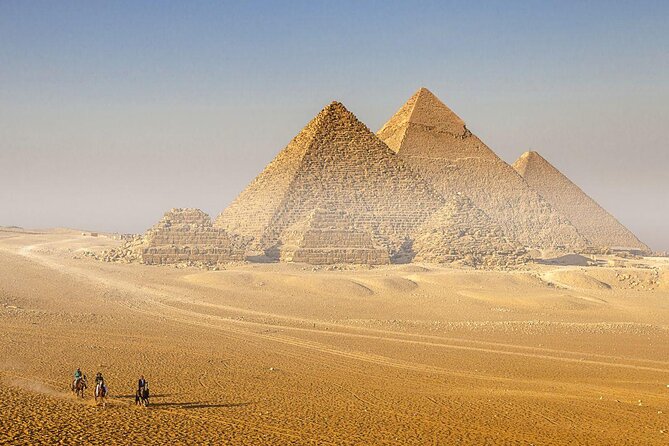
- Photo-first pacing across the Giza Plateau so you’re not just walking through, you’re aiming for the good angles.
- Valley Temple of Khafre stop with explanations tied to mummification and purification.
- Great Sphinx theory session covering seven theories and how historians think about them.
- Camel ride included (1 hour) with bottled water to keep you moving.
- Small group size (max 8), which makes it easier to ask questions and adjust your timing.
8:00 am in Giza: small group pace and custom timing
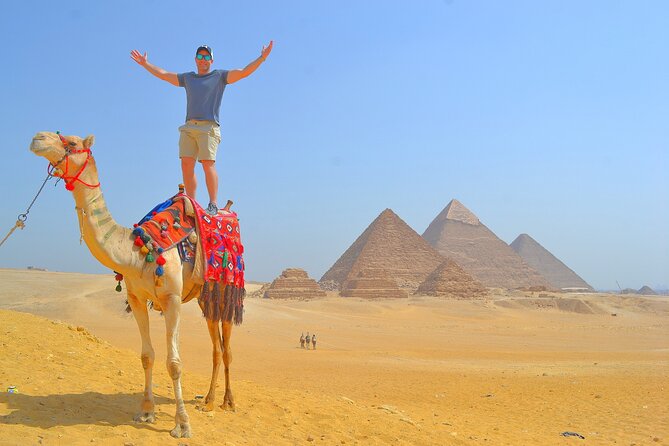
This tour runs for about 3 to 4 hours, starting at 8:00 am. That early start matters more than it sounds. For photos, the light is usually friendlier earlier in the day, and for comfort, morning is typically easier on your patience (and your hat) than later sun.
The group limit is 8 travelers, which is the sweet spot for this kind of site. You don’t want to be one face in a crowd. Here, you’re more likely to get the guide’s attention when you stop for photos, and you can adjust how long you want to linger in specific areas.
One neat touch: the experience is described as fully customized to match your preferences, with the duration and activities tailored to your needs. That usually means you can balance history talk versus photo time, or slow down if someone needs a break.
A few more Cairo tours and experiences worth a look
Giza Plateau stop: pyramids, Sphinx views, and pro photo time
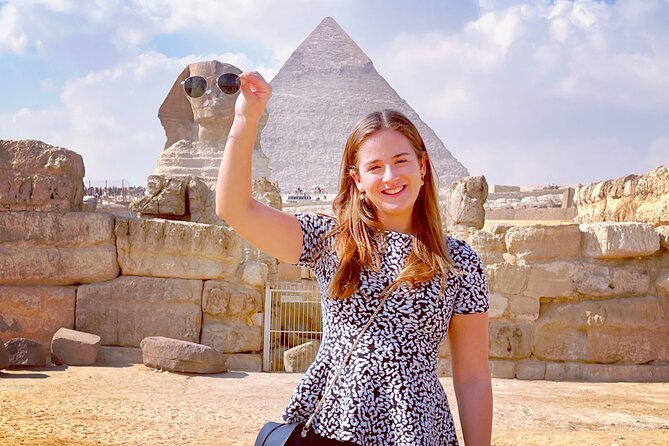
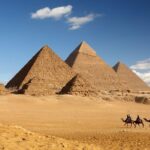
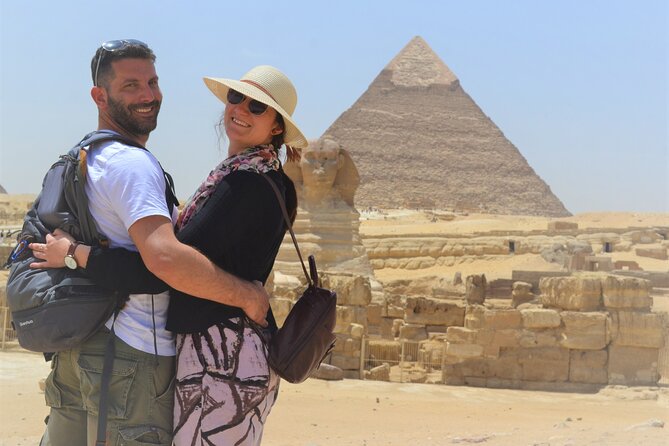
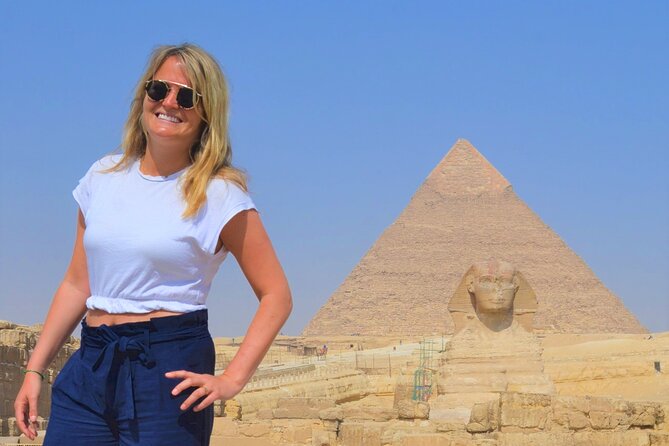
Your main chunk of the tour is spent at the Pyramids of Giza archaeological site, with time designed to cover the big sights in a logical route. You start at a point where you can see and photograph the pyramids with the Sphinx in the frame, so you get the “wow” view early instead of saving it for the end.
From there, the plan is to explore the three pyramids one by one. Even if you’ve seen the pyramids in photos a hundred times, walking the site changes everything—scale hits you differently when you’re standing next to it. It’s also easier to understand how the complex is laid out when you can move between vantage points rather than rushing one sweep.
The standout promise here is photo support. The tour description says your guide will make sure you take the best pictures, and it specifically mentions using a professional camera during the tour. Several guides referenced in recent feedback are also described as helping with photo results in a more hands-on way, including editing. That’s not guaranteed for every guide, but it’s a strong sign that this tour aims to get you usable photos, not just scenic ones.
A practical way to get more out of the photo time:
- Bring your charging needs (phone power matters in the heat).
- Wear something that won’t distract you in photos—solid colors and simple layers photograph well.
- If you care about classic pyramid angles, ask right away where the guide wants you standing before you move on.
For logistics: the main pyramids stop is listed at about 2 hours 30 minutes, and it notes admission tickets are not included for this part. Translation: budget time and money for entry if you don’t already have the right tickets.
Valley Temple of Khafre: mummification and purification in 30 minutes
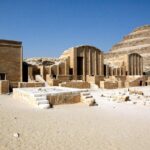
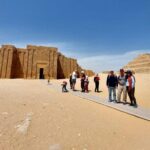
After the plateau, you’ll head to the Valley Temple of Khafre. This is a shorter stop—about 30 minutes—but it’s packed with explanations aimed at making the site feel connected to what people believed and practiced.
The tour focuses on what happened to the body of King Chefren/Khafre, describing mummification and the purification process. Even if you know the basic idea of mummification, you’ll likely leave with a clearer sense of the steps and the purpose behind the practice, because the guide is expected to explain it on-site instead of using a vague history lecture tone.
There’s also a structural highlight: the valley temple has a chamber that leads toward the Sphinx area, and that connection is part of how the tour transitions to the next stop.
How to make this stop work for you:
- Listen closely during the explanations, but don’t be afraid to ask a quick question.
- If you want photos here, do it right after the key point is explained so you know what you’re photographing.
- Since it’s only 30 minutes, plan to move when the guide says move. This stop rewards attention, not lingering in one doorway.
Admission/tickets here are described as included in the itinerary for this segment, but the overall tour details also say tickets aren’t included. In real life, that means you should confirm what’s covered before you show up, especially if you’re traveling on a tight budget.
Great Sphinx stop: seven theories, plus time for your best shot
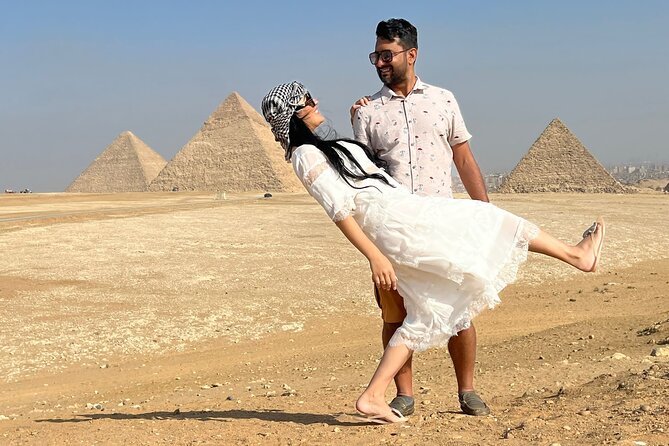
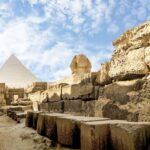
Next comes the Great Sphinx. Your time here is also planned for about 30 minutes, and it has two parts: a discussion and then picture time.
The discussion is built around seven different theories and opinions about the Sphinx, including what historians think. That’s useful because it keeps the conversation from turning into only one story. You get to hear the range, and then you hear how historians interpret the monument based on the evidence they have.
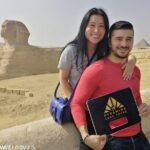
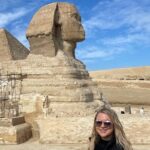
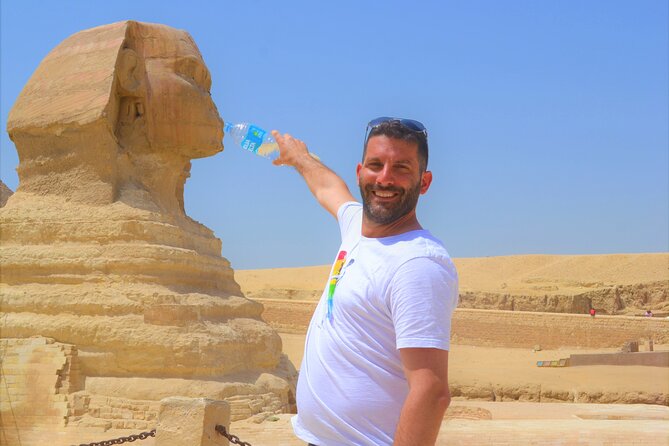
Then you get more time specifically for the best photos with the Sphinx. This is where the earlier stop pays off. Once you’ve walked the Giza area and seen the pyramids from several angles, the Sphinx becomes easier to frame in a way that makes sense visually.
If you’re picky about photos (I get it), use this as your final “serious camera” moment. Move slowly, try a couple of angles, and then commit. The Sphinx is one of those subjects where small position changes make a big difference in how it looks in the frame.
One more practical note: Sphinx viewing can mean standing in direct sun. Bring sunglasses and consider a light scarf or hat. It helps you stay comfortable so you don’t rush the photo part.
Camel ride and desert comfort: how to plan your 1-hour slot
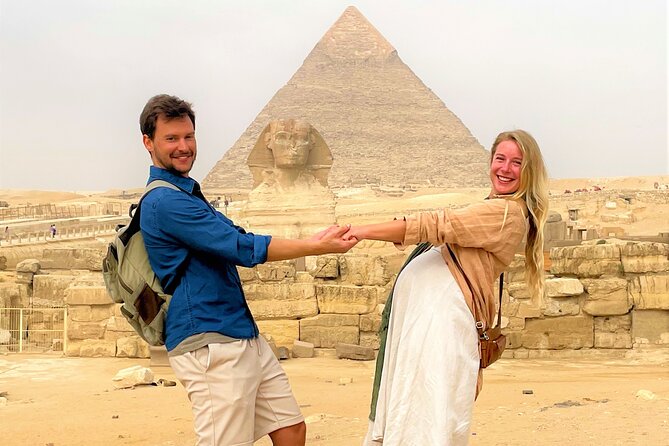
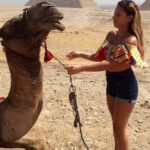
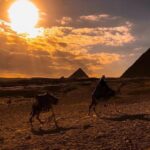
A camel ride (1 hour) is included, plus bottled water. That’s a good value add because it’s one of the expensive add-ons many people end up paying separately on other tours.
That said, camel rides are physical. You’ll be sitting on a moving animal, in heat, often with some waiting time. The tour doesn’t spell out when the ride happens inside the route, so treat it like your “energy management” block. If you have a choice in the moment, pick the timing that best fits your comfort and photo priorities.
Comfort checklist for the camel ride:
- Wear closed-toe shoes with a solid grip.
- Bring sun protection since you’ll be out in open areas.
- Keep water nearby and sip steadily rather than chugging.
Also, the presence of a guide can matter. Several feedback notes describe guides as helping prevent overcharging and steering you away from hassle. I wouldn’t assume everything will be perfect, but if you’ve ever had a “random extra charge” appear in Egypt tourism, you’ll appreciate having someone with you who knows how to keep the experience on track.

Kشري حكايه meal stop: what to expect at the end
At the end of the tour, there’s time labeled for a classic Egyptian meal at a restaurant near the pyramids, with the stop name listed as كشري حكايه (Koshary Hakaya). The schedule shows 30 minutes here.
Here’s the one thing to double-check: meals are listed under not included, while this stop is described in the itinerary as something you will have at the end. That contradiction happens sometimes in how tours list inclusions, so don’t assume it’s fully covered.
Best move:
- Ask the guide or operator before the tour starts whether your meal is included in the price.
- If it’s not included, find out what’s typical and how payment is handled.
Even if you pay for the meal separately, the timing is still smart. You’re done with the intense walking and photo stops, so you can refuel without losing half a day hunting down food.
Price and value at $60 per person
The price is $60.00 per person, for a half-day experience around 3 to 4 hours. For Cairo and the Giza plateau, that’s not just “cheap.” It’s value-focused because it includes several things that are often separate on other tours:
- Professional tour guide
- Camel ride (1 hour)
- Bottled water
What’s not included (and what affects your real cost):
- Tickets are listed as not included
- Meals are listed as not included
- Extras not mentioned in the itinerary
So the $60 isn’t the whole story, but it does cover the structure: guide time, the camel ride, and water. If you’d rather buy fewer add-ons, this package style can work well. If you already have tickets and plan to eat on your own, you might compare prices with a base tour to see whether you’re paying more than you’d like for the camel ride and guide.
One more value point: the tour is described as customized and photo-focused. That’s the kind of thing you only feel after you’ve been on a generic tour where everyone is stuck following the same pace. Here, the goal is that you come away with better photos and clearer context.
Should you book this Pyramids of Giza half-day tour?
Book it if:
- You want a small-group Giza experience rather than a big bus feel.
- Photos matter and you like the idea of having a guide help you get the right shot.
- You want more than “standing by a pyramid,” including the Valley Temple of Khafre and a Sphinx talk with multiple theories.
- You plan to do the camel ride, since it’s included here.
Skip or re-check details if:
- You’re budgeting tightly and don’t want extra costs beyond the headline price. Since tickets and meals show as not included, confirm what you’ll pay for on-site.
- You hate short stops. The itinerary moves quickly through the temple and Sphinx segments, and the main plateau time is about 2.5 hours.
My practical call: this is a strong pick for first-time Giza visitors who want structure, photos, and context without giving the site your whole day. Just budget for admission and double-check whether the end meal is truly included before you go.
FAQ
How long is the Pyramids of Giza half-day tour?
The tour runs about 3 to 4 hours.
What time does the tour start, and where is the meeting point?
The start time is 8:00 am, and the meeting point is at the Giza Pyramids Ticket office (Al Haram area, Giza).
What is included in the tour price?
Included items are a professional tour guide, a camel ride (1 hour), and bottled water.
Are admission tickets included?
Tickets are listed as not included. The itinerary also notes admission for specific stops, so you should confirm what admission fees you’ll need to pay at the gate.
What do you do at the Valley Temple of Khafre?
You visit the Valley Temple of Khafre and get explanations about mummification and the purification process, in a stop of about 30 minutes.
What happens at the Great Sphinx stop?
You’ll discuss seven different theories and opinions about the Sphinx, including what historians think, then you’ll have time for more Sphinx photos.
Is the meal at the end of the tour included?
A classic Egyptian meal is scheduled at the end of the tour, but Meals are listed as not included, so confirm what you’ll pay for.
What is the cancellation policy?
You can cancel for a full refund if you cancel at least 24 hours in advance. If you cancel within 24 hours, there’s no refund.