REVIEW · CAIRO
Private Tour 3-Days in Cairo, Giza & Luxor
Book on Viator →Operated by Egypt Royal Tours · Bookable on Viator
Early pyramids, Old Cairo churches, Luxor temples.
This private 3-day plan is a smart way to see Egypt’s headline sites without stitching the logistics together yourself. I like that you get an Egyptologist guide steering the story from the pyramids to Luxor, plus hotel pickup and air-conditioned transport.
Two standouts for me are the day built around Dahshur + Saqqara + Giza (you move through the pyramid story instead of jumping straight to Giza), and the “big moments” in Luxor, including Karnak’s Hypostyle Hall and the Valley of the Kings. One thing to consider: accommodation is not included, so you’ll need to add hotel nights to the total when comparing value.
In This Review
- Key reasons this tour works so well
- Three days that feel focused, not rushed
- Day 1: Dahshur, Saqqara, and Giza in one pyramid timeline
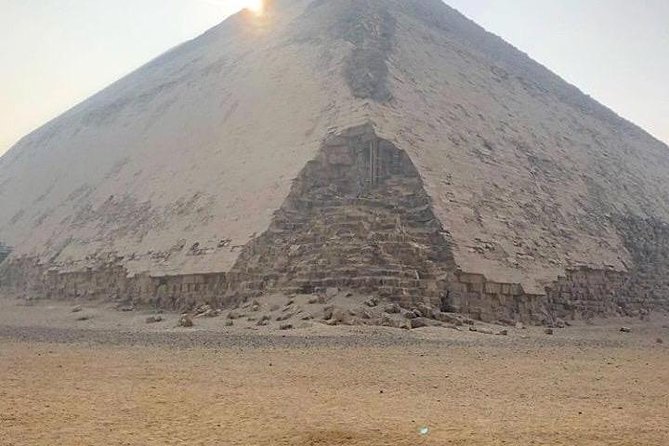
- Dahshur pyramids: Snefru’s Red and Bent Pyramids
- Saqqara: Zoser’s Step Pyramid Complex and Old Kingdom tombs
- Giza: Cheops, Chephren, Mycerinus, Valley Temple, and the Sphinx
- Day 2: Egyptian Museum, Coptic Cairo, Citadel viewpoints, and Khan El-Khalili
- Egyptian Museum: animal mummies, portraits, and Tutankhamen’s jewelry
- Coptic Cairo: Babylon fortress, Hanging Church, Abu Serga, and Ben Ezra
- Cairo Citadel and the Mosque of Mohammed Ali Pasha
- Khan El-Khalili: market history plus a final stroll
- Day 3: Flying to Luxor for Karnak, Hatshepsut, and the Valley of the Kings
- Karnak Temple: Amun and the Hypostyle Hall
- Hatshepsut’s temple (Dair El Bahari)
- Valley of the Kings and Luxor Temple
- Lunch and the return flight rhythm
- Guides make or break a tour like this
- Value and price: what you’re paying for, and what you still supply
- Practical tips so your days run smoothly
- Who should book this private Cairo and Luxor combo
- Should you book this tour?
- FAQ
- What’s included in the tour price?
- Does this tour include accommodation?
- How long is the tour?
- What time does the tour start?
- Is the Luxor flight included?
- Are meals included?
- Are entrance fees included for the sites?
- What’s the big focus of Day 1?
- What’s the plan for weather issues?
- Can I cancel for a full refund?
Key reasons this tour works so well
- Dahshur first gives context for Snefru’s Red and Bent Pyramids before you reach Giza
- Saqqara’s Step Pyramid Complex includes the oldest complete stone building linked to King Zoser
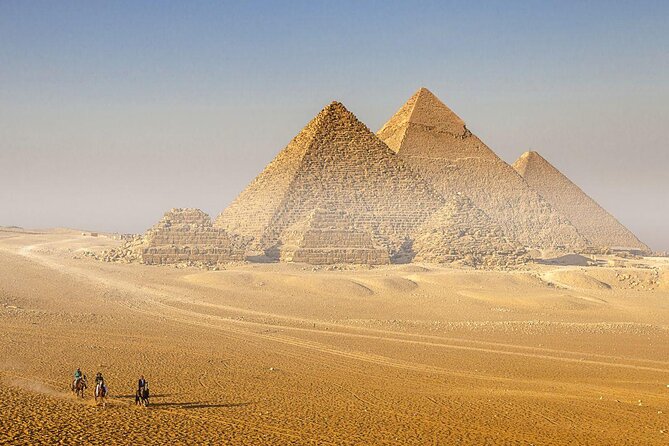
- Giza with Valley Temple + Sphinx keeps the visit focused, not just a quick photo stop
- Old Cairo day mixes Roman-era sights, churches, and synagogues with market time at Khan El-Khalili
- Flight to Luxor included means you get Karnak, Hatshepsut’s temple (Dair El Bahari), and the Valley of the Kings in one go
Three days that feel focused, not rushed
This is the kind of itinerary that makes sense if you want depth without spending your vacation chasing tickets, changing plans, or figuring out how to connect the sites. You start at 7:00 am, then you’re carried between stops in an air-conditioned vehicle with hotel pickup and drop-off.
The tour is private, so you’re not swallowed into a large group rhythm. The plan also includes entrance fees, snacks, and lunch every day, which matters in Egypt where a “cheap” tour can quietly turn into a spendy day once you add admissions and meals.
The itinerary is also built around Egyptian themes. Day 1 is the pyramid timeline. Day 2 is Cairo layered history, from ancient and Roman-era structures to Ottoman-era Cairo. Day 3 is Luxor’s New Kingdom core.
You can also read our reviews of more private tours in Cairo


Day 1: Dahshur, Saqqara, and Giza in one pyramid timeline
If you only have a short window, it’s tempting to cram Giza into a single day. I like that this tour starts at Dahshur, because it shows you the pyramid idea evolving rather than presenting only the final shape.
Dahshur pyramids: Snefru’s Red and Bent Pyramids
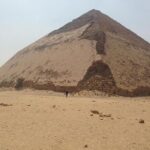
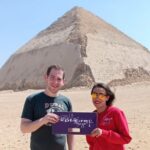
Dahshur is where you meet King Snefru through two landmarks: the Red Pyramid and the Bent Pyramid. The Red Pyramid is described here as the first true pyramid, and the Bent Pyramid is framed as the first attempt at that true-pyramid form.
There’s also a restoration story that adds meaning to the visit. The Bent Pyramid was closed until 1960 for restoration, then reopened to visitors in 2019 after work was completed. That kind of update changes the tone of the visit: you’re seeing a monument still in the process of being protected.
In practice, Dahshur is one of those stops where an Egyptologist guide makes your photos much better. Instead of just “pyramids,” you’re picking up the who-and-why behind the shapes and the dynasties.
Saqqara: Zoser’s Step Pyramid Complex and Old Kingdom tombs
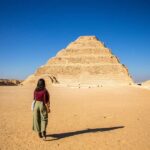
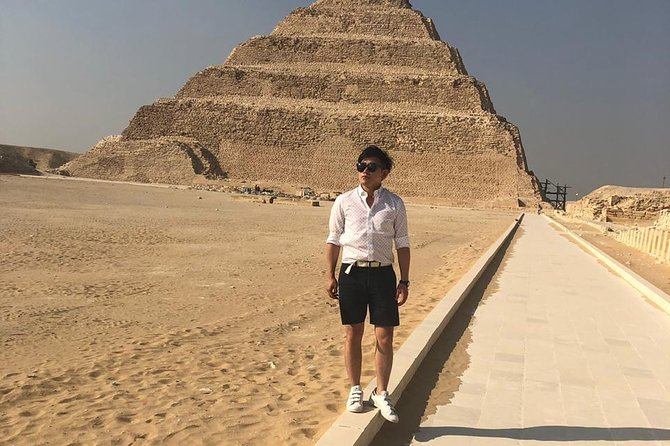
After Dahshur, the tour shifts to Saqqara, anchored by the Step Pyramid Complex of King Zoser. This is presented as the oldest complete stone building, which helps you understand why Saqqara matters beyond being a pyramid stop.
You’ll also see key Saqqara elements the itinerary calls out: the Pyramid of Unas (noted here as the first pyramid with texts inside), the causeway of Unas, plus the pyramids of Userkaf and Teti. The Teti pyramid is listed as accessible with pyramid texts inside, which signals you’re not just passing by stones—you’re meant to connect architecture to beliefs.
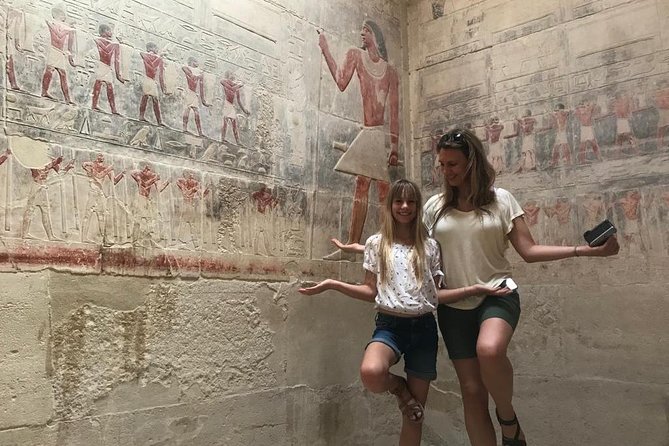
One of the best add-ons here is the tomb of Kagemni, described as a nobleman of the Old Kingdom around 2200 B.C. That’s a reminder that pyramids were part of a bigger world of officials, rituals, and afterlife beliefs. It’s not only about pharaohs.
Giza: Cheops, Chephren, Mycerinus, Valley Temple, and the Sphinx
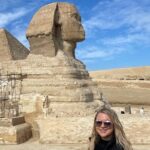
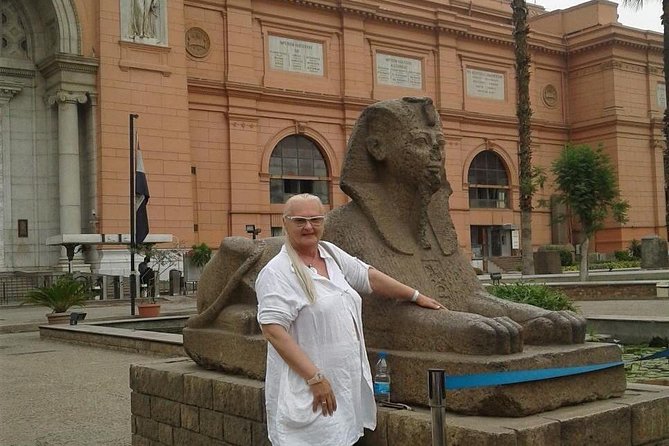
Then you arrive at Giza for the big names: the pyramids of Cheops, Chephren, and Mycerinus. The tour also includes Valley Temple, explained here as the place where they mummified the king’s body, plus time at the Great Sphinx.
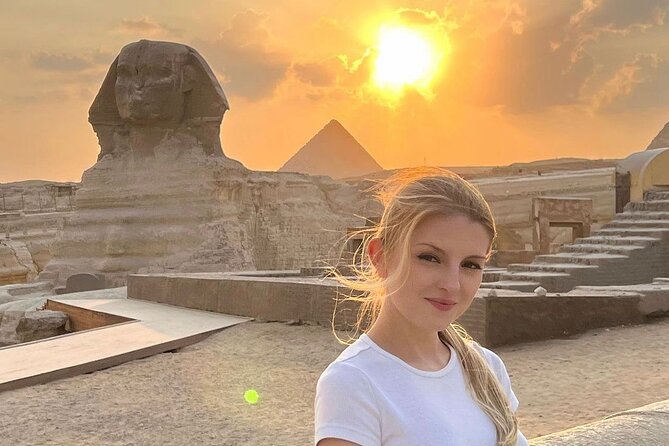
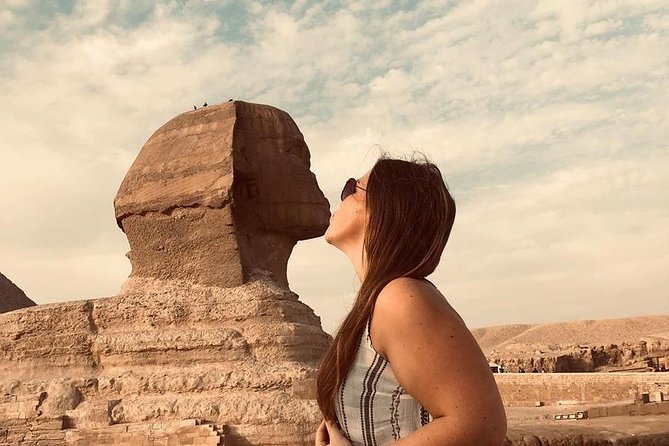
The Sphinx is described as the biggest and oldest carved sphinx in Ancient Egypt, linked to the time of Chephren (based on the itinerary’s details). You also get lunch at a “nice restaurant,” and then you head back to your hotel.
What I like about this structure is pacing. You’re not just sprinting from pyramid to pyramid. You get the Sphinx and Valley Temple, which are the parts that help you understand what the site was for, not just how it looks.


Day 2: Egyptian Museum, Coptic Cairo, Citadel viewpoints, and Khan El-Khalili
Day 2 is where Cairo feels like a stack of eras. You start with the Egyptian Museum, then move into Coptic Cairo, finish with the Cairo Citadel and end with market time at Khan El-Khalili.
Egyptian Museum: animal mummies, portraits, and Tutankhamen’s jewelry
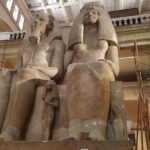
The museum stop is 2 hours, with admissions included. The itinerary highlights three areas that help you see why the museum is more than a souvenir building: the Animal Mummy room, mummy portraits, and King Tutankhamen’s jewelry.
Those are three very different windows into how Egyptians pictured the afterlife and honored beliefs. Even if you don’t read every label, an Egyptologist guide can connect objects to the larger story of burial, power, and ritual.
It’s also a practical stop. After a full pyramid day, the museum is a good way to shift into slower, more indoor time.
Coptic Cairo: Babylon fortress, Hanging Church, Abu Serga, and Ben Ezra
Next comes Coptic Cairo, focused on the Roman-era Fortress of Babylon and the Hanging Church. The itinerary also lists Church of Abu Serga, the Jewish Synagogue of Ben Ezra, and Saint George church, plus a visit to the cave where the holy family sheltered.
This stop adds texture that most “fast Cairo” plans skip. It’s not only about ancient Egypt; it’s about how Cairo kept changing, layer by layer, while still carrying sacred geography.
Cairo Citadel and the Mosque of Mohammed Ali Pasha
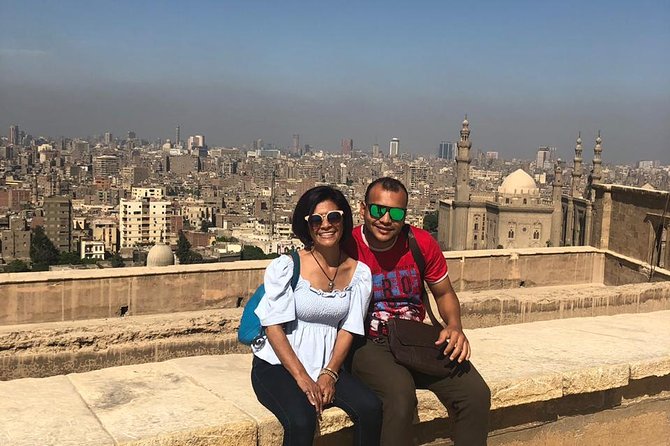
The tour then moves to the Citadel of Saladin, with time for photos and a panorama view from the citadel grounds. After that, you’ll visit the Mosque of Mohammed Ali Pasha, built in 1848 AD, described here as one of Cairo’s most recognizable mosques due to size and placement.
The itinerary notes it as a copy of the Hagia Sophia Mosque in Istanbul. That comparison helps you picture the citadel not just as local history, but as part of a wider architectural conversation across the region.
Khan El-Khalili: market history plus a final stroll
You end at Khan Al-Khalili Bazaar, described as Cairo’s biggest market. The itinerary includes a history lesson tied to the 14th century: Mamluk sultan Barqouq gave the land to his friend Jahrkas El Khalili, and the market was built after cemetery land connected to the Fatimins was destroyed to make way for the bazaar.
You’ll have around 2 hours, then you’re dropped back at your hotel.
This is a great ending to Day 2 because it balances all the “site” time with a social, sensory block. If you’ve been looking at stone for two days, a market stop gives you a different kind of Cairo—human scale, street scale, everyday pace.
Day 3: Flying to Luxor for Karnak, Hatshepsut, and the Valley of the Kings
Day 3 starts with pickup to the airport and a flight to Luxor. Once you arrive, the guide is waiting, and you jump into the Luxor highlights before returning to the airport for your flight back to Cairo.
The tour notes a 12-hour day for this portion. That’s long, but it’s also the point: you’re packing in the signature Luxor temples without sacrificing too much time to logistics.
Karnak Temple: Amun and the Hypostyle Hall
In Luxor, the day begins with Karnak Temple, specifically the temple of Amon and its Hypostyle Hall. Karnak is one of those places where scale can mess with your sense of time, and a good guide keeps the experience grounded.
The itinerary also mentions the Sphinxes Avenue, which sets you up for how Luxor’s temple spaces connect to processions and movement.
Hatshepsut’s temple (Dair El Bahari)
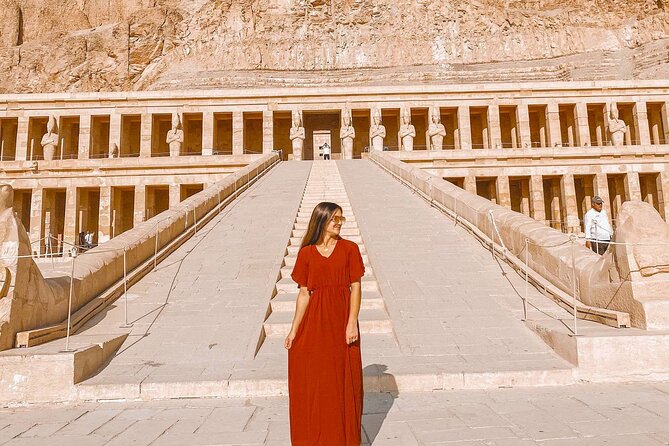
Next is Queen Hatshepsut’s temple, known here as Dair El Baharey. The guide’s role matters most on this stop because you’ll want to understand why Hatshepsut stands out and how the setting supports the message of the monument.
A temple like this is visually impressive, yes. But it’s also a story about power, legitimacy, and the way architecture can act like propaganda.
Valley of the Kings and Luxor Temple
Then you go to the Valley of the Kings, followed by Luxor Temple. The itinerary also includes two statues of Memnon, presented as part of the Luxor Temple area.
This is the arc I like: you move from temples of gods and kings, then into the dramatic afterlife landscape of the Valley of the Kings, and then back to the living-city setting of Luxor Temple.
Lunch and the return flight rhythm
After lunch, you transfer back to Luxor airport for your flight to Cairo. Because the flight is included, the plan is built to keep you from wasting time hunting down schedules.
Guides make or break a tour like this
This tour lives or dies by its Egyptologist guide, and the reviews show a clear pattern: people praise guides who can explain the history in clear language and bring it to life in ways that feel easy to remember.
Many past bookings highlight guides such as Sugar Queen (also named Hala), Mark, Dr. Mo, Muhammad, and Muhammad Raki. A few specific strengths show up repeatedly: strong English, lots of facts, friendly energy, and the ability to answer questions without turning the day into a lecture.
One detail I especially like from the feedback is that some guides use visuals to make the story click, including drawing explanations on paper at the pyramids. That’s not just a nice extra; it’s how you leave with understanding, not only photos.
If you want to get the most out of the day, use your guide’s strengths. Ask short questions like why a shape changed, what a tomb’s decoration suggests, or how the museum objects connect to burial beliefs. With an active guide, the day becomes two things at once: sightseeing and learning.
Value and price: what you’re paying for, and what you still supply
At $1,000 per person for a 3-day private tour, the value comes from packing in the big-ticket items that many “budget” plans exclude. Here, the tour includes entrance fees, hotel pickup and drop-off, air-conditioned vehicle transport, a qualified Egyptologist guide, snacks, and lunch each day. It also includes the Luxor flight ticket, which is often the hardest part to arrange cleanly.
The one clearly missing piece is accommodation. You’ll need to add hotel nights, and that can change the overall feel of the price depending on where you stay.
So how do you judge value? I’d compare it to the cost of booking each site and the Luxor flight separately, then add a guide you actually like. If you’re the type who wants a coherent plan across Cairo, Giza, and Luxor, this package can feel like paying for peace of mind as much as paying for tickets.
Practical tips so your days run smoothly
You don’t need a lot of extra planning to do well on this tour, but a few habits will help.
First, start strong with water and light snacks. The tour includes snacks and lunch every day, but your own energy matters on long temple days, especially on the Luxor travel day.
Second, focus on questions you care about. Do you want the pyramid evolution explained? Then ask about Snefru at Dahshur and why Unas texts matter at Saqqara. Do you want Cairo’s layered religious history? Then ask your guide to connect the Roman fortress to the churches listed at Coptic Cairo.
Third, wear comfortable shoes. The itinerary is heavy on walking at major sites: pyramids complexes, museum halls, Citadel viewpoints, and Luxor temples.
Finally, if you have a guide preference, ask about matching you with someone praised for strong explanation and friendly pacing. The reviews repeatedly mention guides by name, and choosing the right guide is the fastest way to boost your experience.
Who should book this private Cairo and Luxor combo
This tour is a good fit if:
- You want a private plan rather than a shared group scramble
- You want both Cairo history and Luxor’s temple highlights
- You prefer an Egyptologist guide to organize what you see, especially across pyramid sites
- You like having lunch and key admissions handled, so you spend less time budgeting minute by minute
It may not be ideal if you want lots of free time to wander alone, because the itinerary is built around set stops and time blocks. It also may feel like a lot if you hate long days, since Day 3 involves flying to Luxor and back in the same day.
Should you book this tour?
I’d book it if you’re the type who wants the Egypt big-hitters plus real context. Starting at Dahshur and moving through Saqqara into Giza gives you a story arc, not a checklist. Then Day 2 adds Cairo’s religious layers, and Day 3 gives you Luxor’s temples in a way that’s efficient because the Luxor flight is included.
If you’re okay with paying for a guided, private experience—and you’re ready to handle your own hotel nights—this is the kind of plan that saves mental energy and increases understanding.
FAQ
What’s included in the tour price?
The tour includes entrance fees, hotel pickup and drop-off, transport by air-conditioned vehicle, a private tour, a qualified Egyptologist guide, snacks, lunch (3), and the Luxor flight ticket.
Does this tour include accommodation?
No. Accommodation is not included, so you’ll need to book your own hotel nights.
How long is the tour?
It’s a 3-day tour, approximately.
What time does the tour start?
The start time is listed as 7:00 am.
Is the Luxor flight included?
Yes. The tour includes the Luxor flight ticket, and Day 3 includes pickup to the airport, flying to Luxor, and flying back to Cairo.
Are meals included?
Yes. Lunch is included every day (3 lunches), and snacks are also included.
Are entrance fees included for the sites?
Yes. The tour lists entrance fees as included, and admission tickets are noted as included for the main Cairo and pyramid stops.
What’s the big focus of Day 1?
Day 1 focuses on pyramids around Cairo: Dahshur (Red and Bent Pyramids), Saqqara (Step Pyramid complex and related sites), and Giza (three main pyramids, Valley Temple, and the Great Sphinx).
What’s the plan for weather issues?
The tour requires good weather. If it’s canceled due to poor weather, you’ll be offered a different date or a full refund.
Can I cancel for a full refund?
Yes. You can cancel up to 24 hours in advance for a full refund. If you cancel less than 24 hours before the experience’s start time, the amount you paid will not be refunded.