REVIEW · ASWAN
Private Day-trip to Abu Simbel, UNESCO World Heritage Site from Aswan
Book on Viator →Operated by Tanora Egypt Tours · Bookable on Viator
Abu Simbel feels unreal before you even arrive. This private day trip from Aswan sends you about 3.5 hours south in an air-conditioned car to the Lake Nasser cliff temples, then pairs the big wow moments with an Egyptologist guide who explains what you’re seeing. You’ll also hear the story behind the temples’ 1960s rescue, when they were moved to protect them from rising water.
Two things I really like about this tour setup are the early-morning timing and the way the guide works through the temples instead of rushing. You get an actual pause on the road (about a half hour) for desert sunrise photos or just a stretch break, and the visit is guided with emphasis on the Great Temple’s statue-lined halls and battle reliefs. If guides like Basma and Ms. Mahmoud are any sign of the standard, you’ll get more than memorized facts, you’ll get meaning and context.
The main drawback to weigh is simple: it’s a long, early day. Expect a full round trip by road (roughly 9 hours total), and while the schedule gives you time inside the complex, there’s no mention of lunch being provided, so you’ll want to plan around that.
In This Review
- Key highlights I’d mark before you go
- Road Trip From Aswan to Abu Simbel: Comfort, Timing, and What You Can Expect
- Abu Simbel Temple Complex: The Great Temple of Ramses II
- Temple of Nefertari: Colossi at the Gate and What the Queen’s Temple Tells You
- The 1960s Relocation Story: Why Abu Simbel Was Saved Twice
- Logistics That Actually Matter: Tickets, Lunch, and Desert-Drive Reality
- Is the $166 Price Good Value for a Private Day Trip?
- Who This Abu Simbel Private Trip Fits Best
- Book It or Skip It: My Practical Take
- FAQ
- What’s the duration of the Abu Simbel day trip from Aswan?
- How early does the pickup happen in Aswan?
- How long is the drive from Aswan to Abu Simbel?
- Is this tour private or shared?
- What’s included in the price?
- Are temple entrance fees included?
- Is lunch included?
- Does the tour provide mobile tickets?
- What if the weather is bad?
- Can I cancel for a full refund?
Key highlights I’d mark before you go
- Private, air-conditioned transport from your hotel or Nile cruise in Aswan
- Early desert timing with a scheduled half-hour stop for sunrise or photos
- Guided focus on the Great Temple’s halls and battle reliefs
- Two temples in one visit, with colossi of Ramses II and Nefertari
- The relocation story: why Abu Simbel was cut, moved, and saved in the 1960s
- Bottled water included, with temple entry fees handled separately
Road Trip From Aswan to Abu Simbel: Comfort, Timing, and What You Can Expect
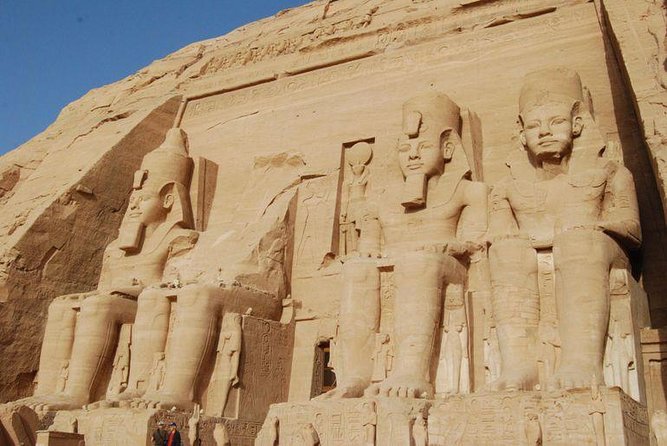
This day trip is built around one idea: make the long drive feel worth it. You’ll leave Aswan early in the morning (the experience runs from 5:00 AM to 2:00 PM), ride south by private, air-conditioned vehicle, and head straight for the Abu Simbel complex on the Nubian desert side of things.
The drive time is about 3.5 hours each way, so yes, you’ll be spending serious time on the road. That said, private transport matters here. Instead of sharing space with strangers and getting stuck in other pick-ups, you’re starting from your place in Aswan (hotel or Nile cruise) and going directly to the site. The tour also includes bottled water, which sounds basic, but on a desert route it helps you stay comfortable without hunting around for drinks.
The itinerary includes one rest stop of about 30 minutes in the desert. It’s specifically there for sunrise photos or a quick stretch, not a long detour. If you’re the kind of person who likes catching light on rock and sand, this is the moment. If you’re not, it’s still useful as a reset before the temples.
One small practical note: the day is organized for the complex and the guide, not for slow sightseeing. If you want a leisurely pace, this isn’t that kind of trip. But if you want to see Abu Simbel properly with expert commentary, this format is exactly how to do it.
You can also read our reviews of more private tours in Aswan

Abu Simbel Temple Complex: The Great Temple of Ramses II
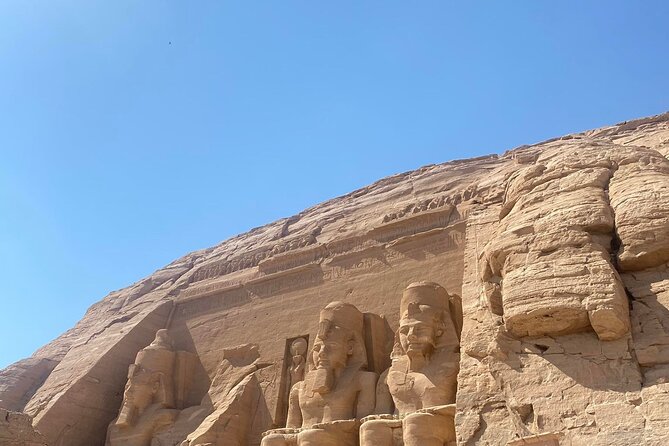
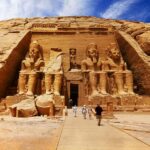
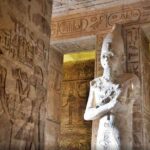
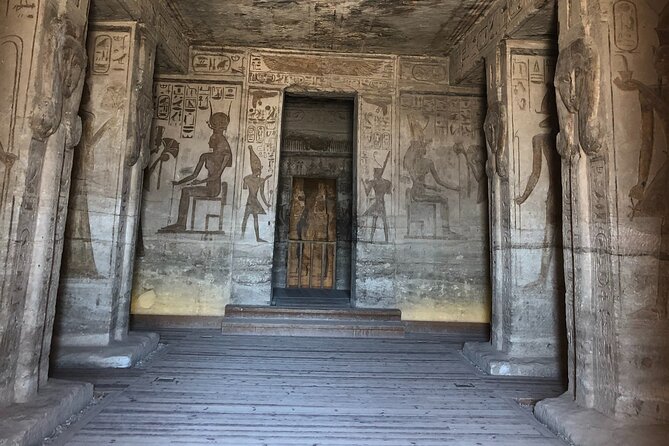
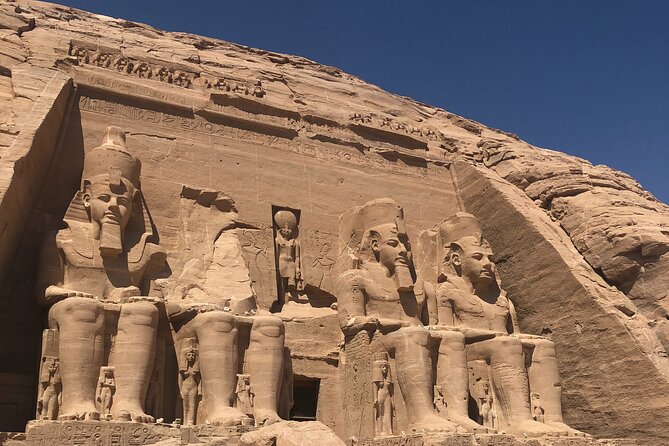
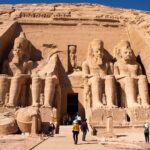
The first big temple experience is the Great Temple of Ramses II, and the tour schedule gives it real attention. You’ll spend several hours on the site overall, and within that you’ll tour the Great Temple’s key parts: the statue-lined spaces and the carved battle reliefs that frame Ramses’s power and political messaging.
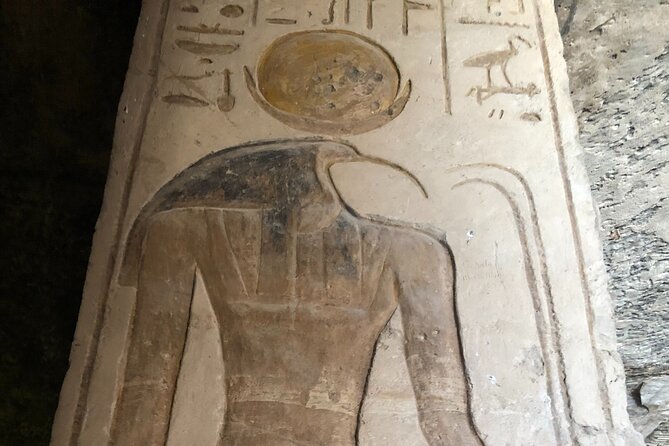
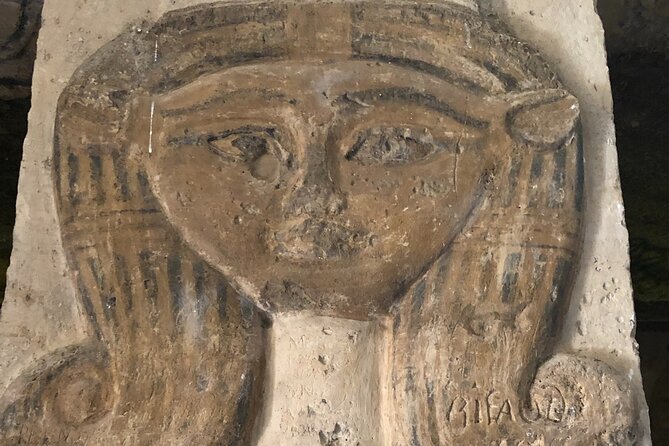
Here’s what I find valuable about a guided approach at Abu Simbel. The carvings are dramatic, but without an explanation they can blur into “cool stone pictures.” A good Egyptologist guide helps you connect what you’re seeing to who Ramses was, why the temple was built, and how the imagery was meant to communicate authority. In the past, guides such as Basma, Asma, and Ms. Mahmoud have been praised for turning the site into a story you can follow, including what the scenes were trying to say and how the complex was designed for impact.
Also, the timing helps. Abu Simbel is not a place you just casually stroll. You want good visibility, strong light for details, and a bit of mental focus so the scale lands. Since the drive is early and the tour is private, you’re less likely to feel like you’re being herded.
Admission detail worth noting: the schedule mentions admission being included for parts of the timing, but the tour’s expense list says entrance fees to temples are not included. So treat temple entry as an extra you’ll pay on your side. The good news is that the tour clearly plans the time in a way that doesn’t leave you scrambling right when you arrive.
Temple of Nefertari: Colossi at the Gate and What the Queen’s Temple Tells You
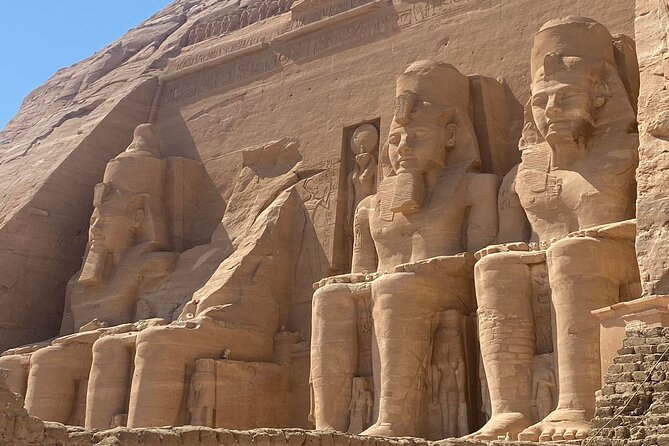
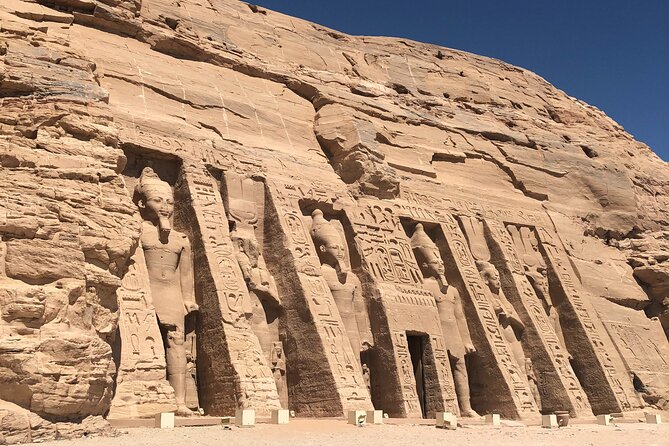
After the Great Temple, the tour continues with the Temple of Nefertari, Ramses II’s wife. This is where you get a different angle on the same monumental project.
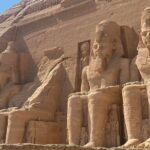
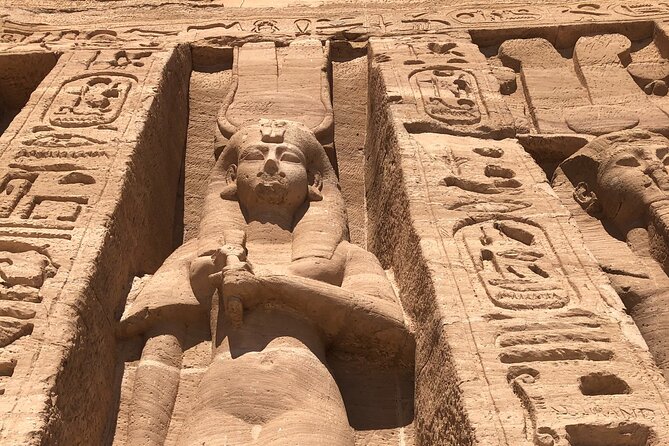
You’ll see the gigantic colossi at the temple gateways—Ramses II and Nefertari figures dominating the entrance approach. That gateway moment is more than photo time. The statues are part of how the complex “speaks” to visitors: it frames the relationship between the ruler and the royal family, and it helps you understand why the temple isn’t just a monument, it’s a carefully staged experience.
The guide portion here is also important. The schedule notes that the temple is tied to Egyptian queen Nefertari, built in the 13th century BC. With a knowledgeable guide, you’ll have context for the queen’s place in the story of Ramses’s reign, rather than just noticing that the artwork includes a woman’s name.
In practice, you’ll spend a good chunk of time walking and listening, then regroup for the drive back to Aswan. The itinerary suggests there’s also time on the return journey for more photos, including a chance to catch views from the road where mirage-like effects can happen.
The 1960s Relocation Story: Why Abu Simbel Was Saved Twice
One of the most fascinating parts of Abu Simbel isn’t the ancient work—it’s what happened in modern times. You’ll hear how the temples were relocated in the 1960s to protect them from flooding after the Aswan High Dam changed the water levels of Lake Nasser.
This matters because it reframes what you’re standing on. You’re seeing a masterpiece of ancient engineering, yes. But you’re also seeing a rare case where the world treated ancient stone like something worth extraordinary effort to preserve. When the guide connects the dots—why the relocation was necessary, what risks the temples faced, and how the new setting keeps them visible—you start to understand Abu Simbel as both an ancient project and a modern rescue.
I like that this tour doesn’t keep the explanation trapped in the distant past. Instead, the guide’s focus helps you appreciate the site as a living part of history that people have continued to care for.
If you’re the kind of traveler who likes meaning, this is the stop that pays off mentally. The temples are impressive by themselves, but the relocation story gives them emotional weight.
Logistics That Actually Matter: Tickets, Lunch, and Desert-Drive Reality
Let’s talk practical stuff.
Food: Lunch isn’t listed as included. Because your day is built around an early start and long road time, you should plan to eat before pickup or bring something simple to manage hunger while you’re waiting out temple time. Even if you don’t want a picnic, a snack can save you from feeling cranky halfway through.
Tickets: Temple entrance fees are not included in the listed package. Even though the timing schedule references “admission ticket” in a couple places, the cost section says to budget separately. This is one of those details that can turn into an unpleasant surprise if you assume it’s fully paid.
Tipping: Tipping isn’t included. It’s normal in Egypt to tip your guide and driver for a smooth day. If you’re unsure what amount is reasonable for your group size, you can ask the operator when you confirm.
Photos: The itinerary explicitly mentions desert photo opportunities—one early road stop and then photo time on the return with mention of mirage effects. Bring your phone camera settings and a bit of patience. Desert light can be intense, and heat shimmer can play tricks, but that’s part of the fun.
Weather: The cancellation policy notes the experience depends on good weather. If it’s canceled for weather, you’ll be offered another date or a full refund. That’s fairly standard for an outdoor, desert-route day trip, and it’s worth factoring into your planning window.



Is the $166 Price Good Value for a Private Day Trip?
At $166 per person, this trip is priced for a private experience, not a basic group shuttle. Whether it’s “worth it” depends on how you travel.
Here’s how I think about value:
- Private transport with pickup from your hotel or Nile cruise can save you time and stress versus assembling your own logistics.
- You’re paying for a certified professional tour guide and in-depth commentary, not just a driver who drops you at the entrance.
- Bottled water and an organized day flow are included.
- The biggest offsets are the items not included: temple entrance fees and lunch.
If you’re traveling as a couple or small group, private transport can make the per-person cost feel more reasonable because you’re not sharing with unrelated strangers, and the guide can pace the day to your questions.
If you’re a strict budget traveler who’s comfortable with DIY transport and you don’t care about commentary, you might find cheaper options. But if Abu Simbel is a top priority stop—then paying for comfort and guided interpretation usually pays back in how much you actually understand when you’re standing there.
Who This Abu Simbel Private Trip Fits Best
This is a strong match for:
- People staying in Aswan who want Abu Simbel as a high-impact day without hopping between tours
- Travelers who want the meaning behind the carvings and the relocation rescue story, not only quick photos
- Anyone who values a safe, well-managed day flow with hotel pickup and a private vehicle
It may be less ideal if:
- You hate early mornings and long road trips
- You’re expecting lunch included, because it isn’t listed
- You want total freedom to wander unguided for hours (this tour is structured around guided time in specific parts of the complex)
Book It or Skip It: My Practical Take
If Abu Simbel is on your must-see list, I’d lean toward booking—especially because the tour’s design protects what you need for this kind of place: early timing, private transport, and a guide who can explain both the ancient program and the modern rescue.
Before you hit confirm, do three quick checks:
- Confirm you’re okay with a roughly 9-hour day built around a long drive
- Budget for temple entrance fees and think ahead about food
- Dress for a desert morning and bring sun protection, because early desert light can be strong
If you want Abu Simbel to be more than a photo stop, this private format is the smarter move.
FAQ
What’s the duration of the Abu Simbel day trip from Aswan?
The tour runs for about 9 hours (approx.).
How early does the pickup happen in Aswan?
The experience is scheduled between 5:00 AM and 2:00 PM, and the day starts early morning with hotel pickup.
How long is the drive from Aswan to Abu Simbel?
The drive is around 3.5 hours each way by air-conditioned private vehicle.
Is this tour private or shared?
It’s a private tour/activity. Only your group participates.
What’s included in the price?
Included items are bottled water, an air-conditioned vehicle, a certified professional tour guide, and pick up service from your hotel or Nile cruise and return.
Are temple entrance fees included?
Temple entrance fees are not included.
Is lunch included?
Lunch is not included, if required.
Does the tour provide mobile tickets?
Yes, mobile ticket is listed as a feature.
What if the weather is bad?
The experience requires good weather. If it’s canceled due to poor weather, you’ll be offered a different date or a full refund.
Can I cancel for a full refund?
Yes, you can cancel up to 24 hours in advance for a full refund.
If you tell me your travel month and whether you’re coming from a hotel or a Nile cruise, I can help you think through the best pacing for the day (and how to handle food and photo timing).
You Might Also Enjoy
More Private Tours in Aswan
More Tour Reviews in Aswan
- 4-Days Nile Cruise From Aswan To Luxor including Abu Simbel and Hot Air Balloon
★ 5.0 · 3,142 reviews