REVIEW · CAIRO
Private Cairo City Tour: Giza Pyramids, Egyptian Museum and Khan Khalili Bazaar
Book on Viator →Operated by Egypt Tours Online · Bookable on Viator
Cairo in one day, with real context. This private tour strings together Giza’s pyramids and Sphinx, the Egyptian Museum, and Khan el-Khalili, led by a qualified Egyptologist, with free hotel pickup to keep the logistics painless. You also get the bonus of a guide who can tailor the day to your interests, whether that means more time for photos or a detour into the market.
The main catch: not everything is automatically included. Inside-pyramid access and some entrance fees can mean extra cost, depending on the option you choose.
In This Review
- Key things I think are worth your attention
- A Private Cairo Day That Starts at 8:00am and Ends Back at Your Hotel
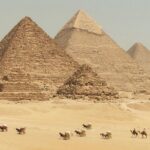
- Giza Plateau: Pyramids, Sphinx, and the Photo Angles You’ll Thank Yourself For
- Inside the Giza History: Khufu, Khafre, Menkaure in Plain Terms
- Egypt’s Egyptian Museum (Cairo): Tutankhamun and the Reality of 120,000 Items
- Khan el-Khalili Bazaar: How to Shop Without Getting Lost
- Tour Style and Pace: Private Guide, Private Vehicle, Your Call on Camel Time
- Price and Logistics: What the $8 Per Person Covers (and What It Doesn’t)
- Lunch and Breaks: Optional Koshari and a Realistic Midday Pause
- The Guide Matters: Friendly Energy, Flexibility, and One Thing to Watch
- Who This Tour Suits Best (and Who Should Rethink It)
- Should You Book This Private Cairo City Tour?
- FAQ
- What time does the tour start?
- How long is the tour?
- Is hotel pickup and drop-off included?
- Is this a private tour?
- What’s included in the tour price?
- Are entry fees included?
- Can I go inside the pyramids?
- Can I add a camel ride at Giza?
- What is the cancellation policy?
Key things I think are worth your attention
- Door-to-door hotel pickup and drop-off so you don’t waste time figuring out Cairo transport
- Giza Plateau photo time plus optional camel ride (extra cost) if you want the classic view from the sand
- Egyptian Museum focus on the big-name highlights like Tutankhamun and also room to explore lesser-known pieces
- Khan el-Khalili shopping with bargaining pointers for gold jewelry, carpets, spices, and souvenirs
- Strong overall satisfaction (4.7/5 rating, 93% recommended), with guides often praised for being friendly and funny—Samar is one name that comes up
A Private Cairo Day That Starts at 8:00am and Ends Back at Your Hotel
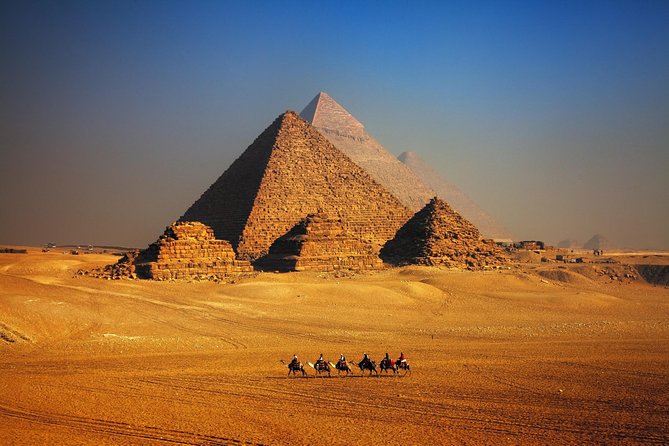
This is built as a full-day private outing, running about 8 hours starting at 8:00 am. The big practical win is that you meet your guide in your hotel lobby and you’re returned there afterward. In a city as busy as Cairo, that door-to-door setup matters more than people expect.
You travel by private vehicle, and you’ll have bottle water included. The tour also lists a mobile ticket, which usually means less time on paper checks and more time spent on-site.
Because it’s private, your group stays together and you can move at a human pace. That doesn’t mean you get to wander forever—timing still matters when you’re trying to see three major stops in one day—but it does mean you’re not trapped in a one-size-fits-all group rhythm.
One more practical note: the tour description says most travelers can participate, which is reassuring if you’re planning around stairs or walking time. Still, you’ll be spending several hours outdoors around Giza, so plan for real-world walking.
You can also read our reviews of more city tours in Cairo


Giza Plateau: Pyramids, Sphinx, and the Photo Angles You’ll Thank Yourself For
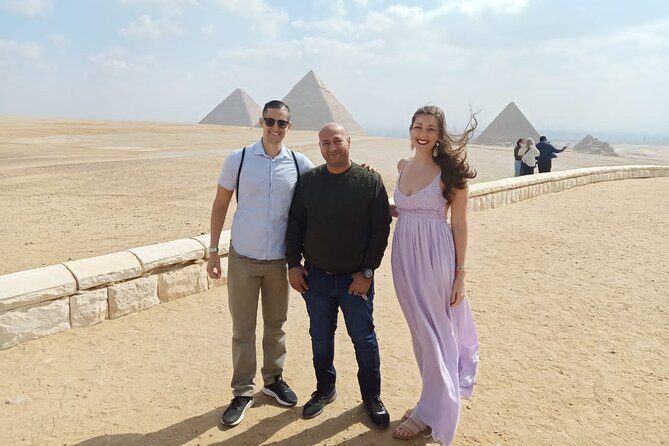
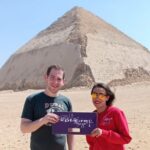
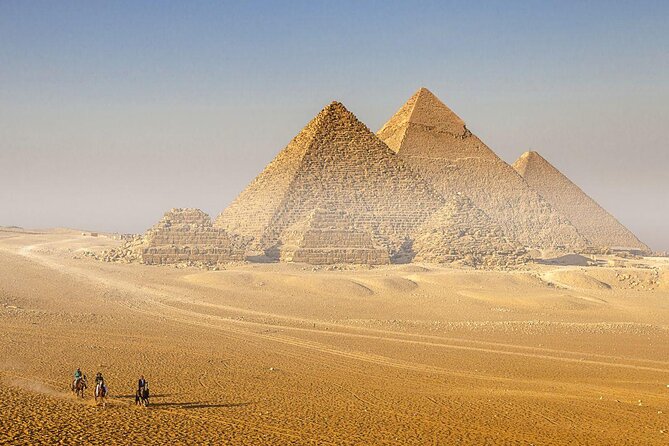
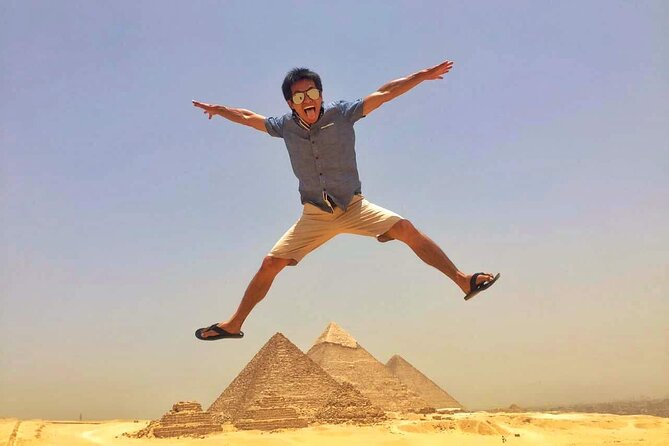
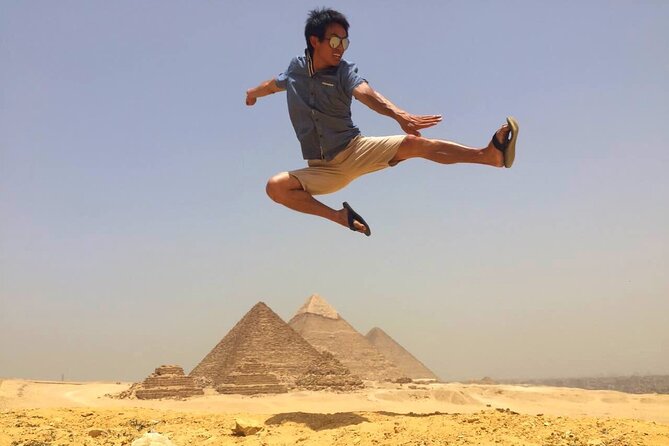
Giza is where the day earns its dramatic reputation. You start at the Giza Plateau for about 3 hours, with a stop that includes the pyramids and the Great Sphinx area. One of the smartest parts here is time carved out for viewpoints—your guide will help you find a spot for photos that actually shows the three pyramids together.
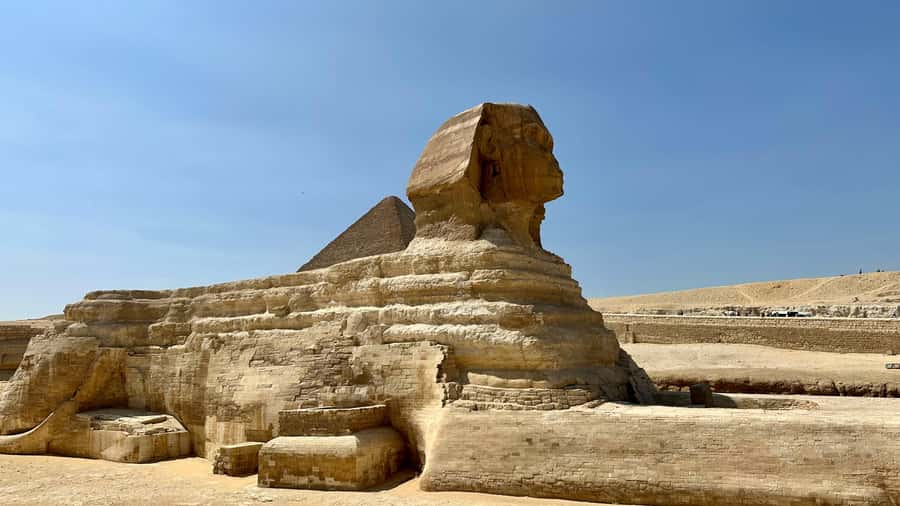
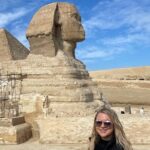
Then you move through the specific pyramid structures with time set aside for each: the Great Pyramid of Khufu, Khafre’s pyramid, and Menkaure’s pyramid, with short on-site visits scheduled along the way. The Great Sphinx is its own separate stop with about 30 minutes, including help taking a nice photo there.
If you want an extra experience, the tour is built to be customizable. You can add a camel ride on the plateau for additional cost. This isn’t required, but it’s a classic way to get a different perspective on the sand and the scale of the site. Just know that this will eat into your time, so you’ll want to decide early if you care more about the camel ride than walking and lingering at viewpoints.
Inside the Giza History: Khufu, Khafre, Menkaure in Plain Terms
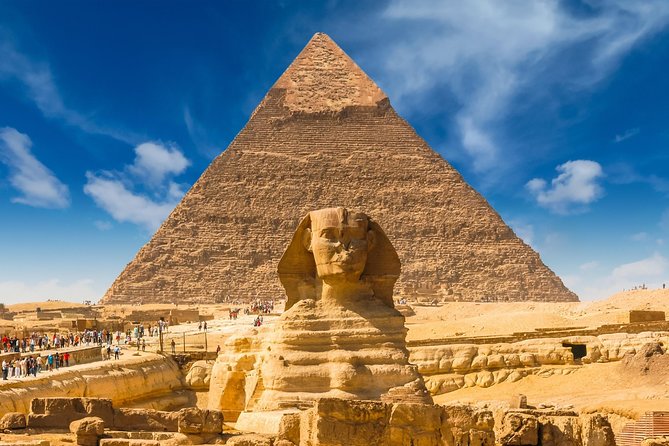
At Giza, the structures are the headline. The better part of this tour is how the guide turns those monuments into something you can actually hold in your head.
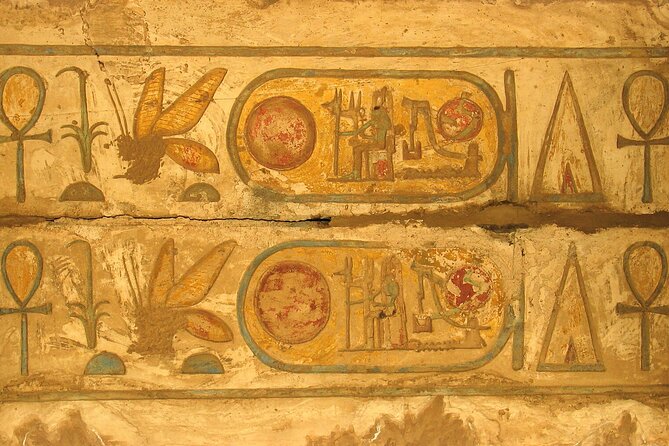
For Khufu’s Great Pyramid (Cheops), you’re not just told that it’s enormous—you get specific anchors for understanding. There’s a detail that I love because it makes the past feel oddly close: the only completely preserved portrait of Khufu is a tiny three-inch high ivory figurine discovered in temple ruins at Abydos in 1903. You also learn that most other reliefs and statues are found only in fragments, and that a lot of what we know comes from inscriptions in his necropolis at Giza and later documents.
Then the story widens. For example, Khufu appears as a key figure in the Westcar Papyrus from the 13th dynasty. It’s the kind of detail that helps you connect the pyramid builders with the later texts that preserved their names.
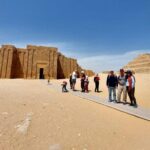
For Khafre’s pyramid complex, you get a sense that these were not single isolated monuments. The complex includes a valley temple, a Sphinx temple, a causeway, a mortuary temple, and the king’s pyramid. And there’s a concrete piece of excavation history: the valley temple produced statues of Khafre, and Mariette found several in a well in the temple floor in 1860.
For Menkaure’s pyramid complex, the same theme shows up again: valley temple, causeway, mortuary temple, and the king’s pyramid. You’re told that a smaller ante-temple was added during the 5th Dynasty, and that the mortuary temple also yielded statues of Menkaure.
These are not just trivia dumps. When you understand the complexes as systems—temples, causeways, rituals—you stop treating the pyramids like stand-alone photos and start seeing them as planned landscapes of belief and power.
Egypt’s Egyptian Museum (Cairo): Tutankhamun and the Reality of 120,000 Items
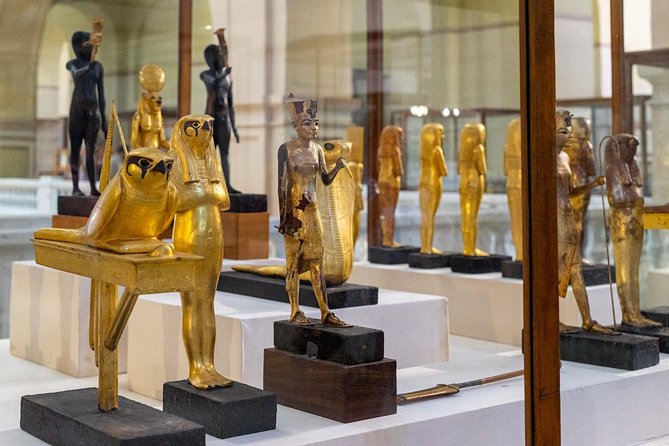
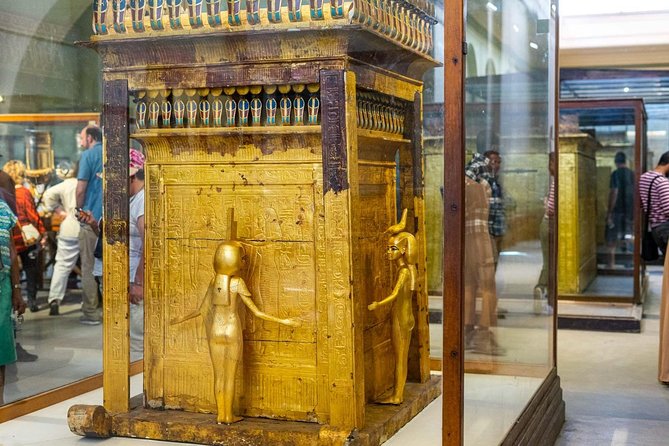
After Giza, the tour shifts into indoor time at the Museum of Egyptian Antiquities, often called the Egyptian Museum. You’re there for about 2 hours, with admission included for this stop.
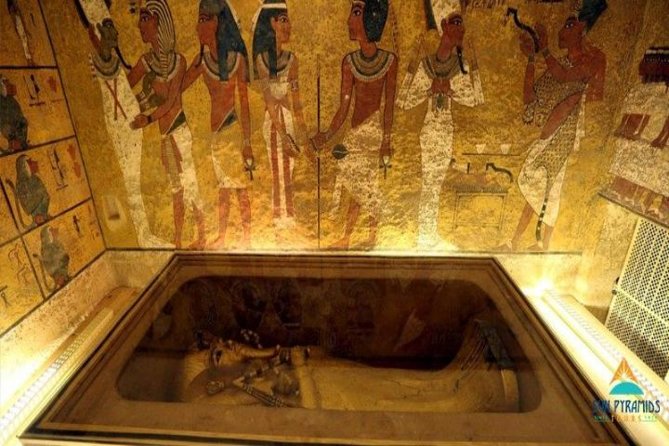
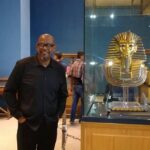
Here’s what makes the museum visit work on a one-day schedule: you don’t have to wander randomly among a huge collection. The tour is set up so your guide can steer you straight toward key holdings—like the contents of Tutankhamun’s tomb—or you can focus on what interests you most and skip what doesn’t.
To set expectations, the museum has 120,000 items total, with a representative set on display and the rest stored away. That number is huge enough that without a guide, you’d likely spend your limited time chasing what happens to be in front of you.
You also learn some building context while you’re there. The museum building dates to 1901, created by the Italian construction company Garozzo-Zaffarani to designs by French architect Marcel Dourgnon. And the tour notes that (as of March 2019) it was open to the public, with plans at the time to be superseded by the Grand Egyptian Museum at Giza.
Even if you already know Tutankhamun, this stop is still worth it because you’re getting the museum organized into a story, not just a checklist.
Khan el-Khalili Bazaar: How to Shop Without Getting Lost
The final major stop is Khan al-Khalili, a market area described as one of Egypt’s oldest and most famous bazaars. You’ll have about 1 hour here, which is short—but enough for a targeted visit if you go in with a simple plan.
This is the part of the day where you switch from monuments to everyday Cairo. The market stalls are lined with items like gold jewelry, handmade carpets, spices, and souvenirs. Your guide’s role here is practical: you get insider tips on how to find what you want and how to bargain for it.
One reason this stop fits nicely after the museum is that it keeps you from ending the day in only museum quiet. You get noise, motion, and a sense of commerce. Just remember: Khan el-Khalili is crowded by nature. If your one-hour window includes shopping for gifts, set priorities before you arrive.
If you’re not shopping, you can still use the time to look closely at craftsmanship and materials. You’re not required to buy. But if you do plan to buy, this is where your bargaining tips and navigation help most.
You can also read our reviews of more private tours in Cairo




Tour Style and Pace: Private Guide, Private Vehicle, Your Call on Camel Time
The structure of this tour is tight but not rigid. The day is arranged into clear segments—Giza, Sphinx, museum, bazaar—yet you have moments to customize.
Two customization options show up in the tour info. First: you can choose to add a camel ride at Giza for extra cost. Second: at the Egyptian Museum, you can either follow the guide to major highlights like Tutankhamun’s tomb contents or focus on your own interests and skip around.
Your pace is also shaped by the fact that it’s private. Your group’s questions guide the conversation. In particular, the guide experience is a major strength here: several mentions point to guides who are friendly, funny, and willing to answer questions, with Samar specifically named as someone who brings energy and personality to the day. That kind of guide makes the Giza story feel less like a lecture and more like a conversation.
One thing to keep in mind for your expectations: private tours are relationship-based. You’ll want to take the interactions in the spirit they’re offered, but also stay aware of costs and decisions.
Price and Logistics: What the $8 Per Person Covers (and What It Doesn’t)
On paper, the price is listed at $8.00 per person, and that sounds almost too good to be true. Here’s the reality check: the tour includes transport by private vehicle, hotel/port pickup and drop-off, and bottle water. It also includes a private tour format with a mobile ticket.
But the tour data also spells out what you may pay for separately. Inside any of the pyramids is not included, and entry fees are listed as optional depending on the tour options chosen. The info says entry fees include basic area only, which matches the idea that you might have access to certain areas without automatically getting every premium ticket.
So the best way to think about value is not just the $8 sticker. It’s the total package: you’re paying for a private day driver setup plus an Egyptologist guide who organizes your time. If you’re aiming to see the major Giza viewpoints, get a smart museum route, and still end with Khan el-Khalili shopping, that organization is where you’re getting your money’s worth.
Also worth noting: this tour has a 4.7/5 rating with 93% recommended, which suggests that the guide-and-logistics model is landing well for most people.
Lunch and Breaks: Optional Koshari and a Realistic Midday Pause
You’ll likely need a break after Giza. The tour info says lunch is optional, and it specifically calls out koshari at local restaurants as an option.
Since lunch is optional, plan for the reality that your total day cost may change depending on what you choose. If you want an easy midday meal, koshari is the kind of Egyptian comfort food that tends to be satisfying without being complicated.
If you’d rather keep your budget tight, you can use the break as a chance to grab a snack and keep the day focused on the main stops.
Either way, this tour’s schedule includes a lunch or snack break so you don’t feel like you’re rushing end-to-end.
The Guide Matters: Friendly Energy, Flexibility, and One Thing to Watch
This is a tour where the guide can make or break the experience. The strongest praise tied to this kind of private Cairo day tends to focus on guides who are punctual, friendly, and willing to explain what you’re seeing in a way you can use. One name that shows up is Samar, mentioned as fun and able to answer questions.
Chauffeurs also get credit in the supplied feedback, with one description calling out a very friendly driver. On these kinds of days, that matters because Cairo traffic and timing can be unpredictable; a calm driver and an organized guide reduce stress.
Now the one concern you should be aware of: one piece of feedback highlights an unpleasant tipping conversation, where the guide kept addressing the idea that you should increase gratuity. That doesn’t mean it will happen to you, but it’s a good reminder to decide your gratuity expectations ahead of time and keep your own boundaries clear.
Who This Tour Suits Best (and Who Should Rethink It)
This tour is a strong fit if you want a private, Egyptologist-led day that covers the major highlights without wasting time on navigation. It works especially well if you:
- Want a planned route that gets you from Giza to the Egyptian Museum to Khan el-Khalili
- Prefer a guide who can show you key museum holdings like Tutankhamun’s tomb contents
- Like the idea of customization, such as the optional camel ride
- Value hotel pickup and drop-off, which saves real time
You might want to rethink the tour if you’re hoping for a completely all-in, no-extra-cost day. With pyramid-entry extras and some optional entry fees, you should be ready for additional spending based on what you choose to see up close.
Should You Book This Private Cairo City Tour?
If your goal is a focused, well-guided Cairo day that hits the big ancient icons and then transitions into the marketplace, I think this one is worth serious consideration. The private format, the hotel pickup, and the way the day is organized around real stops make it a practical choice—especially if it’s your first time in Cairo.
Just go in with the right expectations: inside-pyramid access and some entry fees may cost extra, and you’ll want to confirm what your selected option includes. If you’re comfortable managing those add-ons, you’ll likely love how your guide turns pyramids, royal history, and the museum collection into a single coherent day—and then lets you cap it off with Khan el-Khalili shopping.
FAQ
What time does the tour start?
The tour starts at 8:00 am.
How long is the tour?
It runs for about 8 hours.
Is hotel pickup and drop-off included?
Yes. Hotel pickup and drop-off are included.
Is this a private tour?
Yes. It’s described as a private tour/activity, meaning only your group participates.
What’s included in the tour price?
Included items are private tour, transport by private vehicle, hotel/port pickup and drop-off, and bottle water.
Are entry fees included?
Entry fees are described as optional, depending on the tour options chosen. The info also notes that entry fees include basic area only.
Can I go inside the pyramids?
No. Inside any of the pyramids is not included.
Can I add a camel ride at Giza?
Yes. You get a chance to customize the tour with a camel ride, and it’s listed as additional cost.
What is the cancellation policy?
You can cancel for a full refund up to 24 hours before the experience’s start time.