REVIEW · CAIRO
Private 6-Days Egypt Tour Package with Nile Cruise by Flights
Book on Viator →Operated by Nice tours · Bookable on Viator
Six days, and Egypt never slows down. What makes this package stand out is the private feel, starting with hotel pickup and ending with airport return, plus a Nile cruise that handles your sleep and most meals while you bounce between the big sites. The one main catch: entrance fees and drinks (including water) are not included.
You’ll also get the kind of highlights that are hard to stitch together on your own: Giza and the Egyptian Museum in Cairo, a full Alexandria day, Luxor’s temples plus an early hot-air balloon flight, and then Abu Simbel before you fly back. It’s a tight itinerary, but the structure is what keeps it fun instead of stressful.
In This Review
- Why this 6-day Egypt plan feels efficient (and still special)
- Price and logistics: what $700 covers, and what to budget for
- Cairo: Giza at first light, then the Egyptian Museum
- Pyramids of Giza
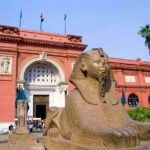
- Egyptian Museum in Cairo
- Alexandria in one day: Roman remains, catacombs, the library, and sea-watching
- Kom el-Deka (Kom Ad Dikah)
- Catacombs of Kom el Shoqafa
- Bibliotheca Alexandrina
- Citadel of Qaitbay
- Luxor temples and a felucca ride: where the Nile starts to feel personal
- Hot-air balloon over Luxor: early wake-up, major payoff
- Valley of the Kings and Deir el Bahari: West Bank icons with a guide’s lens
- Valley of the Kings
- Temple of Hatshepsut at Deir el Bahari + Colossi of Memnon
- Edfu and Kom Ombo: temple days from the boat, with a buffet reset
- Temple of Horus in Edfu
- Temple of Kom Ombo
- Abu Simbel early: the one that tests your wake-up alarm
- Guides, driver, and the human side of the trip
- What to verify before you hand over your money
- Who this tour fits best
- Should you book this private Egypt package?
- FAQ
- What does the tour cost?
- How long is the Egypt tour?
- Where does the tour start?
- What’s included in the price?
- Are entrance fees included?
- Are drinks included?
- How many nights do you stay in Cairo versus on the cruise?
- Which hot-air experience is included?
- Which major sites are included at the start and end?
- Is this tour private?
- Cancellation terms
Why this 6-day Egypt plan feels efficient (and still special)
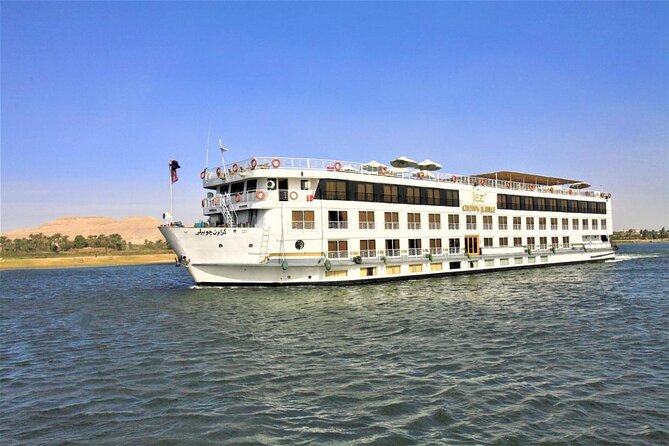
This is built like a “logistics-first” trip. Your private transport in an air-conditioned vehicle, the driver, and an English-speaking Egyptologist guide do the heavy lifting. You’re not guessing schedules, and you’re not negotiating every turn.
The itinerary also follows a smart rhythm: land in Cairo, then mix Cairo plus Alexandria, then switch to Luxor and the Nile cruise, then hit Abu Simbel and go home. That flow matters because Egypt’s distances can be brutal when you’re tired.
Price and logistics: what $700 covers, and what to budget for
At $700 per person, you’re paying for the trip’s scaffolding: 2 nights in a 4-star hotel in Cairo, 3 nights full-board aboard a Nile cruise ship, plus flights (departure and return to Cairo), transfers, and a professional private Egyptologist guide. Hot-air balloon ride and most meals are included, which is a big deal on a schedule this packed.
What you should budget separately:
- Entrance fees (pyramids, museums, temples, catacombs, etc.)
- Drinks, including water
A practical tip from real-world experience: carry a credit card and some Egyptian pounds for site payments. Temples and pyramids are one of those times where having both saves you from small, annoying standstills.
You can also read our reviews of more boat tours in Cairo



Cairo: Giza at first light, then the Egyptian Museum
Pyramids of Giza
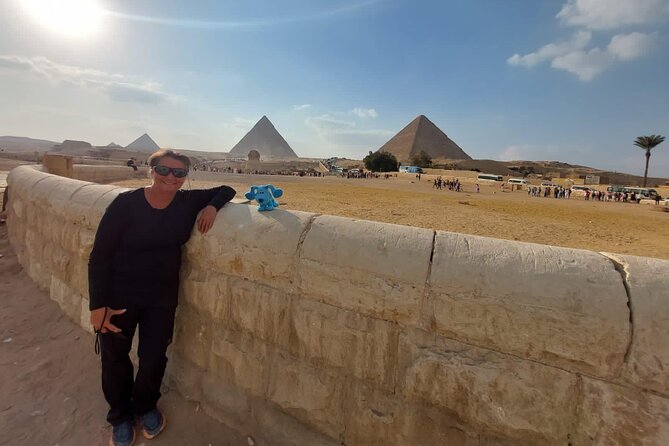
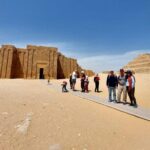
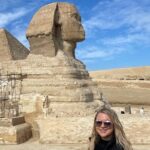
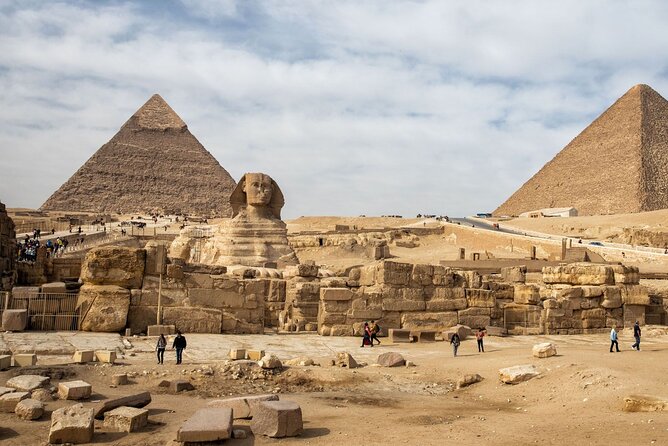
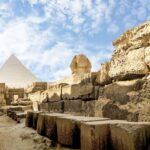
Your day starts with pickup from your hotel, then a trip to Giza, home to the oldest of the Seven Wonders of the Ancient World (the one still standing). This stop is more than a photo stop. It’s the moment you start seeing how Egypt’s ideas of power and afterlife shaped the entire civilization.
Practical notes:
- Admission isn’t included, so plan to pay on the ground.
- Wear shoes you can move in comfortably—Giza involves uneven stone and lots of walking.
Egyptian Museum in Cairo
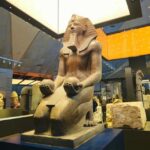
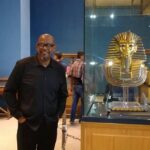
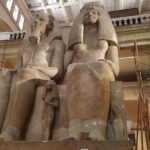
Next comes the Egyptian Museum, a key place for understanding how Egyptian civilization developed over time. If you’re only visiting one museum, this is a strong choice because it gives you a baseline before you head deeper into temple stories.
If you care about context, this pairing works: pyramids for scale, then museum artifacts for meaning.
Alexandria in one day: Roman remains, catacombs, the library, and sea-watching
Day 2 is a full Alexandria run. You’ll go from Greco-Roman history to early Christian-era burial spaces, then end up at modern Alexandria’s big symbol.
You can also read our reviews of more private tours in Cairo



Kom el-Deka (Kom Ad Dikah)
You start at Kom el-Deka, where you can see traces of an affluent residential area from Greco-Roman times. What I like about this stop is that it doesn’t feel like a theme park version of the past. It’s more about how people lived—houses, streets, and remnants that give the city texture.
Admission isn’t included, so budget for it.
Catacombs of Kom el Shoqafa
Then you head to the catacombs of Kom el Shoqafa, widely described as one of the wonders of the Middle Ages. This is one of those sites where you can feel the mix of cultures in the architecture and burial design.
Go in with a calm mindset: it’s a walking-and-staring stop, not a quick snap-and-run.
Bibliotheca Alexandrina
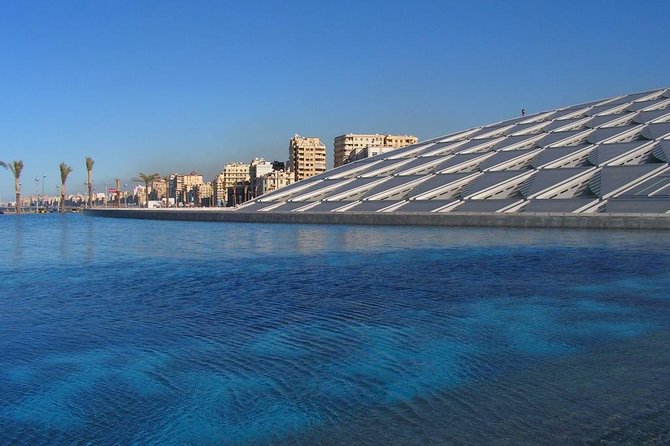
After lunch, you visit the Great Library of Alexandria. This isn’t just about books. It’s about the idea that Alexandria was meant to be a meeting point for knowledge. Even if you’ve never read a single scroll, the building and its symbolism connect nicely to the rest of the day.
Admission is not included.
Citadel of Qaitbay
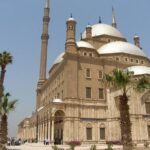
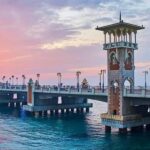
Your last stop is the Citadel of Qaitbay, a 15th-century fortress by the sea. It’s a great closing chapter for Alexandria because you finish with views, coastal air, and a sense of how the harbor mattered.
Admission isn’t included here either, but it’s worth planning for.
Luxor temples and a felucca ride: where the Nile starts to feel personal
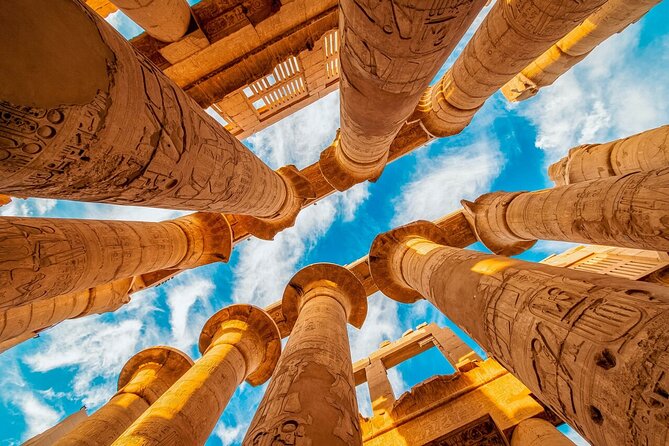
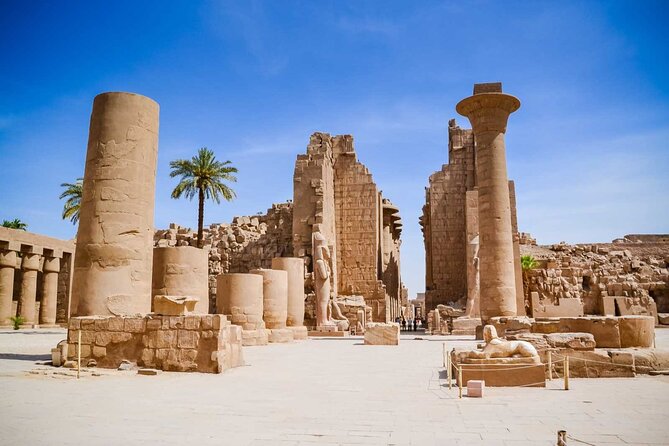
On Day 3, you’ll go from your arrival setup to the East Bank for Karnak Temple and Luxor Temple. This is a classic Luxor move, and it works well because Karnak gives you the huge, layered scale, while Luxor Temple feels more human-sized in comparison.
Then there’s a felucca ride on the river. Even if you’ve done boat trips before, this one has a nice timing benefit: it helps you switch from “temple mode” to “river mode.” The Nile is the connective tissue of the whole trip—this ride makes that real.
Admission is listed as not included for the temple visits, so keep that in mind.
Hot-air balloon over Luxor: early wake-up, major payoff
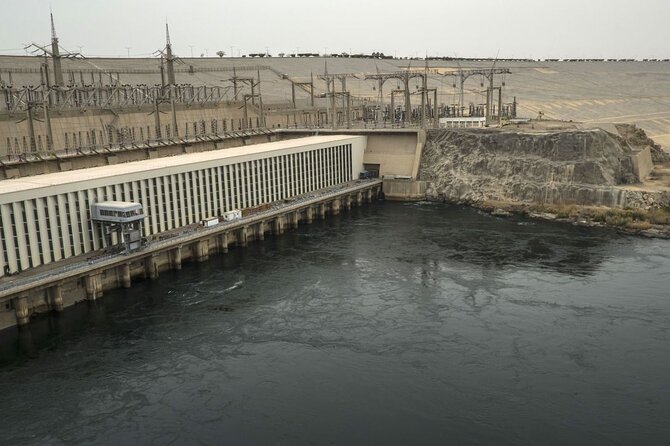
Day 4 begins with the hot-air balloon ride over Luxor. This is the kind of experience people talk about for years, and this itinerary makes it a priority by putting it before the West Bank touring.
The big practical consideration: it starts early. And if regulations or operations cause a swap or cancellation, you may lose the balloon experience—there are reports of last-minute changes. So I recommend planning for the possibility that Egypt runs on fewer guarantees than you’re used to at home.
Valley of the Kings and Deir el Bahari: West Bank icons with a guide’s lens
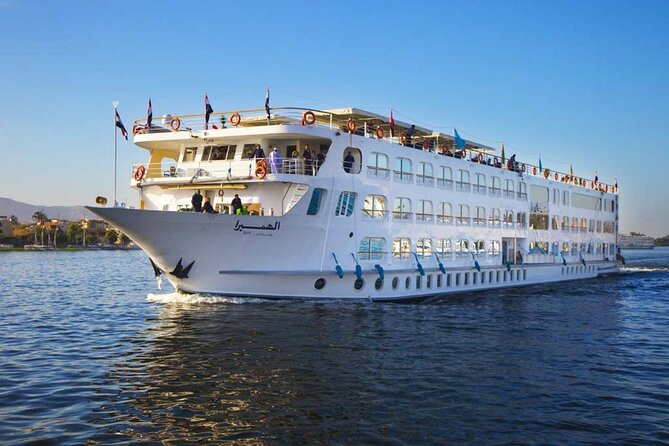
After landing from the balloon, you head to the West Bank for two heavy hitters.
Valley of the Kings
The Valley of the Kings visit is where royal tombs stop being a list and start being a story. You’ll want a guide here, because without interpretation, it’s easy to miss what makes each tomb significant.
Admission isn’t included.
Temple of Hatshepsut at Deir el Bahari + Colossi of Memnon
Next is the mortuary temple of Queen Hatshepsut at Deir el Bahari, plus the Colossi of Memnon. This is one of the most photogenic parts of the trip, but it’s also a good place to learn how Egypt’s rulers used architecture to project legitimacy.
Then you head back to the ship for dinner.
If you’re sensitive to early mornings, this is the day where you’ll feel it. You’ll push through, though, because the sights are worth the fatigue.
Edfu and Kom Ombo: temple days from the boat, with a buffet reset
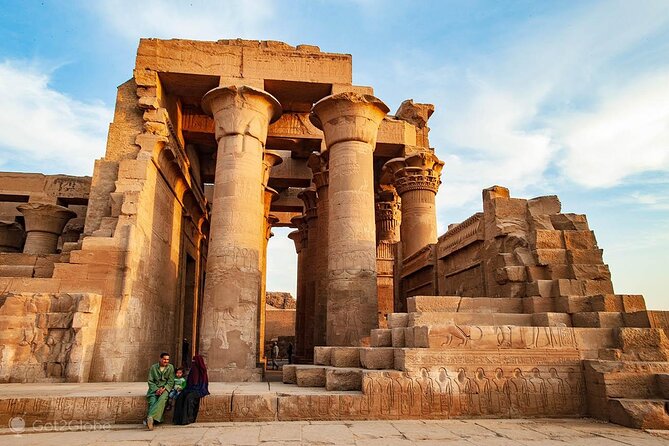
Day 5 is temple travel on the cruise’s schedule. After breakfast on board, you take a horse-drawn carriage to Edfu and visit the Temple of Horus. Then you sail onward and do Kom Ombo in the afternoon.
Temple of Horus in Edfu
The Temple of Horus is one of Egypt’s most distinctive temple experiences. The carriage ride adds a fun, old-fashioned touch to what could otherwise be just another transfer.
Lunch is a buffet back on the cruise ship, which is a smart break in a long day.
Admission isn’t included.
Temple of Kom Ombo
Later, you visit the unusual Temple of Kom Ombo. This temple is worth it because it doesn’t match the same mold as the others—you’re going to see a different flavor of worship and symbolism.
After the visit, you return to the boat for dinner.
Abu Simbel early: the one that tests your wake-up alarm
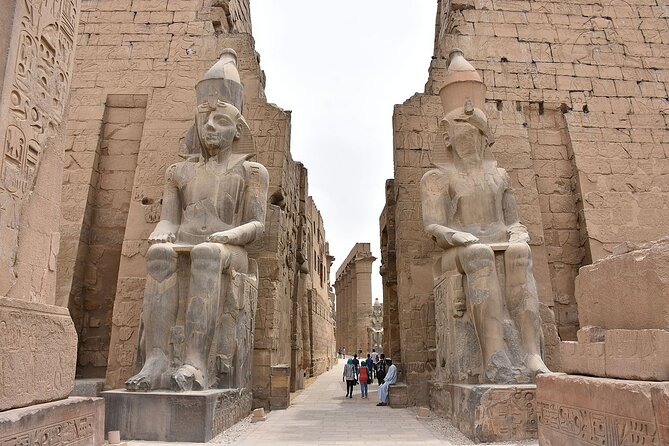
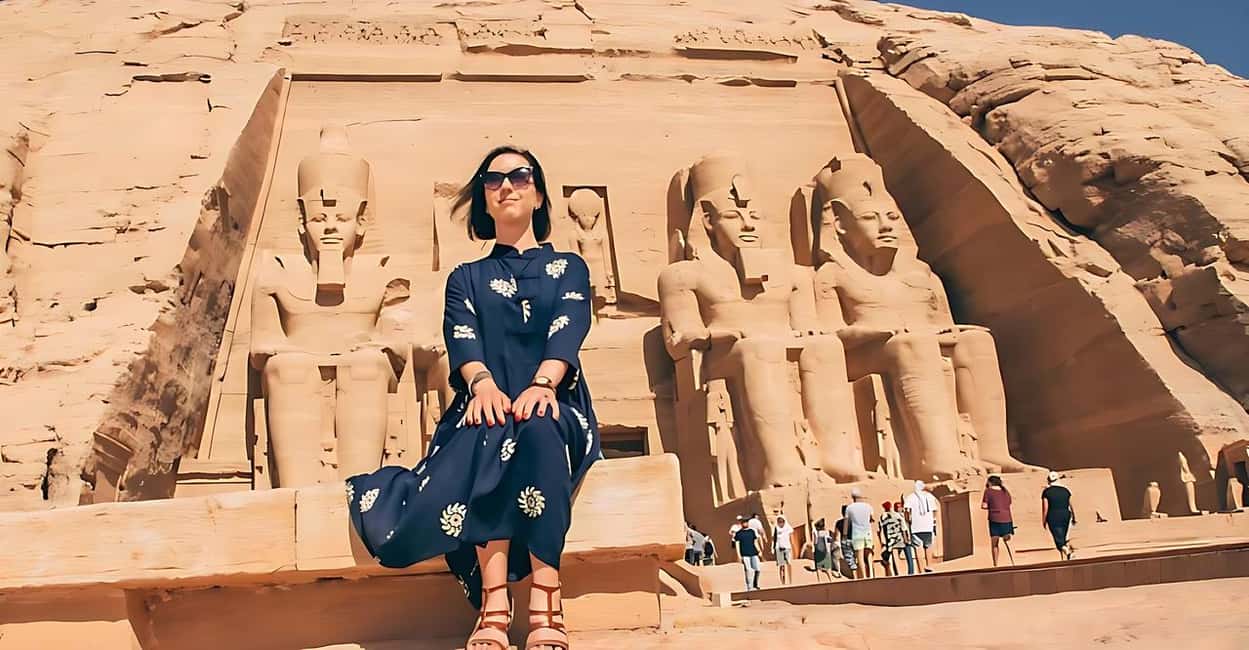
Day 6 starts early with the Abu Simbel Temple Complex. This is one of Egypt’s most dramatic temple set pieces, and the timing matters: the day is built around an early departure and an organized transfer back to pick up luggage.
You’ll take a small-group tour there, then return to the cruise ship for your bags. After that, you’ll be transferred to Aswan Airport and fly back to Cairo, where a driver meets you outside the airport and takes you to your hotel.
Admission isn’t included for Abu Simbel in your package details, so you’ll pay on the ground. If you only get one “wow factor” outside Luxor, this is it.
Guides, driver, and the human side of the trip
What makes this kind of private tour work isn’t just the sights. It’s the guide and how they pace you.
There are several guide names that came up in positive feedback:
- Christine, who led Luxor days with energy and strong explanations
- Gabriel, handling Egyptologist guiding in the Edfu, Kom Ombo, and Aswan leg
- Shaimaa, guiding in Alexandria and keeping things clear and caring
- Marena, who helped with concerns when issues popped up
- Verena, mentioned for 24-hour agency support
That pattern tells me something important: when you get a good Egyptologist, the whole trip clicks. You stop collecting facts and start understanding why each temple looks the way it does.
What to verify before you hand over your money
This is where I’d be a little picky.
Even though the package is titled as Nile cruise by flights, there are reports of flight-related problems—like plans changing to long overland bus rides or activity cancellations close to departure (including mention of the hot-air balloon). I can’t predict what will happen for your departure date, but you can reduce risk by doing two things:
- Confirm your exact flight routing and what you’re guaranteed versus what’s optional.
- Ask how hot-air balloon timing and contingency handling works if there are operating restrictions.
Also, your itinerary is tightly timed, and some days can start very early. That means you should treat this as an active trip, not a slow, lounge-at-the-hotel kind of holiday.
Who this tour fits best
This is a strong match if you:
- Want a guided Egypt trip with private attention and set logistics
- Prefer action over slow travel
- Like big-ticket experiences packed into a short window (Giza, Luxor, Abu Simbel, plus balloon)
It’s not ideal if you:
- Want downtime every day
- Get grumpy with early starts
- Hate the idea of paying multiple entrance fees separately
Should you book this private Egypt package?
Book it if you want the “best-of” hits with guides, hotel and cruise organization, and a plan that reduces the day-to-day friction of Egypt travel. For $700, the value is strongest when you count what’s included: accommodation in Cairo, full-board on the Nile cruise, the balloon ride, and private Egyptologist guiding.
Think twice if flights or the balloon are your absolute non-negotiables. Then do your homework up front: confirm flight routing and balloon contingencies, and plan a small buffer in your expectations. If you handle that part, you’ll be set for a memorable week of pyramids, temples, and Nile nights.
FAQ
What does the tour cost?
The price is $700.00 per person.
How long is the Egypt tour?
The duration is about 6 days.
Where does the tour start?
It starts in Cairo, Egypt, with pickup from your hotel and a start time of 8:00 am.
What’s included in the price?
Included items are hotel pickup and drop-off, private transportation in an air-conditioned vehicle, a driver, 2 nights in a 4-star Cairo hotel, flight tickets (departure and return to Cairo), 3 nights full-board on a Nile cruise ship, a hot air balloon ride, and a professional private Egyptologist English-speaking guide. Breakfast, lunch, and dinner are also included (breakfast 6 times; lunch 5 times; dinner 3 times).
Are entrance fees included?
No. Entrance fees are not included.
Are drinks included?
No. Drinks (including water) are not included.
How many nights do you stay in Cairo versus on the cruise?
You’ll spend 2 nights in Cairo (at a 4-star hotel) and 3 nights on the Nile cruise ship.
Which hot-air experience is included?
A hot air balloon ride over Luxor is included.
Which major sites are included at the start and end?
You’ll visit the Pyramids of Giza and the Egyptian Museum in Cairo early on, and at the end you’ll do the Abu Simbel Temple Complex before flying back to Cairo.
Is this tour private?
Yes. It’s private, meaning only your group participates.
Cancellation terms
You can cancel up to 24 hours in advance for a full refund.