REVIEW · CAIRO
Private 11-Days Egypt Spiritual Tour and Luxury Sacred Journey
Book on Viator →Operated by Egypt Unlimited Tours · Bookable on Viator
Private 11-day Egypt spiritual luxury tour is a lot like a guided circuit of meaning. It pairs a private Egyptologist with upscale lodging and smooth transport, so you’re not wasting time figuring out routes in a busy country. I especially like the way the trip threads big ancient sites into a luxury Nile cruise experience, instead of turning the whole journey into a checklist.
The main consideration: the itinerary is built around a spiritual/chakra interpretation, so if you prefer strictly museum-style history, some stops may feel more symbolic than academic. Still, you get plenty of real archaeology context along the way, and the comfort-first pacing is genuinely useful.
In This Review
- Key highlights worth clocking
- Luxury Cairo welcome that keeps the trip from starting on hard mode
- Aswan’s Philae temple and a sunset felucca on your timeline
- Abu Simbel plus a private transfer back to the cruise
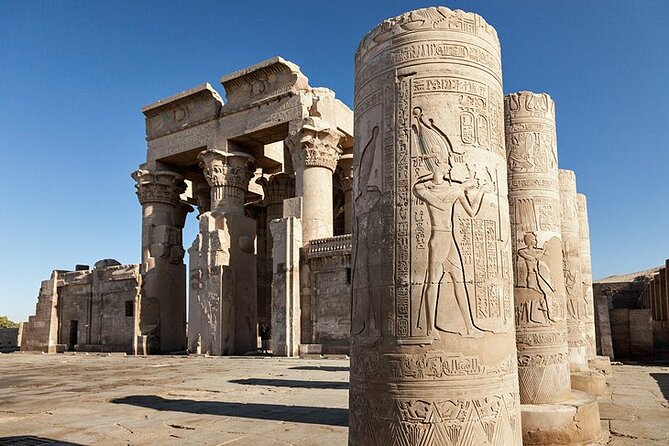
- Nile cruise days built around Kom Ombo, Edfu, and Horus
- Karnak and Luxor Temple: the time you spend here matters
- West Bank day: Valley of the Kings, KV62, Hatshepsut, and the Colossi
- Dendera and Abydos: sacred sites outside the usual high-speed loop
- Back to Cairo by flight, then a luxury reset at Marriott Mena House
- Saqqara and Giza: the day you want to plan for comfort
- Egyptian Museum, Muhammad Ali Mosque, and a Coptic church day with flow
- Wrapping up: airport transfer and a final clean exit
- Price and value: what $3,648 buys you here
- Who should book this spiritual luxury Egypt plan?
- Should you book it or skip it?
- FAQ
- Is this a private tour?
- What’s included for airport support?
- Are domestic flights included?
- Is the Nile cruise part of the trip?
- Are entry fees included for the major sites?
- Does the tour include the Kings Chamber inside the Great Pyramid?
- What hotel levels are included?
- Is tipping included?
- Cancellation FAQs: can you cancel and get a refund?
Key highlights worth clocking
- Felucca sunset sail from Aswan for a slower, scenic start after Philae
- Abu Simbel by private vehicle with entry included, plus a smooth transfer back to the cruise
- Karnak’s Sekhmet and the 7 Gates as a centerpiece moment, not a quick photo stop
- Valley of the Kings with KV62 (Tutankhamun) access alongside Hatshepsut and Colossi of Memnon
- Great Pyramid access to the Kings Chamber plus time at the Sphinx
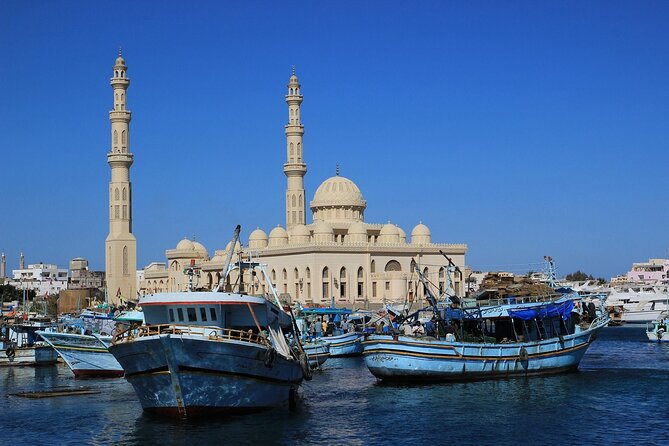
- Cairo’s religious sites in one day: Egyptian Museum, Muhammad Ali Mosque, Hanging Church, and Abu Serga
Luxury Cairo welcome that keeps the trip from starting on hard mode
The best part of this kind of Egypt tour isn’t one “perfect sight.” It’s how little friction you deal with on day one. You get met and assisted at Cairo airport, then escorted to the hotel. That matters because arrival days can be draining, and Cairo traffic can eat your energy fast if you’re on your own.
Your first overnight is at the Le Méridien Cairo Airport Hotel (a 5-star choice right by the airport). I like this approach: you land, get organized, sleep, and then start exploring with a clear head. It’s one of those quiet decisions that make the later days feel calmer.
If you’re the kind of traveler who appreciates details (and past guests highlight how smoothly the team handled late arrivals and customs), this itinerary’s meet-and-assist setup is a strong match. It’s also practical that bottled water is provided during tours and meals, and you’ll get a free SIM card with 7GB internet.
You can also read our reviews of more private tours in Cairo

Aswan’s Philae temple and a sunset felucca on your timeline
Aswan is where the tour starts to feel like more than sightseeing. You fly from Cairo to Aswan after breakfast, then transition into a temple day that sets the spiritual tone. Your first major stop is the Temple of Philae, which is included and clocks in at about three hours.
Philae is gorgeous for more than symbolism. It’s one of those places where the river, the stonework, and the scale all click at once. The temple visit in this itinerary is framed around Isis, love, peace, and motherhood—so you’ll hear those themes threaded into the explanations. For me, what makes that useful is that it gives you a lens to focus with while you’re standing in front of huge columns and carved figures.
After that, you get a gentler window: a transfer plus a sunset felucca sail on the Nile (about one hour). This isn’t just scenic. It’s a reset. You move from temple walls to open water, and it gives your brain time to process the day instead of rushing straight into the next stop.
Abu Simbel plus a private transfer back to the cruise
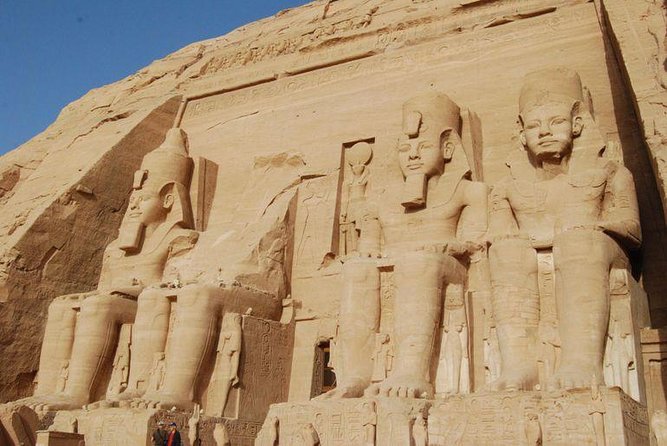
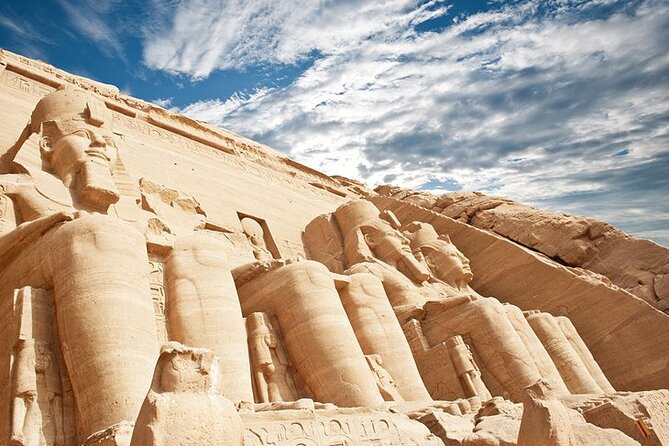
On day three, the tour adds one of Egypt’s most famous day trips: Abu Simbel. You travel there by private vehicle, then spend around three hours at the Abu Simbel Temple Complex with tickets included.
This is the kind of stop that can go wrong on tours that don’t plan well. Long distances plus limited viewing windows can turn it into stress. Here, the logistics are handled for you with private transport and the promise of an organized flow back to Aswan.
The next step is especially important to the overall value of this tour: you transition directly onto a 5-star luxury Nile cruise for the next portion of the trip. That combination—big-ticket historic sites plus a comfortable “base”—is a major reason this itinerary feels easier than the typical bus-and-hotel circuit.
Nile cruise days built around Kom Ombo, Edfu, and Horus
Once you’re on the cruise, the day-to-day rhythm shifts. You’re not just traveling; you’re moving through the scenery with time between major stops. That’s a big deal when you’re trying to balance comfort with high-impact sites.
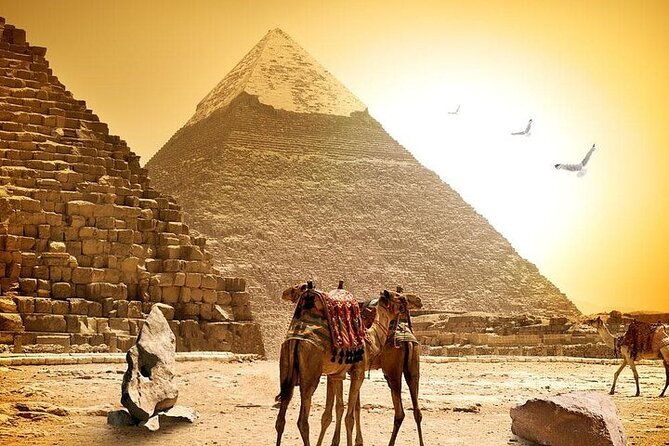
You’ll visit Kom Ombo Temple (about 1.5 hours, tickets included) as the cruise sails toward Edfu. Kom Ombo’s focus is Sobek and the “falcon” element tied to Horus themes, and you’ll get the story explained in a spiritual framework meant to help you connect the idea of lower and higher selves. Even if you skip the symbolism, Kom Ombo works because it’s a temple with a distinct identity—not generic “more ruins.”
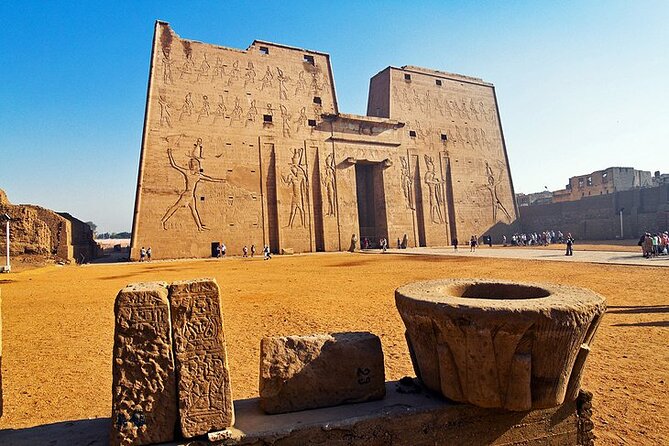
Next you go to Edfu Temple, associated with Horus (about two hours, tickets included). Again, the interpretation leans spiritual, but the practical benefit is that you’re seeing key sites along the Nile in a logical order while keeping your evenings comfortable onboard. Dinner and overnight are on the cruise, so you’re not hunting for meals or timing your rides.
Karnak and Luxor Temple: the time you spend here matters
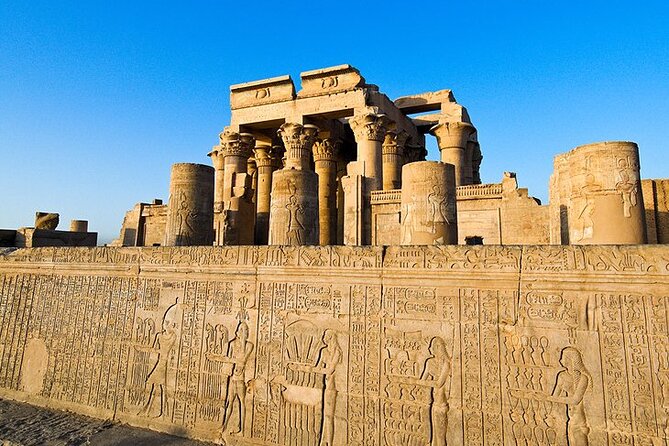
Day five turns the volume up. You start with Karnak Temple, and this is not a quick pass. You’ll spend about three hours, with included tickets and a special focus that includes Sekhmet and the 7 Gates. This matters because Karnak is so big that without guidance, it can turn into wandering and guesswork.
I like that the tour gives you a focal point. Sekhmet’s temple area and the “seven doors” concept give you a path to follow, plus an interpretive layer that makes the carvings easier to understand. If you’ve ever felt overwhelmed by how much there is to see in places like this, you’ll appreciate the structure.
Then you move to Luxor Temple (about two hours, included). Luxor Temple has a different feel from Karnak—more intimate, more “walkable,” and easier to absorb. It also lines up with the tour’s chakra framing around the human body and energy centers, but you’ll still get real context on the religious purpose of the site.
A few more Cairo tours and experiences worth a look


West Bank day: Valley of the Kings, KV62, Hatshepsut, and the Colossi
The west bank day is the closest thing this trip has to a “greatest hits” block, and it’s planned so you see multiple landmarks without getting stuck in travel purgatory.
You’ll disembark and visit the Valley of the Kings (about two hours, tickets included). It’s called the Valley of the Gates of the Kings for a reason, and you’ll understand why once you’re in the landscape of tomb openings and carved rock corridors. The tour also includes a visit to KV62, the Tomb of Tutankhamun (about 20 minutes, tickets included).
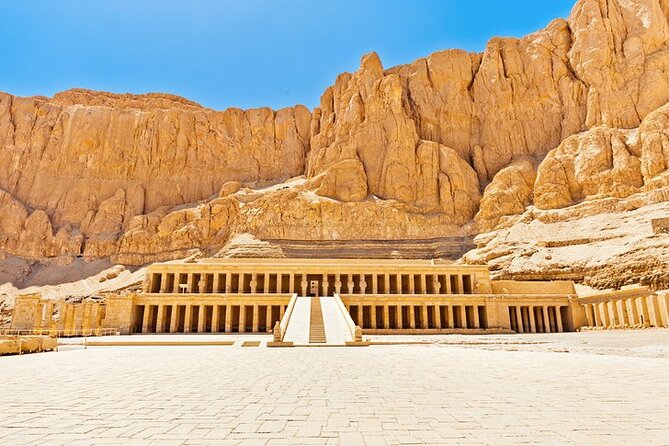
From there, you go to Temple of Hatshepsut at Deir el Bahari (about 1.5 hours, tickets included). Hatshepsut is one of the most important stories in ancient Egypt—especially because it’s tied to powerful kingship and statecraft. The tour frames it through spiritual themes, but the main benefit is that it’s visually striking and emotionally memorable after the tombs.
Then you stop at the Colossi of Memnon (about 20 minutes, tickets included). This is more of a palate cleanser than a centerpiece. You get to sit with scale again, take in the atmosphere, and reset before checking into your Luxor hotel for the night.
Dendera and Abydos: sacred sites outside the usual high-speed loop
Day seven shifts from the big “famous Egypt” circuits to places that feel slower and more contained. You start with Dendera Temple of Hathor (about two hours, tickets included). Dendera is known for how well preserved it is compared with many other complexes, so it’s a stop where details actually stay visible.
Then you drive to Abydos Temple and visit the Osireion (about two hours, tickets included). The tour describes this area as a sacred place of rebirth tied to healing and transformation. Even if the chakra lens isn’t your focus, Osireion’s atmosphere can hit you in the gut: it feels like a deliberate ritual space, not just a pile of stone.
This day also has a practical payoff: you’re back at your Luxor hotel for rest after lunch. It’s not a “temples all day with no recovery” schedule.
Back to Cairo by flight, then a luxury reset at Marriott Mena House
After breakfast, you fly from Luxor to Cairo, then check into a 5-star hotel: the Marriott Mena House Hotel. Overnight is in Cairo, with free time in the evening.
I like that you’re not crammed into another full city schedule the same day. Cairo traffic can turn an easy day into a stressful one fast, so having downtime is smart. You also get the chance to plan your next day’s walking and pace—especially helpful if you’re sensitive to crowds.
This is also where you get the best of both worlds: Nile temples earlier, then Cairo’s museum and churches later.
Saqqara and Giza: the day you want to plan for comfort
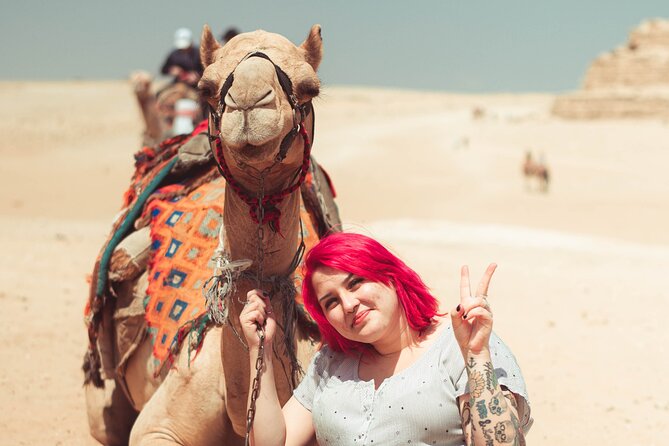
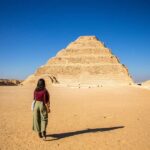
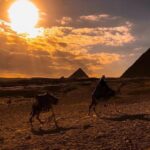
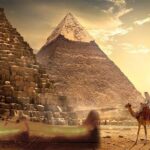
Day nine is a major Egypt highlight: Saqqara, then Giza, then time at the Great Sphinx. You’ll start with Saqqara (about two hours, tickets included), then move to the pyramids (about three hours, tickets included), with lunch at a local restaurant.
One of the “value boosters” in this tour is that it includes a visit to the Kings Chamber at the Great Pyramid. Many tours either don’t include it or make access feel complicated. Here, it’s explicitly included, which can raise the real cost of the experience when you’re comparing options.
Inside the context of this itinerary, the stops are linked to throat and third-eye themes, plus a meditation-style activation idea at the pyramid. Even if you treat that as optional, the bigger win is straightforward: you’re guided to key points so you don’t waste time trying to interpret what you’re seeing.
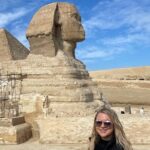
Then you finish with Great Sphinx (about 30 minutes, tickets included). This time frame is short on purpose. Sphinx viewing can become a long experience if you let it, and you’ll want energy for the next day’s Cairo culture block.
Egyptian Museum, Muhammad Ali Mosque, and a Coptic church day with flow
Day ten is heavy on Cairo’s indoor and religious stops—good if it’s hot or if you want a break from open-air ruins.
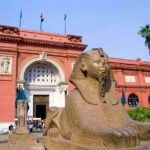
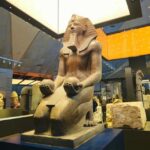
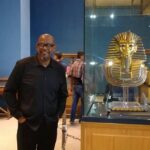
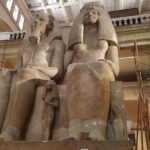
First is the Egyptian Museum of Antiquities (about three hours, tickets included). The museum is where you get the scale of what’s been preserved from the pharaohs, including famous items from King Tutankhamun’s treasures.
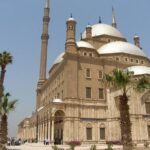
Next is the Mosque of Muhammad Ali (about one hour, tickets included). It’s often called the Alabaster Mosque because of its light stone look. The tour keeps it focused so you’re not just inside buildings for the sake of buildings.
Then you visit the Hanging Church (about one hour, tickets included) and the Abu Serga Church / Church of St. Sergius and Bacchus (about 30 minutes, tickets included). These stops are presented as part of the Holy Family story tradition—Joseph, Mary, and Jesus—and the locations connected to their journey in Egypt.
I appreciate how the itinerary sequences these sites as a coherent day. Cairo can be chaotic when you’re moving yourself, so having the schedule and guides handled is a real quality-of-life perk.
Wrapping up: airport transfer and a final clean exit
Your last day is simple: after breakfast, you get transferred to Cairo airport and assisted for departure. The value here is that you’re not negotiating one last day of logistics while you’re already tired from 11 days of early starts and big walking.
If you’re the type who likes to end trips feeling un-rushed, this matters more than it sounds.
Price and value: what $3,648 buys you here
At $3,648 per person, the price isn’t cheap. But the value is mostly in what’s included rather than what’s optional. You’re getting:
- Private transportation throughout
- A private Egyptologist guide on the trip
- 5-star hotels: multiple nights in Cairo, plus luxury cruise nights on the Nile, plus luxury stays in Aswan and Luxor
- Domestic flights (Cairo to Aswan, then Luxor back to Cairo)
- Entry fees for the listed archaeological sites
- A high-access inclusion: Kings Chamber at the Great Pyramid
- Free SIM (7GB) and unlimited bottled water during tours and meals
- 24/7 on-call support
When you price those elements separately, this tour’s total starts to look more like a “package built for comfort and time” than a basic budget sightseeing loop. Also, it’s booked far in advance, which usually signals that travelers value the combination of private guide + cruise pace.
Who should book this spiritual luxury Egypt plan?
This is a strong fit if you want:
- Private guiding so you’re not translating, routing, or guessing
- A luxury Nile cruise rhythm (cruise days plus structured temple visits)
- Big highlights with included entries, including KV62 and the Kings Chamber
- A comfort-first schedule with hotels that let you recover
It may be less ideal if you prefer:
- Strictly academic, chronological museum interpretation with minimal spiritual framing
- A slower pace with more downtime between stops (this itinerary keeps moving)
Should you book it or skip it?
If your priority is a high-organization, comfort-heavy way to see the core of Egypt’s most memorable ancient sites, I think this is a smart booking. You’re paying for time saved, private transport, private guiding, and access items that often cost extra elsewhere.
I’d only hesitate if the spiritual/chakra narrative feels distracting to you. In that case, you can still enjoy the history and architecture, but you’ll need to accept that the guide’s framing is part of the experience, not an add-on.
FAQ
Is this a private tour?
Yes. The experience is listed as private, meaning only your group participates.
What’s included for airport support?
You get meet-and-assist service by representatives at airports and help with transfers.
Are domestic flights included?
Yes. Domestic flights are included for the Cairo to Aswan and Luxor to Cairo legs.
Is the Nile cruise part of the trip?
Yes. You’ll have three nights on a 5-star luxury Nile cruise.
Are entry fees included for the major sites?
Yes. All entry fees of the archeological sites mentioned in the tour are included.
Does the tour include the Kings Chamber inside the Great Pyramid?
Yes. A visit to the Kings Chamber at the Great Pyramids is included.
What hotel levels are included?
The tour includes 5-star luxury hotels in Cairo, a 5-star luxury hotel in Aswan, and a 5-star luxury hotel in Luxor, plus the 5-star cruise.
Is tipping included?
No. Gratuities for guides, cruise staff, drivers, and other tips are not included.
Cancellation FAQs: can you cancel and get a refund?
Yes. Free cancellation is offered if you cancel at least 24 hours before the experience’s start time for a full refund.