REVIEW · CAIRO
Package 8 Days 7 Nights To Jewels of Egypt, Luxor & Aswan Tour
Book on Viator →Operated by Sun Pyramids Tours · Bookable on Viator
Egypt has a way of speeding up your heartbeat fast.
This 8-day Cairo to Luxor and Aswan tour is built for people who want the big ancient hits without wrestling logistics all day. What I like most is the no-stress start with meet-and-greet plus private, air-conditioned transfers, and the way the Nile cruise becomes your moving base while you tick off Luxor, Edfu, Kom Ombo, and Aswan. One thing to consider: you will feel the pace. It’s a full program with early sightseeing blocks, lots of temples, and limited true free time.
The upside is that Egypt can feel complicated at first—tickets, timing, transport, and the constant question of what comes next. Here, you hand that off. You even get practical support for staying connected with local call credit or an Egyptian SIM card, so you’re not stuck guessing when a pickup changes.
In This Review
- Key highlights at a glance
- Price and what you’re really paying for
- From Cairo airport to a no-taxi start
- Day 2 Cairo: Giza Pyramids, Egyptian Museum, and Coptic Cairo
- Great Pyramid area plus Sphinx and Valley Temple
- Egyptian Museum time block
- Coptic Cairo: Hanging Church and Ben Ezra Synagogue
- Flying to Luxor and settling into your 5-star Nile cruise
- Valley of the Kings and Hatshepsut: Luxor’s must-see trio
- Valley of the Kings
- Temple of Hatshepsut at Deir el Bahari
- Colossi of Memnon, then sailing to Edfu
- Edfu and Kom Ombo: temple details that travel well
- Temple of Horus in Edfu
- Kom Ombo: Sobek and Horus
- Aswan day: High Dam, Unfinished Obelisk, and Philae
- High Dam
- Unfinished Obelisk
- Philae Temple
- How the cruise portion fits the whole schedule
- What’s not included (and the add-ons worth thinking about)
- Pacing, private feel, and the guides you may meet
- Who this tour suits best
- Should you book this Jewels of Egypt, Luxor & Aswan tour?
- FAQ
- What is the duration of this tour?
- Where does the tour start?
- How many nights are you on the Nile cruise?
- Is pickup included?
- Are domestic flights included?
- Are entrance fees included?
- Is the tour private?
- What’s not included in the price?
- Can the cruise or hotel change?
- Is free cancellation available?
Key highlights at a glance
- Airport meet-and-greet with guided transfers to keep your first day from turning into chaos
- 4 nights on a 5-star, full-board Nile cruise with meals handled onboard
- Cairo to Luxor by domestic flight so you lose less time than a land-only route
- Major temple sequence from Karnak to Valley of the Kings to Philae
- Private guide and private vehicle transfers for your group only
Price and what you’re really paying for
At $2,029 per person, this isn’t a budget add-on. You’re paying for convenience, time saved, and a lot of included services that are the headache part of Egypt.
Here’s the value picture, straight: you get domestic flights (Cairo to Luxor and Aswan back to Cairo), entrance fees to the sites listed, a private tour guide, and private air-conditioned transfers between stops. On top of that, your 4-night Nile cruise is described as 5-star, full-board, meaning meals are built in (breakfast, lunch, and dinner during the cruise days).
If you’ve ever tried to piece this trip together yourself, you’ll know how quickly the “small” costs and delays add up—especially when you factor in multiple guides, multiple ticket lines, and the time cost of getting from Cairo to Upper Egypt. This package is designed to buy you that time back.
You can also read our reviews of more tours and experiences in Cairo.


From Cairo airport to a no-taxi start
Egypt can be overwhelming when you land. The good part here is that service begins right away: a representative meets you at Cairo International Airport and escorts you to your hotel by air-conditioned coach. After check-in, the tour manager confirms pick-up times, so you’re not staring at a phone asking where to go next.
This same “someone’s got it” approach shows up throughout the trip. Every transfer is handled by a private vehicle, and you’re moving with a guide rather than bouncing between taxis and ticket counters. That matters because Cairo traffic isn’t a cute puzzle; it’s a time-eater.
A small practical win that also helps: the tour highlights staying connected using a phone with local call credit or an Egyptian SIM card. When you’re switching cities and meeting points, being able to communicate fast reduces stress a lot.
Day 2 Cairo: Giza Pyramids, Egyptian Museum, and Coptic Cairo
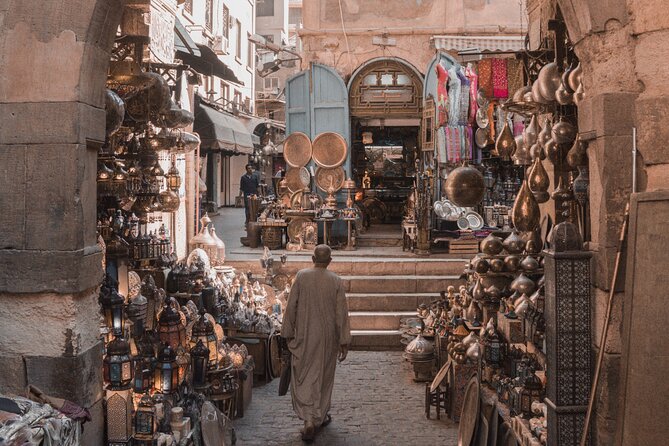
Your Cairo days are set up like a greatest-hits playlist: ancient monuments, a museum deep in artifacts, then religious history in Old Cairo.
Great Pyramid area plus Sphinx and Valley Temple
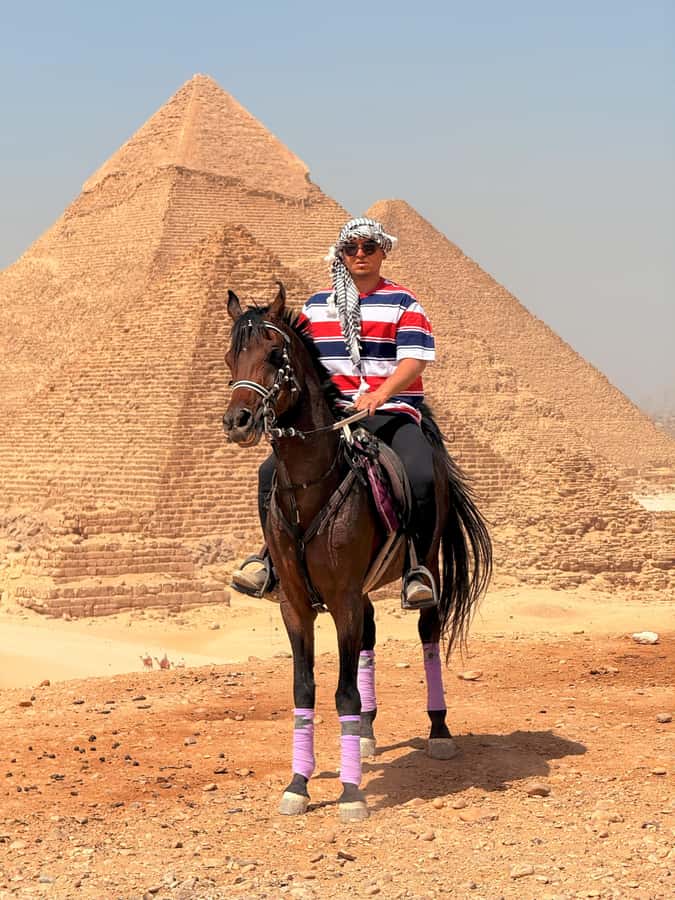
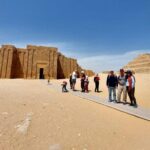
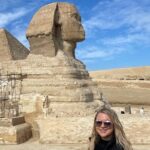
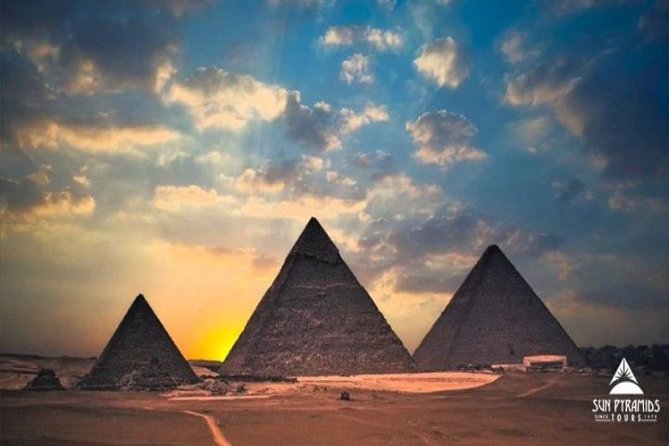
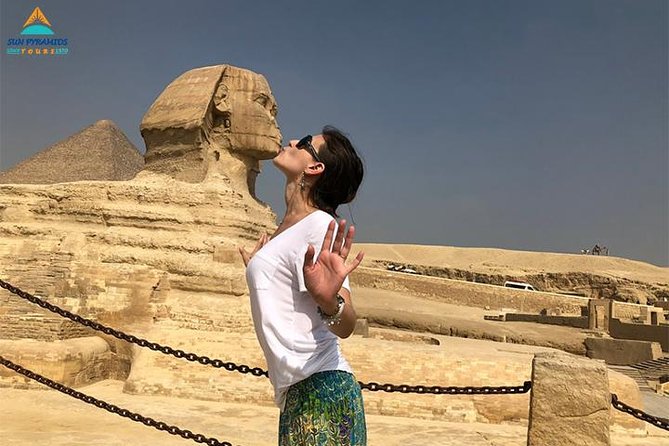
You’ll start at the Giza Plateau for the Great Pyramids of Cheops, Chephren, and Mykerinus, plus the Sphinx and the Valley temple facing the great statue. This is the kind of stop where you want a guide who can explain what you’re seeing rather than just pointing at stones.
What I like about this setup is the ticket is included, and you’re not spending your energy figuring out entry details. That lets you focus on the bigger picture: how the pyramids and temples were designed to connect royalty, religion, and the afterlife.
One consideration: some pyramid-area experiences charge extra for getting inside certain sections. This tour includes admission fees to what’s listed, but it also notes that entry tickets to get inside the pyramids are not included (more on that later).
Egyptian Museum time block
After lunch, you head to the Egyptian Museum for about two hours. This is the classic place to reset your brain. Pyramids tell you one story; the museum gives you objects, context, and a stronger sense of what those temples were built to communicate.
The schedule also helps: you’re not doing museum on an empty stomach and you’re not doing it at the very end of an exhausting travel day.


Coptic Cairo: Hanging Church and Ben Ezra Synagogue
Then comes Coptic Cairo, visiting the Hanging Church and Ben Ezra Synagogue. This is a smart inclusion if you want Egypt beyond pharaohs. It also offers a different feel—less monumental stone, more layered human faith and continuity across centuries.
If you’re someone who likes to understand how places evolve, this stop gives you that. It’s also a good change of pace after Giza.
Flying to Luxor and settling into your 5-star Nile cruise
On day three you check out of your Cairo hotel, transfer to the airport, and fly to Luxor. From there, you’re met and assisted, then taken by air-conditioned vehicle to your Nile cruise where you check in.
This flight is doing real work for you. It cuts out the long overland travel that can drain energy before you even start visiting temples.
After lunch onboard, you visit Karnak Temple and Luxor Temple. Those two are often discussed like separate highlights, but seeing them as part of the same flow helps. Karnak feels like a full system—processions, scale, and power—while Luxor Temple brings you closer to the urban heart of ancient ceremony.
Dinner and overnight are on the ship, which means you’re not burning daylight on getting from one site to another. The cruise becomes your base, not just a boat ride.
Valley of the Kings and Hatshepsut: Luxor’s must-see trio

Day four is where Luxor really grabs you.
Valley of the Kings
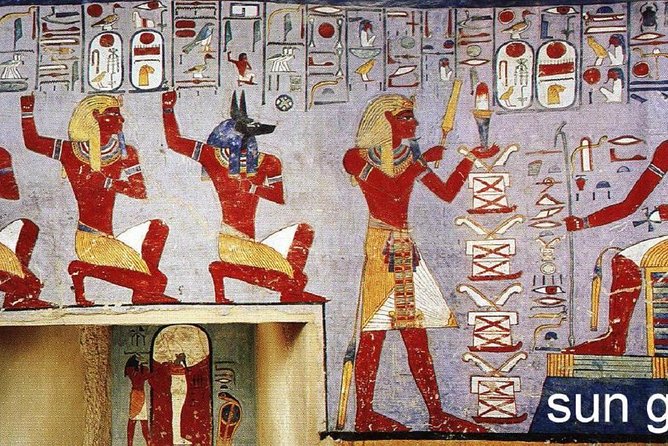
After breakfast on the cruise, you head to the royal cemetery known for the Valley of the Kings, described here as the place of 62 pharaohs. Even if you’ve seen photos before, the setting hits differently in person—rocky and dramatic, like the landscape itself helped shape the mood.
Admission is included, and you get a focused time block instead of wandering.
Temple of Hatshepsut at Deir el Bahari
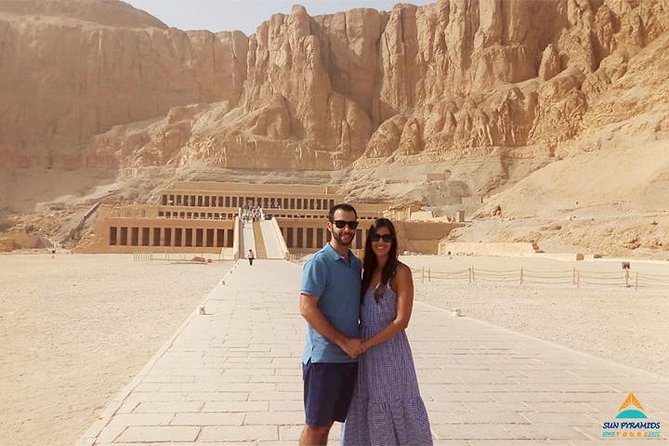
Next up is Deir el Bahari, including the mortuary temple of Queen Hatshepsut. This is one of those sites where architecture tells a story. If you like symbolism, power shifts, and how rulers used building projects for legitimacy, this will land well.
Again, admission is included, so you aren’t hunting paperwork at the last second.
Colossi of Memnon, then sailing to Edfu
You also visit the Colossi of Memnon. After lunch, you sail to Edfu and enjoy a more relaxed evening onboard.
This is a good rhythm: heavy sight blocks first, then a shift into Nile time. It’s also when you start to feel what the cruise is really for—rest between packed temple days.
Edfu and Kom Ombo: temple details that travel well
Day five is split between Edfu and Kom Ombo, two stops that many first-timers assume will feel similar. They don’t.
Temple of Horus in Edfu
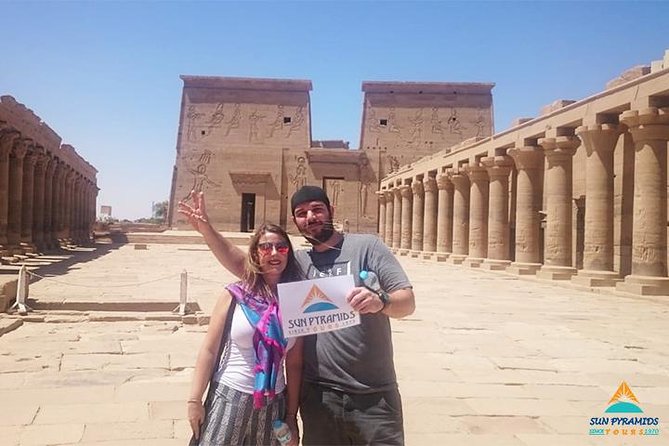
After breakfast, you visit the well-preserved Temple of Horus in Edfu. This place is often remembered for how intact it feels and how readable the temple layout becomes with a guide’s help.
If you want one temple stop that feels less like a blur, Edfu tends to do that.
Kom Ombo: Sobek and Horus
Then you sail to Kom Ombo for the temple dedicated to Sobek (crocodile god) and Horus (falcon-headed god). The tour calls it unique for housing the two divine themes.
Lunch is on board during this segment, which helps keep the day moving without turning into a constant restaurant hunt. Dinner and overnight remain onboard as you continue to Aswan.
Aswan day: High Dam, Unfinished Obelisk, and Philae
Aswan can feel like the “breathe and look around” day, but you still get serious sightseeing.
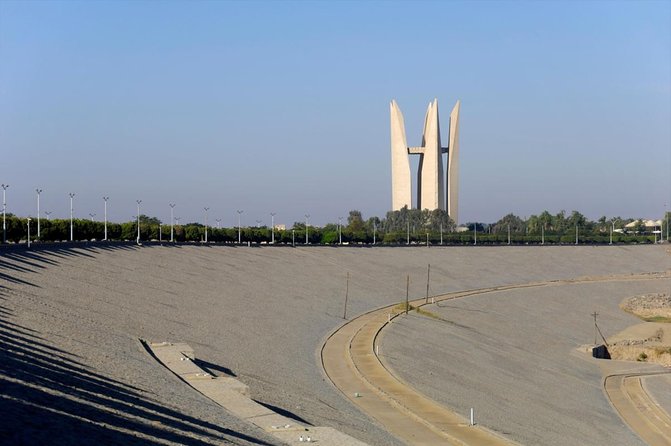
High Dam
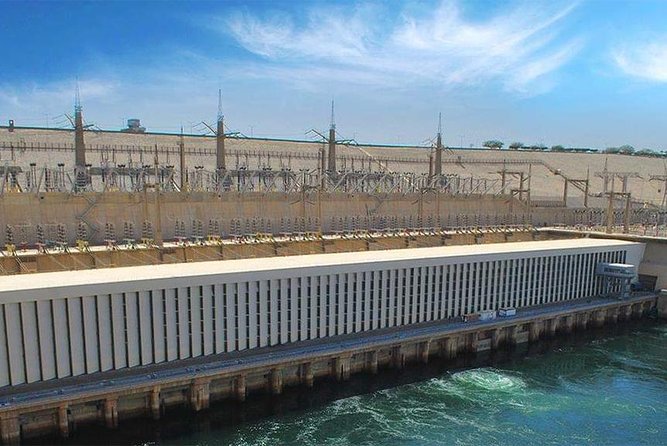
Your day begins with the High Dam. It’s not an ancient temple, but it’s tied to how modern Egypt manages the Nile—water, power, and control. It’s a useful contrast point after days of purely ancient sites.
Unfinished Obelisk
Then you visit the Unfinished Obelisk, the largest known ancient obelisk in the northern stone quarries. This is the kind of stop I love because it changes the story from finished monuments to real-world work and process.
You see craftsmanship in progress—or at least the trace of it.
Philae Temple
Finally, you head to Temple of Philae, devoted to Isis and Hathor. This is a temple experience that feels ceremonial and special, especially after you’ve already done multiple major sites. You’ll notice how the itinerary saves one “big emotional” stop for the end of the day.
Dinner and overnight are still onboard, so you finish the Aswan block without needing to locate your next hotel or check in.
How the cruise portion fits the whole schedule
The cruise is 4 nights, full-board, and it’s positioned as both transport and downtime. That’s exactly what you want in Egypt, where getting from place to place can eat hours.
Here’s what the cruise “does” for your trip:
- You sleep in a consistent environment while the staff runs the daily flow.
- You get onboard meals so you don’t constantly recalibrate plans.
- You can slow down between major temple days instead of doing nonstop tours.
One note to keep expectations realistic: one of the experiences shared earlier describes the cruise stay as okay and could have been reduced. That doesn’t mean it’s bad; it means your energy levels might decide how much ship time you actually want. If you love being active and hate downtime, you might wish there were fewer cruising hours. If you like a breather after temples, you’ll probably feel grateful for the rhythm.
What’s not included (and the add-ons worth thinking about)
This tour includes entrance fees to the sites as indicated, domestic flights, guide service, private transfers, and onboard meals during cruise days.
Still, a few items can matter:
- Tipping kitty is not included.
- Beverages are not included.
- Gala dinner is not included.
- Optional activities are not included.
- Tickets to get inside the Pyramids are not included.
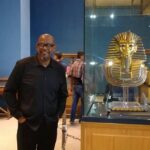
- Entry ticket to the Tutankhamen Tomb is not included.
If you’re the kind of traveler who wants the inside-the-monument version of experiences, check your priorities before you go. Inside-pyramid options and the Tutankhamen tomb have separate tickets, and those decisions can affect the total cost.
Pacing, private feel, and the guides you may meet
The program is described as private: only your group will participate. That matters because it often turns a chaotic crowd situation into a more controlled, calmer day.
In the service teams associated with this kind of trip, names show up like Omar Saleh, Tamer Mosbah, Mahmoud Emam, Menna, and guides such as Ahmed in Luxor and driver Salah. You can’t guarantee a specific person, but you can take the hint: the tour provider has a track record of using consistent teams, and that often means fewer surprises.
Also, you’ll likely get coordination through modern messaging. One experience highlights support through WhatsApp-style communication, which is handy when you’re moving between hotel pick-ups and ship schedules.
Pace-wise, plan for a lot of walking, a lot of stairs at times, and a lot of standing for explanations. Egypt temples are not set up for a lazy stroll.
Who this tour suits best
This tour fits best if:
- You’re a first-time Egypt visitor who wants the big sights without learning the transport puzzle.
- You like having a guide’s context while you see the monuments.
- You’d rather pay for structure than spend your vacation doing logistics.
- You’re traveling as a family or in a small group and want private movement.
It might feel less perfect if:
- You want lots of free time to wander on your own every day.
- You’re very sensitive to packed schedules and early starts.
- You prefer a lighter day with fewer temples per rotation.
Still, for most people, the blend of Cairo + cruise + Upper Egypt temples is exactly the comfort zone.
Should you book this Jewels of Egypt, Luxor & Aswan tour?
Yes—if you want a confident, well-managed route that hits the main monuments and temples without draining your energy on tickets and transport. The biggest win is the structure: meet-and-greet, private vehicles, a guide, entrance fees included, and a Nile cruise that carries you between regions.
I’d book it especially if you value time. The Cairo–Luxor–Aswan movement can be the most exhausting part of an Egypt trip, and this plan uses a domestic flight to protect your sightseeing days.
One last check before you commit: if you care about doing inside-the-pyramids or seeing the Tutankhamen tomb, budget for those separately. Otherwise, you’re covered for the core experience.
FAQ
What is the duration of this tour?
It’s listed as 8 days (about 7 nights).
Where does the tour start?
The start is in Cairo, Egypt, with the tour start time listed as 12:00 pm.
How many nights are you on the Nile cruise?
You get 4 nights on a 5-star full-board Nile cruise.
Is pickup included?
Yes. Pickup is offered, and transfers are arranged by private air-conditioned vehicle.
Are domestic flights included?
Yes. Domestic flights are included from Cairo to Luxor and from Aswan back to Cairo.
Are entrance fees included?
Yes. Entrance fees to the sites indicated in the itinerary are included.
Is the tour private?
It’s described as private, so only your group participates.
What’s not included in the price?
Not included items include tipping kitty, personal expenses, optional activities, gala dinner, beverages, tickets to get inside the pyramids, and entry ticket to the Tutankhamen Tomb.
Can the cruise or hotel change?
Yes. If the mentioned cruise or hotel are not available, the provider can change to another option of the same category.
Is free cancellation available?
Free cancellation is available up to 24 hours in advance for a full refund.