REVIEW · ALEXANDRIA
Multi-Day Sites of Giza and Cairo City Tour plus Egyptian Antiquities Museum
Book on Viator →Operated by MyEgyTours · Bookable on Viator
Pyramids plus museum, in one tidy two-day plan. This tour strings together Giza, Saqqara, the Egyptian Antiquities Museum, and a shopping walk in Khan El-Khalili, with Egyptologist commentary so you’re not just staring at stones. It runs on an air-conditioned vehicle, includes mineral water, and builds in time for photos and browsing.
I especially like the private English Egyptologist guide. On top of covering the big monuments, I like how the route is designed so you get context while you’re standing there, not just after the fact. I also like the built-in Cairo time for Khan El-Khalili shopping, so your trip has an easy pace for a couple of hours instead of being one long museum sprint.
One consideration: admission for some sites and any extra options can cost extra (and tips aren’t included). If you’re hoping everything is fully covered, double-check what tickets you’ll need and budget for optional add-ons.
In This Review
- Key Highlights You’ll Actually Feel During This Tour
- Why This 2-Day Cairo Plan Makes Sense
- Morning Pickup and the Ride to the Giza Plateau
- Giza Pyramids With an Egyptologist Guide (Not Just a Photo Stop)
- Sphinx and Valley Temple: What to Watch For on the Ground
- Optional Add-Ons at Giza: When to Spend Extra
- Saqqara and the Step Pyramid of King Zoser
- Egyptian Antiquities Museum: Matching Artifacts to What You Saw Outside
- Khan El-Khalili Shopping Time: How to Use It Well
- Transportation Comfort and Group Size: A More Manageable Day
- Price and Value: What $120 Covers and Why It’s Not Just the Seats
- Who This Tour Fits Best
- Small Tips That Make This Tour Feel Better in Real Life
- Should You Book This Tour?
- FAQ
- How long is the tour?
- What’s included in the price?
- Are admission tickets included?
- What optional add-ons are mentioned at Giza?
- What time does the tour start?
- What’s the group size limit?
- Is free cancellation available?
Key Highlights You’ll Actually Feel During This Tour
- Private English Egyptologist guidance that helps each stop make sense on the spot
- Air-conditioned transfers plus mineral water to keep the day comfortable
- Giza photo time with chances to aim for different angles around the plateau
- Saqqara focus on the Step Pyramid complex of King Zoser
- Egyptian Museum visit to match the monuments you saw earlier
- Khan El-Khalili free time for shopping in Cairo’s narrow lanes
Why This 2-Day Cairo Plan Makes Sense
If you only have a short window in Egypt, this is one of those plans that feels efficient without feeling rushed. You’re seeing the Giza plateau and Saqqara necropolis first, then tying it together with the Egyptian Museum the next day. That order matters: it helps you recognize themes—royal power, funerary design, and how objects connect back to architecture.
The tour also tries to keep you comfortable. The air-conditioned vehicle helps a lot in Cairo heat, and the included mineral water means you’re less likely to feel stuck waiting for hydration. Add lunch into the mix and you avoid the classic problem of half a day turning into snack hunting.
Price-wise, the $120 per person is best viewed as a guided, all-day package with transfers and a private Egyptologist, not a budget self-guided crawl. The real value is the guide time—especially when you’re standing at a site where the story isn’t obvious unless someone points it out.
You can also read our reviews of more city tours in Alexandria

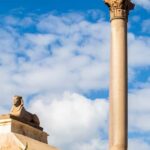
Morning Pickup and the Ride to the Giza Plateau
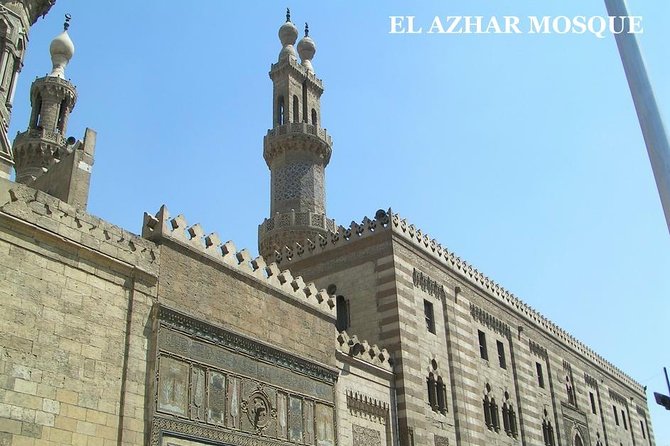
The day starts with pickup and hotel transfers, and the schedule is built around early sightseeing. You’ll leave Cairo in a private, air-conditioned vehicle with your guide, and the pacing is set so you’re not burning daylight in traffic the whole time.
This is also where the “private” aspect starts paying off. You can ask questions as you drive, and your guide can adjust the visit flow based on what your group wants—like photography time, or whether you prefer to spend longer outside one monument area.
One practical note: the meeting point listed is in Alexandria (with a 7:00 am start). If you’re staying outside the main pickup zone, confirm the exact pickup location and whether the tour includes transport from where you are. The good news is hotel pickup and drop-off are explicitly included, so it’s designed to meet you where you’re staying.
Giza Pyramids With an Egyptologist Guide (Not Just a Photo Stop)
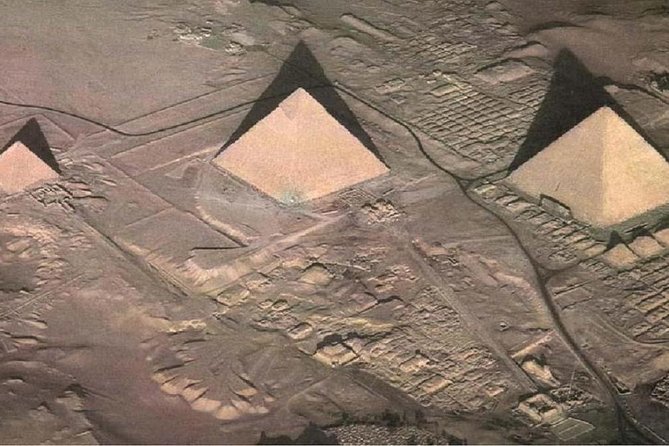
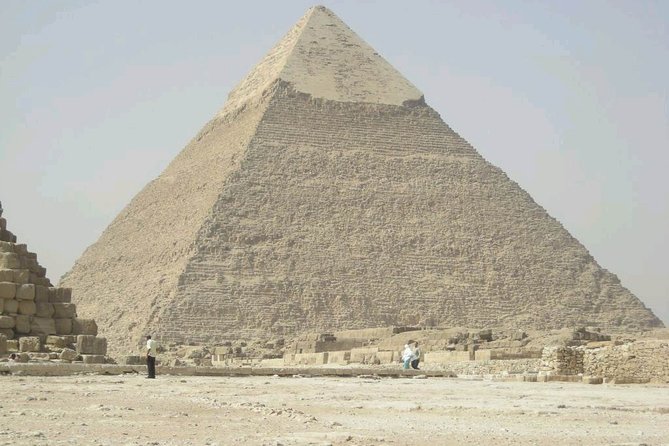
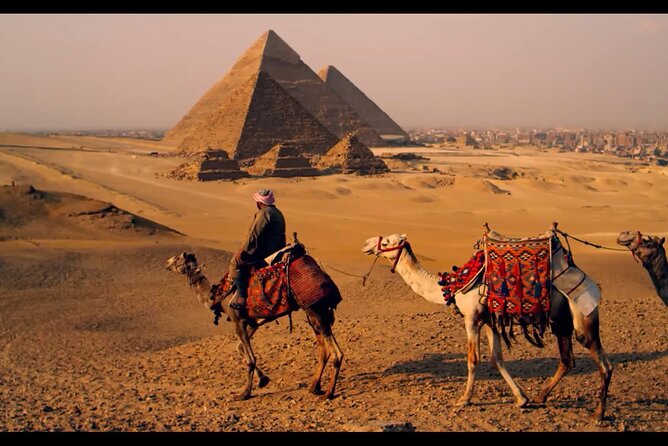
At Giza, the guide’s role is the whole point. You’re not only visiting the famous skyline. You’ll get context for the Sphinx, the valley temple of mummification, and the different pyramids connected to kings, queens, and princesses. That matters because Giza isn’t a single monument—it’s a whole royal zone where each building signals status and a specific funerary plan.
I like that you’re given time for photography from different sides. The plateau layout makes that feel natural. Even if you’ve seen pictures of the pyramids before, getting multiple viewpoints in person helps you understand scale—especially how the slope and angle distort how “close” everything looks in photos.
Your guide should also help you spot what you’re looking at as you move. Without that, you can end up walking a circuit and still not know what each building functioned as. With guidance, you start connecting the dots between temples, processional spaces, and the idea of the afterlife as a planned experience.
Sphinx and Valley Temple: What to Watch For on the Ground
The Sphinx area is one of those places where your expectations can run ahead of reality. It’s massive, but the surrounding details are easy to miss if you’re just snapping pictures. A good Egyptologist guide keeps you focused on what each part likely meant, and why that location was chosen.
Then you move into the valley temple of mummification area. Even if you only spend a moderate amount of time there, having a guide explain the funerary workflow changes how you interpret the stones. It’s no longer random ruin. You start picturing ceremonies and daily maintenance tied to the tomb complex.
Also, there’s a simple comfort factor. Giza visits can be physically tiring—sun, walking, and stairs can add up. The structure of the tour, with a dedicated guide and vehicle support, helps you avoid the situation where you have to negotiate logistics while you’re tired.
Optional Add-Ons at Giza: When to Spend Extra
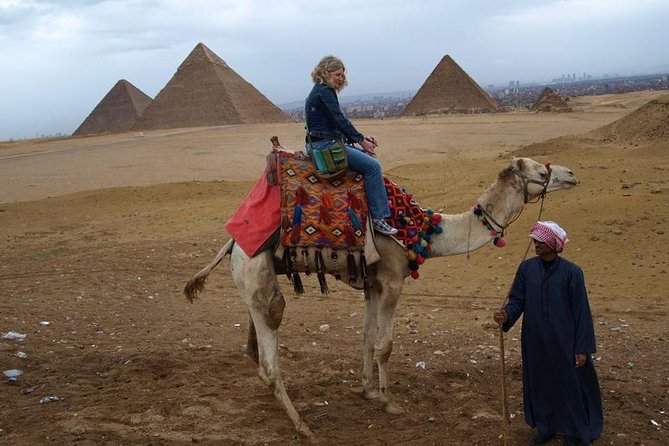
The tour mentions extra options that you might choose, such as entering one of the pyramids, visiting the Sun Boat Museum, or riding a camel around the area. Those add-ons can be worth it if they fit your interests, but they’re not required for a good experience.
Here’s how I’d think about it:
- If you love hands-on exploration and can handle enclosed spaces, the option to enter a pyramid could be a memorable moment.
- If you like the “supporting cast” of burial technology, the Sun Boat Museum can feel like a good complement.
- If you want the classic desert experience, the camel ride is more about the setting and photos than historical depth.
If your budget is tight, you can still get a strong, satisfying tour without adding anything. Just make sure you know what admission is included versus what isn’t. The tour information says admission tickets aren’t included in general, so your day may involve buying at least some entry tickets unless your guide covers specifics at arrival.
You can also read our reviews of more museum experiences in Alexandria
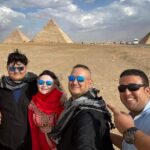


Saqqara and the Step Pyramid of King Zoser
After Giza, the tour shifts to Saqqara, the old kingdom necropolis. This is the part that gives your trip more chronological depth. Giza is iconic, but Saqqara helps you understand the long development of royal building ideas.
The standout here is the oldest pyramid mentioned on the itinerary: the Step Pyramid of King Zoser, built around 2800 BC. That date turns the experience from a pretty sight into a time-travel moment. You’re seeing a royal funerary complex rooted in an earlier era of Egyptian state power.
The guide should help you appreciate why this site matters beyond one famous structure. Saqqara is a necropolis, meaning it’s about more than one tomb. It’s an environment of royal planning—how power expressed itself in stone and ritual spaces.
One more practical tip: expect more walking than you think, especially if you linger for photos. Heat and uneven ground can slow you down, so give yourself permission to take breaks when your guide offers them. The tour’s structure is designed to keep you moving, but you shouldn’t feel you have to sprint to “keep up.”
Egyptian Antiquities Museum: Matching Artifacts to What You Saw Outside

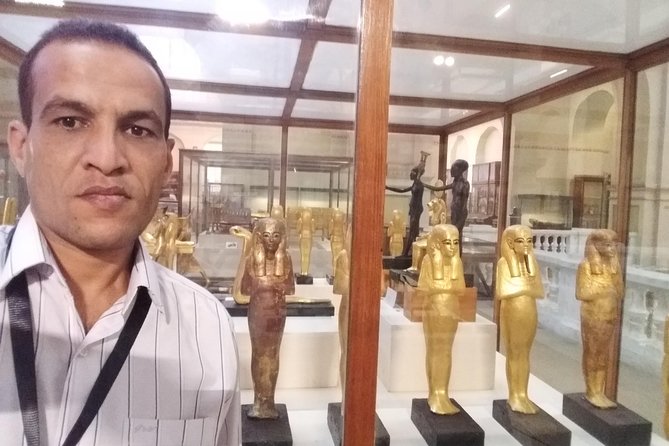
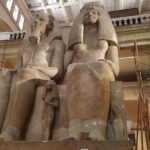
On day two, you go to the Egyptian Museum to see ancient artifacts. This museum stop is where the tour connects the big outdoor monuments to the objects that were used, stored, and preserved.
I like museum visits after monuments because your brain is already primed. After Giza and Saqqara, you’re better at spotting themes—materials, styles of funerary items, and the way art served religious ideas. Without that connection, a museum can sometimes feel like a huge warehouse of items. With the tour flow, it feels like the “missing chapter.”
Because the tour doesn’t spell out exact galleries or a timed route, you’ll want to go with a plan. Focus on sections that match your interests, and ask your guide what to prioritize. If your guide is the type who explains clearly—people mention names like Esam, Ahmed, Ahmad, Mohammed El-Beltagy, and Sayed in past experiences—then your visit should feel targeted rather than frantic.
Khan El-Khalili Shopping Time: How to Use It Well
After the museum, the itinerary builds in time for the narrow lanes of Khan El-Khalili. This is where the trip stops being strictly historical and becomes cultural and practical.
Shopping time is useful for two reasons:
1) You get a break from constant sightseeing.
2) You can pick up small souvenirs while practicing your bargaining instincts in a real market setting.
A calm approach works best. Walk the lanes first to understand price ranges and materials, then return to what you like. Since the tour includes shopping tours, your guide can also help you avoid common confusion—like what’s typical to find in the area and how to keep the experience easy.
If you’re not into shopping, you can still enjoy the atmosphere. Even then, the time is valuable because it lets you step away from ticket lines and into everyday Cairo rhythm for a while.
Transportation Comfort and Group Size: A More Manageable Day
The tour runs with a maximum of 35 travelers. That’s large enough that you’ll still feel the group energy, but small enough that a private guide and vehicle shouldn’t feel chaotic.
Comfort matters. You’ll be on a private air-conditioned vehicle for transfers, and mineral water is provided during the tour. Those details sound basic, but in Cairo they change your stamina and mood.
Also, you get lunch included. Food breaks can be where tours either stay pleasant or fall apart. Having lunch handled makes it easier to keep the day on track without spending the afternoon searching for a place that fits your tastes.
Price and Value: What $120 Covers and Why It’s Not Just the Seats
At $120 per person, you’re paying for more than transport. You’re paying for:
- Hotel pickup and drop-off
- Private air-conditioned transfers
- Private English Egyptologist guide
- Mineral water
- Lunch
- Shopping time in Cairo
- Taxes and service charges
- Fees and taxes listed as included
The key “value” question is admissions. The tour info states admission isn’t included, and extra options can also be paid separately. So the true cost depends on what sites you need tickets for and whether you choose add-ons like entering a pyramid or the Sun Boat Museum.
If you want the easiest path—someone to explain each monument and keep you coordinated—this package is a solid deal. If you’re the type who hates group schedules and prefers complete control, you might want to piece together sites on your own. But for most people, the guide time plus transport is what makes it worth it.
Who This Tour Fits Best
This tour fits you if:
- You want two days of major monuments without dealing with logistics.
- You learn faster with a guide who explains what you’re looking at.
- You want at least one museum day plus a real market experience.
- You like having time to take photos without racing nonstop.
It may not fit you as well if:
- You want every ticket fully included (admission is not clearly covered).
- You dislike shopping time and prefer strict sightseeing only.
- You’re extremely sensitive to early starts; the day is structured with early pickup.
Small Tips That Make This Tour Feel Better in Real Life
A few simple moves help a lot:
- Wear light, breathable clothes and consider sun protection for outdoor time at Giza and Saqqara.
- Bring a camera plan. Since photography time is built in, decide what you want first—wide pyramid shots, Sphinx angles, or close-up details.
- Keep some cash for any tickets that aren’t included and for small purchases in Khan El-Khalili.
- If you’re considering optional add-ons, ask your guide how long they’ll add so you don’t feel behind later.
And if you care about the guide experience, pay attention to which guide you’re assigned. People repeatedly mention guides like Esam, Ahmed, Ahmad, Mohammed El-Beltagy, and Sayed as standouts for clarity, patience, and a fun tone—those traits matter a lot on days packed with monuments.
Should You Book This Tour?
Yes, I’d book it if you’re trying to get the highlights of Giza and Saqqara with real explanations and a smooth, guided flow into the Egyptian Museum and Khan El-Khalili. The mix of monuments plus artifacts is the main reason it works, and the private Egyptologist guidance is where you get the most value.
Hold off or at least budget extra if admissions and add-ons are a deal-breaker for you. Also confirm the pickup details if your stay is outside the main pickup area, since the meeting point listed is in Alexandria even though the tour offers Cairo hotel pickup and drop-off.
If you want a practical two-day hit of ancient Egypt with enough comfort to enjoy it, this is a good choice.
FAQ
How long is the tour?
It’s listed as 2 days (approx.).
What’s included in the price?
Included items are hotel pickup and drop-off, all transfers by a private air-conditioned vehicle, a private English Egyptologist guide, mineral water on board, shopping tours in Cairo, lunch, and all taxes and service charges.
Are admission tickets included?
No. The tour notes that admission tickets are not included.
What optional add-ons are mentioned at Giza?
The tour mentions possible extras like entering one of the pyramids, visiting the Sun Boat Museum, or riding a camel around the area.
What time does the tour start?
The start time is listed as 7:00 am.
What’s the group size limit?
The maximum group size is 35 travelers.
Is free cancellation available?
Yes, free cancellation is available up to 24 hours in advance for a full refund.