REVIEW · HURGHADA
Luxor Excursion “Valley of the Kings” from Hurghada (Maine group)
Book on Viator →Operated by TripTip Egypt · Bookable on Viator
Early start, big ancient wow.
This long Luxor day trip from Hurghada packs Karnak, Hatshepsut at Deir el-Bahari, the Valley of the Kings, the Colossi of Memnon, and a Nile boat crossing into one full, memorable sweep of the West and East Banks.
I especially like two things about how this runs: tickets and fees are included, so you’re not scrambling for paperwork, and the group stays small with a maximum of 8 people, which helps the schedule stay human-sized.
One thing to think about first: it’s a 15 to 20 hour day with an early 4:00 am pickup, and the drive can run longer than you’d expect. On top of that, you may feel the pace is tight at some stops, so bring a flexible mindset.
In This Review
- Key highlights to know before you go
- From Hurghada to Luxor: the 4:00 am reality check
- Karnak Open Air Museum: where the temple complex swallows your attention
- Colossi of Memnon: two statues that have survived empires
- Deir el-Bahari and Hatshepsut: the West Bank moment you’ll remember
- Valley of the Kings (Valley of Nobles): tomb time with a tight schedule
- Colossi to canals: the Nile boat crossing break
- Price and value: is $100 worth it?
- Long-day tips that actually help (without killing the fun)
- Who should book this Luxor day trip from Hurghada
- Should you book this Luxor Excursion from Hurghada?
- FAQ
- What time does the tour start?
- How long is the full-day Luxor excursion?
- What’s included in the price?
- What are the main stops during the day?
- What is not included?
- Can I cancel for free?
Key highlights to know before you go
- 4:00 am pickup from Hurghada: plan for sleep, water, and a hat.
- Karnak (2 hours): your first big hit of temple scale and stonework.
- Colossi of Memnon (20 minutes): quick photo stop with serious age (around 3,400 years).
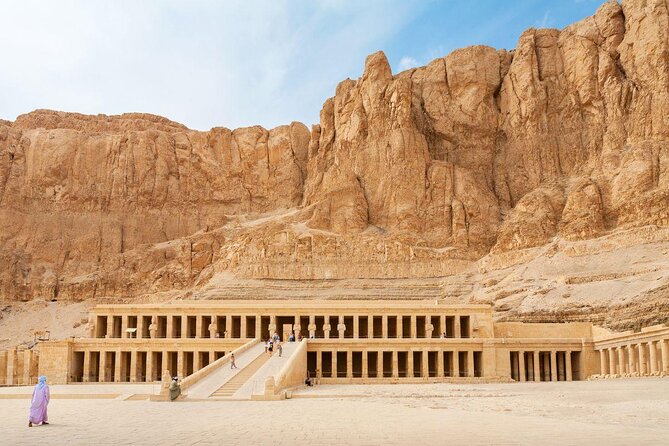
- Hatshepsut at Deir el-Bahari (2 hours): a major highlight on the West Bank.
- Valley of the Kings / Valley of Nobles (2 hours): enough time to see how tombs sit in the cliffs.
- Nile boat crossing + lunch included: breaks up the day so you’re not just moving non-stop.
From Hurghada to Luxor: the 4:00 am reality check
This is a long haul day. You start at 4:00 am, and by the time you’re done with all the sights, you’re looking at roughly 15 to 20 hours. If you hate early mornings or long drives, this tour will feel like a sprint rather than a stroll.
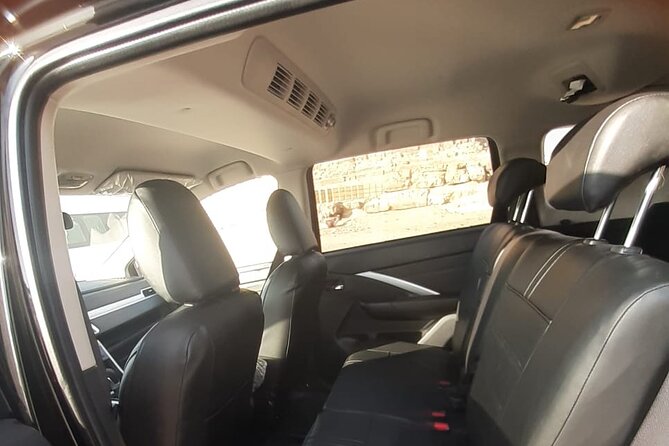
The good news: the ride is air-conditioned, and lunch is included. There’s also a mobile ticket, which reduces last-minute stress. Some people do note route breaks—helpful on a day like this—while others point out that stop-to-stop bathroom access can be awkward, so I’d treat restrooms as something to plan for, not something to assume.
Also, expect heat. Even if you start early, Luxor’s sun shows up fast once you’re outside and walking. Pack for the worst-case scenario, even if the morning starts cooler.
You can also read our reviews of more tours and experiences in Hurghada.


Karnak Open Air Museum: where the temple complex swallows your attention
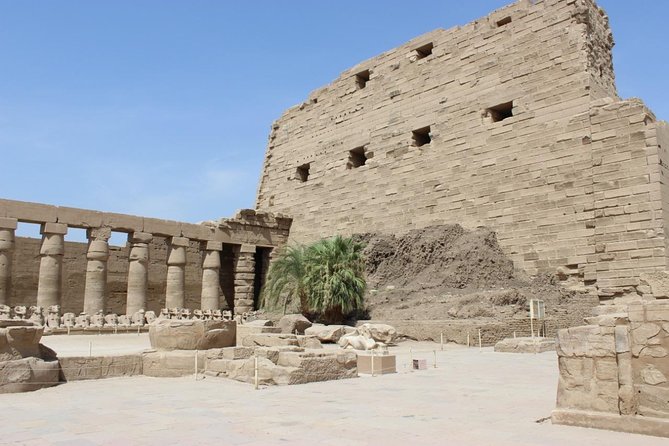
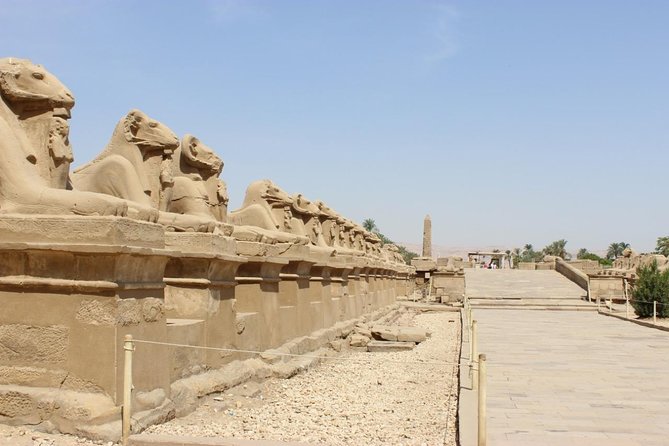
Your day begins at Karnak, also called the Karnak Open Air Museum. You get about 2 hours, and it’s the right amount of time for a first visit because Karnak can easily eat your whole day if you let it.
This site is not one neat building. It’s a vast mix of decayed temples, chapels, pylons, and other structures clustered near Luxor. That means you’ll spend time reorienting as you move through rows of stone and open courtyards. In plain terms: you’re not just looking at one thing—you’re reading the city’s religious past layer by layer.
What I like here is that admission is included, so you can walk in and focus on the visuals instead of chasing tickets. What to watch for: with only two hours, you’ll want to move with purpose. If you stop for every detail, you may feel rushed later at the smaller stops. I’d pick a few moments to linger at—big carvings, towering pylons, and the main courtyard views—then keep moving.
A helpful habit: take a few wide-angle photos early. Once you’re deep into Karnak, it’s harder to remember how everything lines up.
Colossi of Memnon: two statues that have survived empires
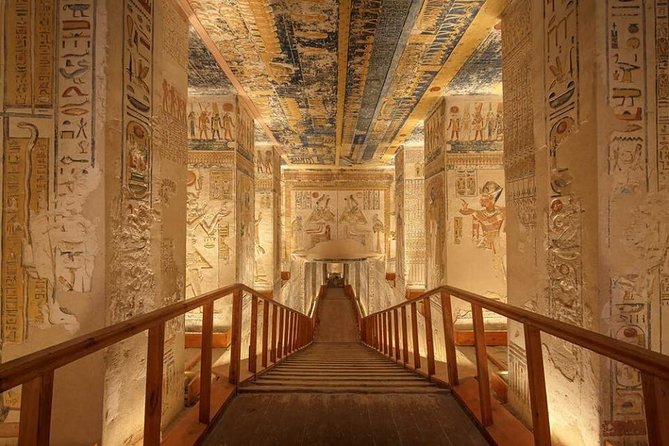
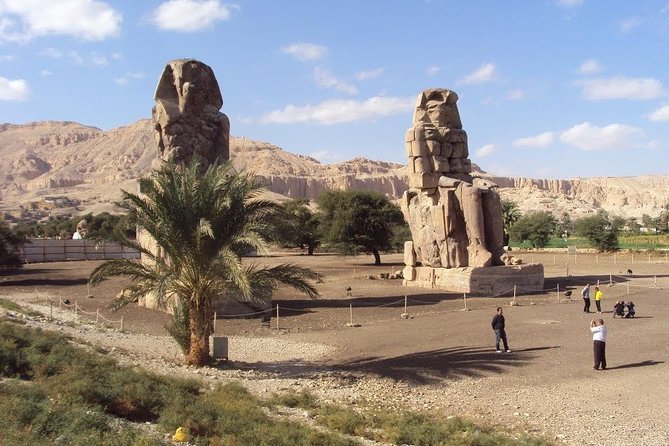
Next is the Colossi of Memnon. This is a quick stop—about 20 minutes—but it’s one of those moments that lands even if you’re tired from the early start.
These are two massive stone statues of Pharaoh Amenhotep III, dating back to around 1350 BC, and they’ve been standing in the Theban Necropolis for roughly 3,400 years. The experience here is simple: you see monumental scale up close, and you can almost feel the centuries pressing down as you walk between the statues and look back toward the Nile-side horizon.
Because the time window is short, treat it like a photo and context stop. Look for the view from different angles, then decide if you want extra time on one statue or if you’d rather save energy for Hatshepsut and the Valley of the Kings.
If you’re the type who loves reading every inscription, this may feel too brief. But if you want something impactful that doesn’t drain your whole afternoon, it works.
Deir el-Bahari and Hatshepsut: the West Bank moment you’ll remember
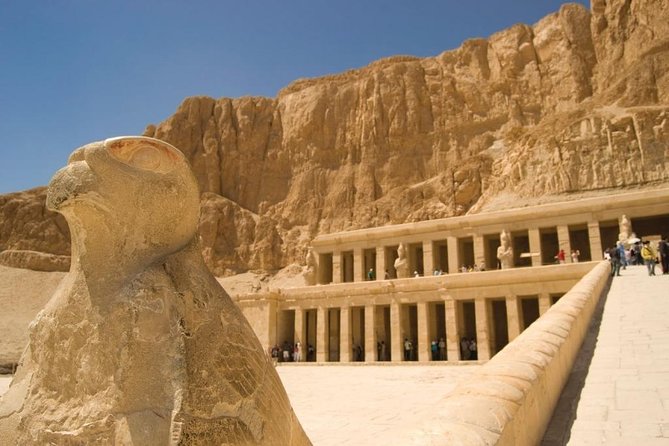
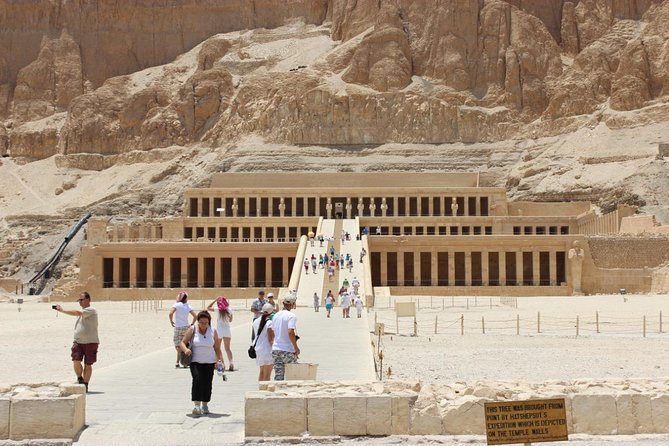
Then you head to the Temple of Hatshepsut at Deir el-Bahari. You get around 2 hours, and this is one of the most satisfying stops on the itinerary because the temple complex feels dramatic even before you learn the details.
Deir el-Bahari is on the west bank of the Nile, opposite Luxor. It’s described as a mortuary temple complex and tomb area, and the setting matters: you’re not just inside a ruin—you’re inside a carefully planned landscape with views that make the stone feel even more intentional.
I like that this stop gives you time to absorb the design instead of just passing through. If your guide points out the story of Hatshepsut’s reign and the purpose of the mortuary space, you’ll get a clearer sense of why this place was built to endure.
One practical consideration: you’ll do a fair amount of walking and standing in sun. Wear shoes you trust and keep water handy. The day is long, and Deir el-Bahari is where fatigue can start to creep in if you didn’t plan ahead.
Valley of the Kings (Valley of Nobles): tomb time with a tight schedule
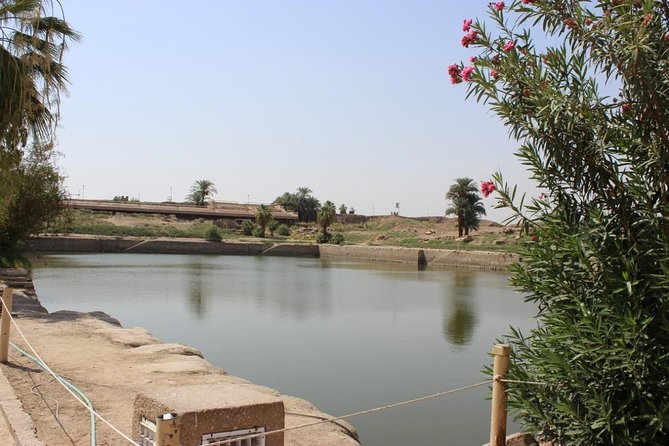
Your next big stop is the Valley of the Kings, also referred to as the Valley of the Nobles. You have about 2 hours, and admission is included.
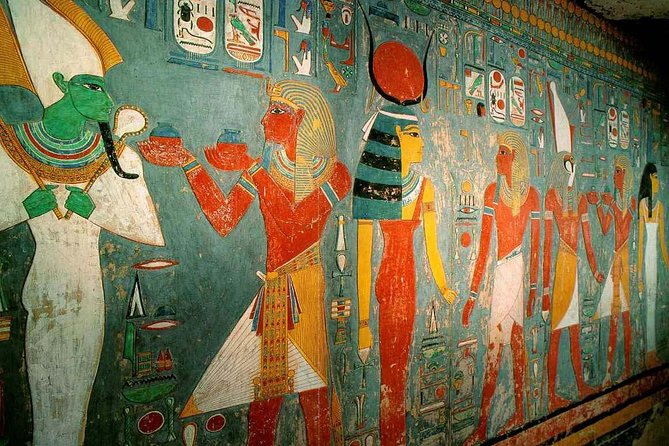
Here’s what makes it special: this is not a temple building you wander through like a museum. It’s a cliff setting where royal tombs sit in the rock. The site is known as a burial ground used for nearly 500 years, which helps you understand why the valley feels busy even when you’re standing alone.
Two hours is workable for a first visit. You can get the layout, see the logic of tomb placement, and get the feel of how the ancient builders carved their way into the cliffs. But if you’re hoping for deep, slow tomb-by-tomb exploration, this might feel rushed. Some people also mention that guides can push the schedule, so you might not get the leisurely pace you want.
My advice: choose your priorities before you arrive. If the tomb interior is your main goal, focus your energy on that. If you mainly want to understand the valley’s design, spend more time at viewpoints and entrances rather than sprinting between structures.
Also, plan for heat and glare. In summer, this stop can feel like a furnace. A hat and sunscreen aren’t optional if you want to enjoy it.





Colossi to canals: the Nile boat crossing break
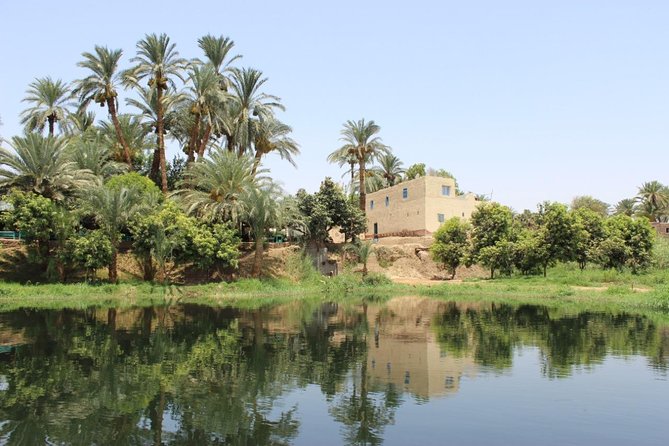
Between the heavier walking stops, you get a boat tour crossing the Nile River. Even though the exact time isn’t listed, the value of this part is clear: it’s a mental reset.
On a day packed with stone and sun, that water break helps you regain energy. It also gives you a different angle on the river corridor and the sense that Luxor’s ancient sites sit in a working geography, not just an isolated ruin zone.
If you’re sensitive to motion or sun, keep that in mind. Bring sunglasses and plan to hydrate so you don’t end the day headachy.
Price and value: is $100 worth it?
At $100 per person, you’re not paying a cheap price—but you also aren’t paying the “hidden fees surprise” that sometimes hits day tours. This tour includes lunch, an air-conditioned vehicle, and all tickets and fees.
That matters because Karnak, the West Bank sites, and Valley of the Kings admissions aren’t small costs on their own. Also, the schedule includes multiple major landmarks, so the day is built like a full sightseeing package rather than one stop plus optional add-ons.
Where value can wobble is in pacing and drive time. Some people feel the day moves quickly. Some note the trip can run longer than advertised and they end up back later than planned. If you’re counting the hours like a train connection, you’ll want a little buffer in your evening plans.
Still, the overall rating is strong, and many comments emphasize that the day is well organized and guided. In plain terms: for $100, you’re buying structure. If you enjoy having someone handle the logistics, this price starts to look fair.
Long-day tips that actually help (without killing the fun)
Here’s how I’d set yourself up so the day feels rewarding instead of exhausting:
- Start with sleep: you leave at 4:00 am. If you can, pack your best rest the night before.
- Bring sun protection: hat, sunscreen, and sunglasses. Luxor sun is not polite.
- Hydrate early: even if drinks are provided, you’ll want enough water to keep your energy steady through Karnak and the Valley.
- Wear shoes for uneven ground: temple sites mean stone steps and rocky paths.
- Be mentally ready for a “full day”: yes, it’s long. If you treat it like a day of highlights instead of slow wandering, you’ll enjoy it more.
- Use the guide’s time wisely: names that come up include Mohammed Said, Caleb, Ali, Muhammed, and Ahmed. When the guide explains why a place was built a certain way, it changes how the stones land in your brain.
If shopping stops or store pitches happen during the day, keep your head. One review notes the guide warned about certain purchase points. That’s a sign you should listen—then decide calmly.
Who should book this Luxor day trip from Hurghada
This tour fits best if you want a big Luxor highlights plan without planning anything yourself. The small group size (up to 8 people) makes it easier to ask questions and keep the schedule moving efficiently.
It’s also a good match if you like history explained clearly while you walk. Multiple guide names show up, and the common thread is that people felt the guide was supportive and kept them hydrated during the long drive.
If you’re the type who hates early mornings, needs lots of downtime, or wants a slow, deep tomb crawl with long pauses, you might be happier with a different approach in Luxor (staying overnight). For everyone else who’s okay with a full-day effort: this is a solid way to see the core sights in one go.
Should you book this Luxor Excursion from Hurghada?
I’d book it if you want maximum ancient Egypt per day with included tickets, lunch, and a small group, and you’re okay with the reality of 4:00 am and a long drive. The main risk isn’t the sights—it’s the pacing and the sheer length of time in a car.
I’d pass or consider a different plan if you need a relaxed schedule, hate heat, or can’t tolerate bathroom stop uncertainty on long routes. Also, skip any extra add-ons you don’t fully support—Banana Island is listed as not included here, so you’re not forced into it.
If you come in ready for a long day and focus on the big moments—Karnak scale, Hatshepsut’s temple drama, and the Valley’s cliff-tomb setting—you’ll likely feel like you got your money’s worth.
FAQ
What time does the tour start?
The tour starts at 4:00 am.
How long is the full-day Luxor excursion?
It runs about 15 to 20 hours.
What’s included in the price?
It includes lunch, an air-conditioned vehicle, all fees and taxes, and all tickets for the included sights. A mobile ticket is provided.
What are the main stops during the day?
You’ll visit Karnak, the Colossi of Memnon, the Temple of Hatshepsut at Deir el-Bahari, and the Valley of the Kings (Valley of Nobles), plus a Nile boat tour crossing.
What is not included?
A transfer from Ahia, El Gouna sahel hashesh costs extra $10 per person, and Banana Island is not included.
Can I cancel for free?
Yes. Free cancellation is available, and you can cancel up to 24 hours in advance for a full refund.