REVIEW · CAIRO
Dahshur Bent Pyramids , Sakkara Step Pyramids and Memphis Old City
Book on Viator →Operated by Egypt Local Guides-Day Tours · Bookable on Viator
Desert pyramids, explained in a few hours. This half-day outing packs Dahshur’s Bent Pyramid and Saqqara’s Step Pyramid of Djoser into one trip, with a guide riding along so you’re not just staring at stone.
I love the smooth logistics: hotel pickup and drop-off in an air-conditioned vehicle, plus bottled water. I also like that it’s a private tour, meaning it’s only your group, not a packed bus.
One thing to plan for: pyramid admission isn’t included, so you’ll budget a little extra for gate tickets and it won’t feel like a slow museum day.
In This Review
- Key highlights to plan around
- Why this Dahshur–Saqqara–Memphis route makes sense
- Getting out of Cairo: pickup, AC, and how long you’ll actually be gone
- Dahshur Bent Pyramid: the story behind the weird shape
- Saqqara and the Step Pyramid of Djoser: more than one monument
- Memphis old city: where the pyramids were justified
- Price and value: what $19 actually buys you
- Tickets, tips, and how to avoid small frictions
- Guides and drivers: what makes the difference here
- Who this tour is best for (and who should consider a different plan)
- Should you book this Dahshur–Saqqara–Memphis tour?
- FAQ
- How long is the tour?
- Is hotel pickup and drop-off included?
- Is the tour private?
- Are admission tickets included?
- What’s included in the cost besides the guide?
- Do I need to tip?
- What ticket method might be needed at the sites?
- Can I cancel for a refund?
Key highlights to plan around

- Bent Pyramid’s engineering twist: you’ll hear why the angle changes halfway through the build.
- Saqqara’s Step Pyramid context: Djoser’s monument sits in a bigger “city of the dead,” not in isolation.
- Memphis, not just pyramids: you’ll stop at the setting of Egypt’s ancient capital.
- Private guide + pickup: you trade Cairo headaches for time at the sites.
- Mobile ticket and cold water: small things that make the day run smoother.
Why this Dahshur–Saqqara–Memphis route makes sense
Cairo can feel loud and fast. This tour trades that for a desert rhythm, hitting three major ancient stops in about 4 to 5 hours. You get the big visual hits, but you also get the “why this matters” explanation that turns stone shapes into real history.
The value is in the order. Dahshur gives you the famous Bend Pyramid story, Saqqara gives you the original step-style monument, and Memphis connects the two to the political power that made pyramids possible. If you only have a half-day free, this route helps you see more than you would on your own without wasting time figuring out logistics.
You can also read our reviews of more city tours in Cairo


Getting out of Cairo: pickup, AC, and how long you’ll actually be gone
You’ll be picked up from your hotel and dropped back after the sites. The ride is in an air-conditioned vehicle, and bottled water is included, which matters more than you’d think once the sun hits the open desert areas.
Most of the day stays on the clock: about 1 hour at Dahshur and about 2 hours around Memphis and Saqqara. That timing is great for first visits, but it does mean you can’t expect lingering. If you want to spend a long time wandering slowly and sketching every inscription, you may find the pace a bit tight.
Another practical detail: the tour comes with a mobile ticket. That’s helpful because you can keep your booking info easy to access during pickup and at the start of the experience.
Dahshur Bent Pyramid: the story behind the weird shape
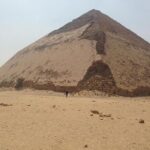
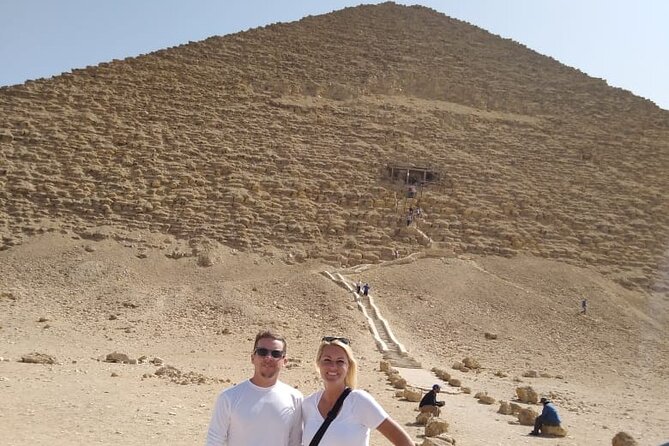
Dahshur is where the pyramid becomes a technical problem you can actually understand. The Bent Pyramid was built by King Snefru, and the big talking point is a design change during construction.
Here’s the key engineering idea your guide should explain: when the pyramid reached about 48 meters, the original angle (about 54 degrees) started to feel risky. The builders adjusted the plan by changing the angle to about 43 degrees, creating the bend that gives the pyramid its name. It’s one of those rare ancient monuments where you can feel the “we had to fix this” reality of building on a massive scale.
This is also a great site for your photos, but don’t just shoot the silhouette. Walk a bit and look for how the geometry changes from section to section. With a guide’s explanation in your ear, it stops looking random and starts looking like smart problem-solving under pressure.
Tickets are also something to watch at Dahshur. One practical note from the experience: gate entry may require paying by Visa, and cash may not be accepted. I’d plan for that ahead of time so you don’t get stuck at the entrance with the wrong payment method.
Saqqara and the Step Pyramid of Djoser: more than one monument
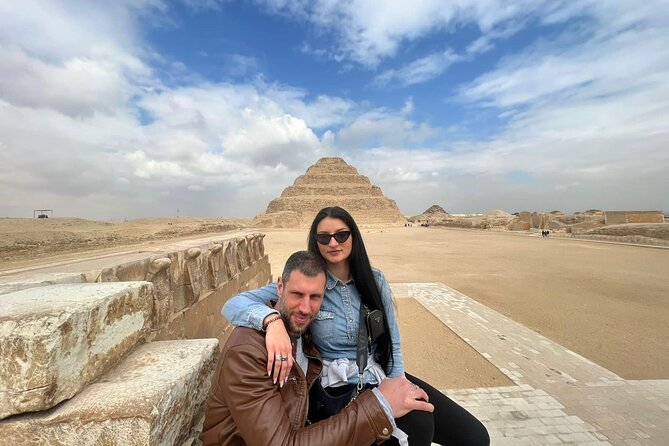
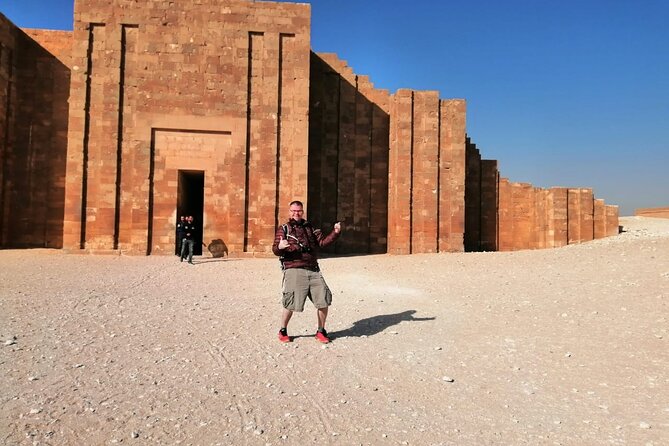
Saqqara is often described as a “city of the dead,” and that phrase becomes real when you realize the Step Pyramid of Djoser is part of a larger funerary complex. The guide will frame it as a major early milestone: Djoser built it in the 3rd Dynasty, around 2630 BC.
The Step Pyramid matters because it’s older stone architecture on a scale that reshaped what Egyptians thought a royal tomb could be. Even if you’ve seen step pyramids in pictures, being there changes the feeling. The monument looks less like an object and more like a turning point.
The tour’s Saqqara time is limited, so your best move is to prioritize what you can learn quickly on-site: the big structure first, then the surrounding layout. If you only have one shot at Saqqara, the guide’s job is to connect the dots fast—what you’re seeing, who built it, and why the design style mattered.
There’s also a “watch for openings” kind of highlight at Dahshur. One person’s favorite moment was being able to go inside a pyramid at Dahshur during their visit. Access rules can vary by day and what’s currently permitted, so I’d treat interior entry as a potential bonus rather than a guaranteed part of the plan. Still, if it’s allowed, it’s the sort of experience you remember for years.
Memphis old city: where the pyramids were justified
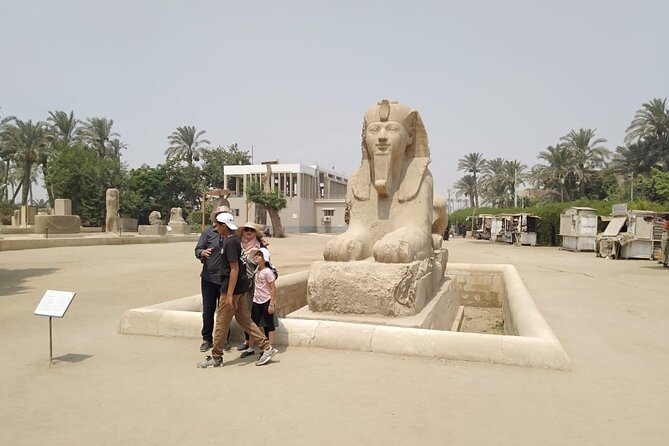
Memphis is a different kind of stop. This isn’t about climbing a new viewpoint or chasing a perfect photo angle. It’s about place: Memphis served as Egypt’s first capital for a long stretch, until roughly the end of the Old Kingdom (around 3200 BC).
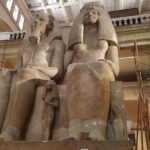
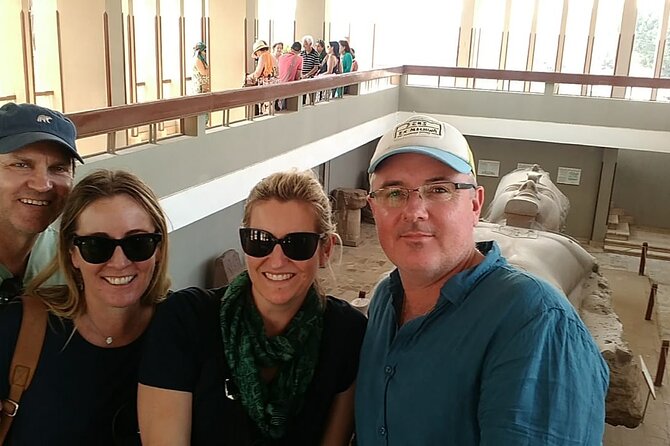
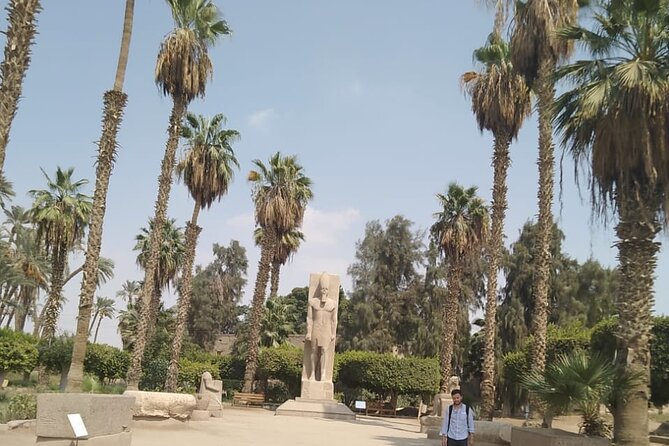
You’ll see the setting and, in particular, a colossal statue of King Ramses II located close to Memphis. That statue is a reminder that Egypt’s ancient capital wasn’t frozen in time. Later rulers stood in a landscape already packed with earlier meaning, and they claimed legitimacy by connecting themselves to the older order.
For your brain, Memphis is a useful bridge. When you connect Memphis to Saqqara and Dahshur, pyramids feel less like “random huge building projects” and more like a system: power, belief, and administration all meeting in one geography.
If you’re short on time, you still want to pay attention here. Memphis keeps the day grounded. It prevents the trip from becoming only a highlight-reel of pyramid forms.


Price and value: what $19 actually buys you
At $19 per person, the headline price feels almost too low for a guided half-day. The reason it can work is that you’re buying more than “someone points at monuments.”
You’re paying for:
- Hotel pickup and drop-off
- an air-conditioned vehicle
- a guide during the main stops
- bottled water
- and a private tour setup (only your group)
Admission is the big extra cost you should expect, because pyramid and site tickets are not included. That doesn’t make the tour bad—it just means the true all-in cost is tour price plus gate fees plus whatever tipping you choose.
Value judgment: if you’d otherwise spend time arranging transport, dealing with Cairo navigation, and trying to figure out what you’re looking at, this tour is a bargain. If you already have tickets, transport dialed in, and you’re traveling with a strong guidebook, you might not feel the same value bump.
Either way, the main advantage is time-saving. In Cairo, that’s often the most expensive thing you have.
Tickets, tips, and how to avoid small frictions
Admission tickets for the sites are not included, so bring extra money for gate entry. Based on one on-the-ground note from the experience, plan on needing Visa for ticket payment at the gate, with cash possibly not accepted.
Tips are also not included. That’s normal, but I like to mention it plainly so you don’t get surprised.
One more practical point: some tour styles include additional stops for shopping or extra purchases. The experience you’re considering is designed around pyramids and the old city, but I’d still treat it as smart to ask your guide at the start whether there are any planned extra stops beyond Dahshur, Memphis, and Saqqara. If you prefer only monuments, say that early.
Guides and drivers: what makes the difference here
The “private guide” part isn’t just a label. People have specifically called out guides by name and praised their ability to explain what’s in front of you.
For example, guides like Reham, Ehab, and Hamdy have led these sorts of days, and they’re described as friendly and engaged with questions. Another name that came up in one customized experience was Ahmed (with Hesham connected to the operator side).
Even the driver can affect your stress level in Cairo traffic. Eslam was mentioned as a warm, respectful presence that made people feel safe during the ride. That matters when you’re leaving and returning on a tight schedule.
Who this tour is best for (and who should consider a different plan)
This fits best if you want a strong first look at Egypt’s pyramid story without sacrificing half your day to logistics. It’s ideal for:
- first-time visitors who want guidance on what Dahshur and Saqqara mean
- people who dislike long, unstructured museum-style wandering
- anyone staying in Cairo who wants to escape into the desert for a few hours
It’s less ideal if you:
- want to slow-walk every corridor, inscription, and side chapel
- are chasing a lot of interior-entry experiences as a must-do
- plan to use the day as a photo shoot marathon without explanation
Because the total time is about 4 to 5 hours, you’ll see major highlights. You won’t see everything around them.
Should you book this Dahshur–Saqqara–Memphis tour?
Yes, if you want the best “pyramid education per hour.” The combination makes sense: Bent Pyramid engineering in Dahshur, step-style origins in Saqqara, and the capital context of Memphis. With pickup, AC transport, and a guide you can ask questions of, this is a low-stress way to use limited time in Cairo.
Before you book, do two quick checks:
- Budget for site admission, since it’s not included.
- Plan for ticket payment at gates that may require a Visa card.
If you can handle that, this tour is one of the more practical ways to get real meaning out of the pyramids, not just the photo.
FAQ
How long is the tour?
The experience runs about 4 to 5 hours.
Is hotel pickup and drop-off included?
Yes. Pickup and drop-off from your hotel are included.
Is the tour private?
Yes. It’s listed as a private tour/activity, meaning only your group participates.
Are admission tickets included?
No. Admission tickets are not included.
What’s included in the cost besides the guide?
You get an air-conditioned vehicle, hotel pickup and drop-off, bottled water, and private tour guiding.
Do I need to tip?
Tipping is not included.
What ticket method might be needed at the sites?
One note from the experience says gate tickets may require Visa payment and cash may not be accepted, so plan accordingly.
Can I cancel for a refund?
Yes. Free cancellation is available up to 24 hours in advance for a full refund.