REVIEW · CAIRO
Cairo:Nilometer, Manial Palace,City of The Dead With Felucca
Book on GetYourGuide →Operated by Sun Pyramids Tours · Bookable on GetYourGuide
Cairo’s stories start at the river. This private day trip links the Nilometer on Roda Island, the ornate Manial Palace, and the haunting City of the Dead, then slows down with a traditional felucca lunch on the Nile.
I especially love how the Nilometer turns a complex piece of history into something you can actually picture: Nile rise meant taxes, and the flood levels controlled who got irrigated land. Then the pace shifts in a very different direction at Manial Palace, where you see Prince Mohamed Ali Pasha’s mix of European Art Nouveau and Rococo with Islamic architecture and interior detail.
One heads-up: the City of the Dead is not a movie set. It is a real cemetery and home area for people dealing with housing pressure, so expect a more grounded, less polished side of Cairo.
In This Review
- Key Points You’ll Remember
- From Your Hotel to Roda Island’s Nilometer
- The Nilometer: How Flood Levels Became Taxes
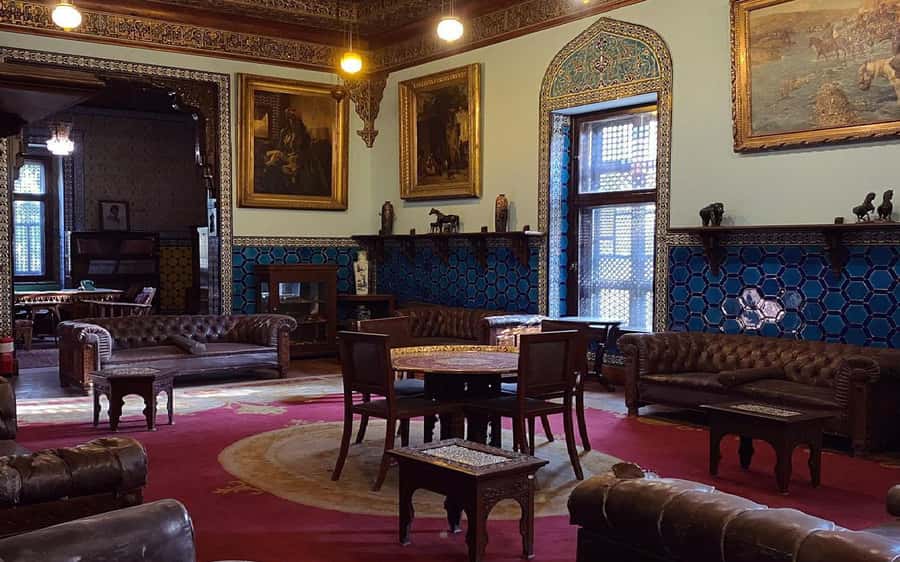
- Manial Palace: Art Nouveau Meets Ottoman, Moorish, and Persian
- City of the Dead: Tombs, Mausoleums, and a Neighborhood
- Felucca Time on the Nile: Lunch and a Reset Pace
- Price and Logistics That Affect Your Day
- Who This Tour Suits Best
- Should You Book This Cairo Nilometer–Manial Palace–Felucca Day Trip?
- FAQ
- What is included in the tour price?
- Is lunch included, and is water included with it?
- Do I need to pay for entrance tickets?
- Does the tour include a felucca ride?
- How do pickup and drop-off work in Cairo?
- What languages are available for the guide?
- Is tipping included?
- Can I pay later and reserve first?
- What about cancellations?
Key Points You’ll Remember
- Nilometer on Roda Island: one of the oldest surviving structures connected to how Egypt managed Nile floods
- Manial Palace style mash-up: European Art Nouveau and Rococo blended with Ottoman, Moorish, and Persian touches
- Prince Mohamed Ali Pasha’s garden world: rare tropical plants collected along a branch of the Nile
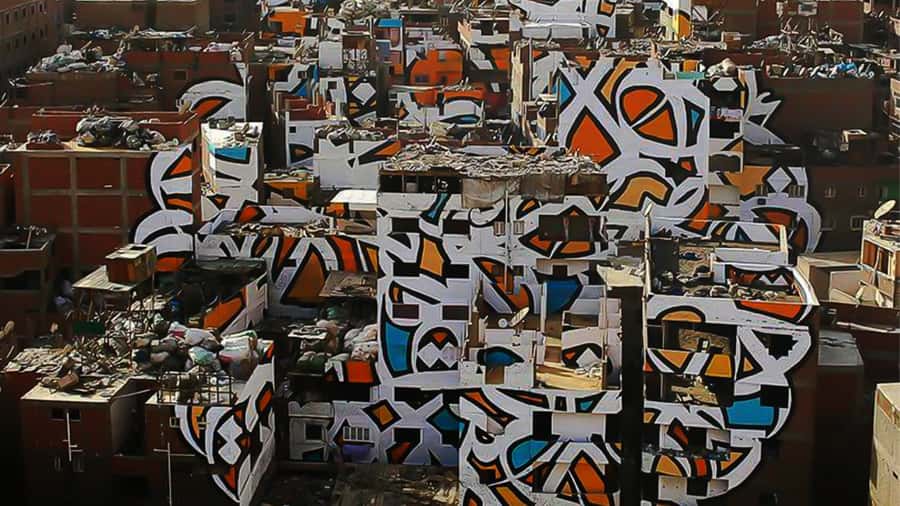
- City of the Dead at street level: tombs, mausoleums, and daily life in the same space
- Felucca time with lunch: a slower, more scenic way to end the day
From Your Hotel to Roda Island’s Nilometer
Your day starts with a hotel transfer in Cairo, using a private air-conditioned vehicle. That matters because Cairo traffic can turn a plan into chaos fast, and here you’re building the day around three specific destinations that are spread out.
You’ll head toward the Nile and the Nilometer, located at the southern tip of Roda Island. This is a good first stop because it sets the theme for everything after: water, power, and how Cairo grew around the river.
What I like about starting at the Nilometer is that it gives you a baseline. Without it, the rest of the day can feel like three separate sights. With it, you see why the Nile is not just a view in Cairo. It’s the engine that shaped land, farming, and the rules of daily life.
You can also read our reviews of more city tours in Cairo

The Nilometer: How Flood Levels Became Taxes
The Nilometer is described as one of the oldest existent structures dating back to the period just after the Arab conquest of Egypt. That alone makes it worthwhile, but what makes it sing is the way it connected measurement to money.
In simple terms: officials tracked how high the Nile rose, then taxes were levied when the water reached a designated level. That level mattered because it was tied to irrigation during flood season. So when the river did its job, agriculture could expand—and the tax system followed.
This is where a private guide really earns their fee. You don’t just walk past stones and ask what they are. You get the story behind the mechanism: the Nile rise was a signal. It affected who benefited and who paid.
Also, the photos you’ll get here are more than pretty. The Nilometer gives you a chance to capture Cairo’s river edge from a historical angle, not a modern one. If you like understanding how systems worked, this stop will feel like the day’s foundation.
Manial Palace: Art Nouveau Meets Ottoman, Moorish, and Persian
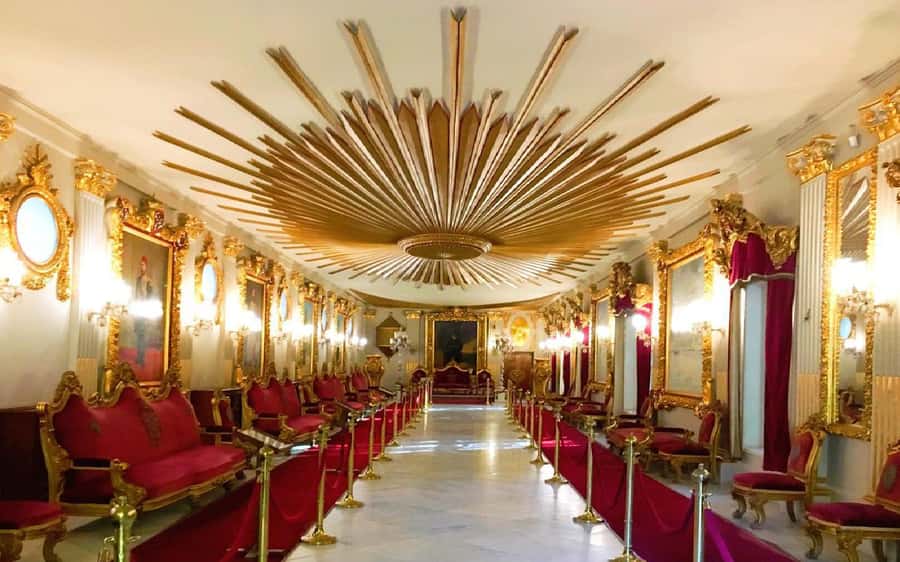
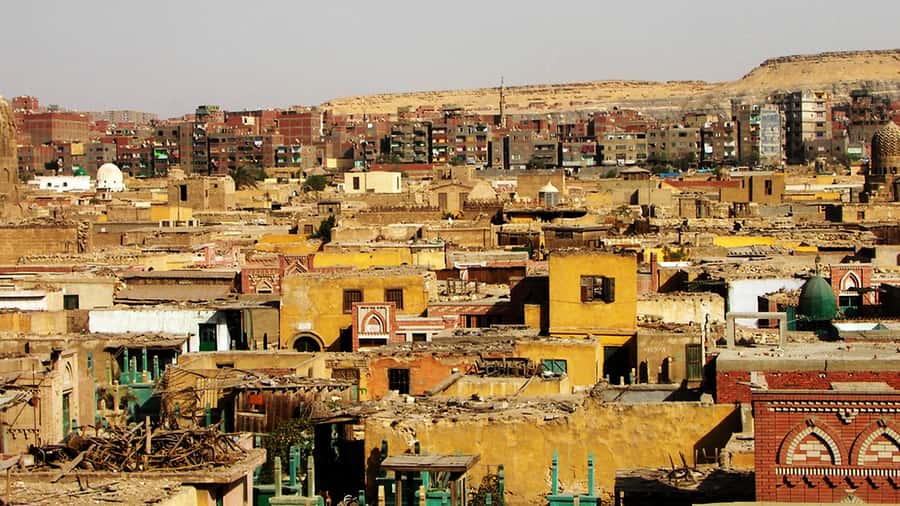
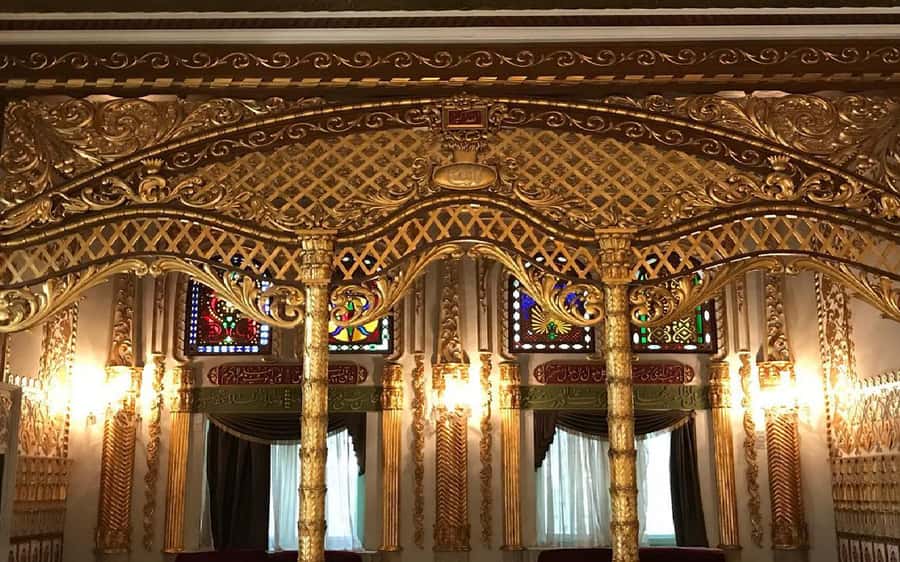
After the Nilometer, the day pivots toward beauty and design at Manial Palace of Prince Mohamed Ali Pasha. The palace is known as the residence of King Farouk’s uncle, which adds an extra layer of 20th-century context to a place that is still rooted in older artistic influences.
The palace design is the big hook: it integrates European Art Nouveau and Rococo with traditional Islamic architecture styles, including Ottoman, Moorish, and Persian. In plain terms, it’s a visual conversation between worlds. You’ll see it in the way space is arranged and in how decorative elements are handled—more than just surface decoration.
You also get a sense of scale and planning. The residence compound is composed of five separate and distinctively styled buildings, surrounded by gardens filled with rare tropical plants collected by the prince on his travels along a small branch of the Nile.
That garden piece is underrated. It’s not just a backdrop for photos. It tells you the palace was built as a lived-in environment, tied to the river’s life. When you walk through it, you get a feel for how wealth and curiosity could shape a whole micro-world inside Cairo.
Practical note: Manial Palace is one of those places where you’ll want time to linger. If you move too fast, you miss the detail. If you’re into architecture and interior design, you’ll likely enjoy taking your time here more than you expect.
City of the Dead: Tombs, Mausoleums, and a Neighborhood
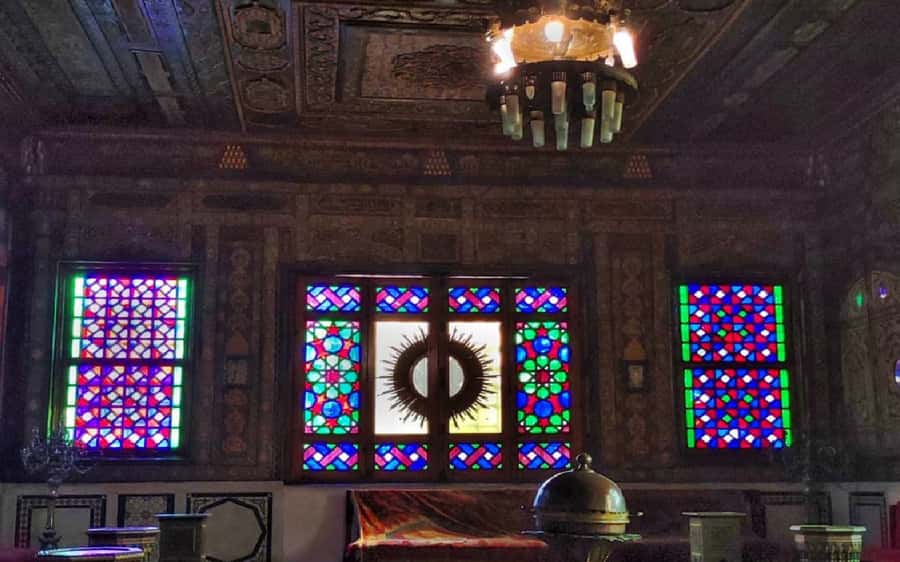
The final land-based stop is the City of the Dead, also called the Cairo cemetery area. This is a massive zone of tombs and mausoleums, with some structures dating back to the Islamic Conquest of Egypt at 642 AD. That time depth can be hard to hold in your head, so don’t worry if it feels overwhelming at first.
What makes this visit powerful is the lived reality. Many people take parts of this area as their permanent home due to Egypt’s chronic housing shortage. So you’re not just viewing monuments. You’re seeing how people survive and organize life in a place most guidebooks would label as a cemetery.
One of the most praised moments in this part of the day is the experience around the mosque within the necropolis area. It’s often where the atmosphere clicks, because you’re in the middle of a functional community, not only an exterior display.
How to approach it:
- Keep your expectations realistic: this is not designed to be a smooth tourist circuit.
- Be respectful with your time and your photos.
- Let your guide explain what you’re seeing before you start wandering too far.
The drawback is exactly the same reason it can be unforgettable. If you want polished and controlled settings, the City of the Dead may feel too real. If you want Cairo as a place where history and people overlap, it’s one of the best windows you can get.
Felucca Time on the Nile: Lunch and a Reset Pace
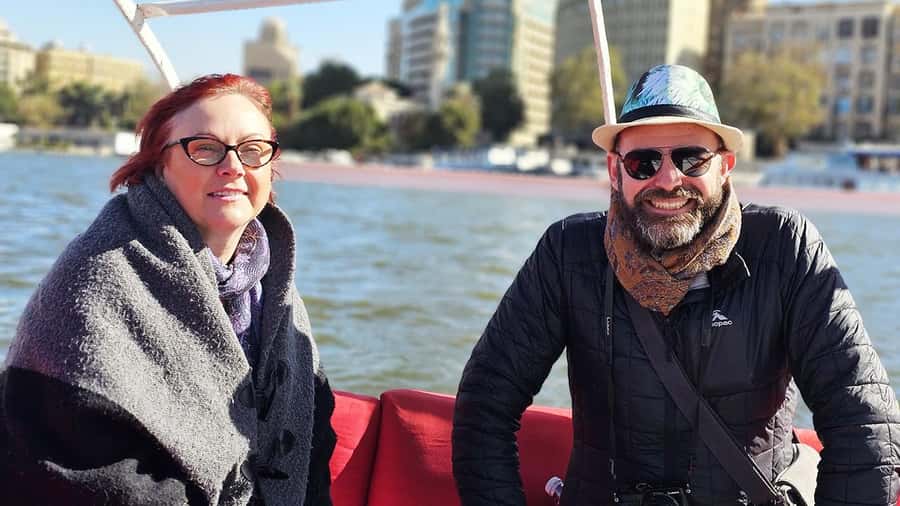
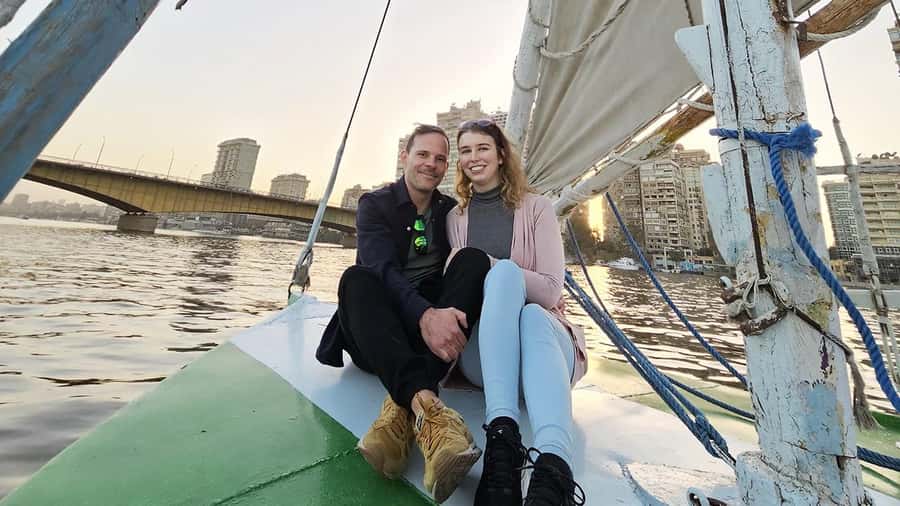
After the necropolis, the tour heads to the river for a felucca ride. A felucca is a traditional sailboat used on the Nile, and it’s the kind of activity that changes the tone of your whole day.
This part works well because you’ve just walked through dense history and human reality. Now the pace drops. The boat ride gives you breathing room, and you get a different kind of perspective on Cairo—more horizontal, more river-led.
Lunch is included on board. One useful thing to know: beverages and water during lunch are not included, even though bottled water during transfer is included earlier in the day. So if you like staying hydrated with soft drinks or extra water on the boat, plan for that add-on.
What I like about ending with the felucca is that it ties the day back to the Nilometer theme. The same river that was measured for taxes and irrigation is now something you can watch slowly move. It’s not the same lesson, but it lands in your body a bit more than facts do.

Price and Logistics That Affect Your Day
The price is $130 per person, and here’s how that can feel like value rather than just a number.
You’re getting:
- A private tour guide
- All transfers by a private air-conditioned vehicle
- Entrance fees to all the included sites
- Bottled water during your transfer
- Lunch
- All taxes and service charge
You’re also getting the main advantage of doing this as a private day trip: you’re not negotiating multiple independent tickets, schedules, and pickup points across Cairo. You’re building one coherent route through Nilometer, Manial Palace, City of the Dead, and then the felucca portion.
Where you should pay attention:
- Pickup/drop-off from Cairo airport, Sphinx airport, New Administrative Capital, New Cairo, Heliopolis, Badr City, Shorouk, Rehab, Obour, Sheraton Al Matar, Sheikh Zayed city, or Madinty City has an additional cost.
- Tipping is not included, so you’ll want to budget for it if you want to reward good guiding.
- Beverages and water during lunch are not included.
If you’re traveling with family, couples, or friends who want fewer decisions and a smoother pace, this format makes sense. If you’re a solo traveler, the private guide still often feels worth it here because the stories at the Nilometer and the palace really depend on explanation.
Who This Tour Suits Best
This is a strong fit if you:
- Want history with context, not just names on signs
- Like architecture and design details at Manial Palace
- Are comfortable with a more human, less curated side of Cairo at the City of the Dead
- Appreciate a gentle finish, with a felucca ride and lunch rather than another long museum stop
It may be less satisfying if you mostly want bright, glossy tourist attractions with minimal complexity. The City of the Dead can be emotionally intense, and it’s important to go in with respectful curiosity.
On the plus side, the tour’s languages are flexible: Arabic, German, English, Spanish, Portuguese, French, Italian, Japanese, Russian, and Chinese. That helps a lot if you want the explanations to land cleanly.
And in terms of guides, it’s a good sign when the people leading the day can clearly explain both the Nilometer and the palace significance, with patience for questions. One example you may encounter is a guide named Mohamed, and another is Mahmoud Mahdi, both known for turning facts into something you can understand.
Should You Book This Cairo Nilometer–Manial Palace–Felucca Day Trip?
I’d book it if you want a Cairo day that feels layered: measurement and taxes by the Nile, palace art style and garden design, the City of the Dead as a real living space, then a slower river ride with lunch.
It’s not a lightweight photo-only loop. It’s a story day. If that sounds like your style, it offers strong value for private guidance, entrance fees, transfers, and the included lunch plus felucca.
If you prefer highly controlled environments and you’re sensitive to the idea of seeing cemetery life up close, you may want to reconsider the City of the Dead part before you commit. Otherwise, this tour is one of the better ways to see how Cairo actually works: water first, then power and beauty, then the daily reality people carry through time.
FAQ
What is included in the tour price?
The tour includes hotel pickup and return, a private tour guide, private air-conditioned vehicle transfers, entrance fees for all mentioned sites, bottled water during transfer, lunch, and all taxes and service charge.
Is lunch included, and is water included with it?
Lunch is included. Beverages and water during lunch are not included.
Do I need to pay for entrance tickets?
No. Entrance fees to the Nilometer, Manial Palace, and the City of the Dead are included.
Does the tour include a felucca ride?
Yes. You’ll go to the river to board a traditional felucca, and lunch is served on board.
How do pickup and drop-off work in Cairo?
The tour includes pickup and return from your hotel. If you need pickup/drop-off from specific locations like Cairo airport or New Cairo and nearby areas, there is an additional cost.
What languages are available for the guide?
Languages offered include Arabic, German, English, Spanish, Portuguese, French, Italian, Japanese, Russian, and Chinese.
Is tipping included?
No. Tipping is not included.
Can I pay later and reserve first?
Yes. You can reserve & pay later, meaning you can book your spot and pay nothing today.
What about cancellations?
You can cancel up to 24 hours in advance for a full refund.