REVIEW · ASWAN
3 or 2 or 1 Nights Mighty Nile Felucca Adventure
Book on Viator →Operated by JJ Jamaica Felucca · Bookable on Viator
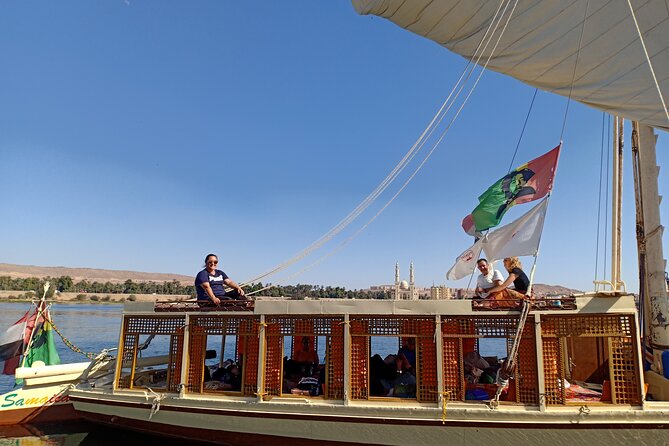
A real Nile day starts with a quiet sail, not a bus ride. This Mighty Nile felucca adventure is built for people who want the river rhythm: hours on the boat, village stops for real conversation, and ancient temples timed to the softer light of morning and sunset. I especially liked the calm, motor-free feel of time spent on the water and the way the crew keeps things comfortable with practical extras.
Two things I love: first, the boat setup is genuinely traveler-friendly for an overnight on the felucca—there’s a bathroom, a sundeck, sleeping bags, cozy blankets, and mosquito netting for nighttime. Second, the trip balances water time with history you can actually see and feel, including Kom Ombo and Edfu Temple, plus a stop at Gebel El-Silsila. The one drawback to consider is that this isn’t a “rush through the highlights” tour—if you want constant guided narration or minimal boat time, the daily sailing focus may feel slower than you expect.
In This Review
- Quick highlights you’ll care about
- Felucca on the Nile: why this Aswan-to-Edfu trip feels different
- Day 1: meeting at KFC Aswan and easing into sunset sailing
- Day 2: Daraw markets, camel market days, and Kom Ombo’s Sobek-Horus story
- Day 3: Gebel El-Silsila sandstone quarry and the feeling of stone-as-legacy
- Day 4: Edfu Temple at morning light, then off to Luxor
- Price and value: how $25 makes sense (and when it doesn’t)
- What’s included on the felucca (and what you’ll pay for)
- Comfort tips: sleeping on a felucca isn’t hard, but it’s not a hotel
- How the itinerary rhythm works: sailing hours plus short, meaningful stops
- Who should book this Mighty Nile felucca adventure
- Should you book this felucca adventure?
- FAQ
- FAQ
- Where do we meet, and what time?
- How long is the experience?
- What’s included on the boat for sleeping and comfort?
- What meals are included?
- Which major temples and sites do we visit?
- When is the Daraw camel market?
- Is a guide or Egyptologist included?
Quick highlights you’ll care about
- Traditional felucca sailing with bathroom, sundeck, and sleeping gear for comfortable nights on the Nile
- Daraw village market time, plus a chance at the camel market on specific days
- Kom Ombo Temple visit timed with sailing, with admission included
- Gebel El-Silsila sandstone quarry, where you see the stone source for ancient temple building
- Edfu Temple finish, then a private transfer toward Luxor after breakfast
- Small group size with a maximum of 12 travelers, which keeps the vibe relaxed
Felucca on the Nile: why this Aswan-to-Edfu trip feels different
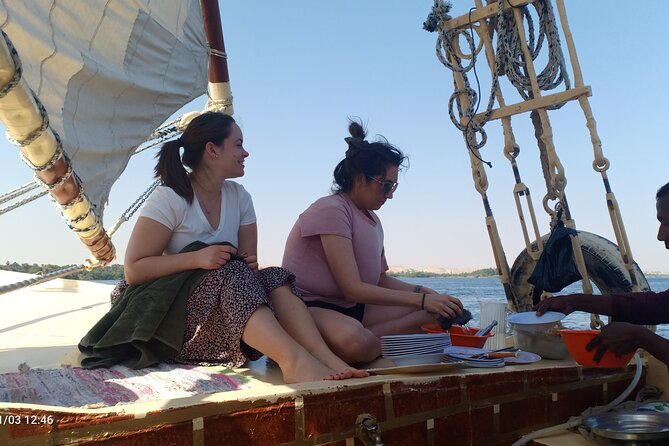
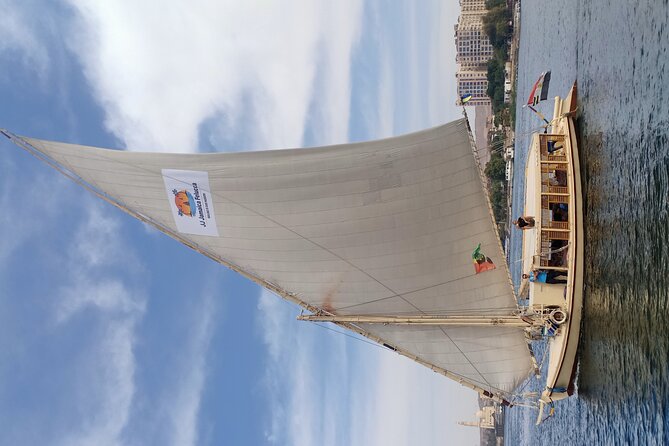
If your idea of Egypt is packed with buses and big crowds, this is the breather. You’re on a traditional felucca, used for centuries along the Nile, and your main job is to enjoy the motion of the river and the views sliding past. The route leans into what makes this part of the country special: villages, green plantations along the banks, and temple ruins that sit in the same long river story as the boat.
I also like how the schedule respects the pacing of sailing. You’re not just hopping on for a photo and off again. The day plan is built around sailing for several hours, then breaking for specific, meaningful stops: Daraw, Kom Ombo, Gebel El-Silsila, and Edfu. That combination is what turns it from transport into an experience.
One more practical note: the group is kept to up to 12, so you’re not stuck in a huge human train. That matters on a boat, where space is limited and everyone needs room to move, eat, and sleep.
You can also read our reviews of more tours and experiences in Aswan.
- 4-Days Nile Cruise From Aswan To Luxor including Abu Simbel and Hot Air Balloon
★ 5.0 · 3,142 reviews
Day 1: meeting at KFC Aswan and easing into sunset sailing
You’ll meet at KFC Kornish Al Nile in Aswan at 10:00 AM. Yes, it’s a KFC—this is simply the kind of easy landmark meeting point that helps you avoid confusion when you’re tired and jet-lagged. From there, you board and start sailing until sunset.
This first day is all about settling in. You relax on board while taking in the Nile banks, including plantations and village life that you’ll see in fragments between bends. Lunch and dinner are cooked by the crew, and the point here is not fancy plating—it’s that you’re cared for without needing to hunt food after a long travel day.
What I think works well on Day 1 is that you don’t hit temples immediately. You get your “sea legs,” even though you’re on calm river water. Then, later days can focus on sights with less stress.
Day 2: Daraw markets, camel market days, and Kom Ombo’s Sobek-Horus story
Day 2 adds the most culture-on-land moments. In the morning, you sail toward Daraw village, then ride local transport to see the vegetable market. This is the kind of stop that teaches you how daily life actually runs. People are buying, selling, chatting—less “performance for tourists,” more routine commerce.
There’s a bonus if your timing lines up: the camel market happens on Saturdays, Sundays, and Tuesdays. If you’re traveling on one of those days, this stop is a major selling point. Even if you don’t ride anything, you’ll see the scale and logistics of how animals move through the region. It’s the sort of detail that changes your understanding of the place.
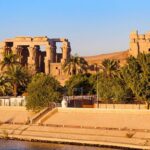
Later, you hop back onto the felucca for a couple hours of sailing to Kom Ombo Temple. You get about 1 hour at the site, and admission is included. Kom Ombo is dedicated to two ancient gods—Sobek (the crocodile) and Horus (the falcon). The split focus makes the temple feel less like a single-theme stop and more like a pair of worlds in one complex.
A practical consideration: Kom Ombo is a temple visit with typical walking and heat exposure. It’s still far less tiring than an all-day land tour because you’re bouncing between sail and short sightseeing blocks. But you’ll want water and a hat ready.
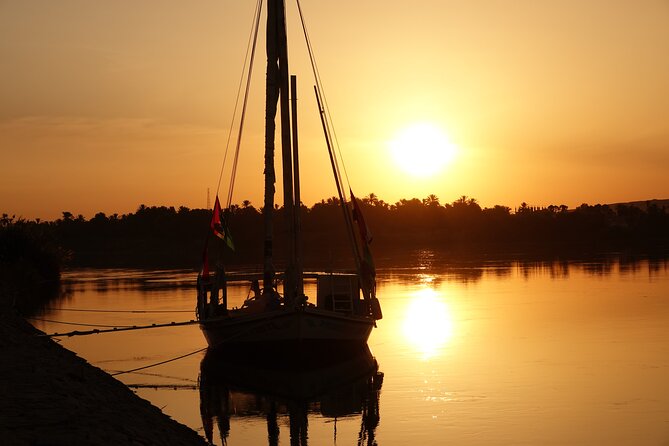
Then you continue sailing until sunset, so the day doesn’t end with dust on your shoes. It ends with light changing over the river.
Day 3: Gebel El-Silsila sandstone quarry and the feeling of stone-as-legacy
On Day 3, the focus shifts to a very Egyptian kind of history: the materials that built the monuments. In the morning, you sail until you reach Gebel El-Silsila in the afternoon. This is a sandstone quarry used in ancient times to supply stone for giant temple construction.
If you’re the type who likes to understand where things came from—not just what they look like—this stop clicks. You’re seeing the working ground behind the finished temples, and that changes the way you look at stone everywhere else in Egypt. You can almost picture the movement of heavy blocks, shaped and dragged for major builds along the Nile.
After your time there (about 1 hour), you get back on the felucca and sail until sunset again. The pattern matters: land stops are intentionally short, and the boat time stays central. That’s what keeps the day from becoming a checklist of entrances and exits.
The admission here is listed as free, which is nice value. More importantly, the visit is a different kind of “ancient Egypt” that doesn’t rely only on temple walls. It connects the river, the quarry, and the building story in one arc.
Day 4: Edfu Temple at morning light, then off to Luxor
Your final morning starts with breakfast on board, then you disembark and take private transportation to Edfu Temple. You’ll spend about 1 hour there, and admission is included.
Edfu Temple is described as the best preserved in Egypt, and that reputation shows. The key is timing: you get to view it after breakfast, not late in the day when fatigue hits hard. For many people, this is where the trip’s “ancient Egypt” arc feels complete. You move from river sailing to village life to quarry sites, then land on one of the best-preserved temple experiences.
After your temple visit, you transfer by private transportation toward Luxor. The drop is to the Luxor area (the end point listed is in Luxor City). This is helpful because it turns the final day into an organized handoff rather than a “figure it out” scramble after a long boat trip.
- 4-Days Nile Cruise From Aswan To Luxor including Abu Simbel and Hot Air Balloon
★ 5.0 · 3,142 reviews
Price and value: how $25 makes sense (and when it doesn’t)
At $25 per person, this is aggressively good value for what you’re getting—especially in Egypt, where transport and site admissions can add up fast. Included touches that matter for value:
- Meals on board (listed lunch and dinner, plus breakfast on the last day)
- A boat with bathroom, sundeck, and sleeping provisions
- Temple entries for Kom Ombo, Gebel El-Silsila, and Edfu Temple
- Local transport to Daraw and then private transport toward Luxor
This isn’t “just a cheap boat ride.” You’re paying for a full day rhythm: sailing time plus planned culture and history stops. And because the group is capped at 12 travelers, you’re not paying for a loud, overcrowded experience.
When it might not be the best deal: if you strongly prefer guided museum-style commentary all day, you may feel like the itinerary gives you less narration than a full-day land tour. The tour is built around seeing and experiencing: river movement, village markets, and temple visits with set time blocks.
Also note the title includes 1, 2, or 3 nights. The number of nights changes the amount of time you’re on board, so match your choice to how much you want that slow Nile pace.
What’s included on the felucca (and what you’ll pay for)
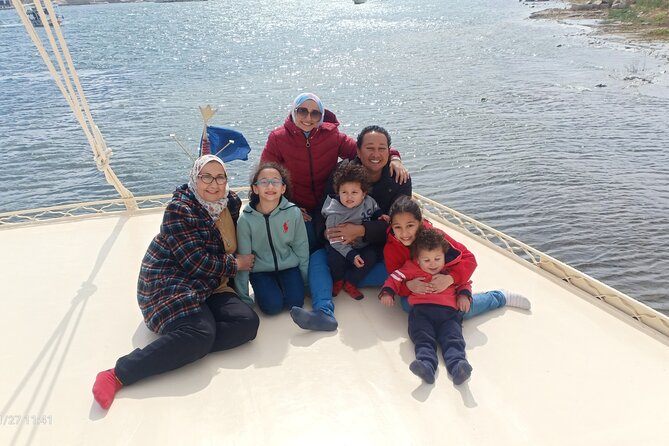
The essentials are covered for living on the boat:
- Bathroom and sundeck
- Sleeping bags, cozy blankets, and mosquito net around the boat
- Tea and coffee
Meals are included as well:
- Lunch (listed 3)
- Dinner (listed 3)
- Breakfast (listed 3)
What’s not included:
- Drinks. The crew sells drinks at reasonable prices.
- Egyptologists. You can request one, but they aren’t automatically part of the standard package.
I like this setup because it keeps decision-making simple. You don’t have to find food on the fly, and you can focus on the sailing and the sights. You just budget a little extra for beverages if you’re the type who drinks more than tea/coffee.
Comfort tips: sleeping on a felucca isn’t hard, but it’s not a hotel
Sleeping on the Nile sounds romantic, but you’ll still be outside your usual routines. The tour provides sleeping bags, cozy blankets, and mosquito netting, which solves two big problems: cold snaps (even near the water) and insects.
Still, bring your own common-sense prep:
- Wear light layers you can adjust for sun and wind
- Pack a hat and sunglasses for temple walks
- If you’re sensitive to insects despite netting, bring personal repellent (the tour provides netting, not specific repellent)
Also, expect the boat routine to be simple. This is a working river vessel experience, not a resort. Once you accept that, it becomes a strength. You’ll feel more connected to the environment and less like you’re stuck in a staged tour bubble.
How the itinerary rhythm works: sailing hours plus short, meaningful stops
The trip is designed around a clear goal: sailing several hours each day to see Nile villages, the riverbanks, and ancient Egyptian sites without rushing. The stop times are short by design:
- Daraw village + vegetable market (and camel market on specific days)
- Kom Ombo with about 1 hour at the temple
- Gebel El-Silsila with about 1 hour
- Edfu Temple with about 1 hour at the end
That pattern is smart for most people. It lets you enjoy the river travel time while still ticking off the major historical anchors. If you’re worried you’ll feel bored, remember the river itself changes constantly—boats, banks, and village details keep appearing. If you’re worried you’ll feel exhausted, the short sightseeing blocks help.
And from the vibe described in the positive feedback, the crew style is part of the value. People talk about good food and a calm ride without motor noise, which is exactly what you’re hoping for when you choose a traditional felucca.
Who should book this Mighty Nile felucca adventure
This fits best if you:
- Want a genuine Nile sailing day-to-day experience
- Like mixing village markets with temples (not just temples only)
- Appreciate small-group pacing and time on the water
- Prefer calmer logistics over constant transfers
It may be less ideal if you:
- Need an all-day, high-information guide style
- Want the trip to be mostly land-based
- Get uncomfortable with basic outdoor sleeping routines (even with bedding provided)
The group limit helps make it comfortable for most people who are willing to go with the flow.
Should you book this felucca adventure?
If you’re looking for a memorable slice of Egypt that’s not only about ruins, this is a strong choice. The traditional sailing focus, the included meals, the practical comfort setup on board, and the mix of Daraw markets, Kom Ombo, Gebel El-Silsila, and Edfu Temple make the price look fair. Choose your 1, 2, or 3 nights based on how much time you want to spend on the river, and if you can, time your trip for Saturday, Sunday, or Tuesday to catch the camel market at Daraw.
FAQ
FAQ
Where do we meet, and what time?
You meet at KFC Kornish Al Nile in Aswan at 10:00 AM to board the felucca.
How long is the experience?
The duration is listed as about 4 days, and the title indicates options for 1, 2, or 3 nights.
What’s included on the boat for sleeping and comfort?
The boat includes a bathroom, sundeck, sleeping bags, cozy blankets, mosquito netting around the boat, plus tea and coffee.
What meals are included?
The listing includes lunch (3) and dinner (3), plus breakfast (3).
Which major temples and sites do we visit?
You’ll visit Kom Ombo Temple, Gebel El-Silsila, and Edfu Temple.
When is the Daraw camel market?
The camel market in Daraw takes place on Saturdays, Sundays, and Tuesdays.
Is a guide or Egyptologist included?
An Egyptologist is not included by default, but you can request one. The standard package focuses on sailing, meals, and site visits.
You Might Also Enjoy
More Tour Reviews in Aswan
- 4-Days Nile Cruise From Aswan To Luxor including Abu Simbel and Hot Air Balloon
★ 5.0 · 3,142 reviews