REVIEW · ASWAN
4 Days Dahabiya Nile Cruise from Aswan to Luxor with Sightseeing
Book on Viator →Operated by Fly in Minute · Bookable on Viator
Sail the Nile, then walk into ancient kings. This 4-day Dahabiya cruise is a rare mix of slow river time and very hands-on temple visits, with an Egyptologist guide translating the meaning behind the stones. I love the way the days split between onboard meals and sightseeing blocks, so you never feel stuck in one place too long. I also like that entrance fees along the Aswan–Luxor route are handled for you, so you can focus on the sites.
One possible consideration: a couple of major add-ons cost extra, including Abu Simbel admission (and hot air balloon tickets if you choose that option). Also, temple-heavy days mean you’ll want to pace yourself—this is not a “sit on deck all day” cruise, even though the sailing is the star.
In This Review
- Key highlights at a glance
- Why this Aswan-to-Luxor Dahabiya cruise feels special
- Starting in Aswan: Philae Temple and the High Dam
- How onboard life works on a traditional Dahabiya
- Kom Ombo: the twin temples stop that balances meaning and views
- The Nubian islands feel: sailing, Silsileh, and a big temple day at Edfu
- Luxor West Bank: Valley of the Kings, Hatshepsut at Deir el-Bahari, and Colossi of Memnon
- East Bank highlights: Luxor Temple and Karnak after the big crowds
- Price and value: what $1,523.37 covers, and what costs extra
- Practical tips that actually help on this route
- Who should book this Dahabiya cruise
- Should you book this 4-day Aswan to Luxor Dahabiya cruise?
- FAQ
- Do you get picked up in Aswan?
- How long is the cruise from Aswan to Luxor?
- How many nights do you stay onboard?
- What’s included in the price?
- Are Abu Simbel tickets included?
- Is the hot air balloon included?
- Is tipping included?
- Do they accommodate dietary restrictions?
- Is it a private tour or shared group?
- Is cancellation free if I change my mind?
Key highlights at a glance
- Philae Temple early on with the goddess Isis in view, right when the day feels most manageable
- Aswan High Dam as a modern counterpoint to the ancient river story
- Kom Ombo’s twin temples plus a tea stop and real river-facing downtime
- Silsileh to Edfu pairing ancient stone-quarry context with one of Egypt’s best-preserved temple experiences
- Fawaza Island barbecue that breaks up the sightseeing grind with beachside relaxation
- Luxor West Bank trio: Valley of the Kings, Hatshepsut at Deir el-Bahari, and the Colossi of Memnon
Why this Aswan-to-Luxor Dahabiya cruise feels special
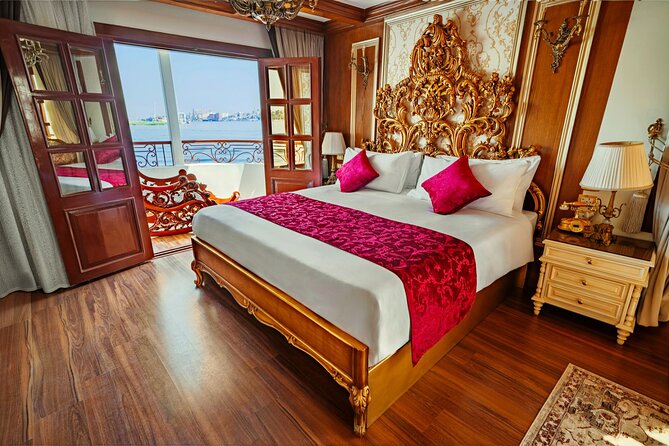
A standard tour can rush you from monument to monument. This one uses the Nile as the timeline, so you get quiet stretches between stops, with the boat doing the transport work for you. That changes the vibe fast: you’re not only touring Egypt’s past, you’re also watching how life sits alongside it.
The format also helps you understand what you’re seeing. With an Egyptologist guide running the story, temple visits aren’t just date-and-name memorization. You get the “why this matters” part—what gods were connected to, how pharaohs used sacred architecture, and what each site was built to do.
You can also read our reviews of more boat tours in Aswan
- 4-Days Nile Cruise From Aswan To Luxor including Abu Simbel and Hot Air Balloon
★ 5.0 · 3,142 reviews
Starting in Aswan: Philae Temple and the High Dam
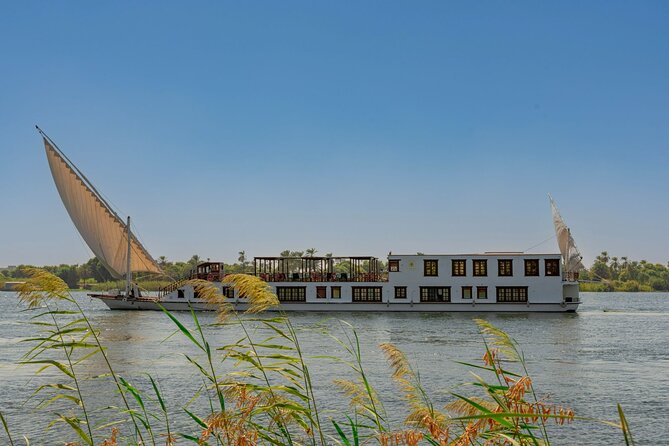
Your day begins with an early-morning departure from your Aswan hotel. You board the Dahabiya, cruise along at a calm pace, and start the sightseeing with Philae Temple—dedicated to Isis. The timing matters here. Arriving early means you’re more likely to feel like you have the place long enough to actually read the carvings with your guide’s help.
After Philae, you pivot to a modern Egypt moment: the Aswan High Dam. It’s a strong contrast with the temple day. Ancient Egyptians shaped their lives around the Nile’s rhythm; the High Dam changed that rhythm for modern Egypt. I like that the tour doesn’t pretend only the ancient stuff exists—it helps you connect past and present.
That evening, you’re back in Aswan for downtime. A walk through town and the local markets is a nice way to round out the day, especially after a morning that starts early and a couple hours of major landmarks.
How onboard life works on a traditional Dahabiya
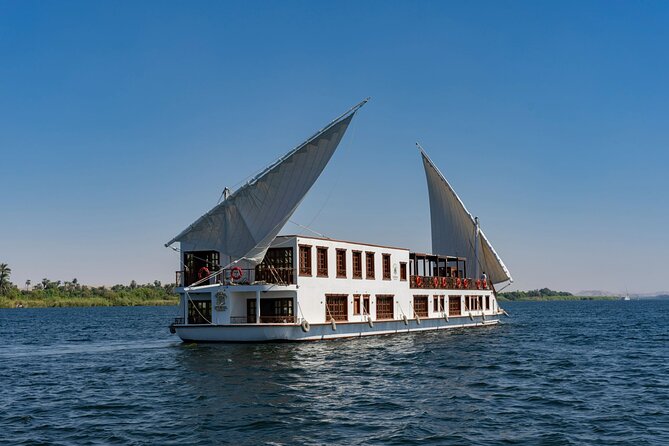
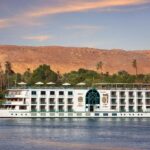
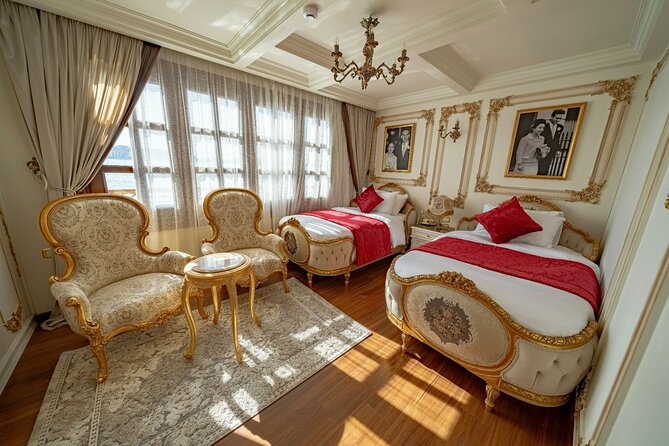
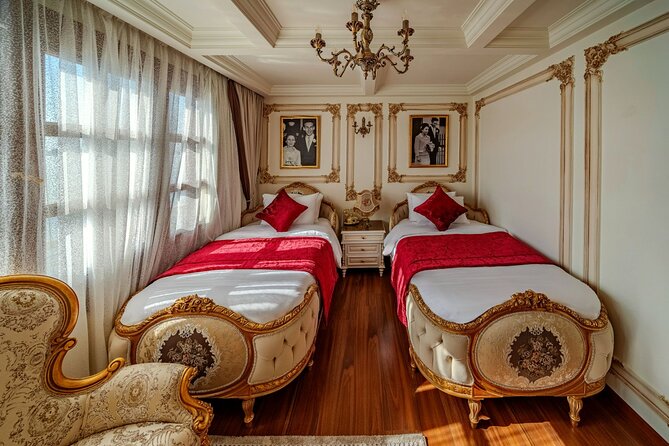
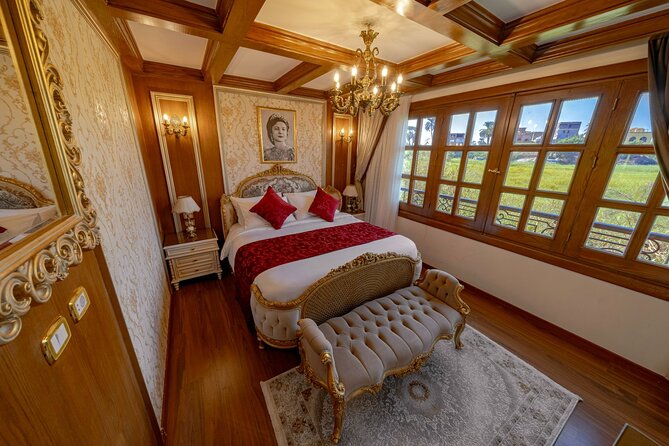
The Dahabiya experience is not just a boat ride. It’s part of the pacing and part of the comfort plan. You have 3 nights onboard, and the schedule is built around breakfast and meals served during sailing and at stops.
A few practical points that shape the whole trip:
- You get breakfast each morning on the boat and meals during the day, so you’re not constantly hunting for food.
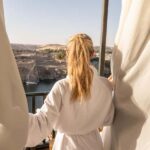
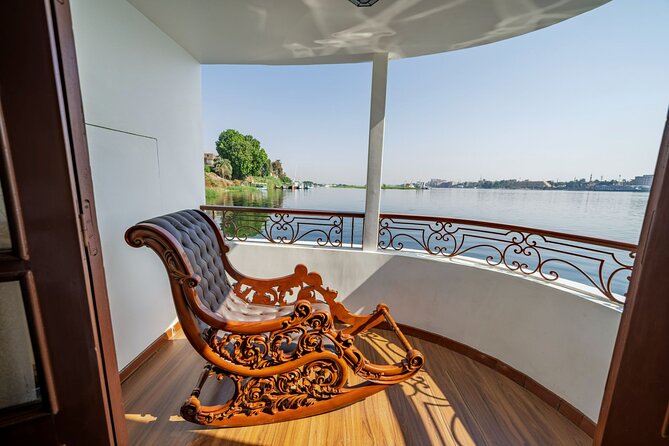
- You’ll spend time on the sun deck, which is where the Nile views actually feel real—not filtered through a bus window.
- The boat also gives you a natural reset. When sightseeing finishes, you’re already in motion again, rather than stuck waiting around.
If you like the idea of seeing Egypt by daylight on foot and by river time from above, this format clicks.
Kom Ombo: the twin temples stop that balances meaning and views
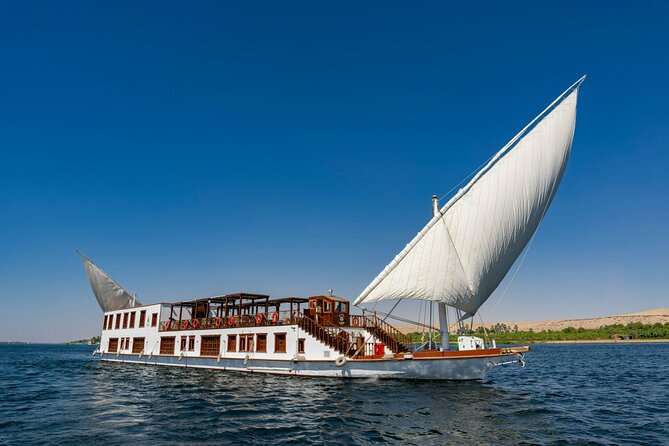
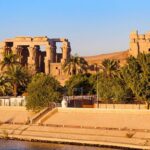
Kom Ombo is one of those places where the story makes the architecture easier to follow. You visit the twin temples, tied to Sobek (the crocodile god) and Horus (the falcon god). Your guide’s role matters a lot here because it’s not just symmetry for symmetry’s sake. The split themes help you see how Egyptians structured sacred space.
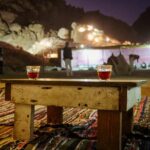
There’s also a break built into the experience. While you’re docked, you can relax on the sun deck and have a cup of Egyptian tea. That simple pause is underrated. It gives your brain time to absorb what you just saw, before you move to the next site.
Meals continue onboard on this day, and you finish with an overnight stay back on the Dahabiya. It’s a smoother evening than a typical hotel-based tour because you’re not changing locations again.
The Nubian islands feel: sailing, Silsileh, and a big temple day at Edfu
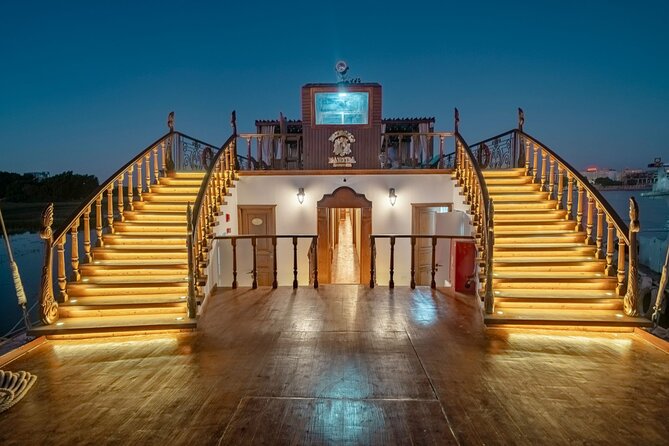
After Kom Ombo, the trip leans into the river atmosphere. You’ll sail past Nubian islands, and the tour is designed so you can actually watch that world from the deck. The scenery is one thing, but it’s the small moments—children by the shore, fields, small boats—that make the Nile feel like a living corridor instead of a movie set.
From there, you reach Silsileh, known in ancient times as a quarrying area with high-quality building stone. This stop works best if you like context. Instead of treating temples as isolated masterpieces, it adds the supply chain idea: stone didn’t appear out of nowhere. It had to be extracted from somewhere with meaning.
Then comes the big one: Edfu Temple, dedicated to Horus and described as one of the best-preserved temple experiences in Egypt. Edfu is where you’re likely to feel the scale and detail most. You’ll be outside in the warm air, so take breaks when your guide suggests them and let your eyes rest between carved sections.
That evening, the tour adds a change of pace with Esna Lock and then a dock at Fawaza Island, where a beachside barbecue is waiting. It’s a memorable way to end a temple-heavy day. Instead of yet another “museum feeling,” you’re eating outdoors under the stars with the river moving quietly nearby.
A few more Aswan tours and experiences worth a look

Luxor West Bank: Valley of the Kings, Hatshepsut at Deir el-Bahari, and Colossi of Memnon
On the final sightseeing day, you head to Luxor’s West Bank, the ancient necropolis side of town. The day starts with the Valley of the Kings, the royal burial area where multiple pharaohs were laid to rest. Expect your guide to connect the tombs to the larger idea of kingship, eternity, and belief—so each stop feels like part of one long story instead of disconnected entrances.
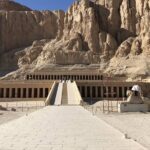
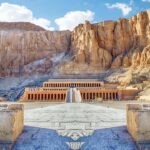
Next is Temple of Hatshepsut at Deir el-Bahari. Hatshepsut stands out historically as a rare case of a female ruler with full authority, and the temple reflects that power. This is one of those visits where the structure does the talking. Step back occasionally, then let your guide explain the symbolism and the setting.
Finally, you see the Colossi of Memnon. These are huge statues of Pharaoh Amenhotep III, and they’ve survived centuries of erosion and earthquakes. Even if you’ve heard the legend of the “singing” effect, it’s still the scale that hits first. When you’re standing in front of them, you understand why these kinds of monuments were used to guard and announce royal power.
East Bank highlights: Luxor Temple and Karnak after the big crowds
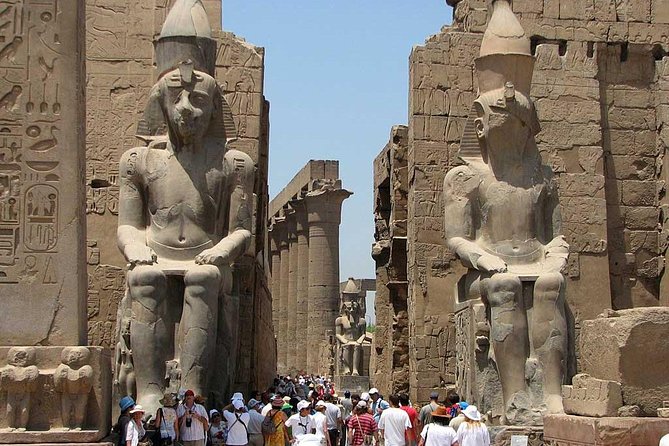
Your Luxor day continues on the east bank. First is Luxor Temple, a large complex built around 1400 BCE. It’s the kind of place where you keep noticing new angles as you move—pillars, gateways, and walls that make the whole complex feel like a living calendar of beliefs.
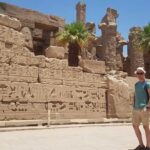
Then you go to Karnak Temple Complex, one of Egypt’s major temple sites. Karnak can feel overwhelming if you’re going in cold. The guide helps by giving you a path through what you’re seeing, and by explaining how the space fits together historically and religiously.
If you like a slower pace, you can take advantage of the fact you’re not just doing one photo stop. The visit includes time to look, ask, and connect.
Price and value: what $1,523.37 covers, and what costs extra
At $1,523.37 per person for about 4 days, the key value question is: what you get for that money. Here’s the part that makes the price easier to justify.
Included value you’re getting:
- 3 nights onboard a traditional Dahabiya with meals (breakfast daily, plus lunches and dinners)
- Air-conditioned private transfer with a professional driver
- Entrance fees for the sights in the Aswan-to-Luxor route
- English-speaking Egyptologist guide during excursions
What’s extra:
- Abu Simbel admission fee isn’t included
- Hot air balloon admission isn’t included
To me, this adds up well if you care about the guide and you don’t want to manage a stack of tickets across multiple sites. If you’re trying to keep the total trip cost as low as possible, check whether you plan to do Abu Simbel and whether you’re interested in ballooning.
Practical tips that actually help on this route
This itinerary is built around early starts and long-but-structured days. Philae is scheduled in the early morning, and Luxor’s West Bank visits take time. Bring your energy strategy: drink water, take shade breaks when you can, and use your time on the boat to slow down again.
A couple more practical notes based on what’s included or optional:
- Entrance tickets for the included stops are covered, so you’re not constantly stopping to pay. Abu Simbel’s admission is the notable exception.
- You’ll have access to a mobile ticket, and you should keep it handy on your phone.
- The tour can accommodate dietary restrictions like vegetarian, vegan, and gluten-free if you specify them during booking.
- The experience is set up as private for your group, so you’re not being shoved into someone else’s pace.
Also keep tipping in mind. Gratuities are not included, and the guide will give advice on how much and when.
Who should book this Dahabiya cruise
This is a strong fit if you want:
- A Nile cruise that’s not just scenic cruising, but tied to meaningful temple visits
- Guided explanations from an Egyptologist, so you walk away with understanding, not just photos
- A trip structure that blends walking days with boat reset time
It’s also a good option for people who don’t want to micromanage logistics across Aswan and Luxor. With pickup, private transfers, and entrance fees handled, the trip stays pleasantly organized.
If you hate early mornings or you want zero time pressure, you might feel this is too packed. The cruise is relaxing, but the sightseeing is real.
Should you book this 4-day Aswan to Luxor Dahabiya cruise?
I’d book it if you want your Egypt trip to feel like a story told in two tempos: temple mornings and Nile afternoons. The combination of Philae, Kom Ombo, Edfu, the Luxor temples, and the West Bank sites is the kind of route that earns its reputation. The guide-led explanations are the glue that turns monuments into meaning.
I’d think twice if you’re extremely budget-sensitive, because Abu Simbel admission (and the optional balloon) can add to your total. Also, if you’re the type who prefers long, lazy days with almost no walking, this won’t match that style.
If you’re curious, this is one of those itineraries where paying for the structure saves you energy. And on the Nile, that energy is the difference between seeing Egypt and enjoying it.
FAQ
Do you get picked up in Aswan?
Yes. Pickup is offered from any hotel in Aswan, and you’ll be transferred in an air-conditioned vehicle with a professional driver.
How long is the cruise from Aswan to Luxor?
It runs for about 4 days (approximately).
How many nights do you stay onboard?
You get 3 nights of accommodation aboard the Dahabiya Nile Cruise.
What’s included in the price?
The tour includes accommodation on the Dahabiya (3 nights), private air-conditioned transfers, entrance fees to sights in between Aswan and Luxor, an English-speaking tour guide, and meals (breakfast 4 times, lunch 3 times, dinner 3 times).
Are Abu Simbel tickets included?
No. The Abu Simbel Temple admission fee is not included.
Is the hot air balloon included?
No. Hot air balloon admission is not included. If it is canceled due to bad weather, you receive a refund of $50 per person.
Is tipping included?
No. Gratuities are not included, and your guide will provide advice on tipping.
Do they accommodate dietary restrictions?
Yes. They can accommodate dietary restrictions such as vegetarian, vegan, and gluten-free if you indicate your needs at booking.
Is it a private tour or shared group?
It’s private. Only your group participates.
Is cancellation free if I change my mind?
Free cancellation is available. You can cancel up to 24 hours in advance for a full refund. Changes made less than 24 hours before the start time are not accepted.
You Might Also Enjoy
More 4-Day Experiences in Aswan
More Boat Tours & Cruises in Aswan
- 4-Days Nile Cruise From Aswan To Luxor including Abu Simbel and Hot Air Balloon
★ 5.0 · 3,142 reviews
More Tour Reviews in Aswan
- 4-Days Nile Cruise From Aswan To Luxor including Abu Simbel and Hot Air Balloon
★ 5.0 · 3,142 reviews