REVIEW · ASWAN
3-Day Guided tours to Aswan, Abu Simbel and Luxor & Train and Transfers
Book on Viator →Operated by Egypt Best Holidays · Bookable on Viator
Ancient Egypt, fast and focused. This 3-day small-group route links Aswan, Abu Simbel, and Luxor with air-conditioned driving and a first-class train so you spend less time figuring out logistics and more time looking up at giant monuments. It also comes with pick-up and a meet-and-assist feel in Aswan, plus mobile ticket handling.
I especially like the pacing: you hit the big, unforgettable sites without feeling like you’re sprinting across a dozen stops. I also like that guides often bring the story down to human scale—names you may run into include Talaat Abdo and Mina in the Aswan/Luxor spotlight, with Hany Yassen and Khaled El Saady noted for making the Luxor-side temples feel clear and usable.
One drawback to plan around is that the days are long and early, especially on the Abu Simbel outing, and entrance fees aren’t included. You’ll want to budget extra and be ready for a lot of sun, walking, and sitting on buses/trains.
In This Review
- Key highlights worth paying attention to
- The value play: first-class train and A/C transfers that reduce hassle
- Aswan pick-up, meet-and-greet, and how the day stays organized
- High Dam viewpoints: the “modern miracle” part of the Aswan story
- Unfinished Obelisk in the granite quarries: when carving breaks
- Philae Temple on an island: the relocation story you actually remember
- Abu Simbel on Day 2: why the early start matters
- Train to Luxor: turning travel time into a buffer
- West Bank on Day 3: Valley of the Kings at a human pace
- Colossi of Memnon and the path back to the East Bank
- Karnak and Luxor Temple: seeing how reigns layered over reigns
- What the small-group format means for your comfort and attention
- Admission fees and money planning: what to budget in Egyptian pounds
- Practical tips that make this route feel easier
- Does this suit you? Who will get the most from this 3-day loop
- Should you book this Aswan, Abu Simbel and Luxor highlights tour?
- FAQ
- What is included in the $167 per person price?
- Are entrance fees included for the Aswan, Abu Simbel, and Luxor sites?
- How much should I budget for admission tickets?
- How many people are in the group?
- Is the train from Aswan to Luxor included?
- Do you provide pick-up and help in Aswan?
- Can this tour run in the opposite direction (Luxor to Aswan)?
- Can the operator help arrange train tickets to and from Cairo?
- Is free cancellation available?
Key highlights worth paying attention to
- 15-person group cap keeps the experience from turning into a cattle-car march.
- First-class train Aswan to Luxor removes a stressful travel step and gets you to your hotel area after the sightseeing.
- Philae Temple relocation is more than scenery: it’s a whole engineering-and-faith story on an island.
- Abu Simbel early start gives you the best odds for comfort and fewer timing headaches.
- West Bank + East Bank combo on Day 3 means you see royal tombs and major temples across the river.
The value play: first-class train and A/C transfers that reduce hassle
At $167 per person, the headline value is not just the sights. It’s the way the trip handles movement. You get air-conditioned vehicle transfers and a smooth handoff from Aswan to Luxor via first-class train, which matters because this route is otherwise hard to stitch together on your own.
Also, transportation details are handled for you: the package includes service, taxes, landing, and parking fees. That might sound boring, but it usually means fewer surprises—no last-minute scramble for the right ticket counter or the right meeting point.
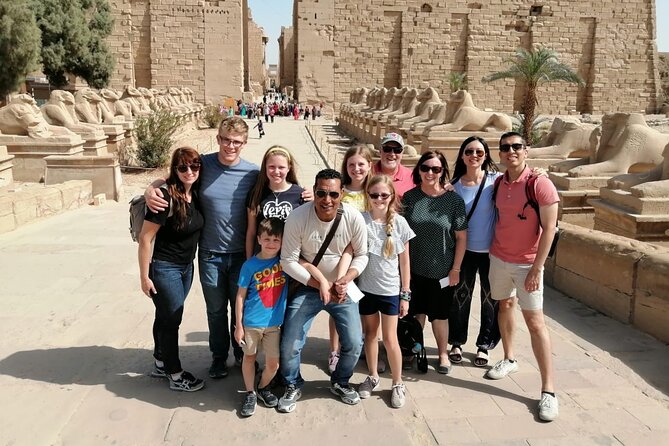
Finally, the small-group limit (max 15) changes the feel. Even with a busy itinerary, you’re less likely to spend the day playing find-the-backpack or waiting for people who wandered off to buy something.
You can also read our reviews of more guided tours in Aswan


Aswan pick-up, meet-and-greet, and how the day stays organized
Your Day 1 begins with pick-up in Aswan from your hotel or from the airport/train/bus station. You also get meet-and-assist service on arrival and departure in Aswan, which is a big deal if you’re arriving to Egypt tired or slightly disoriented.
The practical win: you’re not left standing around with a paper voucher and a phone at 8 a.m. You’ll have an actual person to point you where to go, and you’ll roll into the main sites with a guide who can keep timing realistic.
One more practical note: this is an Egypt day of moving between sites. You’ll want to travel light, bring sunglasses, and keep your passport handy, since it’s requested for the tour.
High Dam viewpoints: the “modern miracle” part of the Aswan story
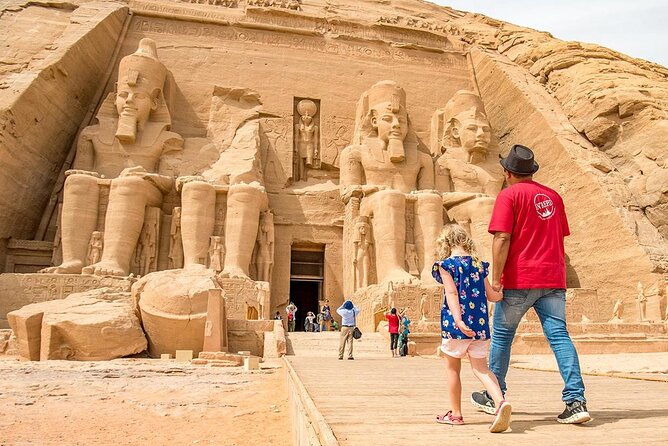
Your morning opens with Aswan and then the Aswan High Dam. You drive up for views across Lake Nasser—big sky, big water, and the kind of scale that makes the Ancient Egyptians and modern engineers feel like neighbors in time.
From the top, you can also see landmarks in both directions: to the south, the Kalabsha temple area; to the north, the huge power station footprint. The guide will usually connect this stop to what changed in the region—especially water levels and why later monuments needed to be saved.
This is a good warm-up stop because it sets context. Before you walk into carved stone and temple symbols, you understand how the river’s shape and life got reorganized in the 20th century.
Unfinished Obelisk in the granite quarries: when carving breaks
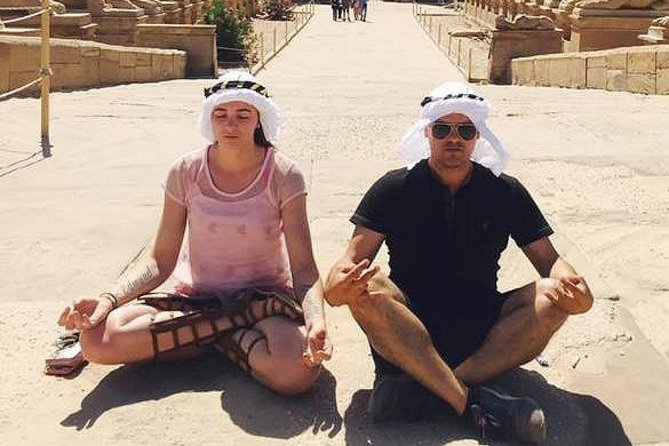
Next is the Unfinished Obelisk, in the granite quarries of Aswan. This is one of those stops that feels oddly emotional because you see a monument caught mid-process. A crack was discovered while the obelisk was being carved, and the stone never made it to its final destination.
If you like technical stories (and most Egypt fans do), this is a standout. The guide explains how a roughly 1-ton obelisk would have been carved and why the crack mattered. It’s not just an abandoned chunk of stone; it’s evidence of trial-and-error at monumental scale.
Practical tip: expect a quarry-site feel—more open air, more sun, and not the same polished “temple ticket” atmosphere. Bring water and keep your camera ready, but also look closely at the stone texture and tool marks.
Philae Temple on an island: the relocation story you actually remember
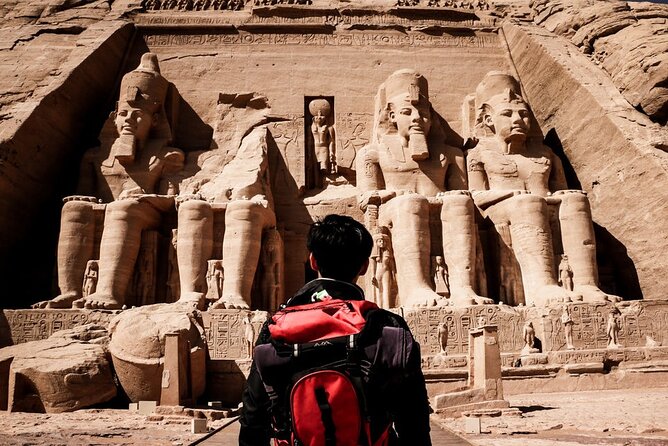
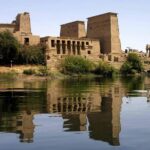
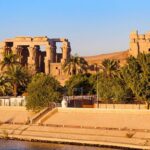
Then comes Temple of Philae, and it’s often the favorite Aswan stop for a simple reason: the setting works. The temple sits on an island in the river, and you reach it by short motorboat ride.
What makes it more than a pretty backdrop is what happened to it. When the High Dam project raised the waters, Philae Temple had to be carefully moved—about 500 meters from the original site. That’s a rescue story tied to real engineering, not just a romantic legend.
On the island, your guide leads you through a walking tour, and then you get time to explore on your own. That mix is smart: you get the big story first, then you can slow down to look at the carvings without the group pulling you along every 20 seconds.
If you’re trying to decide what Aswan “should” feel like, this is a strong bet: river light, island quiet, and a temple that still reads as a sacred space even after all the movement around it.
A few more Aswan tours and experiences worth a look





Abu Simbel on Day 2: why the early start matters
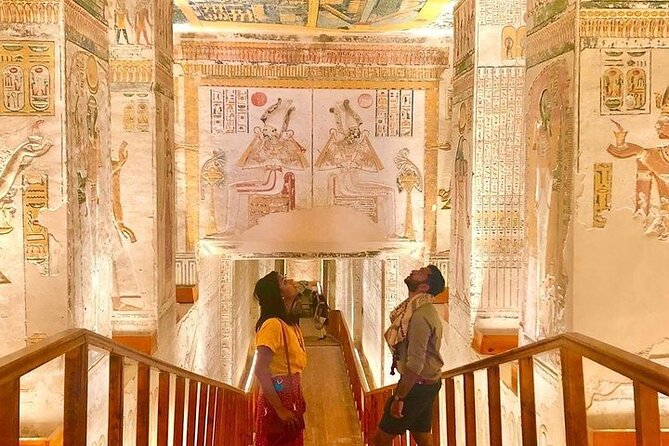
Day 2 is the long, headline day: Abu Simbel Temple Complex and the nearby Temple of Nefertari. You’ll start early in the morning, then spend much of the day out on the route.
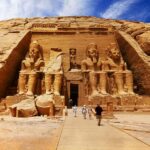
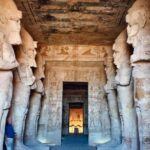
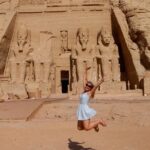
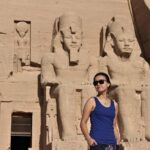
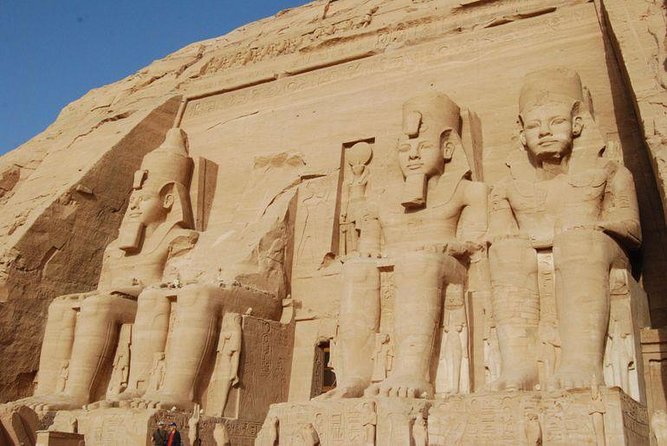
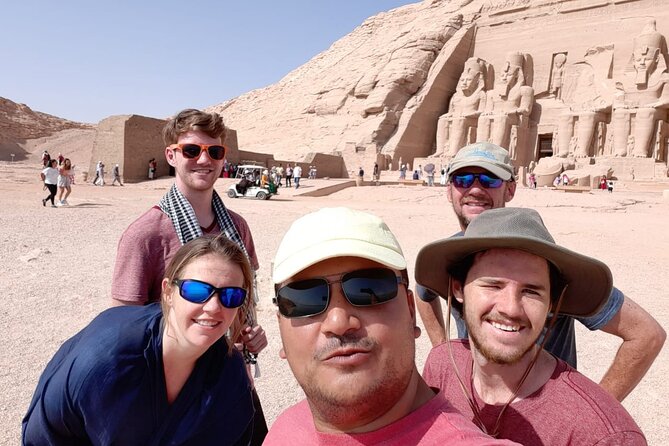
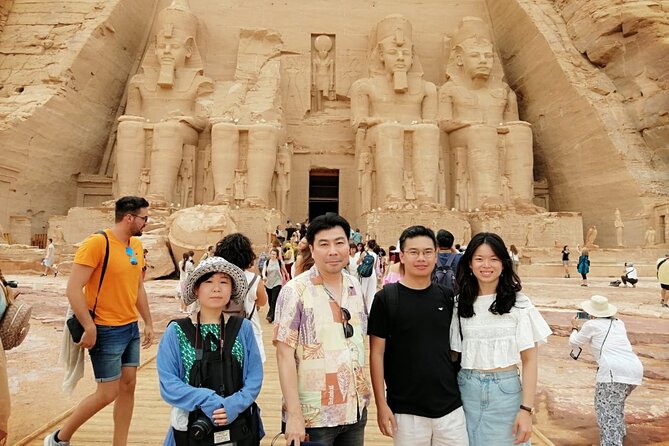
Abu Simbel is the Ramses II monument carved into a sandstone cliff. The façade presents deities and royal symbolism in a way that can feel almost theatrical once you stand in front of it. Nearby, you also visit the smaller temple dedicated to Nefertari, connected to Hathor.
The value of having it guided and organized is huge here. Abu Simbel is far enough that timing and comfort matter. A well-run pickup and transfer reduce stress, and a guide helps you read the carvings instead of just taking photos.
The drawback is time. The day is long—plan for it. If you hate early mornings or you’re easily wiped out by bus rides, this is the part that tests patience. Still, it’s one of the most rewarding “wow” sequences in Egypt when you’re ready for the day.
Train to Luxor: turning travel time into a buffer
After Abu Simbel, you transfer back to Aswan and then head to the train station. You’ll take the train from Aswan to Luxor with first-class tickets, then arrive and get met for transfer to your Luxor hotel for the night.
This is where the tour’s structure pays off. Without this, you’d be coordinating your own schedule and hoping you end up at the right departure time. Here, the plan is already stitched together, and you’re not guessing how long the transfers will take.
First-class also usually means a more relaxed ride and fewer hassles. You still keep an eye on timing, but you get a genuine break between the day’s intense sightseeing and the next day’s temples.
West Bank on Day 3: Valley of the Kings at a human pace
The West Bank morning starts with the Valley of the Kings, which holds tombs from various dynasties—66 tombs in total. Expect a guided orientation and enough context to make the valley feel like a timeline, not just a set of entrances carved into rock.
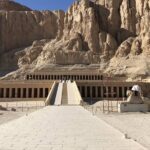
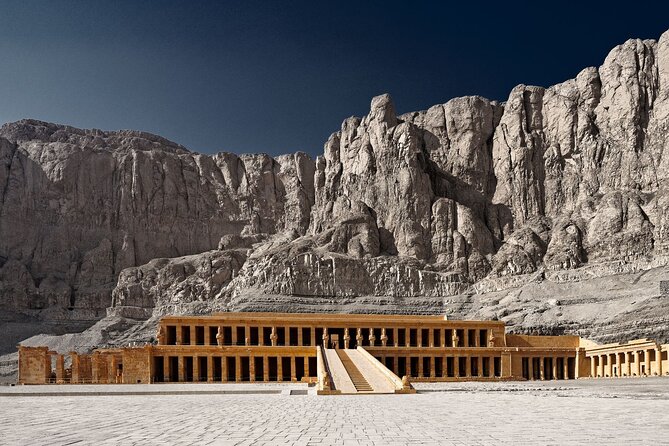
Then you continue to Temple of Hatshepsut at Deir el Bahari. Hatshepsut is celebrated because she was the only female ruler of Ancient Egypt. Seeing her temple after the Valley of the Kings helps the story click: power, afterlife beliefs, and royal propaganda all start to feel connected instead of separate facts.
This is a day where your guide’s explanations are what you’ll remember. Architecture becomes evidence. Symbols become meaning. And the tomb-and-temple pairing helps you understand the culture behind the monuments.
Practical tip: wear comfortable shoes and plan for uneven ground. Even if your time at each stop feels “short” on paper, the walking and stairs can add up.
Colossi of Memnon and the path back to the East Bank
On the return journey you stop at the Colossi of Memnon—two gigantic sitting statues of Amenophis III facing the Nile. These statues are a classic photo moment, but they work best when you treat them as anchors: you use them to orient your sense of where your story is going.
They’re also a nice pacing move. After Valley of the Kings and Deir el Bahari, this stop gives your body a change of rhythm and lets your mind reset before the temple-heavy Luxor finish.
A short stop here still feels worthwhile because it connects the West Bank sites with the bigger Luxor picture across the river.
Karnak and Luxor Temple: seeing how reigns layered over reigns
Your Day 3 wraps with temples on the East Bank. First is Karnak Temple, a series of temples built across different reigns. That’s the key idea to keep in your head while you walk: you’re not seeing one straight construction project, you’re seeing layers of power building power.
Then you move to Luxor Temple, where you stroll through the courtyard and admire the granite statues associated with Ramses the Great. The east/west contrast is real here. On the West Bank, you focus on tombs and kings’ ideas of eternity. On the East Bank, you focus on temples—religion as daily life and state power.
This end sequence is exactly why the train split makes sense. You’re not exhausted by backtracking. You finish with enough temple time to feel satisfied, then you’re transferred back at the end of the day.
What the small-group format means for your comfort and attention
A 15-person cap is not a marketing detail. It affects your day in concrete ways.
- You get quicker group check-ins.
- Your guide can answer questions without shouting over 50 people.
- You’re more likely to keep a steady tempo through crowded entrances and ticket checks.
In the same spirit, the tour includes a guide and a modern A/C vehicle, so breaks aren’t just accidental. They’re part of the schedule.
One more thing: small-group tours are also easier to coordinate when someone needs a bathroom break, wants to buy a quick water bottle, or needs a moment to recover from sun.
Admission fees and money planning: what to budget in Egyptian pounds
Entrance tickets are purchased separately. The tour notes an admission total around $35, paid in Egyptian pounds. It also says that those with an international card receive half-off admission.
That means the $167 price isn’t the whole cost, but the “extra” is manageable if you plan ahead. The simplest approach is to treat $167 as transportation + guide + train value, then treat the sites as an additional spend you can handle day by day.
The currency detail matters. If you arrive without any Egyptian pounds, you might waste time finding an ATM or exchange point. Plan to have some local cash ready so ticketing goes smoothly.
Practical tips that make this route feel easier
Bring sunglasses and use sunscreen. This is sun + stone all day, and even with A/C rides, you’ll be outside enough to feel it.
Keep your documents organized. The tour requests your passport, and you’ll be asked for details to arrange pick-ups.
Use your time on-site wisely. Don’t try to see every carving like a checklist. Pick a few themes—Ramses II at Abu Simbel, Isis at Philae, Hatshepsut’s royal message, and then Ramses Great’s presence at Luxor Temple.
Finally, keep your energy for the headline moments. The Valley of the Kings and Abu Simbel are not “quick photo stops.” They reward a calmer pace and better attention.
Does this suit you? Who will get the most from this 3-day loop
This tour is a good fit if you want major highlights in a short amount of time and you prefer guided explanations over self-navigation.
It’s also a strong match if you hate transport headaches. The first-class train and coordinated transfers reduce the planning burden that can otherwise drain energy on Egypt’s longer routes.
You might want to think twice if you’re sensitive to early mornings or long days. Abu Simbel is a big time commitment, and you’re moving through multiple sites across three days.
If you like history, this format helps. You’ll see how the same ideas—power, religion, monuments, and the river—show up in different places and time periods.
Should you book this Aswan, Abu Simbel and Luxor highlights tour?
If your goal is to hit the big names—Aswan’s Philae, Abu Simbel’s Ramses, and Luxor’s Karnak/Luxor Temple—then this tour is a solid value because it combines guiding with comfort-focused logistics. The first-class train plus A/C transfers reduces friction in a route that’s otherwise harder to manage.
Book it if you’re okay with early starts and you want a structured, efficient plan. Consider skipping it only if you strongly prefer slow travel or you don’t want to pay separate entrance fees on top of the tour price.
FAQ
What is included in the $167 per person price?
It includes an expert tour guide, A/C vehicle transportation, meet-and-assist service in Aswan for pick-up/arrival and departure, and an Aswan-to-Luxor 1st class train ticket with all pick-ups and transfers. Service, taxes, and landing and parking fees are also included.
Are entrance fees included for the Aswan, Abu Simbel, and Luxor sites?
No. Entrance tickets are not included, and admission fees are purchased separately.
How much should I budget for admission tickets?
The total admission amount for the sites listed is about $35 USD, paid in Egyptian pounds. The tour also notes that an international card gets half-off admission.
How many people are in the group?
The tour has a maximum of 15 travelers.
Is the train from Aswan to Luxor included?
Yes. The tour includes Aswan to Luxor 1st class train tickets along with transfers.
Do you provide pick-up and help in Aswan?
Yes. You can be picked up from your hotel or Aswan airport/train/bus station, and you also get meet-and-assist service on arrival and departure from those locations in Aswan.
Can this tour run in the opposite direction (Luxor to Aswan)?
Yes. The tour can also run from Luxor to Aswan with the same sightseeing and the same included and excluded items.
Can the operator help arrange train tickets to and from Cairo?
Yes. Assistance is available for buying train tickets to and from Cairo, with listed options of seats for $25 one way or a sleeper for $80 per person in a double cabin one way.
Is free cancellation available?
Free cancellation is available up to 24 hours in advance for a full refund.
You Might Also Enjoy

More Guided Tours in Aswan
More Tours in Aswan

More Tour Reviews in Aswan
- 4-Days Nile Cruise From Aswan To Luxor including Abu Simbel and Hot Air Balloon
★ 5.0 · 3,142 reviews