REVIEW · CAIRO
ViP Private Tour Giza Pyramids,Sphinx,camel ride , inside Pyramid
Book on Viator →Operated by Siwa Travel Egypt · Bookable on Viator
Big stones, small moments, and a good guide. This VIP private Giza outing is built around two fan favorites: an inside-the-pyramid visit at Menkaure and a guided camel ride with big views. You also get a smooth start with pickup options and mobile tickets, plus bottled water to keep the day from feeling like a marathon.
The main thing to watch is cost “extras.” Entrance tickets, the camel ride, and lunch can fall outside what’s listed as included, and there can be a $10 per person transfer supplement for some hotel areas.
In This Review
- Key Highlights You’ll Want to Know
- VIP Pyramids Day: Private Pace Beats the Stampede
- Pickup, Mobile Tickets, and How to Plan Your Timing
- Hetepheres Satellite Pyramid: The Stop That Adds Meaning
- Inside Menkaure’s Pyramid: Narrow Passage, Real Perspective
- Great Sphinx Viewpoint and Camel Ride: The Classic Giza Combo
- Giza Plateau Highlights: Khufu, Khafre, Menkaure, Plus Options
- Lunch Break and Bottled Water: Keep Your Energy Steady
- Price and Logistics: Where Value Comes From (and Where It Can Change)
- Who This Tour Fits Best (and Who Might Want a Different Plan)
- Should You Book This VIP Giza Pyramids Tour?
- FAQ
- How long is the VIP Giza Pyramids tour?
- Is pickup included?
- Are entrance tickets included?
- Is the camel ride included?
- Is lunch included?
- What’s the cancellation policy?
Key Highlights You’ll Want to Know

- Inside Menkaure Pyramid: a narrow, steep entry plus a burial chamber you can actually stand inside
- Sphinx photo viewpoint: a higher vantage point designed for seeing the pyramids together
- Camel ride time on the desert edge: guided ride around the pyramids for that classic Giza feel
- Skip-the-line access: listed as included, helpful in a site where waiting can eat your time
- Small “queen’s pyramid” stop: the nearby Hetepheres satellite pyramid adds context beyond the big three
- Optional papyrus/perfume stop: a chance to shop and learn if you want a lighter, cultural break
VIP Pyramids Day: Private Pace Beats the Stampede
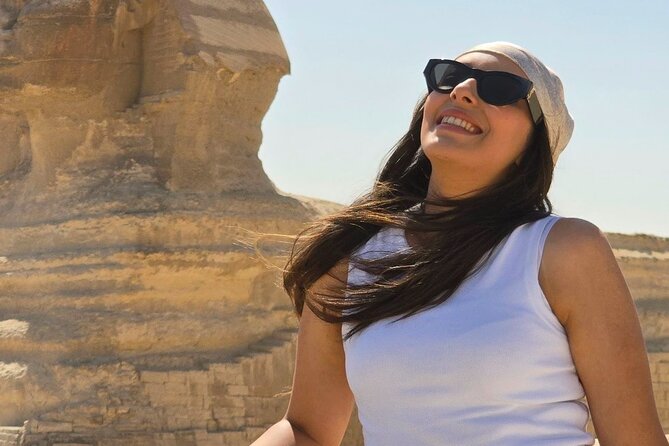
What I like most about this tour format is the tempo. It’s private, so you’re not stuck with a loud group that stops every time someone needs a snack or a selfie reset. That matters at Giza, where your time can vanish fast if you’re constantly re-grouping.
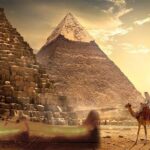
I also like how the day mixes “wow” with “why.” You’re not just looking at monuments; you’re led to smaller stops that give you context. The Hetepheres pyramid stop (Queen Hetepheres’s subsidiary pyramid near Khufu) is a good example of that. It’s modest, but it connects to a bigger story about who mattered during the 4th Dynasty.
There’s also a practical comfort factor. Bottled water is included, and the guide typically gives you breathing room for photos rather than rushing you through every point. One of the best compliments you’ll see on guides here is that they help you feel safe and taken care of in crowded areas.
The one caution: you can end up paying more than the starting price if you add entrance tickets, camel riding, or lunch on top. So treat the “$5 per person” figure as a starting point, not the whole final bill.
You can also read our reviews of more private tours in Cairo
Pickup, Mobile Tickets, and How to Plan Your Timing
This is a private tour, and that usually means pickup is coordinated around your group. The tour description says pickup is offered, but it also notes that transfers from some locations can cost extra—specifically $10 USD per person from airport hotels, Nasr City, 6 of October, and New Cairo.
You’ll also get a mobile ticket and a confirmation at booking time. That’s a small thing, but it can save you stress when you’re trying to get your head around entrances, timing, and security lines.
As for duration, the tour runs about 4 to 5 hours. In real life, that’s enough time to see the big highlights without feeling like you’re on a conveyor belt. Still, the day can stretch slightly if you choose optional add-ons, like the papyrus or perfume shop visit.
If you’re sensitive to heat or tired from a long flight, plan a slow morning before pickup. Giza is open-air, and even with short stops, you’ll be outside for most of the experience.
Hetepheres Satellite Pyramid: The Stop That Adds Meaning
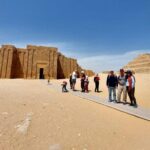
Most pyramid days focus on the biggest names and call it a wrap. Here, you start with the pyramid of Queen Hetepheres, often described as a satellite or subsidiary pyramid near the Great Pyramid of Giza.
This stop is only about 15 minutes, and the structure itself is small. But it’s historically interesting because Queen Hetepheres I was the mother of Khufu, the pharaoh tied to the Great Pyramid. The idea that the pyramid may have been more symbolic than a burial place helps you understand how Egyptians used structures for status, memory, and religious meaning—sometimes even when the “main” burial is elsewhere.
You’re also given the link that her burial is associated with a shaft tomb near the Great Pyramid area (referred to as G 7000X). That may sound technical, but it’s exactly the kind of detail that turns a quick stop into a real learning moment.
If you like your tours to include at least one “wait, that’s cool” moment, this is a great opener.
Inside Menkaure’s Pyramid: Narrow Passage, Real Perspective
The star history stop for many people is the inside-the-pyramid tour at Menkaure’s pyramid (the Third Pyramid, also called the Pyramid of Menkaure). This part is about 20 minutes and, importantly, it gives you access to the pyramid’s internal structure.
Here’s what you can expect inside:
- A descending passage that’s narrow and steep
- An antechamber
- A burial chamber
Menkaure’s sarcophagus is part of the story too. The sarcophagus was originally placed there but is described as lost at sea in the 19th century. You’ll still see the chamber and feel how built-for-humans-yet-not-built-for-comfort this space is.
Practical tip: wear shoes with solid grip. If you’re prone to claustrophobia, this segment can feel tight because the entry corridor is steep and narrow. On the other hand, if you want the difference between looking at pyramids from the outside and understanding how they were constructed, this is the payoff.
This is also where a good guide helps you slow down and notice details. Many of the guides associated with this tour are known for being patient with photos and for helping solo visitors feel comfortable in crowded conditions.
Great Sphinx Viewpoint and Camel Ride: The Classic Giza Combo
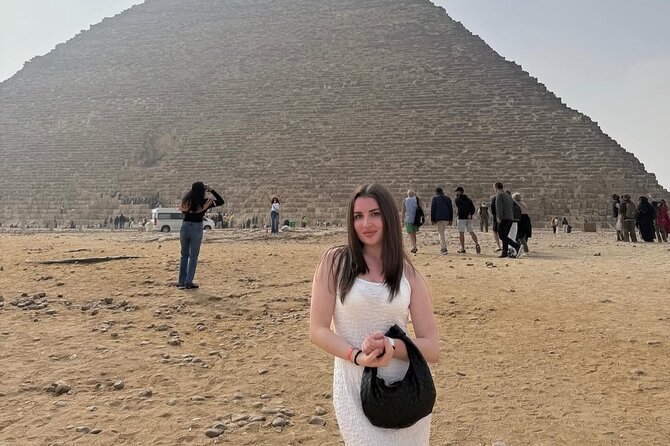
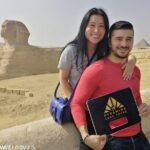
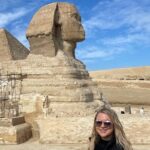
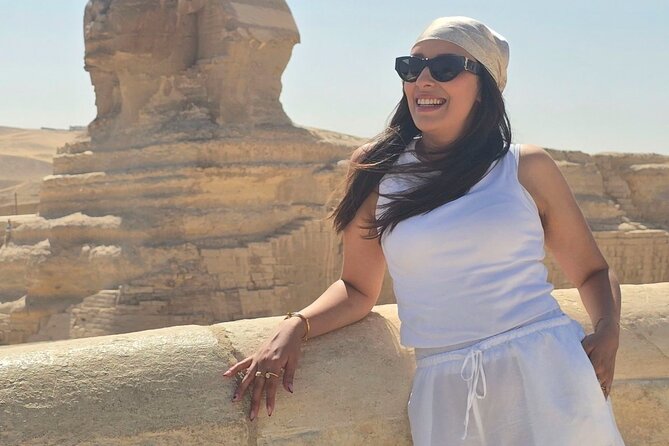
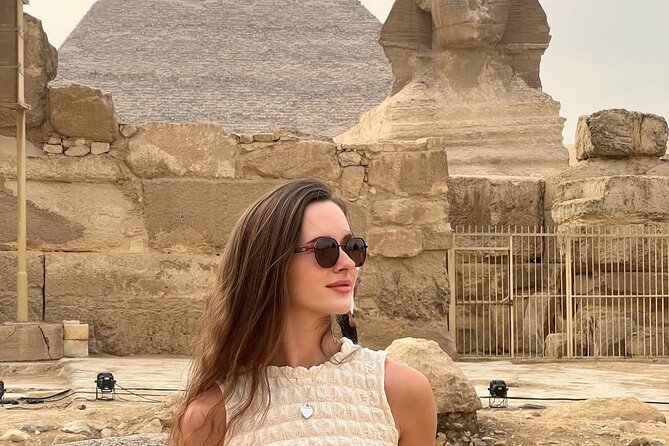
Next comes the Great Sphinx of Giza. You’ll get the iconic look at the limestone statue—lion body, pharaoh head—commonly believed to represent King Khafre. That part is obvious.
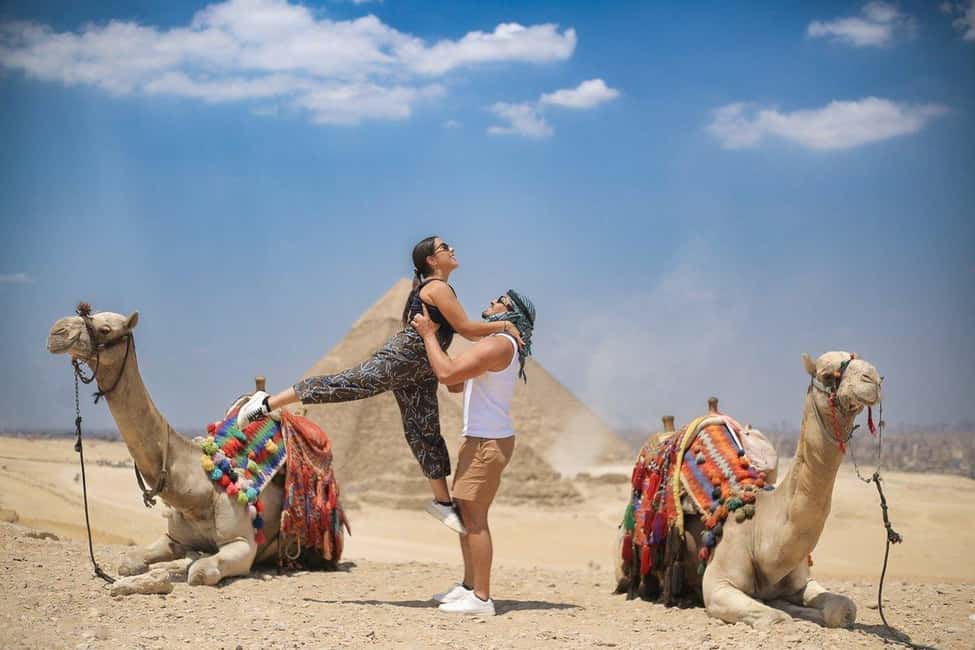
The value is in the viewpoint strategy. The tour includes a higher panoramic photo spot that’s designed so you can capture all three pyramids together. That’s one of those small route choices that can make the difference between messy photos and ones you’ll actually want to print.
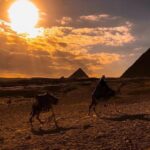
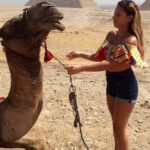
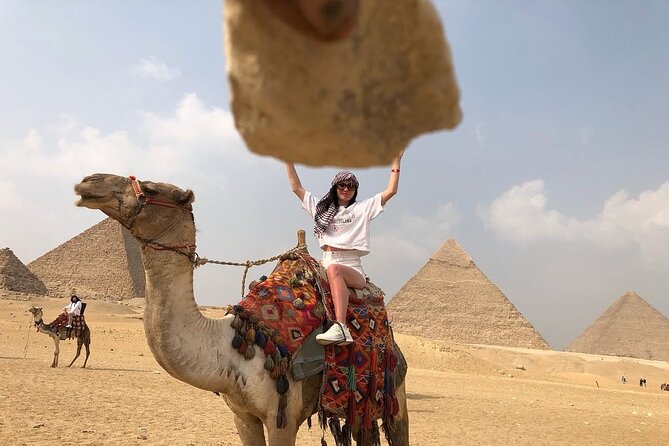
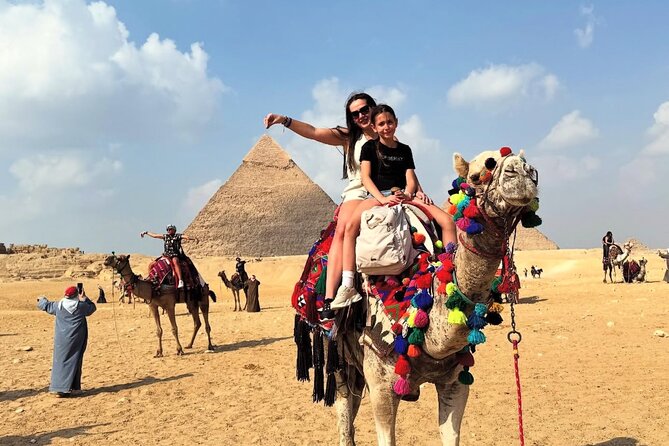
Then there’s the camel ride. You’ll typically do it around the pyramids, and it’s described as a guided desert experience. The ride time listed is about 25 minutes, which is long enough for the classic moments without dragging the whole day.
One note on cost: the camel ride is listed as not included in the main inclusions. So when you plan your total budget, assume you may pay for it separately unless your booking package states otherwise.
If you do ride, go into it expecting basic logistics: you’ll need to move slowly, stay balanced, and follow your guide’s directions. And yes, take a moment to look up after you stop—camel rides can make you forget how huge this place feels.
A few more Cairo tours and experiences worth a look


Giza Plateau Highlights: Khufu, Khafre, Menkaure, Plus Options
After the Sphinx, you’ll spend time on the Giza Plateau—about 2 hours, with the note that some entrance tickets may not be included.
This stretch covers the core “big three”:
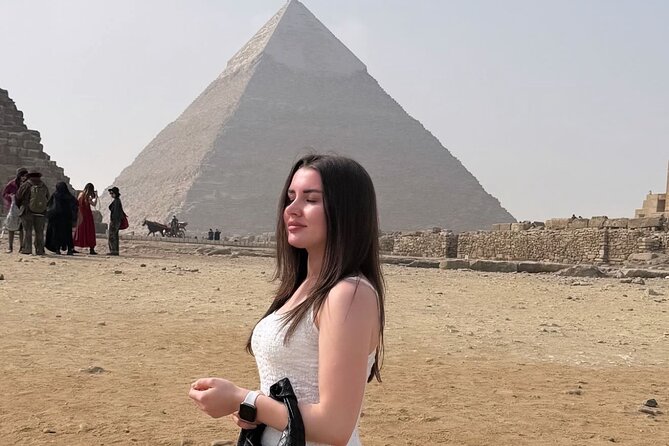
- Great Pyramid of Giza (Khufu): the oldest and largest of the three main pyramids
- Pyramid of Khafre: known for remaining limestone casing near the peak
- Pyramid of Menkaure: the smallest of the three, with its own architectural character
- Solar Boat Museum: described as housing the reconstructed Solar Boat of Khufu
- Tombs of the Nobles and Workers’ Village: nearby sites that provide insight into the people who supported pyramid building
- Panoramic viewpoint: another chance for sweeping photos of the pyramids
Because the description specifically says admission ticket price is not included for parts of this plateau time, you’ll want to clarify what’s covered in your exact package. In practice, you might see the key exteriors plus pick and choose what to enter based on your budget.
I like that this portion doesn’t just force you to stare at stones. The Solar Boat Museum and the workers’ village tombs shift the story from royal monuments to the people involved. Even if you only spend a short time on those areas, it adds depth.
Optional add-on: a papyrus or perfume shop visit (about 1 hour). This can be a nice break if you want something less tiring than more walking. But if shopping isn’t your thing, you may prefer to skip it and use that time for photos or rest.
Lunch Break and Bottled Water: Keep Your Energy Steady
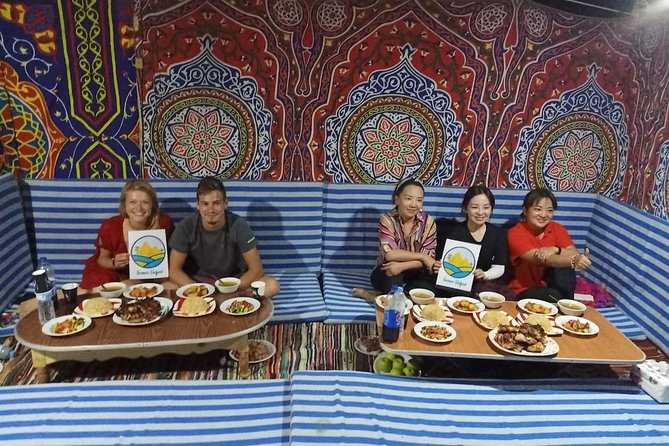
You’ll have a lunch stop at a local restaurant with traditional Egyptian food, described as including falafel and salads. In the “included” section, lunch is labeled optional, while the “not included” list also mentions lunch—so your best move is to confirm what’s actually included in your specific booking.
What’s safe to count on: bottled water is included. That matters because Giza heat can make you feel more tired than you expect, even if you’re only doing short segments.
If lunch is included for your booking, treat it as a chance to reset: eat something light enough to keep you comfortable for the remaining walking. If lunch isn’t included, aim to eat near the planned stop rather than trying to wander off. That keeps the day from turning into a logistics headache.
Price and Logistics: Where Value Comes From (and Where It Can Change)
Let’s talk about value in plain terms. This tour lists a very low starting price per person. You’re also promised skip the line, a private group, and a guided experience that includes big highlights like the Sphinx, a camel ride option, and inside-the-pyramid access at Menkaure.
But here’s where you should stay alert:
- Entrance ticket price is not included
- Camel ride is not included
- Lunch is not clearly guaranteed since it’s marked optional
- Gratuity is not included
- There may be a $10 USD per person transfer supplement from certain hotel areas
So the real value equation is: you’re paying for the time-saving access and the private pacing, not for every single on-site fee. If you’re the type who wants to minimize waiting and get better photos, private pacing can be worth it.
If you’re traveling with someone who doesn’t care about the camel ride or museum entries, you can keep costs down by treating add-ons as optional. If you want the full package—inside pyramid, camel ride, and lunch—budget a bit more.
Also, because it’s a private tour, you’re not forced into a compromise group. That’s often the difference between a “good day” and a “perfect day” at Giza.
Who This Tour Fits Best (and Who Might Want a Different Plan)
This is a good fit if you want:
- A private day with your own pacing
- Inside access to Menkaure’s pyramid
- A Sphinx visit plus a camel ride
- Enough structure that you’re not guessing where to stand for photos
Solo visitors should like this because the guide role is central—people have specifically praised guides for helping with safety, patience for photos, and smooth assistance in crowded areas. If you’re traveling with kids, the experience is described as suitable for most travelers, but the steep narrow passage inside the pyramid may be something to consider depending on age and comfort.
If you’re on a super tight budget, you might prefer a simpler exterior-only route. The “extras not included” list means your total cost can rise quickly once you add the major site entrances.
Should You Book This VIP Giza Pyramids Tour?
Book it if you want a private, photo-friendly Giza day with the inside pyramid experience and a camel ride option. It’s especially appealing when you care about getting to the right viewpoints and seeing more than just the postcard angles.
Skip it or choose another option if you hate paying surprises on-site, because entrance tickets, camel ride, and lunch are not clearly included for everyone. Also, factor in the possible $10 per person transfer supplement depending on where your hotel is.
If you’re flexible and want risk-free planning, the tour offers free cancellation as long as you cancel at least 24 hours before the start time for a full refund.
If you want, tell me your hotel area and whether you want the camel ride and lunch included. I can help you estimate a more realistic total budget for your specific day.
FAQ
How long is the VIP Giza Pyramids tour?
It runs about 4 to 5 hours (approx.).
Is pickup included?
Pickup is offered. A $10 USD per person transfer supplement may apply for airport hotels, Nasr City, 6 of October, and New Cairo.
Are entrance tickets included?
Entrance ticket price is listed as not included, even though admission tickets are noted for certain stops. You should confirm what’s covered in your specific booking.
Is the camel ride included?
The camel ride is listed as not included.
Is lunch included?
Lunch is described as optional in the included items, and also listed as not included. Confirm what’s included for your booking.
What’s the cancellation policy?
Free cancellation is available. You can cancel up to 24 hours in advance of the experience for a full refund, and within 24 hours the amount paid is not refunded.