REVIEW · CAIRO
Private Tour:12 Days 11 Nights Pyramids/Nile Cruise & Hurghada by Air from Cairo
Book on Viator →Operated by Reflections Travel · Bookable on Viator
Egypt gets organized for you.
This private 12-day, 11-night package strings together the big sights—Cairo, the Aswan-to-Luxor Nile cruise, and Hurghada—so you spend less time coordinating and more time seeing. I love how you get private Egyptologist-guided touring for the main monuments (Giza, Egyptian Museum, Islamic and Coptic Cairo), and I also love the calm, full-board rhythm of the Nile cruise through temple stops. The one real drawback is the pace: it’s packed, and one highlight starts very early in the morning.
From the moment you land, the logistics are handled. You’re met at Cairo International Airport, whisked to your hotel by A/C vehicle, then moved between cities with domestic flights and guided transfers. I also appreciate the built-in admissions for many key sites, plus bottled water during your tours, which helps you travel lighter and easier in the heat.
You’ll enjoy this most if you want comfort and expert interpretation, not DIY problem-solving. The trip also builds in Red Sea recovery time in Hurghada with a “soft” all-inclusive style setup (soft drinks included), plus optional activities when you’re there. Just keep in mind that not every add-on is included, and you’ll still need to plan for things like optional tours and tipping.
In This Review
- Key Things That Make This Tour Work
- Cairo Airport Meet-Up and Hotel Transfers That Set the Tone
- Giza Necropolis With Cheops, Chephren, Mykerinus, Sphinx, and Valley Temple
- Saqqara and Dahshur: Step-Pyramid Lessons and the Bent and Red Pyramids
- Egyptian Museum Plus Islamic and Coptic Cairo for a Full-Spectrum Day
- Aswan High Dam, Unfinished Obelisk, and Philae Temple: The Nile’s Modern and Ancient Meanings
- Abu Simbel Early Morning: A Big Morning With One Clear Caveat
- Kom Ombo and Edfu Temple Stops: The Cruise Becomes the Schedule
- West Bank Icons in Luxor: Valley of the Kings, Hatshepsut, and Colossi of Memnon
- Karnak and Luxor Temple by Day, Then Transfer to Hurghada
- Hurghada Marina: Soft All-Inclusive Time and Optional Red Sea Fun
- Price and Value for 11 Nights: What $1,900 Really Covers
- Who This Private Tour Fits Best (and Who Might Rethink It)
- Should You Book This Private Cairo–Nile–Hurghada Package?
- FAQ
- Is this a private tour?
- How long is the experience and where does it start?
- What major areas does the tour cover?
- Are domestic flights included?
- Are airport transfers included?
- Are meals included?
- Are entrance tickets included for the pyramids and key temples?
- Is Abu Simbel included in the admissions?
- Do I need to arrange visas or international airfare?
- Is tipping included?
Key Things That Make This Tour Work
- Private guides for the major sites so you’re not stuck figuring things out on your own
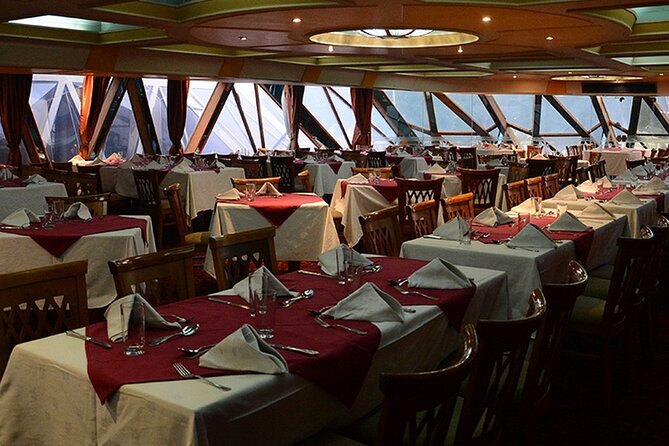
- Full-board Nile cruise for Aswan-to-Luxor with structured temple visits
- Domestic flights included to cut down on long overland travel
- Multi-base mix: Cairo sightseeing, Luxor temple circuit, then Hurghada beach time
- Admissions included for most monuments, including Giza, Egyptian Museum, Karnak, and more
- Soft all-inclusive in Hurghada with time for optional sea activities
Cairo Airport Meet-Up and Hotel Transfers That Set the Tone
Your trip starts at Cairo International Airport, where a representative meets you and guides you to your hotel by A/C vehicle. It’s a simple move, but it matters. Cairo can feel chaotic if you’re arriving cold, so having that first hand-off smooths everything out.
Once you check in, the same representative talks through the agenda, then leaves you to settle in. That’s a small detail, but it reduces the mental load you’d normally carry on day one. You’re not chasing vouchers or trying to match your schedule to transit times.
This tour’s setup is designed for time efficiency, too. You spend less energy on “How do we get there?” and more energy on “What are we seeing?” And because transfers are private (A/C limousine, HIACE, or minivan), you’re not doing the stop-and-start shuffle that can bog down shared tours.
You can also read our reviews of more boat tours in Cairo



Giza Necropolis With Cheops, Chephren, Mykerinus, Sphinx, and Valley Temple
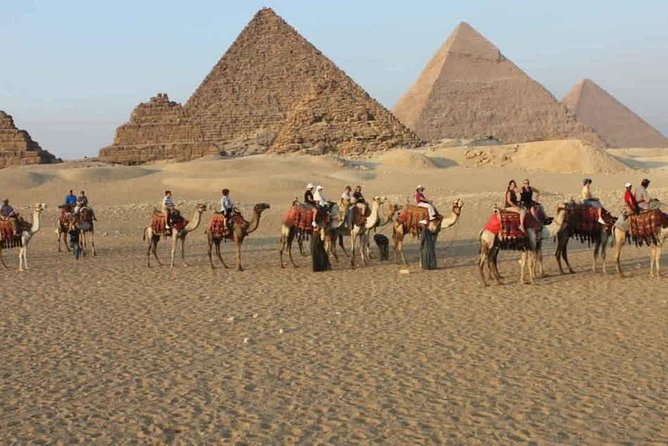
Day two is built around the Giza Necropolis—the place most people picture when they think of Egypt. You’ll go to the Giza Plateau for the pyramids of Cheops, Chephren, and Mykerinus, then continue to the Sphinx with its pharaoh’s head and lion body. You also visit the Valley Temple, which rounds out the story of how the necropolis functioned beyond just the outer look.
A private guide here is a big deal. Stand in the right spots and you’ll start noticing how the monuments connect, not just how they look in photos. The tour structure also keeps you moving at a steady pace through a site that can otherwise feel overwhelming.
Practical note: this is outdoors and often hot. Plan for sun protection and comfortable shoes, because you’ll be walking on uneven stone surfaces. The included pyramid area admissions help too—you’re not hunting for ticket counters while you’re already in the queue-and-crowd rhythm.
Saqqara and Dahshur: Step-Pyramid Lessons and the Bent and Red Pyramids
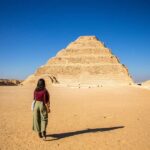
After Giza, the trip heads south for Saqqara (Sakkara) and then the royal necropolis at Dahshur. This is where you see Egypt’s long experiment with pyramid-building in a more layered way than the cleaner, iconic look of Giza.
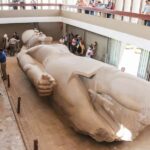
In Saqqara, you visit remaining vestiges around villages in the area and stop at an open-air museum with carvings and columns from the site. There’s also mention of a large fallen statue of Ramses II, which gives you a sense of how many eras overlap in Egyptian archaeology.
Then comes Dahshur, home to the Bent Pyramid and the Red Pyramid. You’ll learn why the Bent Pyramid is named that way—an issue during construction that forced a change in plan—and why the Red Pyramid gets its color name after rainfall. It’s the kind of detail a guide can explain clearly without turning the visit into a lecture.
If you love understanding how things evolved (instead of only seeing the final masterpiece), this day is a strong payoff.
Egyptian Museum Plus Islamic and Coptic Cairo for a Full-Spectrum Day
Cairo day three hits three worlds: ancient treasures, historic Islamic landmarks, and the Old Cairo religious sites.
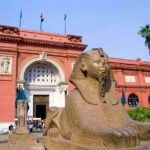
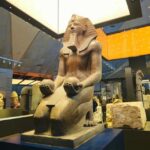
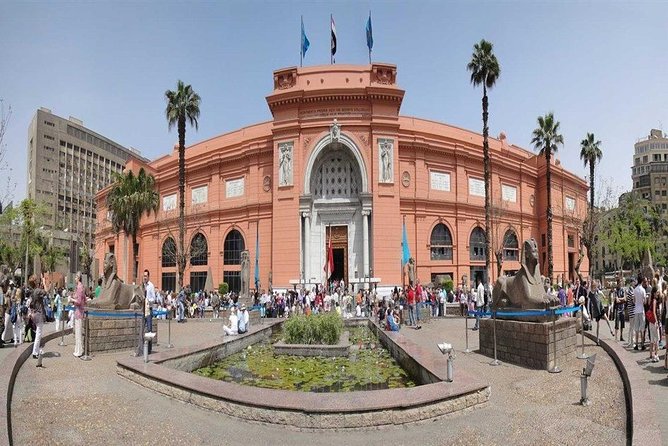
First up is the Museum of Egyptian Antiquities, including the Tutankhamun collection. Even if you’ve seen photos before, the museum experience is where the scale of the artifacts hits you. A guide also helps you focus on what’s worth lingering over versus what you can glance and move on from.
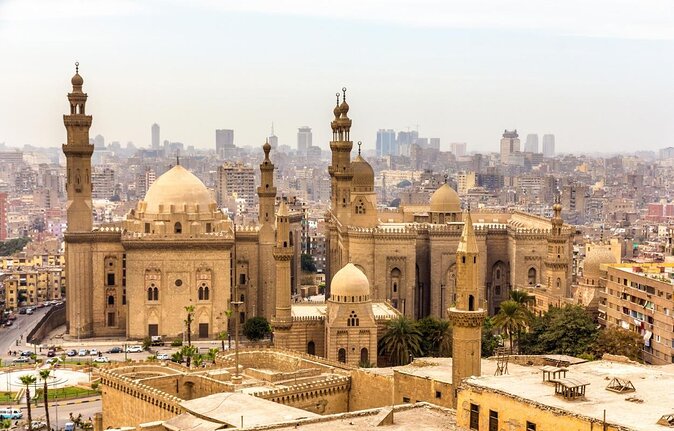
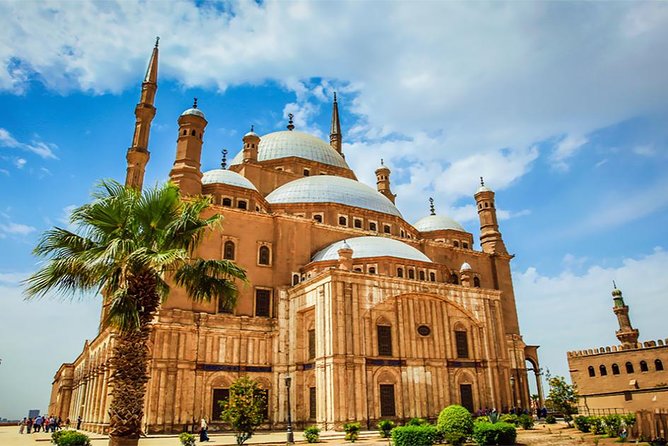
Next is Islamic Cairo, including Salah El Din Citadel and the Mohamed Ali Mosque with its twin minarets. You’ll also spend time in Khan El Khalili Bazaar, a classic stop that feels like Cairo’s street-level heartbeat.
Then you shift to Coptic Cairo, visiting places like the Church of Abu Sergah and St. Barbara (including the staircase feature), plus the Hanging Church area, and also the old Jewish Ben Ezra Synagogue. This mix can be intense, but it’s also one of the tour’s big strengths: you see Cairo’s layers in a single, guided flow.
The only consideration: this is a lot to absorb in one day. If you want a slower pace, don’t pack extra activities into your evening.
Aswan High Dam, Unfinished Obelisk, and Philae Temple: The Nile’s Modern and Ancient Meanings
After breakfast and checkout, you fly to Aswan. In Aswan, your guide takes you to the High Dam—an engineering miracle built in 1960 that protects Egypt from annual Nile floods. Even if you’re not an engineering person, it sets context for how the Nile’s story keeps changing.
You then visit the Unfinished Obelisk, which shows how ancient Egyptians cut and shaped stone. It’s also believed to relate to Queen Hatshepsut, which adds a strong female-royalty thread to the day.
Finally, you reach Philae Temple, dedicated to Isis. After touring, you move to your Nile cruise for check-in and lunch. That pacing is smart: you end the sightseeing portion, then transition toward the slower, river-based atmosphere.
This day works especially well if you like variety. You’re not only looking at ancient monuments—you’re also seeing how Egypt managed water, power, and infrastructure in modern times.
You can also read our reviews of more private tours in Cairo



Abu Simbel Early Morning: A Big Morning With One Clear Caveat
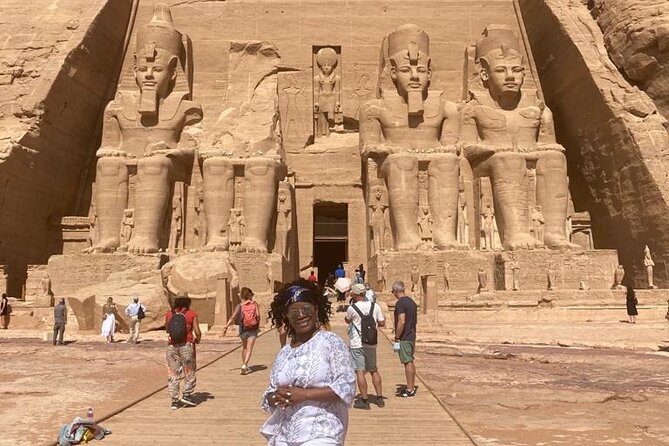
One of the tour’s standout moments is Abu Simbel. You’ll be picked up very early—around 4:30 AM—with a breakfast box, then transferred for a guided visit of the temples.
You’ll see the two main temple complexes: the great temple of Ramses II and the temple of Queen Nefertari (associated with Hathor). The tour also explains how the two temples are designed to connect themes of Ramses, Nefertari, Hathor, and the sun god.
This is not a late-morning stop. Expect fatigue if you’re not used to early days. But the trade is worth it: Abu Simbel is dramatic, and the guided context helps you appreciate the architecture and carved storytelling beyond just the viewpoint.
One important caveat: the Abu Simbel admission ticket is not included in the information provided for this day. So budget for at least that extra cost on top of the main price, plus any optional add-ons you might want.
Kom Ombo and Edfu Temple Stops: The Cruise Becomes the Schedule
After Abu Simbel, you return to your Nile cruise for lunch, then sail toward Kom Ombo. The cruise-style pacing is one of the best ways to experience the river because you’re not constantly transferring between hotels and buses.
At Kom Ombo Temple, the tour focuses on the temple shared by two gods: Sobek (the crocodile) and Horus (connected with sky and kingship). That dual structure is the kind of thing guides explain well, and it keeps the stop from feeling like a repeat of every other temple you’ve already seen.
Then you sail to Edfu to visit Horus Temple. You’ll see inscriptions and scenes tied to the sacred drama of Horus and Seth. It’s a mythic framework—again, the guide’s narration matters here—because it links carvings to meaning, not just decoration.
This middle segment works best if you like structure. You get sightseeing built into the sailing rhythm, so you’re never wondering what you should do next.
West Bank Icons in Luxor: Valley of the Kings, Hatshepsut, and Colossi of Memnon
When you reach Luxor, you disembark from the Nile cruise and head to the West Bank for three big stops.
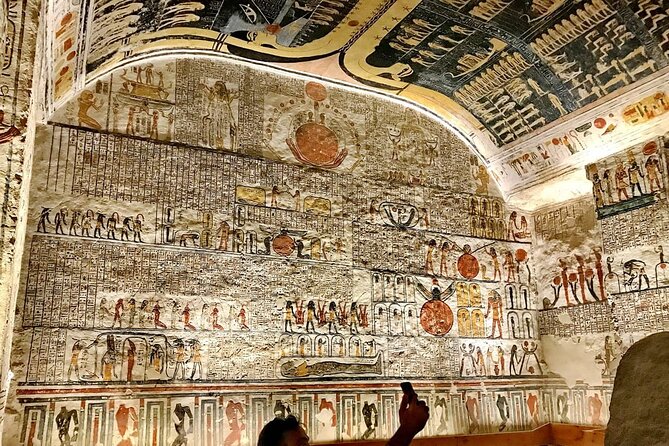
First: the Valley of the Kings. It’s one of the most famous tomb groups on earth, with 63 tombs noted in the tour info, and your guide focuses on how royal tombs were decorated with mythology. You’ll hear about major buried kings, including Tutankhamun. The tour also notes a practical limitation: guides are not permitted inside the tombs, but they explain what you’re about to see before you enter. That helps you get more from each chamber without wasting time.
Next is Temple of Hatshepsut at Deir el Bahari. This visit highlights that Hatshepsut’s name is tied to being foremost among noble ladies, and that she’s thought to have initiated trading routes. It’s a chance to see power politics through a woman ruler’s legacy.
Finally: the Colossi of Memnon, two huge statues made from quartzite sandstone. It’s a short stop, but it’s perfect for photos, and it also helps you understand how monumental structures once framed temple entrances.
Karnak and Luxor Temple by Day, Then Transfer to Hurghada
After the West Bank, you move through two of Luxor’s main temple areas.
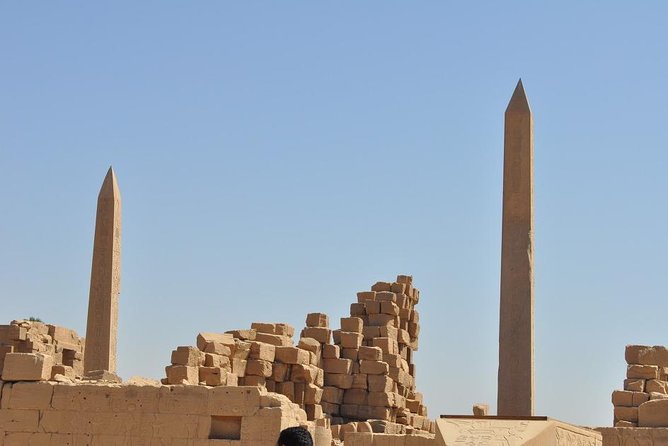
At Karnak Temple, you’ll visit major sections including the Sacred Lake and a scarab statue, and you’ll learn about the dedication to Amon and Mut. Karnak can be visually overwhelming on your own, but a guide helps you notice the logic behind the scale.
Then it’s Luxor Temple, built by Amunhotep III and completed by Ramses II, with the added reality that it includes layers from Pharaonic, Coptic, and Islamic periods. That layer-cake effect is part of what makes Cairo and Luxor feel like living history, not just ancient ruins.
After these tours, you transfer to Hurghada. The timing matters: after several heavy sightseeing days, you transition into a beach-based reset. This tour gives you that breathing room instead of pushing temples nonstop.
Hurghada Marina: Soft All-Inclusive Time and Optional Red Sea Fun
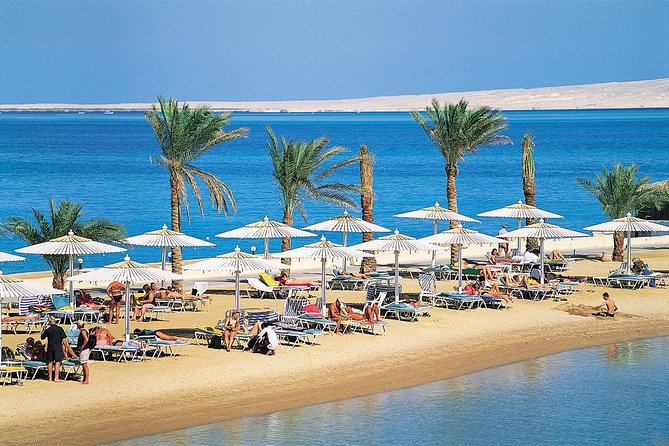
Hurghada is where you slow down. You’re based at the marina area for multiple days, with time to enjoy the city or simply relax.
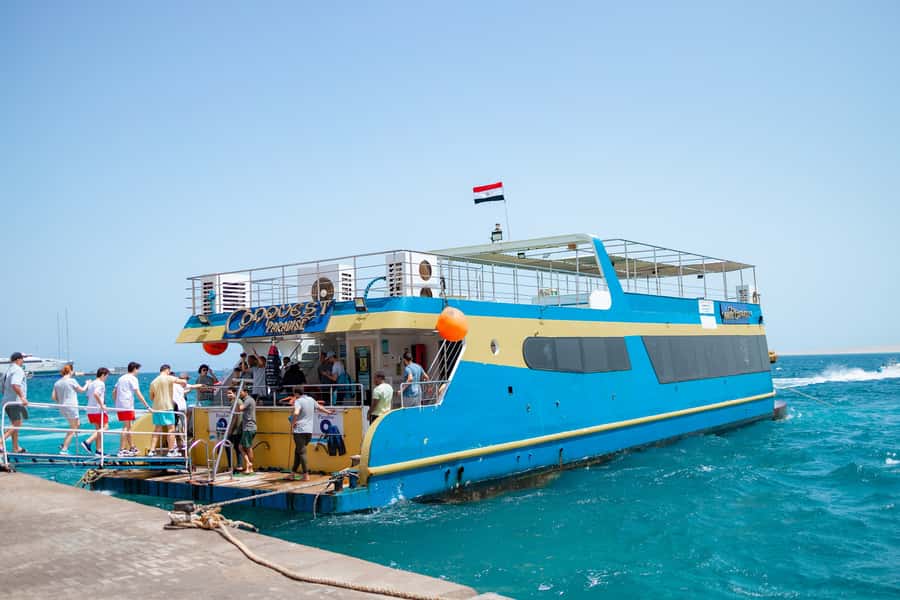
On day nine, you have a block of time at Hurghada Marina—the tour notes options like a submarine tour or city sightseeing, or plain beach time. On day ten, you get another marina block with an explicit option for snorkeling to see coral reefs and marine life, or more beach relaxation.
Your package includes soft all-inclusive with soft drinks in Hurghada, so at least the basics are handled. If you want extra sea activities beyond what’s listed, you’ll likely be paying separately because the information provided frames these as options during your free time.
This part of the trip is smart planning. After pyramids and tombs, your body wants gentler days. If you pack a full schedule of paid activities in Hurghada, you’ll lose some of the value of the rest period.
Price and Value for 11 Nights: What $1,900 Really Covers
At $1,900 per person, this is not a budget trip, but it’s also not “just pay and hope.” You’re covering a lot of moving parts:
- Multiple bases: 4 nights in Cairo, then 3 nights on a 5-star superior Nile cruise, 1 night in Luxor, and 3 nights in Hurghada
- Domestic flights connecting Cairo → Aswan → Hurghada → Cairo
- Private A/C transfers between airport, hotels, and key sites
- Private Egyptologist-guided touring for the big monuments
- Admissions included for many core stops (Giza, Saqqara/Dahshur, Egyptian Museum, Citadel, Coptic and Islamic Cairo, Valley of the Kings, Karnak, Luxor Temple, and more)
- Meals included as described: breakfast in Cairo, full-board on the cruise, and soft all-inclusive in Hurghada
Where cost awareness comes in is with extras not listed as included—like the Abu Simbel admission ticket mentioned for that morning, plus optional tours and tipping. If you want a smooth trip with fewer surprises, plan to budget a little extra for those add-ons.
If you were planning this yourself, you’d spend serious time coordinating hotels, cruise nights, guides, tickets, and internal flights. Part of the value here is paying for that orchestration.
Who This Private Tour Fits Best (and Who Might Rethink It)
This tour fits you if you want Egypt’s “greatest hits” with expert guidance and minimal friction. It’s especially good for couples or small groups who prefer private experiences and predictable daily structure.
It’s also a good fit if you don’t want to do the “ticket math” across multiple cities. The admissions and guided touring cover a lot of the heavy lifting.
You might rethink it if you hate early starts or you want a slow, flexible trip. The Abu Simbel morning is the big example, but the overall schedule is busy. If you’re the type who likes long unscheduled evenings, you may feel the itinerary pressure.
Also, if you’re traveling with a strong preference for one region only (say, purely Cairo or purely beach time), this mixed format might feel like too much switching.
Should You Book This Private Cairo–Nile–Hurghada Package?
I’d book it if your priority is getting from Cairo pyramids to a Nile cruise to Red Sea downtime without playing logistics roulette. The biggest strength is the way it combines private guiding with a guided temple circuit, then hands you a real recovery block in Hurghada. That balance is hard to DIY unless you’re very comfortable planning.
I’d hesitate if you’re very budget-sensitive or you dislike early mornings. The trip includes many essentials, but Abu Simbel admission isn’t included as noted, and you’ll likely want to add at least one optional activity in Hurghada.
If you like clear structure, good guides, and a trip that feels more “handled” than “hustled,” this is a strong choice.
FAQ
Is this a private tour?
Yes. It’s described as a private tour/activity, with only your group participating.
How long is the experience and where does it start?
It’s approximately 12 days (11 nights) and starts in Cairo, with the tour ending back at the meeting point in Cairo.
What major areas does the tour cover?
It covers Cairo, an Aswan-to-Luxor Nile cruise with temple visits, and Hurghada on the Red Sea.
Are domestic flights included?
Yes. The tour includes domestic flights for the Cairo/Aswan/Hurghada/Cairo route.
Are airport transfers included?
Yes. Meet-and-assist services are included, along with transfers to/from airports and hotels by private A/C vehicles.
Are meals included?
Yes. Cairo includes breakfast and lunch as stated, the Nile cruise is full-board, and Hurghada includes soft all-inclusive (soft drinks).
Are entrance tickets included for the pyramids and key temples?
Yes, admission is included for the Pyramids Area, Saqqara and Dahshur, the Egyptian Museum, Valley of the Kings, Philae Temple, High Dam, and several others listed in the included section.
Is Abu Simbel included in the admissions?
The Abu Simbel day includes a note that the admission ticket is not included.
Do I need to arrange visas or international airfare?
International airfare and the entry visa to Egypt are not included.
Is tipping included?
Tipping is not included.