Three days, three temple dreams, one train rhythm. This Egypt route strings together Luxor and Aswan with first-class sitting trains, guided stops at the big names, and a very early run to Abu Simbel.
I really like the door-to-door AC transfers that tame the Cairo-to-station chaos, and you get a proper Egyptology guide for the temple days, not just a bus drop-off. I also appreciate that this is set up for a fast pace while still including one night of hotel comfort in Aswan.
The main thing to weigh is the pace: you’ll be moving a lot, and entrance fees plus tipping are not included. Also plan for extra spending on site items and the Philae motorboat, which is optional.
In This Review
- Key Highlights You’ll Actually Feel
- Riding the First-Class Train Loop: Why This Plan Works
- Day 1: Pickup, Then the Cairo-to-Luxor Night Train
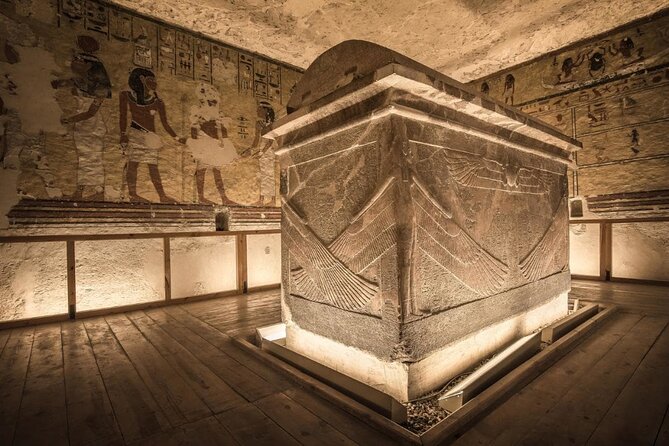
- Day 2 in Luxor: Valley of the Kings, Hatshepsut, and Karnak
- Valley of the Kings: Tombs With Stories Behind the Stone
- Temple of Hatshepsut: A Queen’s Monumental Legacy
- Karnak Temple: The Large-Scale Place for Pilgrimage
- Evening Train to Aswan: Depart Around 7:20 pm
- Aswan Overnight: One Hotel Night That Actually Helps
- Day 3: Abu Simbel at 4:30 am, Then Philae and the High Dam
- Abu Simbel Temple Complex: Early Pickup for Best Timing
- Back in Aswan: High Dam and Philae Temple
- The Aswan-to-Cairo Overnight Train: Make It Work for You
- Price and Value: Is $450 a Fair Deal?
- What You’ll Love Most (Based on the Experience Style)
- Who Should Book This, and Who Should Skip It
- Should You Book Oceanus Tours and Travel?
- FAQ
- FAQ
- What train tickets are included in this tour?
- What time do you get picked up in Cairo for the train to Luxor?
- Do I need to pay entrance fees for the temples and tombs?
- Is there an Aswan hotel included?
- What time is the Abu Simbel pickup?
- Are meals included besides breakfast?
- Do I have to tip the guide and driver?
- Is there an extra cost for pickup from Cairo airport or hotels outside the standard areas?
Key Highlights You’ll Actually Feel
- First-class sitting train rides do the heavy lifting between Cairo, Luxor, and Aswan
- Egyptology guide time on Luxor’s top sites: Valley of the Kings, Hatshepsut, and Karnak
- Early Abu Simbel pickup around 4:30 am with a shared small-group ride
- One night in a 3-star Aswan hotel with breakfast so you’re not running on fumes
- On-the-ground transfers from station to hotel and back, handled for you
Riding the First-Class Train Loop: Why This Plan Works
This tour is basically a rail-and-temple circuit. Instead of spending your precious time fighting long drives, you use overnight and daytime train segments to connect the cities fast. The big win is that you sleep (or at least rest) while the route happens.
The itinerary is also built around the logic of Egypt sightseeing: Luxor is best handled in a focused block with an Egyptology guide, while Aswan pairs naturally with the Abu Simbel day trip plus Philae. You’ll also notice the flow keeps you from backtracking too much, which matters when the schedule is tight.
The tour includes first-class sitting train tickets for Cairo to Luxor, Luxor to Aswan, and Aswan to Cairo, plus breakfast and one hotel night. That combination is what turns a “see everything” idea into something you can actually pull off in 3 days without losing half your day to logistics.
Just keep your expectations realistic: this is not a slow sightseeing crawl. It’s a “major hits, guided, and move” style of trip.
You can also read our reviews of more tours and experiences in Cairo.
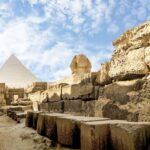


Day 1: Pickup, Then the Cairo-to-Luxor Night Train
On Day 1, you’ll start with pickup in either Giza or central Cairo, typically around 6:30 to 7:00 pm to reach Giza Train Station. The train departs at 9:00 pm and the ride to Luxor takes about 9 to 10 hours.
This portion is simple, but it’s useful. You arrive in Luxor ready to sightsee rather than wasting daylight on travel. The tour also uses air-conditioned transportation for the transfer to the station, which makes a big difference in Egypt’s evening heat.
What’s worth knowing: Day 1 is mostly a travel day. Food and drinks are not included, so plan to handle your evening and any snack needs on your own. Also, since entrance tickets aren’t part of the first day’s sightseeing (there isn’t scheduled sightseeing until Day 2), you’re free to focus on settling in.
If you’re the type who likes sleep to actually happen, consider what “sitting train” means for you. The tour does offer an upgrade to a sleeping train option for an extra charge, if you want more comfort.
Day 2 in Luxor: Valley of the Kings, Hatshepsut, and Karnak
Day 2 is where the tour earns its keep. You’ll have a guided day covering three of Luxor’s strongest temple experiences, then you’ll continue by train to Aswan in the evening.
Valley of the Kings: Tombs With Stories Behind the Stone
Your guide will meet you around the Luxor train station area, and you’ll head to the Valley of the Kings. Plan for about 2 hours here.
This is the setting where pharaohs hid mummies and tombs. A good guide helps you connect the design choices to the beliefs behind them, and that’s the difference between seeing carvings and actually understanding what you’re looking at. Entrance fees are not included, and you’ll pay on site.
A practical tip: wear shoes you can walk in comfortably and expect uneven ground. Also, some areas inside tombs can feel warm, so light layers can help.
Temple of Hatshepsut: A Queen’s Monumental Legacy
Next up is the Temple of Hatshepsut, about 1.5 hours. This stop focuses on Queen Hatshepsut and the story behind the temple—exactly the kind of context that makes an Egyptology day worth it.
At the end of the visit, you’ll also see the two giant statues of Memnon. That add-on matters because it shifts the day from “one monument” to a broader sweep of Luxor’s sacred and ceremonial places.
Again, entrance fees aren’t included here, and you’ll pay for them on site.
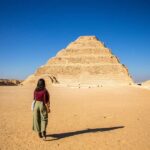

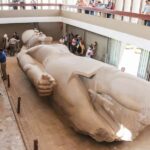

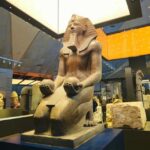

Karnak Temple: The Large-Scale Place for Pilgrimage
Then you’ll move to Karnak Temple, scheduled for about 1.5 hours. This is described as the largest temple in the world and one of the oldest pilgrimage sites, and it does have that “how did they ever build this?” feeling.
You’ll also see the sacred lake, plus you may get a chance to drink sugar cane juice, one of the classic Upper Egypt treats. It’s not a must-do for history, but it’s a real, memorable way to feel the place beyond stone corridors.
After Karnak, you’ll head to Luxor train station so you can catch the evening ride to Aswan.
Evening Train to Aswan: Depart Around 7:20 pm
You’ll take the sitting train to Aswan around 7:20 pm and arrive about 9:30 pm. From there, a representative picks you up and transfers you to your 3-star Aswan hotel for the night.
This is a smart pacing move: you finish the Luxor sightseeing while energy is still decent, then train to Aswan so you don’t spend an extra long day driving.
Aswan Overnight: One Hotel Night That Actually Helps
Aswan is your reset point. You arrive around 9:30 pm, get transferred to the hotel, and wake up with breakfast included.
The hotel is listed as 3-star, which fits the reality of a short itinerary like this. You’re not booking a resort getaway here—you’re booking a base so the Abu Simbel early start doesn’t break you.
This overnight stay also gives you time to recharge before the most demanding day of the trip.
If you’re planning your packing, think practical: bring a small bag for the next day so you’re not constantly rummaging, and keep your essentials easy to reach for the train and early pickup.
Day 3: Abu Simbel at 4:30 am, Then Philae and the High Dam
Day 3 is the big “wow” day, and it starts early on purpose.
Abu Simbel Temple Complex: Early Pickup for Best Timing
Around 4:30 am, you’ll be picked up to visit Abu Simbel with a shared small group, using a bus or minibus. The total time block is about 8 hours, with a return to Aswan around noon.
That early start is not just schedule theater. It’s about beating the worst of the day’s conditions and giving you a better window for touring. Abu Simbel is also the kind of place where lighting and temperature really shape your experience.
Entrance fees are not included, so budget for that. Also keep in mind this tour requires good weather—if it’s canceled for weather reasons, you’ll get a different date or a refund.
Back in Aswan: High Dam and Philae Temple
Once you’re back around midday, you’ll go to the High Dam and Philae Temple. This portion is scheduled for about 2 hours.
Entrance fees apply and are not included. Here’s the important practical note: you’ll pay entrance fees by card for most sites, but the High Dam and the motorboat to Philae are handled with cash in Egyptian money. The motorboat is not included, so if you want to go for it, plan for that cost.
Philae is one of the stops that makes Aswan feel distinct from Luxor. It’s temple architecture in a river-edge setting, and the experience is more than just scale—it’s the mood.
The Aswan-to-Cairo Overnight Train: Make It Work for You
After Philae and the High Dam, you’ll transfer back to Aswan train station for the overnight first-class sitting train back to Cairo. Expect about 12 to 14 hours.
Because this is sitting rather than sleeping, comfort planning matters. The tour does mention you can upgrade to a sleeping train for an extra charge—if you’re sensitive to sitting overnight, that’s worth considering.
Also remember food and drinks aren’t included. Keep that in mind for the long ride window. If you rely on consistent snacks, bring what you’ll actually eat rather than hoping it’s easy to find exactly what you want.
Price and Value: Is $450 a Fair Deal?
At $450 per person, the value mostly comes from what’s baked in: train tickets, guide time, one hotel night, and transfers.
Here’s what you’re effectively paying for:
- First-class train coverage between Cairo–Luxor and Aswan–Cairo
- The Luxor guided day across major monuments
- The Aswan hotel night with breakfast
- Abu Simbel transport as part of a shared group
Here’s what’s not included:
- Entrance fees for the sights
- Tipping for the guide and driver
- Food and drinks
- The motorboat to Philae temple
- Any extra airport/hotel pickup outside standard zones (with stated surcharges)
So the cost is fair if you want the structure and don’t want to piece together trains, guides, and timing yourself. It’s less fair if you prefer total flexibility and already know how to navigate tickets and transfers on your own.
One more value detail: the tour is capped at maximum 20 travelers, which usually helps keep the experience from turning into a stampede. And since group discounts are offered, the per-person value can improve depending on how the group forms.
What You’ll Love Most (Based on the Experience Style)
The standout strength here is the blend of big sights with real guidance. You’re not just visiting names—you’re hearing the context. And the service tone matters on a trip like this: guides who speak your language clearly and stay helpful make early mornings and long train segments feel easier.
I also like how the schedule is designed so that you don’t spend the majority of your trip sitting still in a city. You sleep at the right times (or at least travel overnight), then you do sightseeing blocks with a guide.
Finally, the door-to-door transfers reduce one of the biggest headaches in Egypt: figuring out how to get between hotels, stations, and pickup points while staying on schedule.
Who Should Book This, and Who Should Skip It
This tour is a strong match if:
- you want to see Luxor + Aswan + Abu Simbel without building your own travel puzzle
- you like guided history context and a structured plan
- you can handle early starts and overnight trains
It may not fit if:
- you dislike tight timing (this itinerary moves fast)
- you want lots of free time in each city to wander on your own
- you don’t want to budget for entrance fees and on-site add-ons like the Philae motorboat
If you’re traveling with people who get cranky from early pickup times, plan some buffer. That Abu Simbel morning is the one that sets the tone for the whole day.
Should You Book Oceanus Tours and Travel?
If you’re aiming for a high-impact Egypt introduction—temples, tombs, and the big names—this is a solid value package. You get first-class sitting trains, a 3-star Aswan hotel with breakfast, guided time in Luxor, and a structured Abu Simbel visit without you having to coordinate transport.
Book it if you’re comfortable with:
- an early 4:30 am pickup
- paying entrance fees and tipping separately
- food and drinks not being included
Consider passing if you want a slower, more independent trip.
FAQ
FAQ
What train tickets are included in this tour?
The tour includes first-class sitting train tickets for Cairo to Luxor and Aswan to Cairo, plus sitting train tickets from Luxor to Aswan. The Cairo to Luxor segment leaves from Giza train station.
What time do you get picked up in Cairo for the train to Luxor?
Pickup is around 6:30 to 7:00 pm from Giza or Cairo hotels, and the train leaves at 9:00 pm from Giza Train Station.
Do I need to pay entrance fees for the temples and tombs?
Yes. Entrance fees to the listed sightseeing are not included. The tour notes you’ll pay by card for entrance fees in Egyptian money, except the High Dam and the motorboat to Philae which are paid in Egyptian money cash.
Is there an Aswan hotel included?
Yes. You get 1 night in a 3-star hotel in Aswan, including breakfast.
What time is the Abu Simbel pickup?
Pickup for Abu Simbel is around 4:30 am, and you return to Aswan around noon.
Are meals included besides breakfast?
Only breakfast is included. The tour states that food and drinks are not included.
Do I have to tip the guide and driver?
Tipping for the guide and driver is not included, so you’ll need to budget for it.
Is there an extra cost for pickup from Cairo airport or hotels outside the standard areas?
Yes. Airport and certain city-residence pickups can cost extra, listed as $15 USD per person for Cairo airport and specific hotel areas, and $20 USD per person for New Administrative Capital hotels.